Humanoid robots
Humanoid robots, in plain terms.
The category is early. Most real value today is a narrow, structured station under pilot - not a robot that does anything. We qualify the hardware, run the pilot in your operation, and hand you real throughput numbers so you decide on data, not hype.
- All 50
- US states served
- 85+
- metros, closest-hub dispatch
- <10 min
- 24/7 tech support
- 24/7
- emergency response
What it is
A humanoid is a general-purpose, human-form robot: a torso, two arms, on legs or a wheeled base, built to work in spaces and on equipment made for people without re-tooling the facility.
We'll be straight about where the category actually is. Most live deployments are pilots and structured stations - case handling, induction, kitting - not robots running your floor unsupervised. Pilots in warehouses and auto plants are real and running now. General-purpose autonomy is not. We deploy on the first and don't sell you the second.
Inside the operation
An honest pilot, start to verdict.
The category is early, so the operation that matters is the pilot itself. Run on data, not the demo reel.
Field notes
$38B
The humanoid market by 2035, six times the prior forecast.
Goldman Sachs Research
1.4M
Units forecast to ship by 2035, industrial work first.
Goldman Sachs Research
100K+
Totes moved by one humanoid pilot at a single US facility since 2024.
Public pilot reports, 2024-2025
The form factors
Three shapes, three levels of ready.
Bipedal (legged) humanoids
The full human form: stairs, uneven ground, and workspaces built for people. The most general and the hardest to make reliable, which is why qualification matters more here than anywhere else in robotics.
Wheeled-base humanoids
A humanoid torso on a mobile base: steadier and cheaper for flat-floor logistics. For most warehouse tasks under pilot today, the wheels are the honest choice.
Stationary bimanual units
Fixed two-arm stations for induction, sorting, and kitting. The least glamorous form factor and the one closest to earning its keep on a real line.
Where they're being piloted
Where they're being piloted.
Warehouse material handling
Case picking, tote induction, palletizing, and trailer unload.
Manufacturing line work
Part sequencing, kitting, and repetitive two-handed tasks beside human stations.
Logistics and parcel
Induction and sortation that flexes with volume instead of fixed conveyors.
Inspection and dull, dirty, or dangerous tasks
Early use where a human-form platform reaches what fixed automation can't.
Honest framing: today's value is narrow, structured stations under pilot. We'll tell you which of your tasks is actually a fit, and which isn't yet.
What the pilot needs
Five things an honest pilot partner carries.
Buying the demo is easy. This is what turns it into a decision.
Qualified, not hyped
We separate demo-ware from pilot-ready hardware and match a unit to a genuinely repeatable task. We track the whole field, so the pick is not driven by what we carry.
Modeled first
The workstation and task are simulated before the pilot, so scope and cycle time are set up front.
Integrated
Workstation design, safety sign-off, the handshake to your WMS and line, charging, and the human-robot workflow.
Financed for a pilot
Pilot, lease, or monthly structures, so you trial a humanoid without a capital commitment on fast-moving hardware.
Serviced nationwide
The field-service layer humanoids need to ever leave pilot, backed by a US service-engineer network. It is the part the category is missing.
All five, carried for you.
Tell us the floor and the job. We answer with the unit, the math, and the plan.
Get a quoteTwo ways to try the category
An honest pilot, or the demo reel.
A comparison of two ways to evaluate an early category, not a knock on any maker. The hardware is improving fast; the point is deciding on your data.
Robots on this operation
The platform under pilot.
Who it's for
- Warehouse and 3PL operators evaluating humanoids for handling and induction.
- Manufacturers piloting humanoids beside human stations.
- Logistics operations that want a flexible station before committing to fixed automation.
- Teams that want the honest read on whether a humanoid is ready for their task yet.
Support & service
Service nationwide.
- 10-minute remote triage during business hours.
Proof
Deployments we can point to.
 Featured case study+5 pts Guest satisfaction gainHumanoid Concierge Raises Guest Satisfaction Five PointsSee how a Southern California hotel used a humanoid concierge robot to spark 200+ daily interactions and lift guest satisfaction five points.Read the case study
From our blog
Reading for the decision you are making.
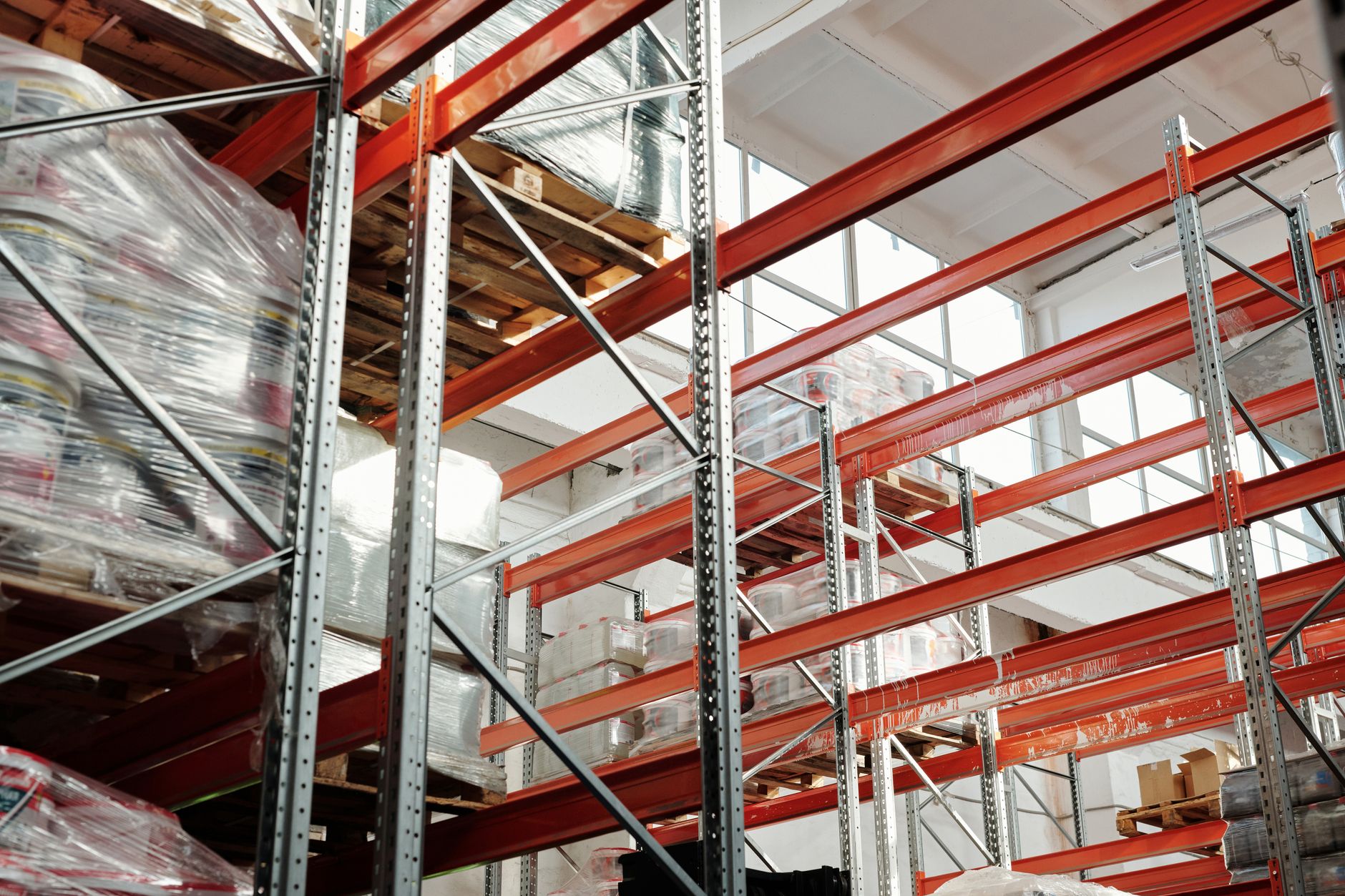 Industry newsGartner's Humanoid Prediction: Why Polyfunctional Robots Will WinA January 2026 Gartner report predicts few will scale humanoids by 2028. Discover why polyfunctional robots like AMRs and cobots are a practical investment today.
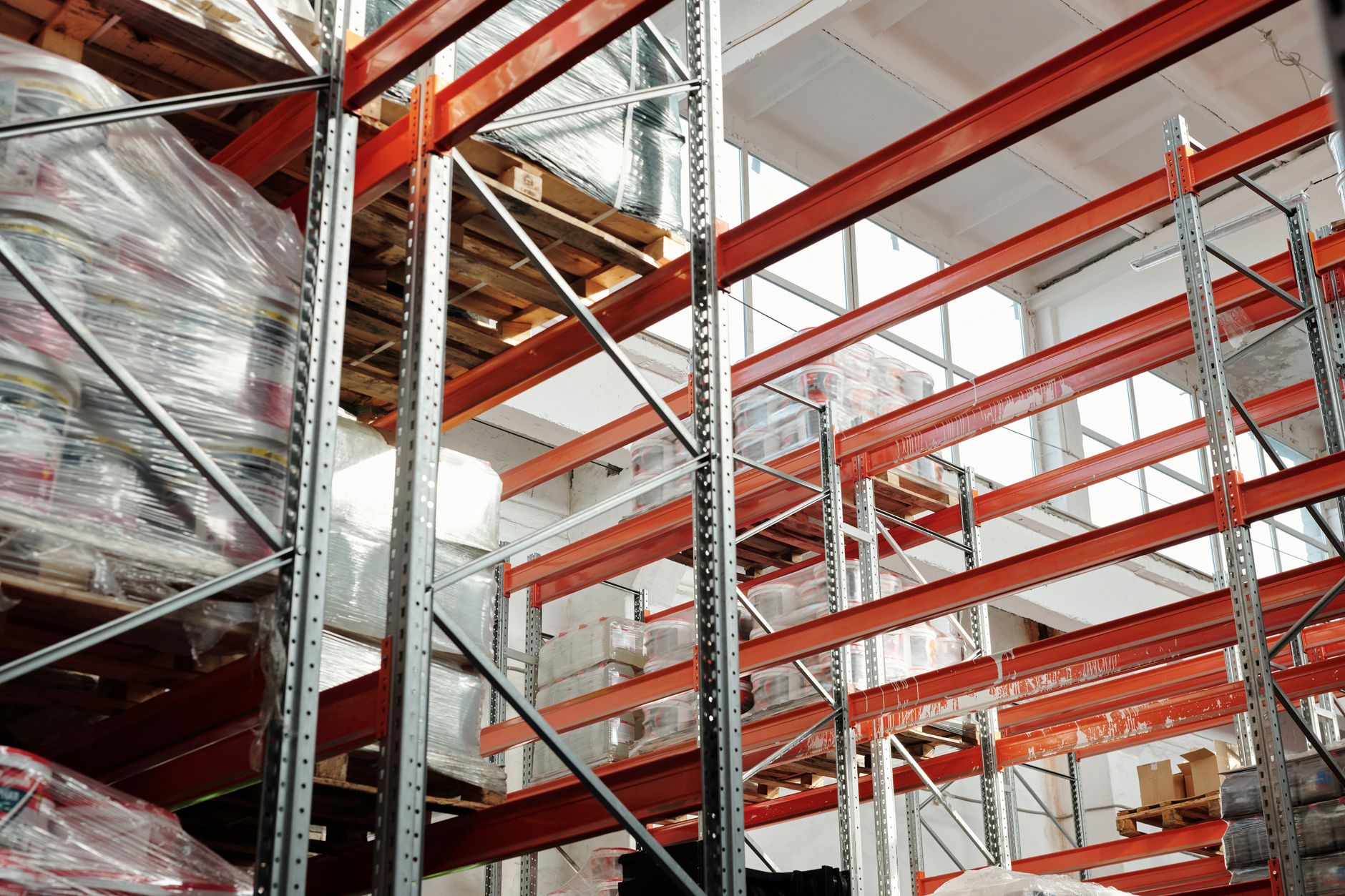 Trends & dataWhat the IFR's 2026 Robotics Report Means for Your BusinessThe IFR's 2026 report shows a $16.7B robotics market. We translate the top trends like AI and humanoids into practical takeaways for business automation.
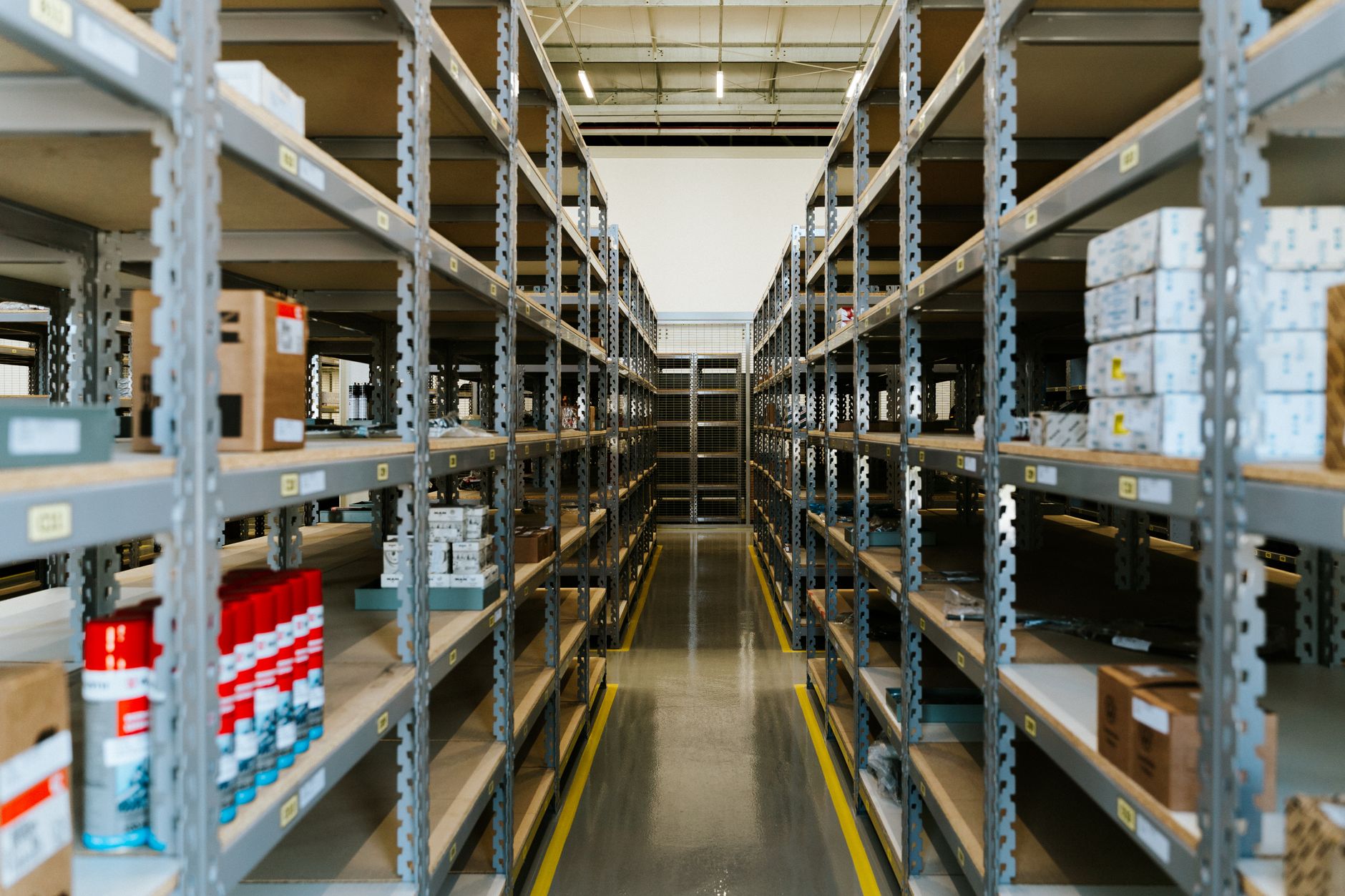 ComparisonHumanoid Robots: Hype vs. Reality for Businesses in 2026Are humanoid robots ready for business use in 2026? This article analyzes current humanoid capabilities versus existing, specialized service robots.
 Industry newsFrom Gate to Tarmac: The Rise of Robots in US AirportsUS airports are deploying robots for passenger service, baggage handling, and cleaning to combat labor shortages. Learn how SJC and GRR are leading the way.
Common questions
Go deeper
Related solutions
Financing
Read more
All solutions
Tell us the task. We'll tell you if a humanoid is ready for it.
We'll qualify the hardware, scope a pilot, and give you the honest read before you spend.
Find the robot that fits your site.
Free site assessment. We tell you what actually works before you spend a dollar.