
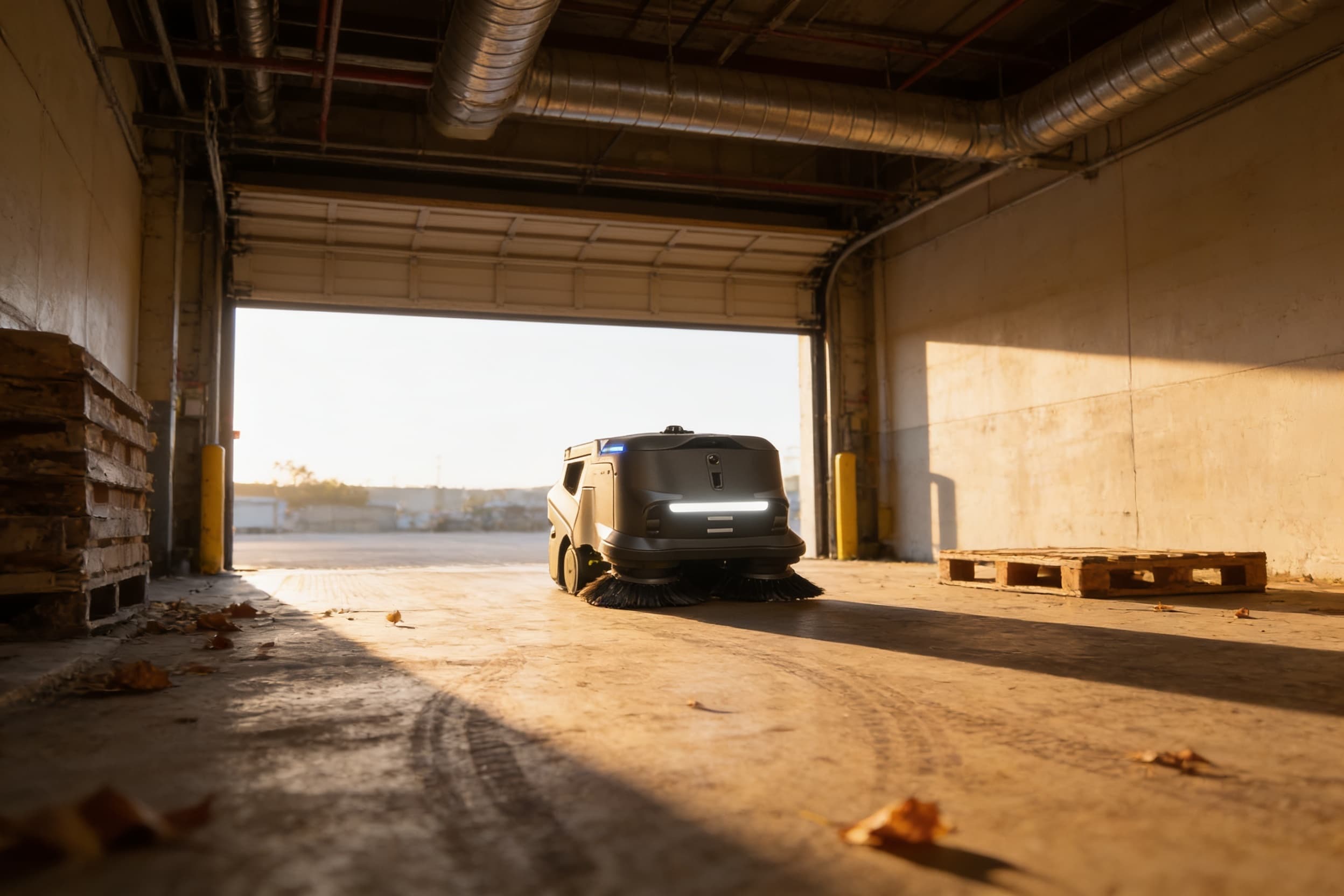
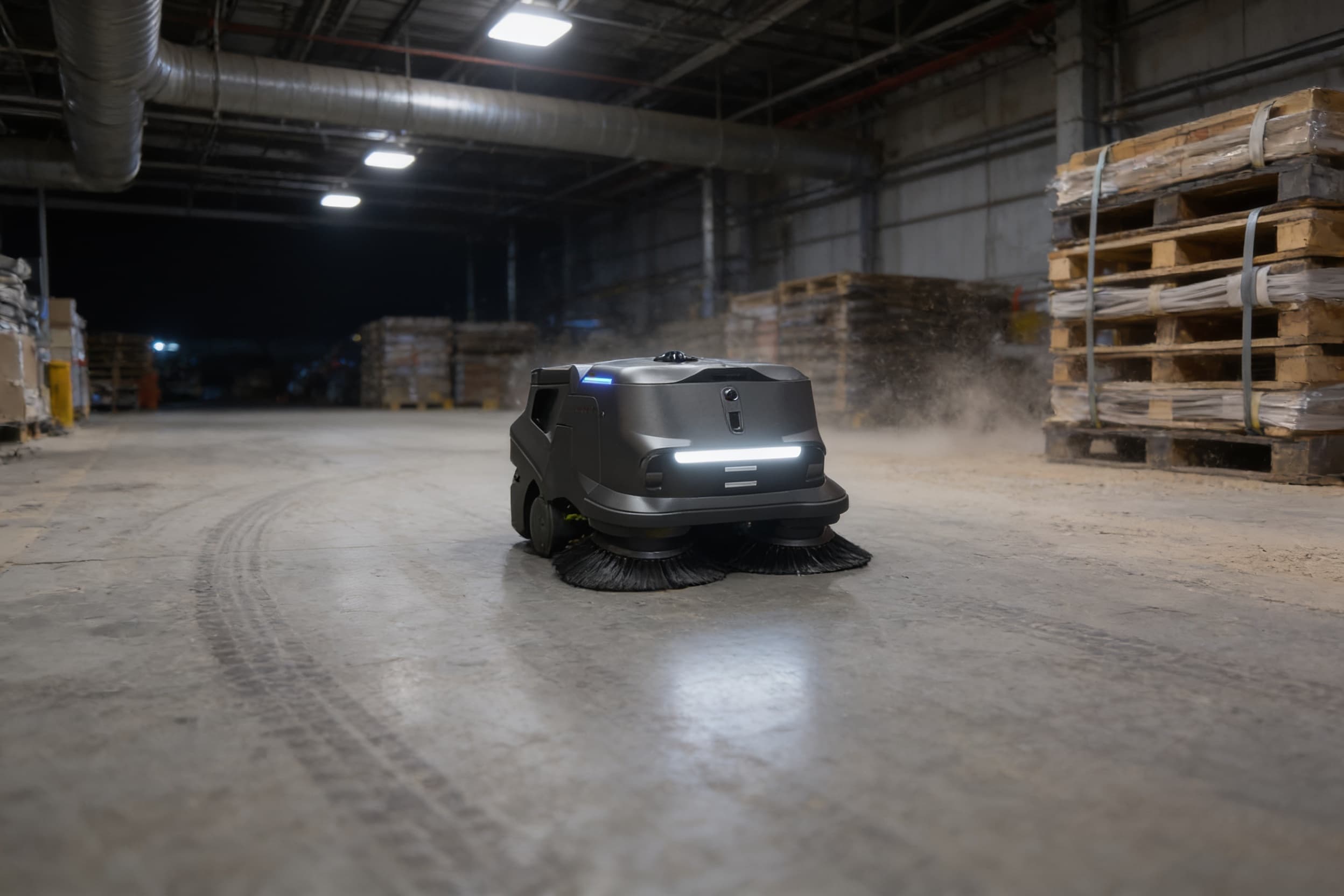
Warehouse automation integrator · guide
One vendor. The whole warehouse.
AMRs, autonomous forklifts, ASRS, picking arms, dock robots, inventory drones - picked OEM-neutrally, leased, deployed, and serviced nationwide by one US vendor instead of six.
- All 50
- US states served
- 10 min
- 24/7 triage
- 24/7
- emergency response
What it is
A warehouse automation integrator is the single vendor that picks the right robots for your floor across every OEM, then handles sales, integration, financing, deployment, and ongoing service - so you are not project-managing six vendors and six support queues. Service Robot Co. is that vendor, and we are OEM-neutral: we already service the robots of category-leading makers who have no US engineers of their own. We pick the mix, integrate it with your warehouse software, deploy it to the mobile-robot safety standards, and back every unit nationwide.
Specs on this page are publicly reported, not guarantees. We confirm the right unit and the lease payment for your site in an assessment.
See it running on your floor.
We scope the work on a site assessment and prove the system on your operation before you commit.
Inside the operation
The warehouse, receive to ship.
Every order moves through the same five stages. A working deployment automates the stage that hurts, not the one on a brochure.
- 1
Receive
Trailers unload at the dock, the slowest manual job in the building.
AutomatesDock robots: mobile loading platforms and in-trailer arms.
- 2
Putaway
Inbound stock moves from the dock into storage.
AutomatesTransport AMRs, tuggers, and autonomous forklifts.
- 3
Pick
Orders are pulled from storage, the walking-heavy stage.
AutomatesGoods-to-person systems, ASRS, and piece-picking arms.
- 4
Pack
Orders are packed and staged for shipping.
AutomatesAMRs shuttle totes between pick, pack, and staging.
- 5
Ship
Loads go back out the door and counts must stay honest.
AutomatesDock robots load trailers; inventory drones keep the counts.
Field notes
4.6M
Projected US supply-chain worker shortfall by 2030.
US BLS projection, via LogisticsIQ
$10B
The AMR market crosses ten billion dollars by 2030, about half a million robots shipping a year.
LogisticsIQ, 2024
15.6%
Annual growth in AMR adoption through 2030.
Mordor Intelligence, 2025
RoboCare™
Service nationwide.
- 24/7 support.
- 10-minute technical-specialist triage.
- Regional service engineers in every state we service.
- 3 check visits a year.
- 12-month warranty.
The operation, up close
What actually decides the outcome.
The distributor wedge: why category-leading OEMs need a US integrator
The strongest robot makers in several categories are not US companies, and tend to be hardware-first. They hit the wall every hardware company hits in a new market: a US customer wants sales coverage, financing, deployment, and a fast repair. Building that field organization is slow, expensive, and not what a robotics OEM is good at.
So the OEM builds a US arm from scratch, or partners with an integrator who already has the coverage. We already service delivery and cleaning robots for a real customer: the OEM has the hardware, we have the US engineers. That is the distributor wedge: the reason a "US distributor" search resolves to us.
- OEMs are strong on hardware, thin on US sales + service + financing + deployment - the four things a US customer needs alongside the robot.
- Several category leaders have no US service engineers at all; a customer who goes direct gets a great machine and a slow overseas queue.
- We are already in the field servicing OEM robots for real customers - the coverage exists before the partnership is signed.
- For the OEM, partnering beats building a US field org from scratch; for the customer, it means one accountable US vendor instead of an importer relationship.
Every warehouse-robot category we integrate and service
Vendor-neutral means we cover the whole floor, not one box. We pick, deploy, and service across every category of warehouse robot, matching each job to the simplest reliable automation for it:
- Transport - AMRs and autonomous tuggers, and AGVs for fixed high-volume lanes.
- Lifting - autonomous forklifts, reach trucks, and pallet movers.
- Storage & picking - ASRS and goods-to-person systems, and piece-picking arms.
- Dock - trailer loading/unloading robots: mobile ALR, in-trailer arms, and conveyor ATLS - see the dedicated dock guide.
- Inventory - autonomous counting drones and scanning robots.
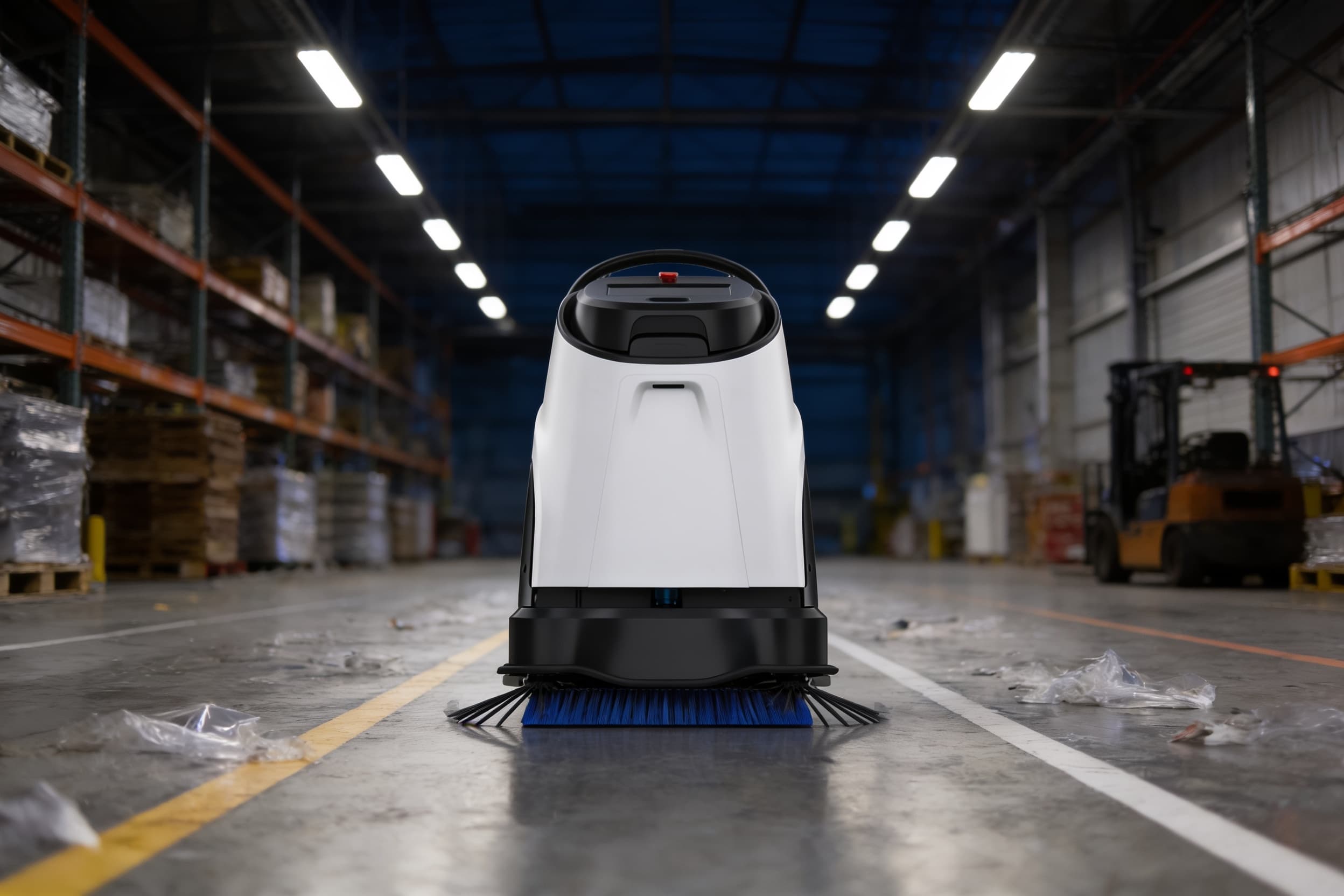
- Cleaning - autonomous scrubbers and sweepers for the open slab.
- Software - WMS/WES/WCS selection and the fleet orchestration that ties a multi-brand floor together.
The real cost math: the unit is the small part
The number that decides a warehouse-automation project is rarely the number on the OEM quote. It is the total of the deployment, the integration, the financing structure, and the downtime risk over the life of the unit - and that total is where a customer who goes direct gets surprised. A common rule of thumb is that integration and deployment add on the order of a third again to the hardware cost, and can exceed it for heavy units that need re-racking, a guide path, or a software project. A robot that sits dead for two weeks waiting on an overseas part has erased a year of labor savings.
The integrator math is about removing those surprises. We weight what deployment actually requires as heavily as the unit itself, arrange the lease so the payment fits your utilization, and cover service with RoboCare™ in one accountable relationship so downtime does not blow up the payback. The honest framing: an integrator is not free, but on a real multi-unit deployment it is almost always cheaper than the hidden cost of doing it yourself across six vendors. We build the side-by-side for your facility in an assessment.
- Integration and deployment commonly add about a third again to the hardware cost, and more for units needing re-racking or guide paths.
- Downtime is the silent payback-killer: an OEM with no US engineers can mean a multi-week outage on a single part.
- A lease through financing spreads the hardware cost over the term and keeps capital free.
- On multi-unit, multi-vendor deployments the integrator is typically cheaper than the hidden cost of self-managing six vendors, though this is not a guarantee.
What the OEM does not do
Five things an integrator carries that a bare OEM does not.
Getting the robot is the easy part. This is the rest of the job.
Sales, neutrally
We pick the right unit for your dock profile, pick faces, and storage from every OEM, instead of fitting your floor to the one product a maker happens to sell.
Integration
We wire the robot into your warehouse management, execution, and control systems (WMS/WES/WCS) and your fleet manager, so a robot actually knows what to do next.
Financing
A lease through financing on one fixed payment, with the real total-cost math including deployment, so your finance team can plan around it.
Deployment
Mapping, route-building, racking, safety setup, and commissioning on a live floor, to the mobile-robot safety standards (ANSI/RIA R15.08 Part 2). The part most direct customers underestimate.
Nationwide service
RoboCare™: 24/7 support with 10-minute triage and regional service engineers in every state we service. The single thing most robot OEMs cannot offer a US customer at all.
All five, carried for you.
Tell us the floor and the job. We answer with the unit, the math, and the plan.
Get a quoteFrom our blog
Reading for the decision you are making.
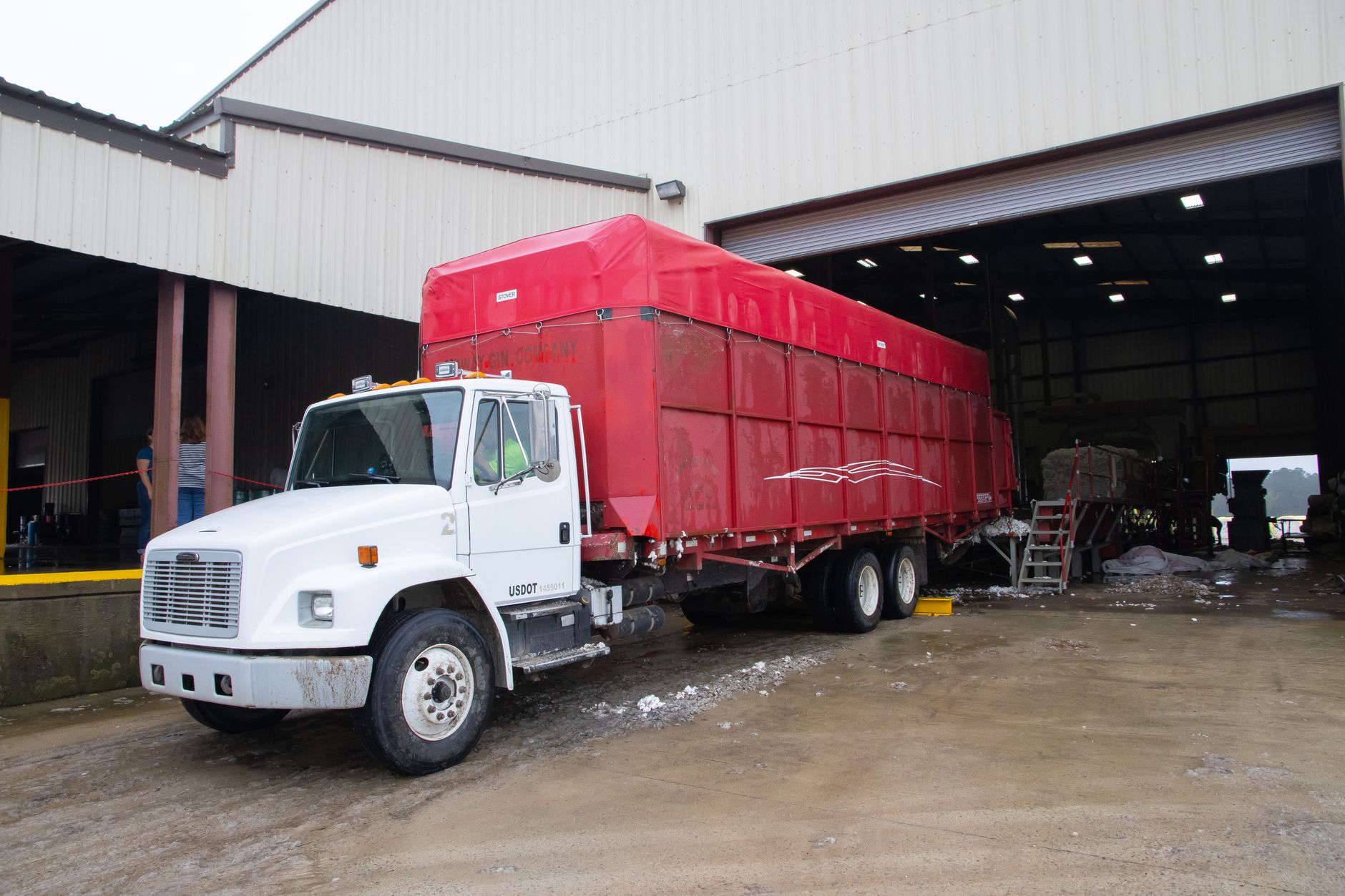 Costs & ROIBudgeting Robot Freight, Rigging, and InstallationRobot quotes rarely include freight, rigging, power, and commissioning. Use this budgeting framework so delivery day does not blow your deployment budget.
 DeploymentDynamic No-Go Zones for Busy Loading DocksA practical guide to changing AMR maps and dock traffic rules as trailers, forklifts, staging lanes, and temporary loads move through live docks.
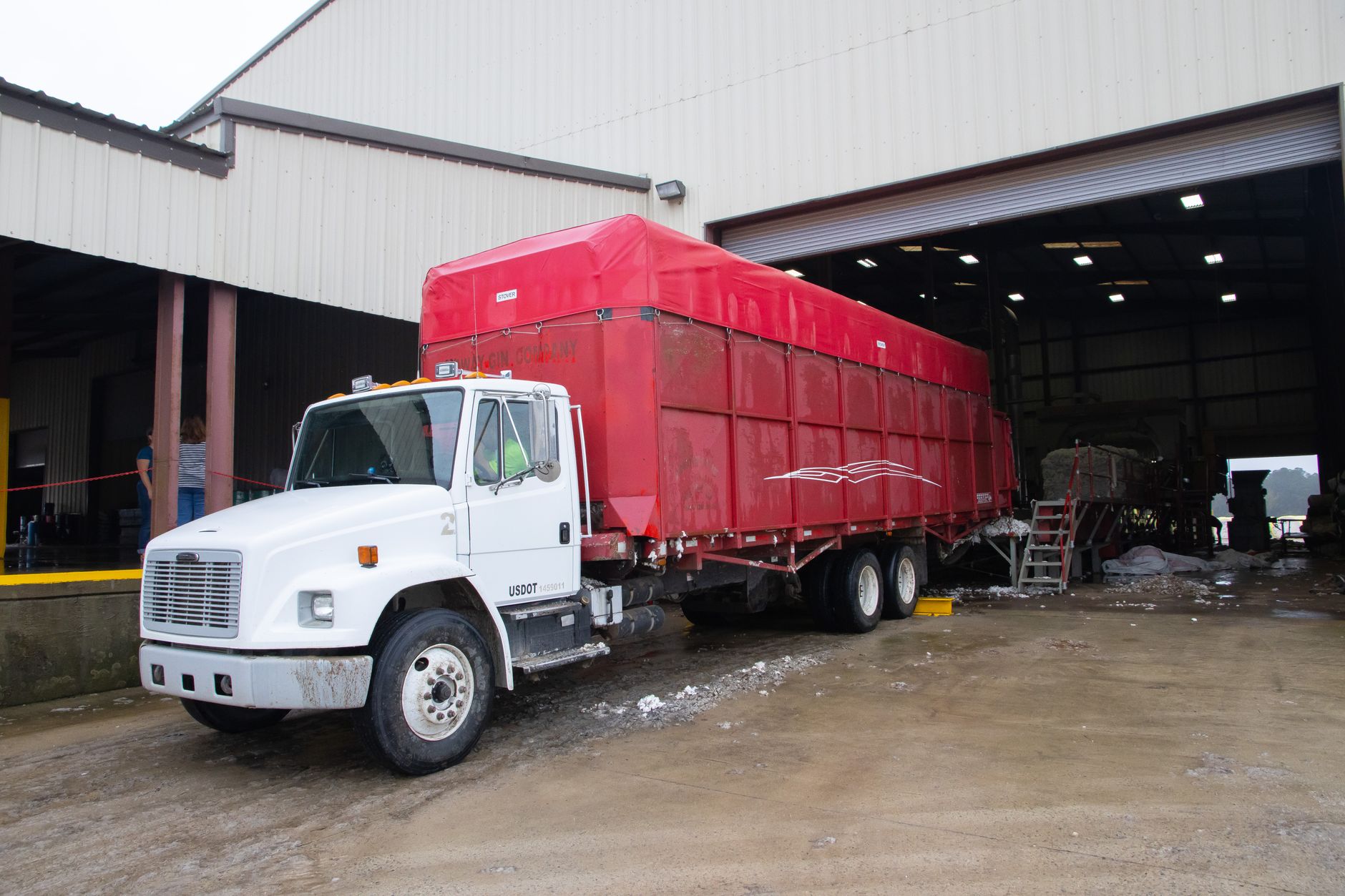 DeploymentHow to Run AMRs Safely Around Dock LevelersLoading docks create edge, gap, and moving-plate hazards for AMRs. Learn how interlocks, geofences, sensors, and SOPs reduce unsafe dock states.
 Industry newsThe New Forklift-AMR Crossover Is a 2026 Buying ShiftAutonomous forklift capability is changing AMR buying for pallet-moving facilities. Here is what mid-market operators should ask in 2026.
Two ways to start
An integrator, or direct from the OEM.
A general comparison of the two routes, not a knock on any one OEM. Many OEMs partner with integrators precisely to close the US sales, deployment, and service gap described here.
Robots on this operation
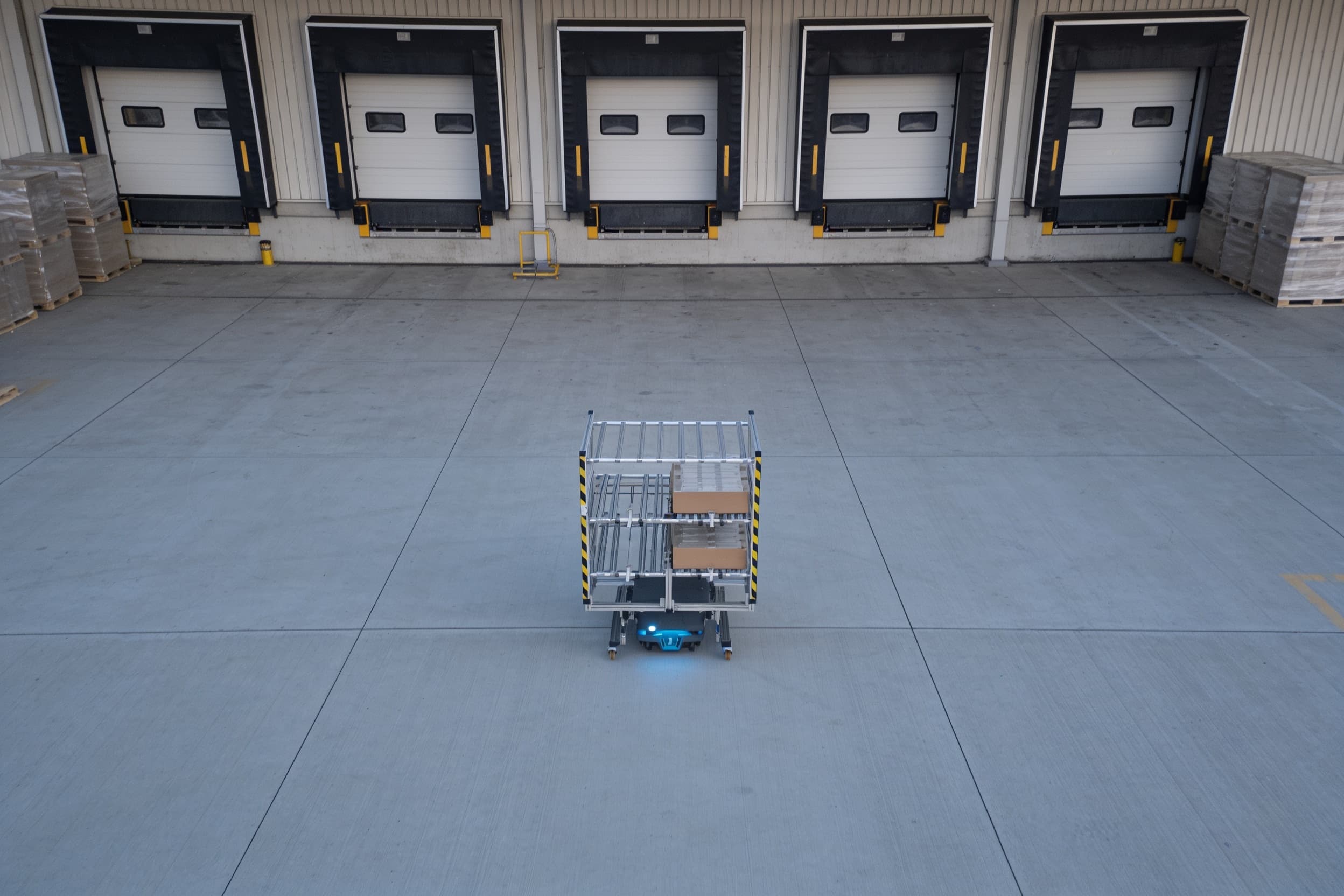
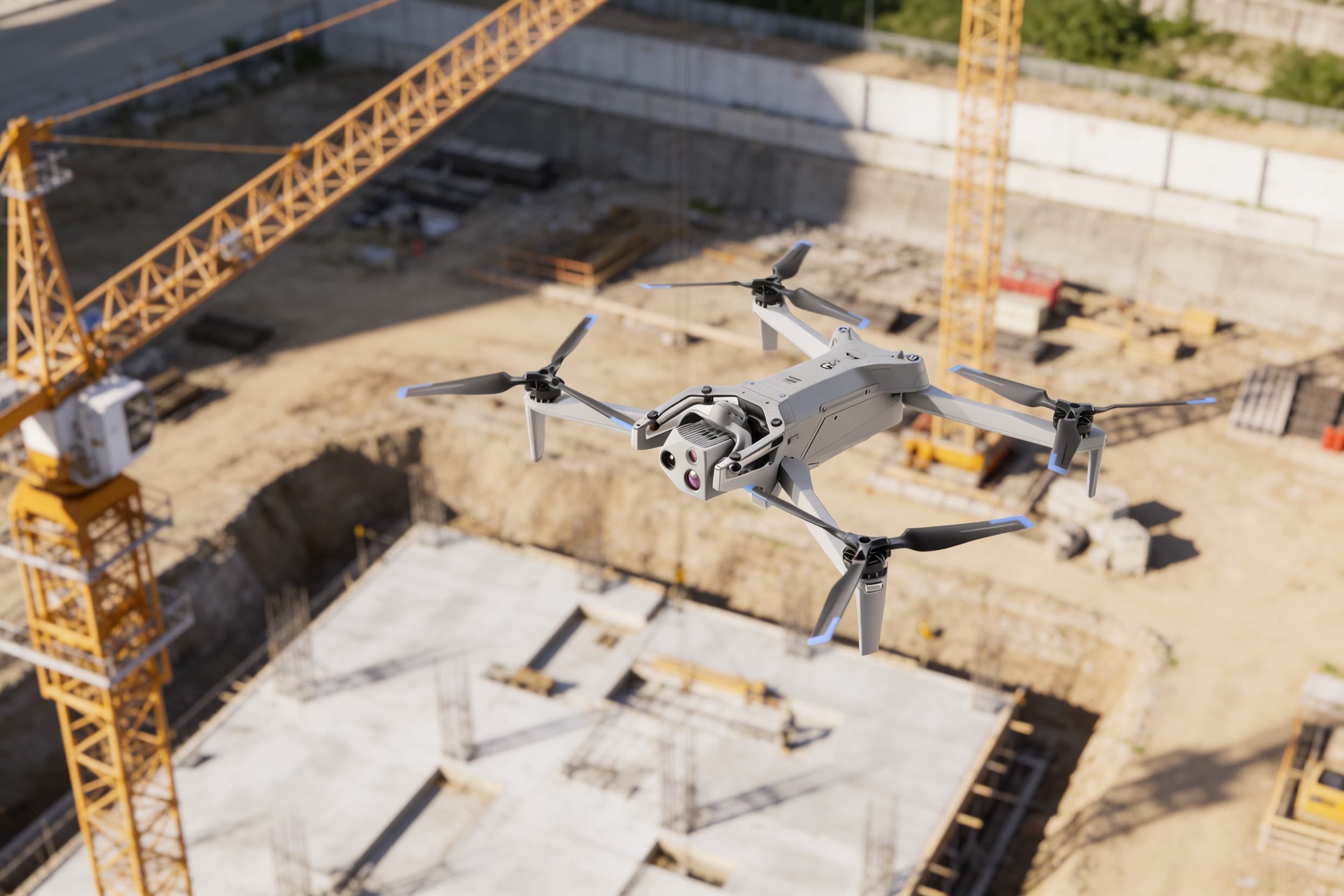
The machines doing the work.
Compare the options
Comparison
When the integrator model pays off most
The integrator wedge is largest in exactly these situations. The more of these are true, the more going direct will cost you in hidden work.
| Situation | Why the integrator wins here |
|---|---|
| Multi-vendor floor | Coordinating brands (VDA 5050 / Open-RMF) and one service contract beats juggling several OEM queues. |
| OEM has no US service | A US service engineer network is the difference between a quick fix and a two-week outage. |
| Heavy / capital-class units | Deployment, safety setup, and integration dwarf the unit itself - getting them right is the whole game. |
| Mid-market operator | No in-house robotics team to project-manage a deployment; the integrator is that team. |
| Peak-season flexibility | Leasing through financing keeps capital free while you scale. |
We confirm which model fits on a site assessment before you commit - including the honest case where working with one OEM direct is genuinely simpler.
On the floor
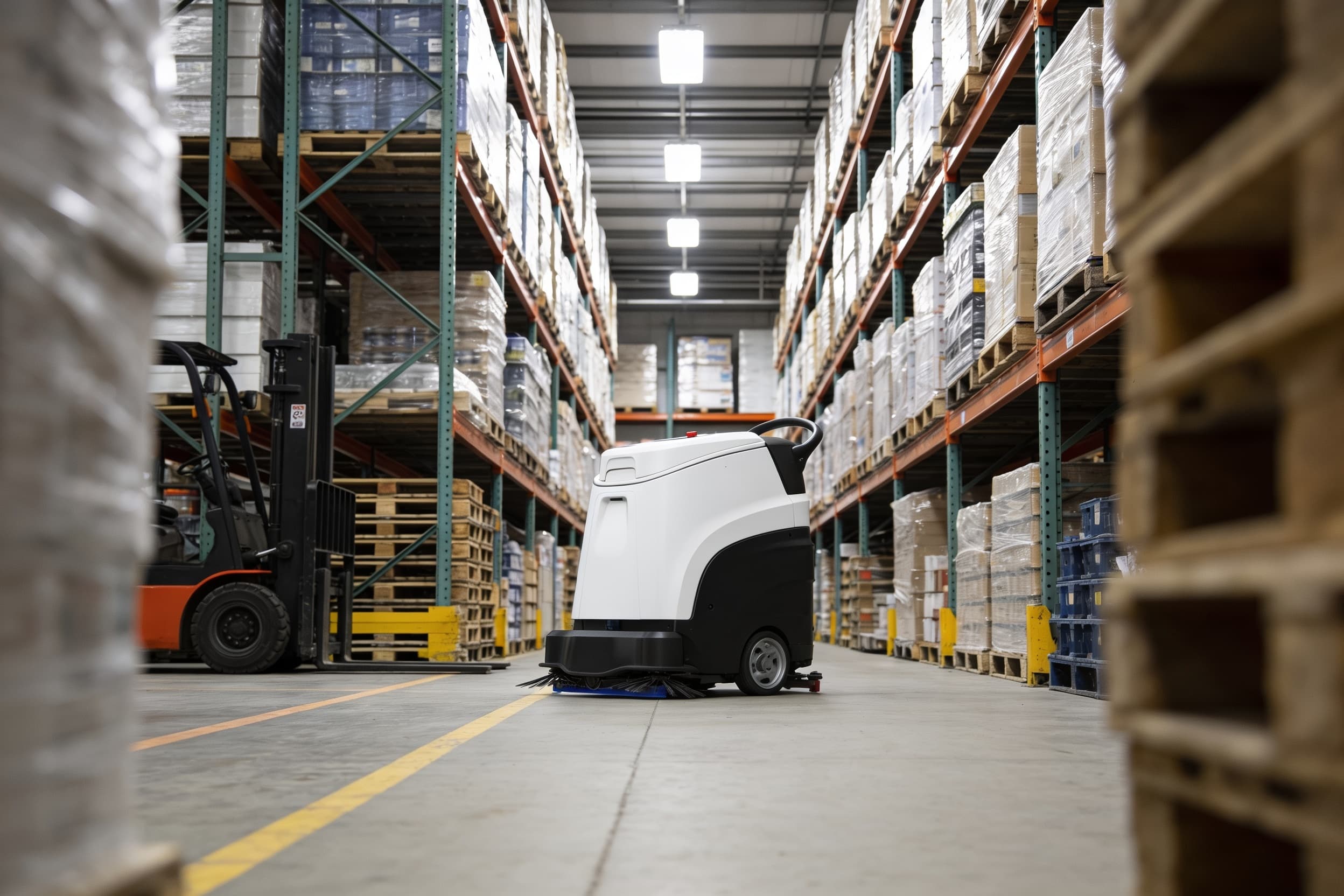
Where you'll see it working.
Decision guide
Do you need an integrator, or can you go direct?
Route yourself honestly. Some single-unit deals are simpler direct; most multi-unit, multi-vendor, or service-dependent deployments are not.
One simple unit, an in-house team to deploy it, and OEM service that covers you
Going direct may be fine - we will tell you so. No integrator needed for a single self-serviceable box.
Multiple robots, or robots from more than one OEM
An integrator - one contract, one neutral recommendation, and fleet orchestration so brands coordinate.
The OEM you want has no US service engineers
An integrator - our US service engineer network is the service layer the OEM never built.
Heavy, capital-class deployment (autonomous forklifts, ASRS, dock robots)
An integrator - deployment, safety setup, and integration are where these projects succeed or stall.
No in-house robotics team and a warehouse already to run
An integrator - we are the robotics team you do not have to hire.
You are an OEM that lacks US sales, deployment, or service coverage
Partner with us as your US go-to-market arm - we already service robots like yours in the field.
Honest fit check
When you do NOT need an integrator
We would rather tell you to go direct than sell you a service you do not need. Skip the integrator when:
- You need a single, simple, self-serviceable unit and have an in-house team to deploy it.
- The OEM you have chosen already provides real US deployment and service that covers your site.
- You have a mature in-house robotics and integration team that does this work already.
- The job is genuinely one fixed lane where a person or a simple conveyor beats any robot - automate the right thing, or nothing.
- You are mid-redesign of the operation - stabilize the process first, then automate the stable version.
Proof
Deployments we can point to.
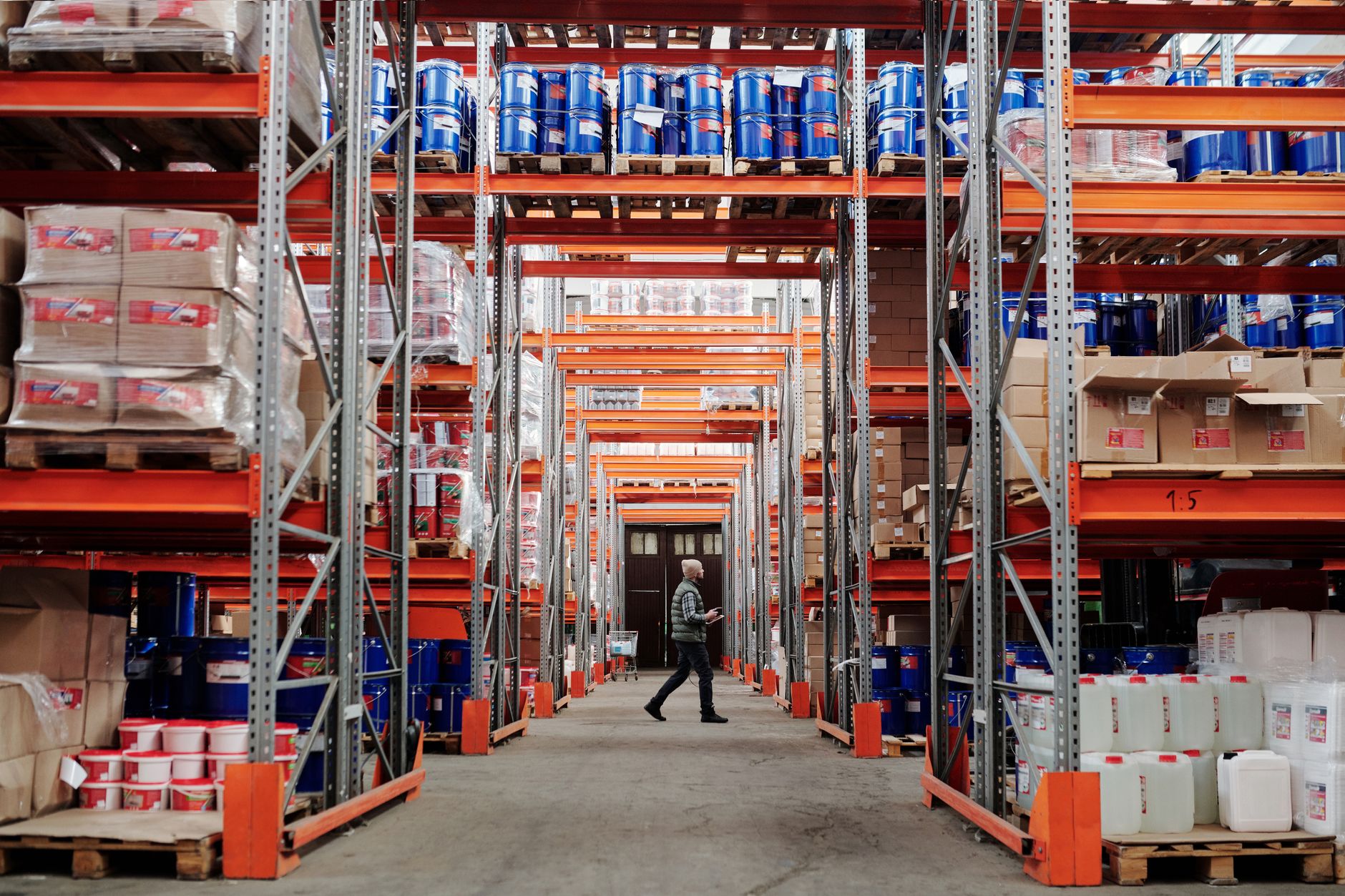 Featured case study600mRoute lengthHow a Contract Manufacturer Automated a 600-Meter Warehouse Route With Two AMRsA European contract manufacturer runs two AMRs on a 600-meter warehouse-to-production loop, freeing staff from repetitive moves and planning heavier cart hooks next.Read the case study
Common questions
Start with a free site assessment.
We walk your site, learn the job, and tell you which unit fits, OEM-neutrally, before you commit a dollar. If nothing fits yet, we say so.
Find the robot that fits your site.
Free site assessment. We tell you what actually works before you spend a dollar.