
Seattle, WA - Turnkey robot deployment for business with monthly leasing and 24/7 service
Commercial robots in Seattle help businesses keep floors cleaner, move goods faster, extend coverage after hours, and handle repetitive work with less strain on the staff they already have. That can mean an autonomous scrubber covering long floor runs overnight, a delivery robot handling routine trips inside a building, a patrol robot watching lots and exterior paths, or a warehouse robot moving material through the same routes all day. For a local operator, the value is simple. More consistency, fewer gaps, and a job that still gets done when hiring is tight or the shift is hard to fill.
Seattle operations are rarely all one thing, and that is why the mix matters. A property team may need commercial cleaning robots for wet entry zones and long corridors, a hotel or healthcare site may need delivery robots for internal runs, and an industrial space may be looking at security robots or warehouse automation to take repetitive transport off people. Different buildings create different bottlenecks. The right commercial robots fit the traffic, floor conditions, timing, and pace of the work instead of forcing the operation to bend around the machine.
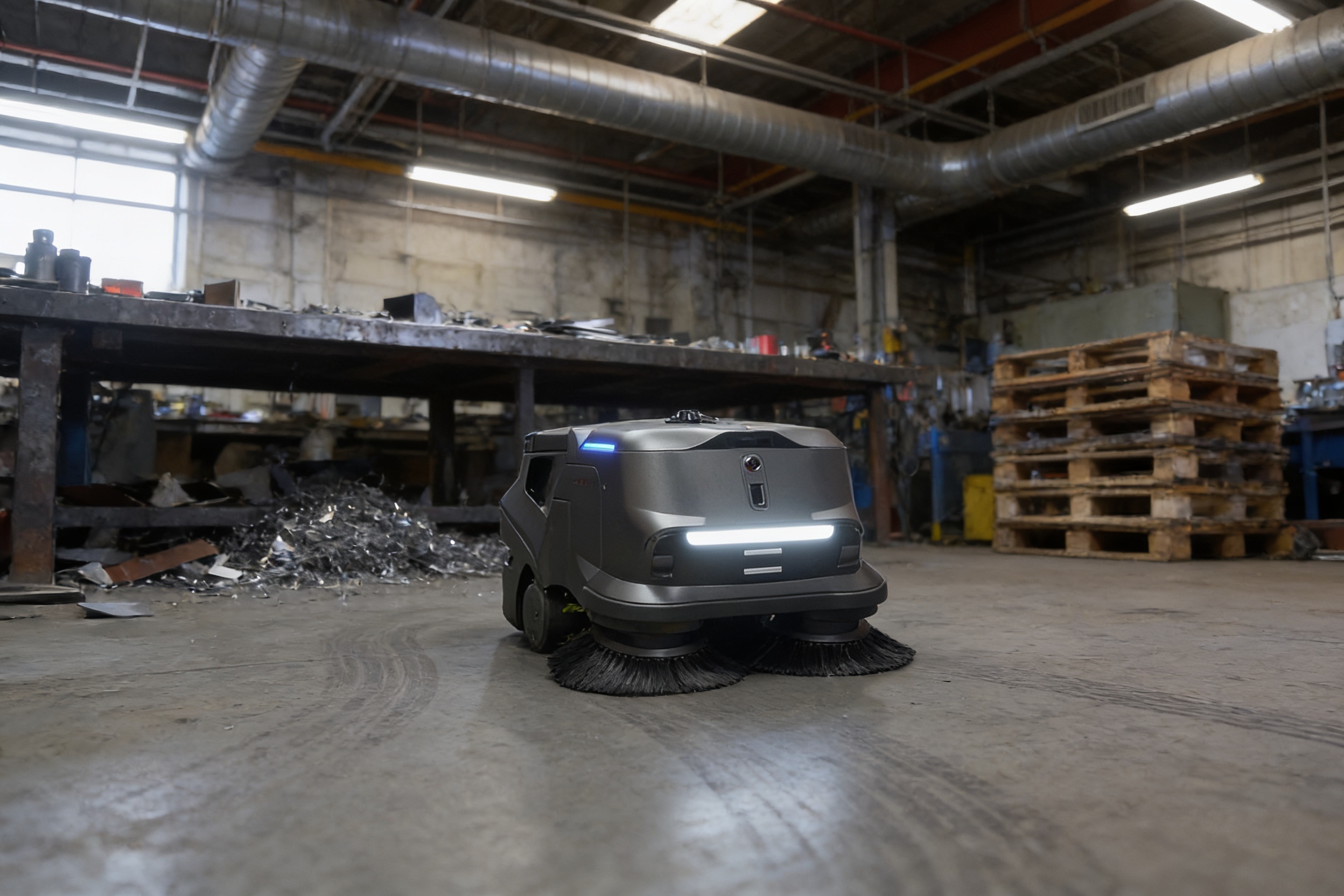
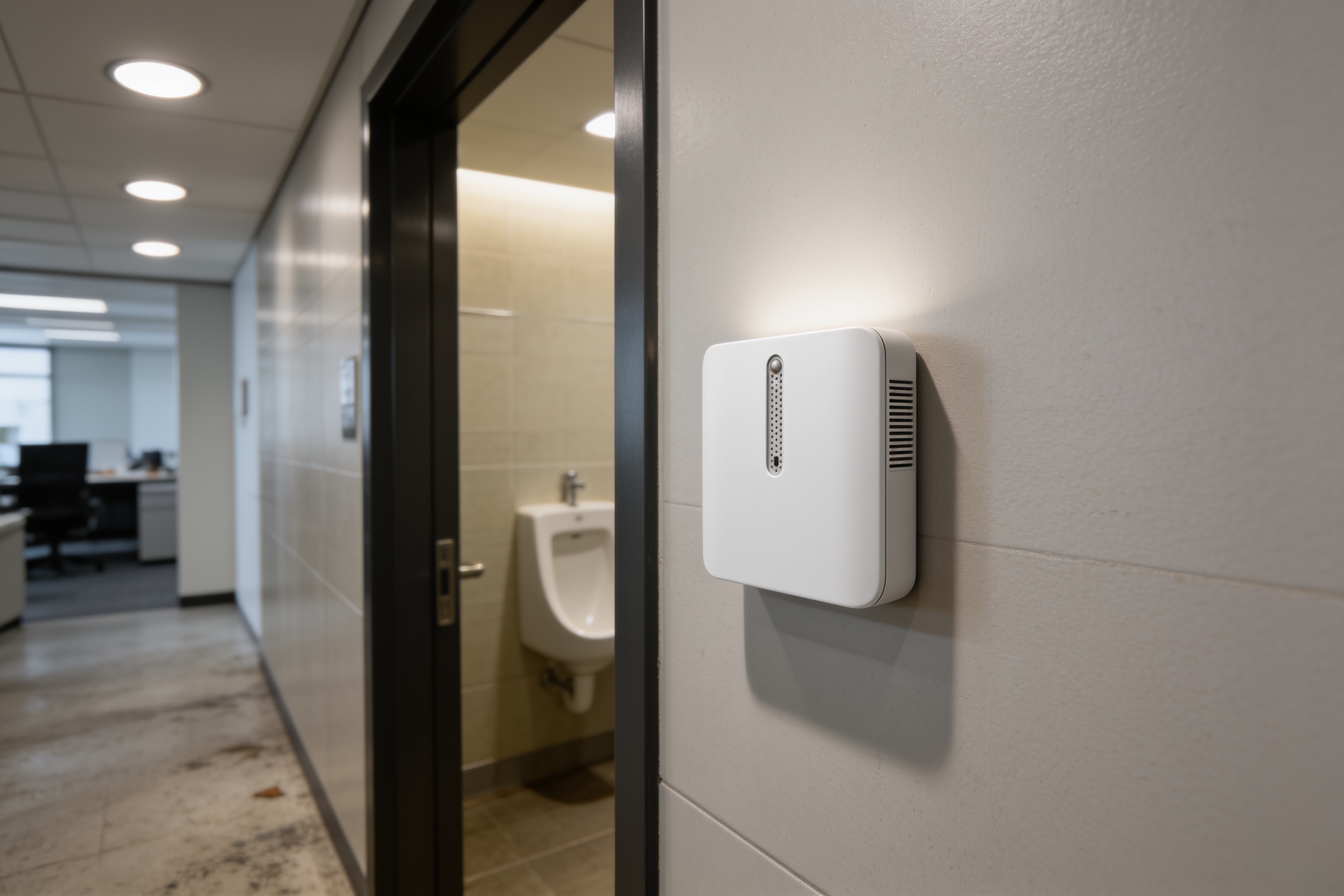
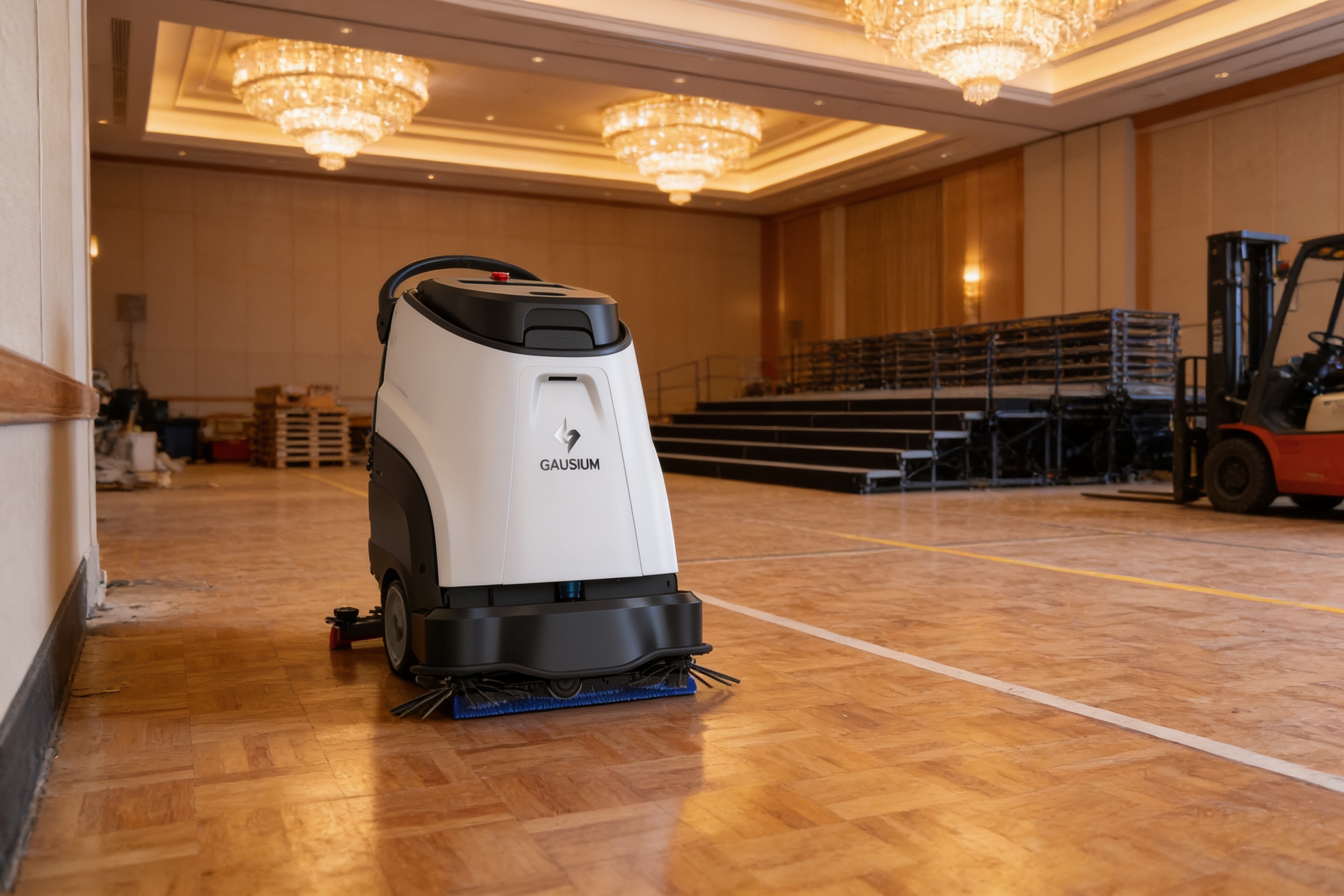
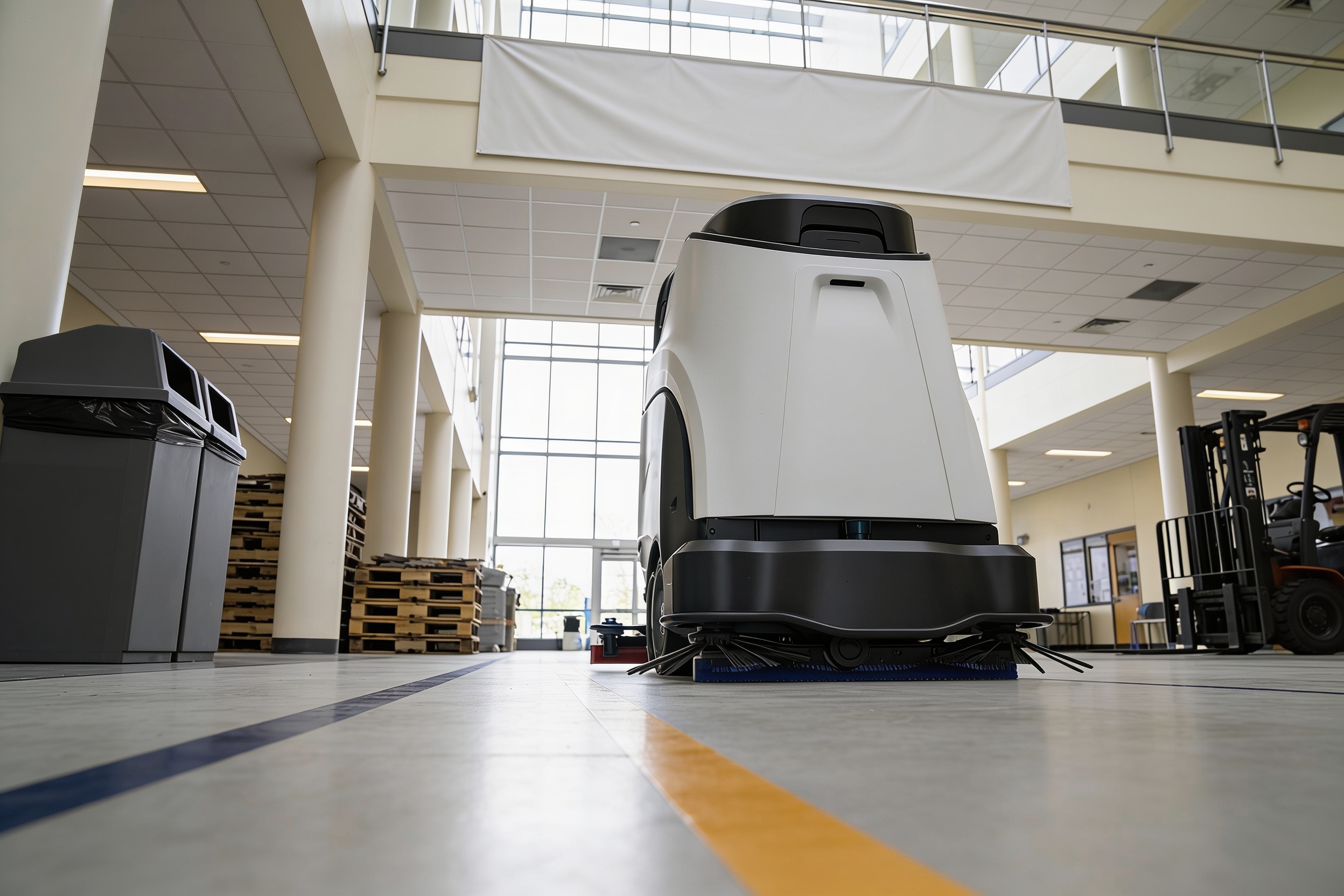
Find your fit · start here
Which robot fits your Seattle site?
Tell us the floor and the labor you want to hand off - we shortlist the 2–3 units that fit, then confirm the right one on a free walkthrough.
Commercial robots seattle · Commercial cleaning robots seattle · Delivery robots seattle
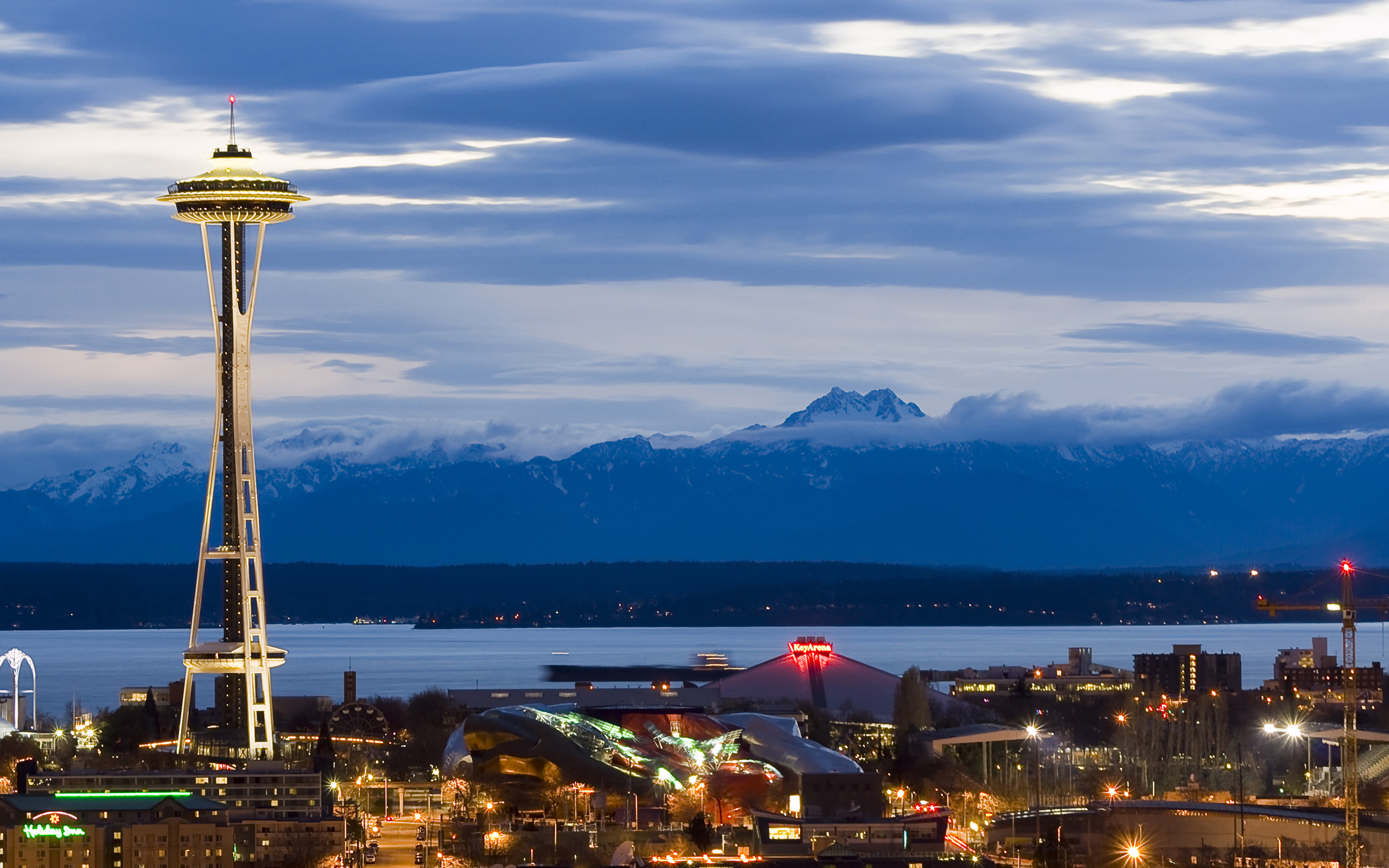
In Seattle, running robots well usually comes down to the realities of the site. Rainy months bring in grit and moisture, mixed-use buildings stay active deep into the day, and many facilities need work done quietly and predictably around customers, tenants, patients, or crew traffic. A Seattle business usually needs equipment that can handle real operating conditions, not a showroom demo, and a plan that makes sense for the way the building actually runs from open to close.
What we deploy in Seattle
Four robot categories. Every floor.
Cleaning, delivery, security, and warehouse robots for Seattle warehouses, hotels, hospitals, restaurants, retail, and facilities - each selected, deployed, and serviced by one partner.
Floors scrubbed every night.
Autonomous scrubbers and vacuums run the floors on a schedule - warehouses, retail, airports, hospitals, and hospitality.
Runs that run themselves.
Delivery robots handle plate runs, room service, and supply loops so staff stay with guests and patients.
Eyes on site, no headcount.
Mobile surveillance trailers and security robots watch lots, yards, and job sites around the clock.
Automation that moves the load.
AMRs, autonomous forklifts, tuggers, and goods-to-person systems for distribution and manufacturing floors.
Cleaning robots in Seattle
Seattle's First Hill neighborhood is known locally as "Pill Hill" for packing Harborview Medical Center - the only Level I trauma center in the Pacific Northwest - alongside Swedish's flagship campus and Virginia Mason into a few blocks. Add the roughly 70-plus hotels spread across downtown and you get a lot of large, continuous hard floors that need cleaning on a nightly schedule.
That's the floor a commercial cleaning robot is built for: it maps a hospital corridor or a hotel lobby once, then runs the same overnight route on schedule - covering the open ground in a labor market where an overnight cleaning crew is genuinely hard to keep full.
Service Robot Co. picks the OEM that fits a Seattle floor, finances it, deploys and maps it, and keeps it serviced through a nationwide engineer network - one partner for a hospital corridor or a downtown hotel, not a robot dropped off with a manual.
RoboCare™
Service in Washington.
- 24/7 support.
- 10-minute technical-specialist triage.
- Regional service engineers in every state we service.
- 3 check visits a year.
- 12-month warranty.
How it works in Seattle
From walkthrough to working robot.
One partner runs the whole job for your Seattle operation - you approve the plan, we handle the rest and keep it running.
A free site assessment - floor plan, surfaces, obstacles, and the labor you want to hand off. No throughput promises before we see the floor.
We shortlist the 2–3 chosen-manufacturer robots that fit the work - matched to the floor, not the brochure - and confirm the model with you.
You lease the robot through financing on one fixed payment. We quote it up front, after the site assessment, with no surprises later.
We install on your floor, map the space, and connect the robot to the systems you already run - a working machine, not a project.
Your staff learn the daily handling in an afternoon. Routines, scheduling, and dashboards are set up before we leave.
RoboCare™: 24/7 support with 10-minute triage, regional service engineers in every state we service, 3 check visits a year and a 12-month warranty.
One partner for the whole deployment in Seattle
A robot in Seattle should be a working machine, not a project you manage. We select the unit, lease it to you, deploy and map your floor, connect it to the systems you already run, train your team, and keep it serviced.
Service area · Seattle, WA
We deploy and service commercial robots across Seattle and the surrounding Washington metro.
Why Seattle operations put robots on the floor.
The overnight work is the same across every Seattle vertical: floors to scrub, food and totes to run, and sites to keep watched. Those repetitive, hard-to-staff jobs are the ones robots take on first.
A robot runs the same route, logs every run, and doesn't call out - a measurable, repeatable result instead of a variable one. We size the labor you hand off before you sign, so the return is grounded in your floor. See the payback-period breakdown and how leasing works.
Industries in Seattle
Built for the floors Seattle runs.
Common questions
Put a robot to work on your Seattle floor.
We walk your floor, learn the surface and schedule, and recommend the unit that fits - then deploy, map, and service it. Start with a free assessment.
Find the robot that fits your site.
Free site assessment. We tell you what actually works before you spend a dollar.