Skip to content

Solar Power Plants

Miles of panels, watched and inspected.

Miles of panels and fence line, watched and inspected without a bigger crew.

All 50
US states served
85+
metros, closest-hub dispatch
<10 min
24/7 tech support
24/7
emergency response
No. 01Your world

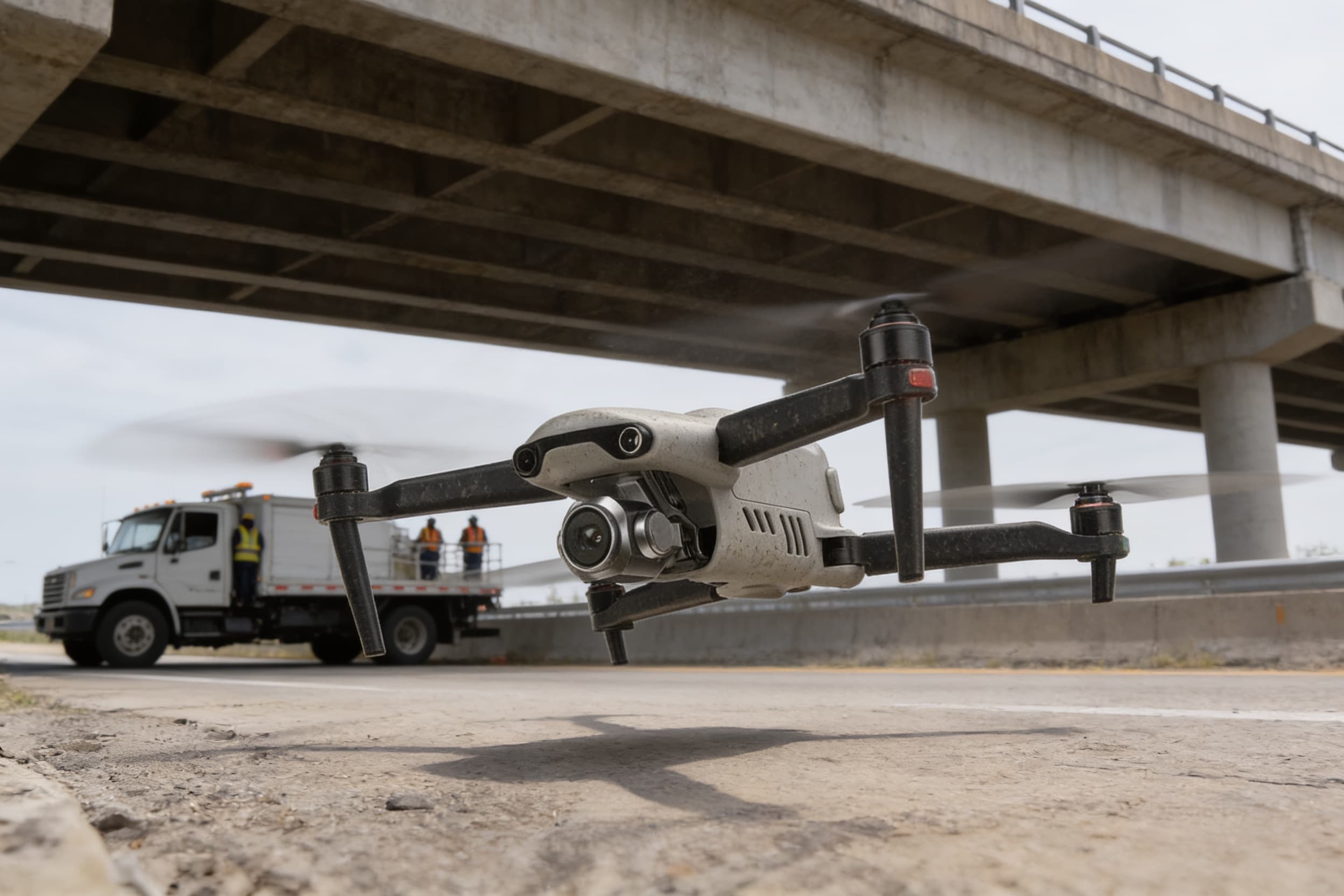
Solar power plants rent drone inspection programs, perimeter cameras, and mobile surveillance units from Service Robot Co. Drones scan panel rows for faults and hot spots, cameras and solar trailers watch a remote fence line around the clock, and we deploy, integrate, and service every unit across all 50 US states.

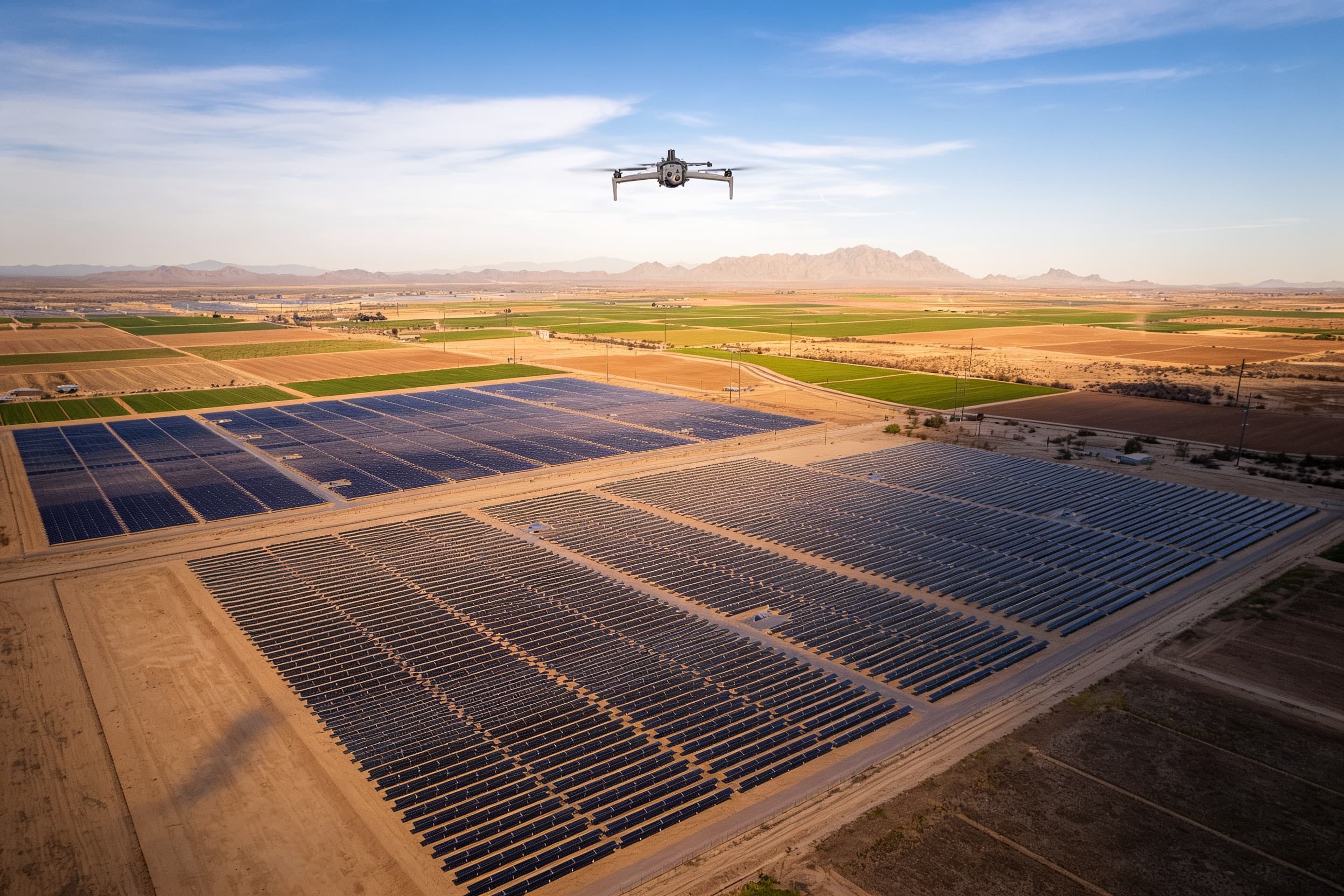
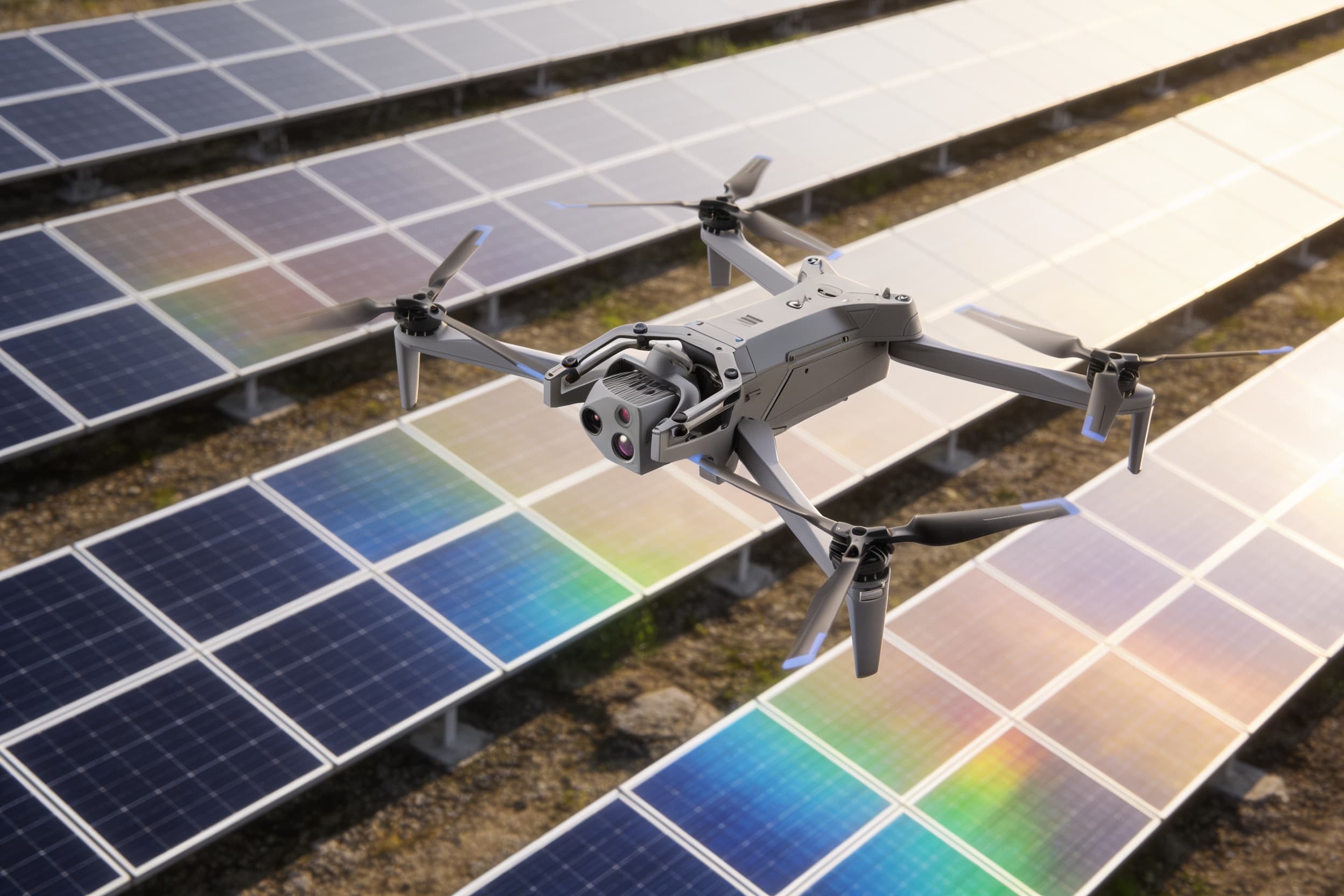
Inspection drone on a scan pass over ground-mount solar rows
Panel scan

Use cases

Where the robots go to work.

An array is aerial and ground work at once — drones from above, robots along the rows, cameras on the fence line. The jobs where they earn their keep.

An inspection drone flying low over solar panel rows on a scan pass

Survey & inspection

During build-out, drones fly progress passes over the site; once the plant is live, scheduled scan routes check the rows for faults and hot spots. It covers in minutes what a panel-by-panel walk takes days, and every flight leaves a record to compare against the last.

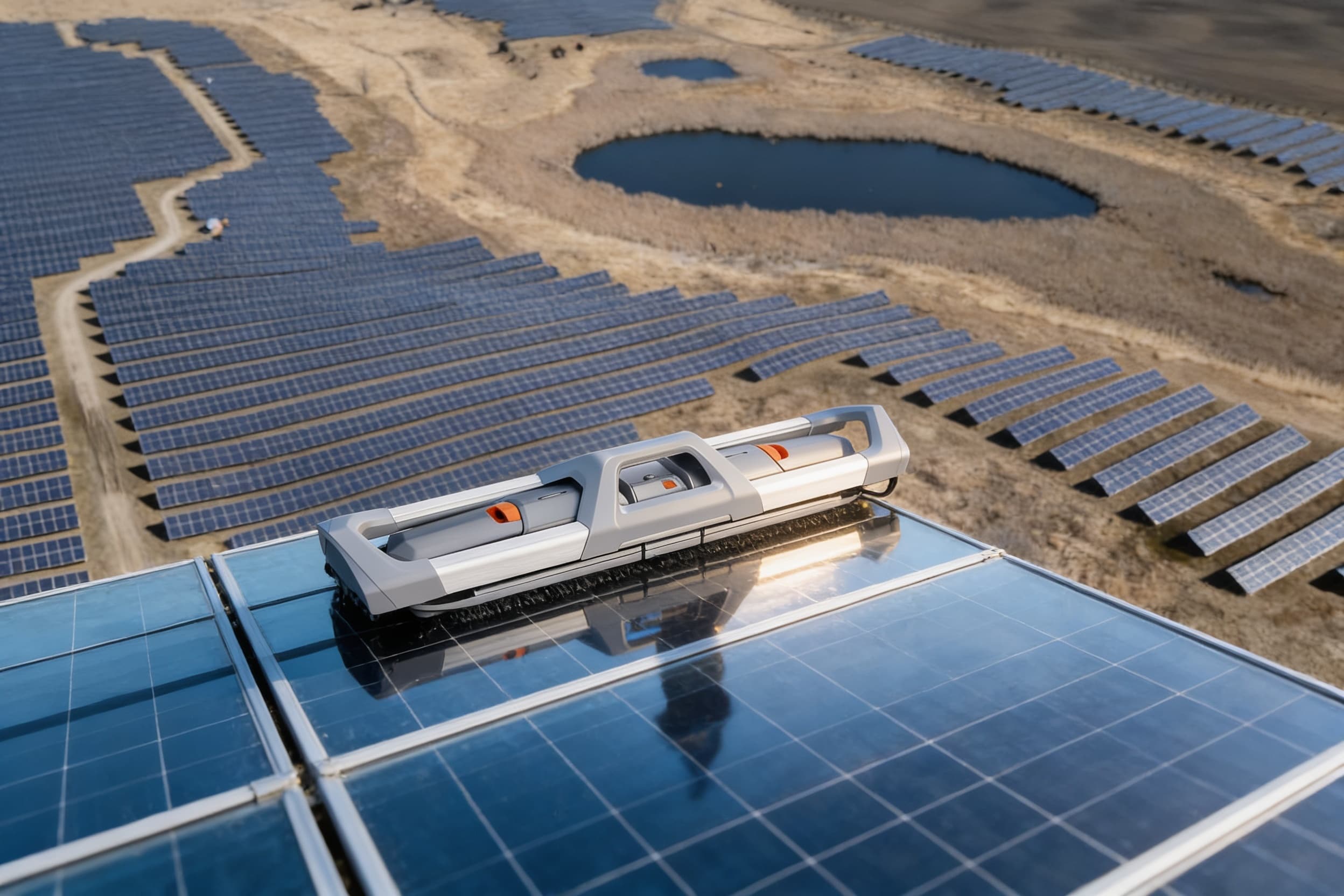
An autonomous solar-panel cleaning robot working the panel rows of a solar farm

Panel cleaning

Dust and soiling quietly cut a panel’s output. Autonomous cleaning robots work the rows on a schedule to recover that lost production, so a crew is not walking hundreds of acres by hand. We match the approach to your site rather than promising one setup fits every array.

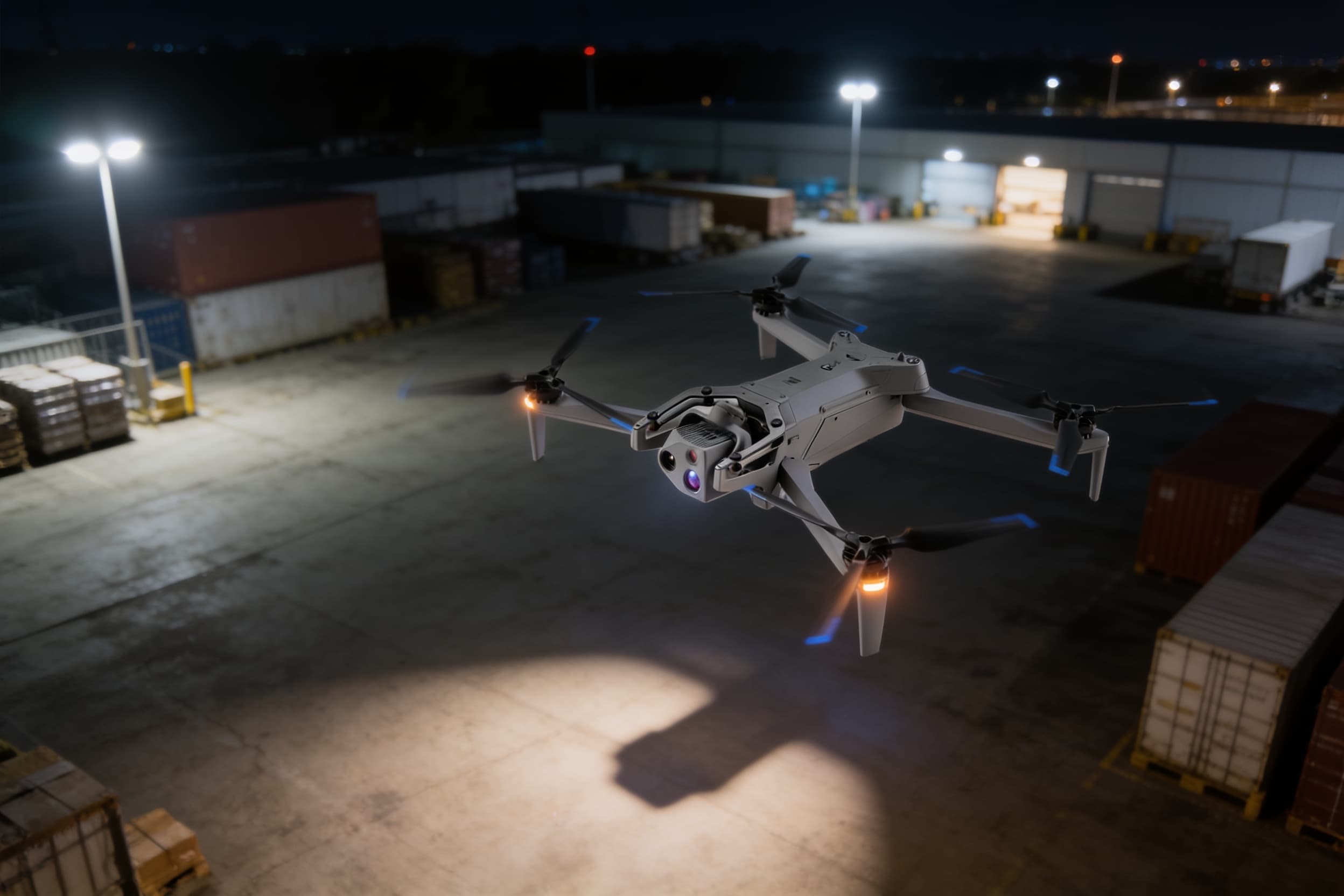
A drone on night patrol over a fenced yard, its navigation lights on

Perimeter security

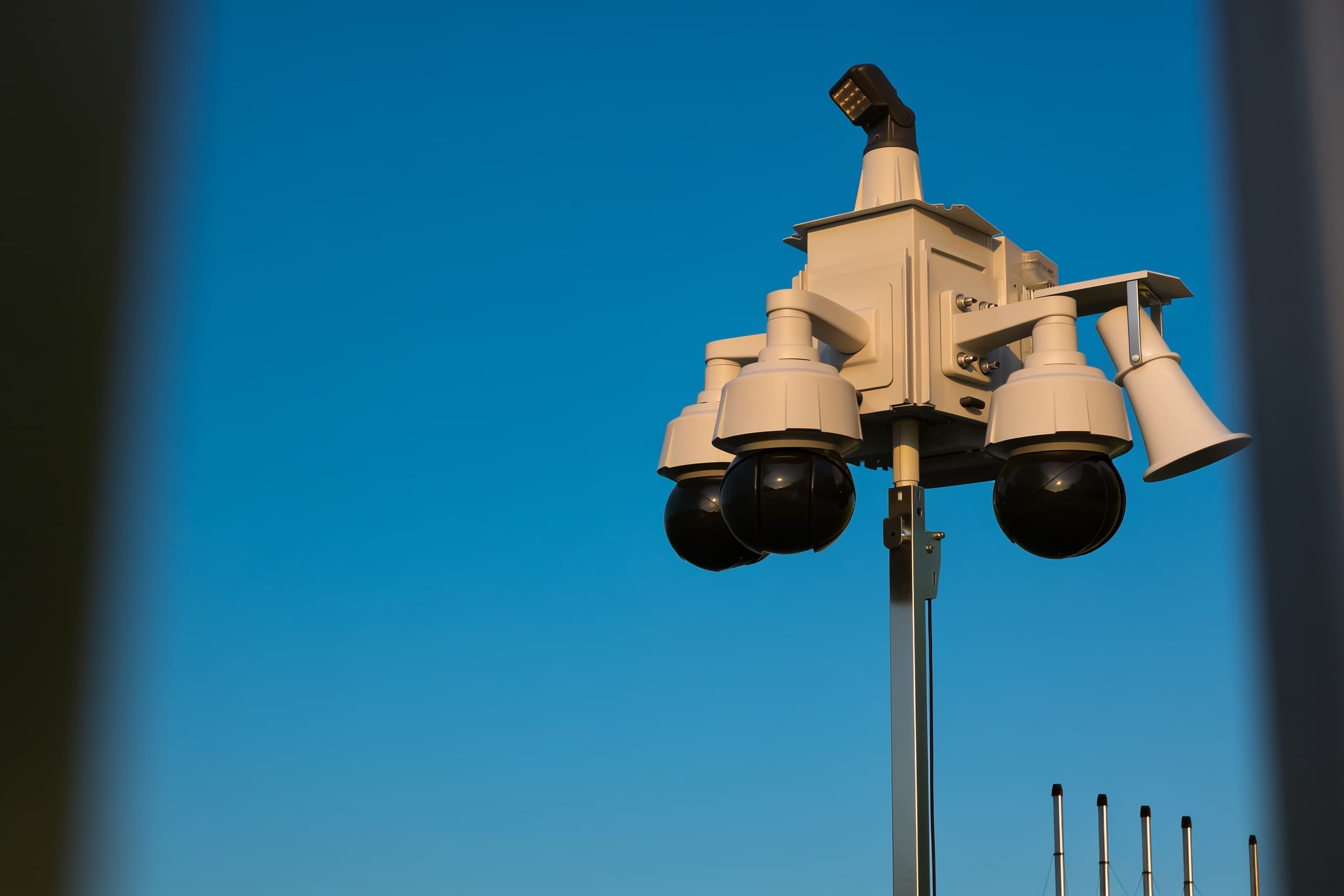
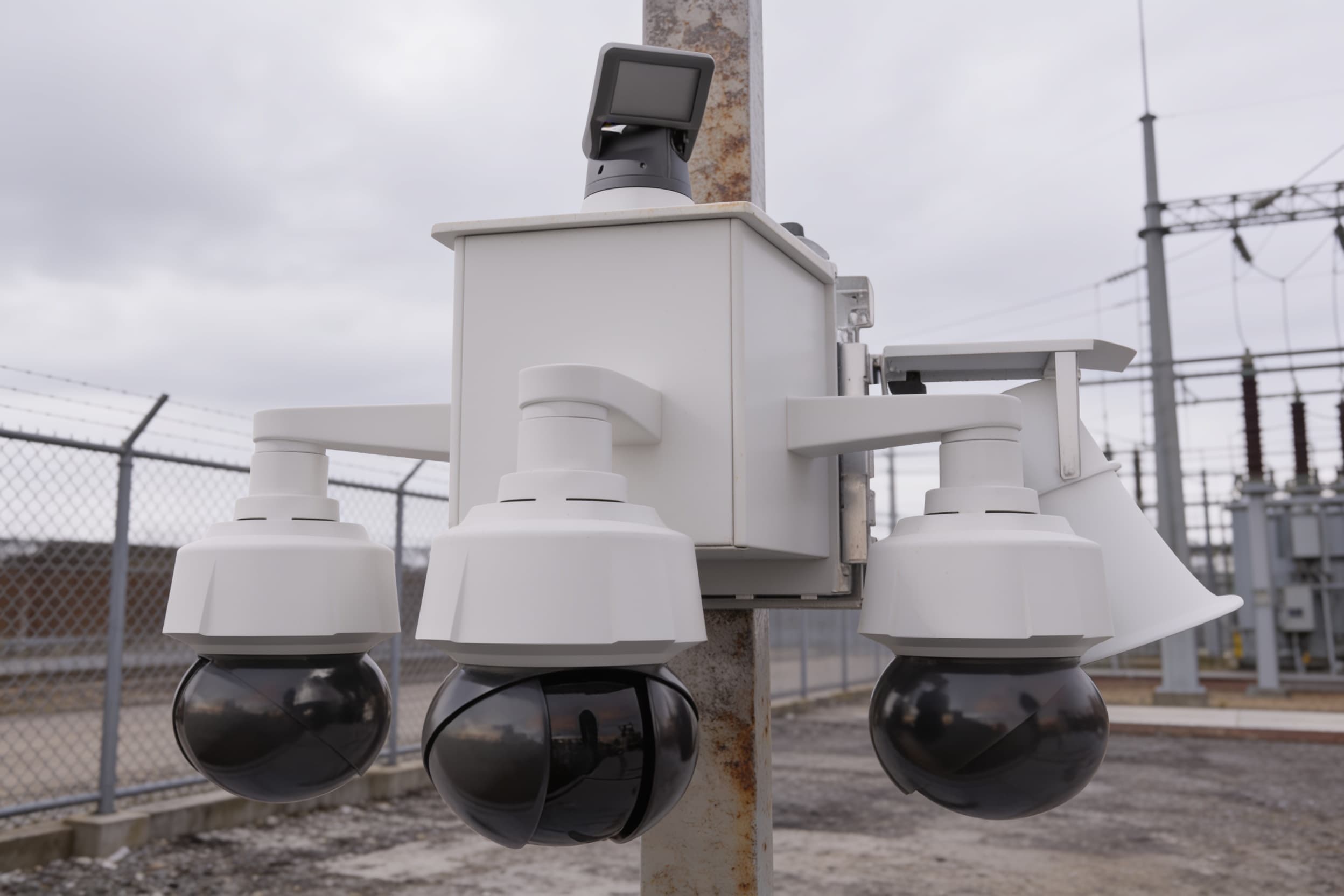
A remote, mostly unmanned array is a target for copper theft and intrusion. Solar-powered camera units and mobile trailers watch gates and the fence line around the clock with no grid tie, and a drone adds an overhead round after hours.

No. 02The shift

A day at your array

A utility-scale array runs remote and mostly unmanned. Here is where the coverage automates.

  1. Stage 01

    Morning scan

    A bad string or a cracked module hides somewhere across hundreds of acres.

    What the robot takes

    A docked drone flies the rows and flags faults and hot spots for the team.

  2. Stage 02

    Thermal pass

    Failing connections and hot spots do not show on a walk.

    What the robot takes

    A thermal payload catches them from the air before they spread.

  3. Stage 03

    Perimeter watch

    Copper theft and intrusion target a remote fence line after dark.

    What the robot takes

    Solar camera units and trailers hold the fence line around the clock.

  4. Stage 04

    Vegetation and access

    Growth creeps into the rows and the access roads between visits.

    What the robot takes

    Scheduled aerial passes surface the creep before it shades a row.

  5. Stage 05

    After hours

    The site sits dark with no one on it.

    What the robot takes

    Cameras hold the perimeter and capture events for response.

Field notes

Cited industry data · no house numbers

$65.8B

Where the security-robot market lands by 2034, growing 16.9% a year.

Fortune Business Insights

$10k+

Average cost of a break-in across theft, vandalism, and property damage at commercial sites. High-value sites routinely see far larger single-incident losses.

Industry data

$60k+

Annual cost of one overnight security guard, fully loaded with wages and benefits. A camera trailer covers more ground than one pair of eyes.

BLS wage data

No. 03The crew

The crew that works here.

Each one rented, deployed, serviced, and backed up by us.

See the lineup
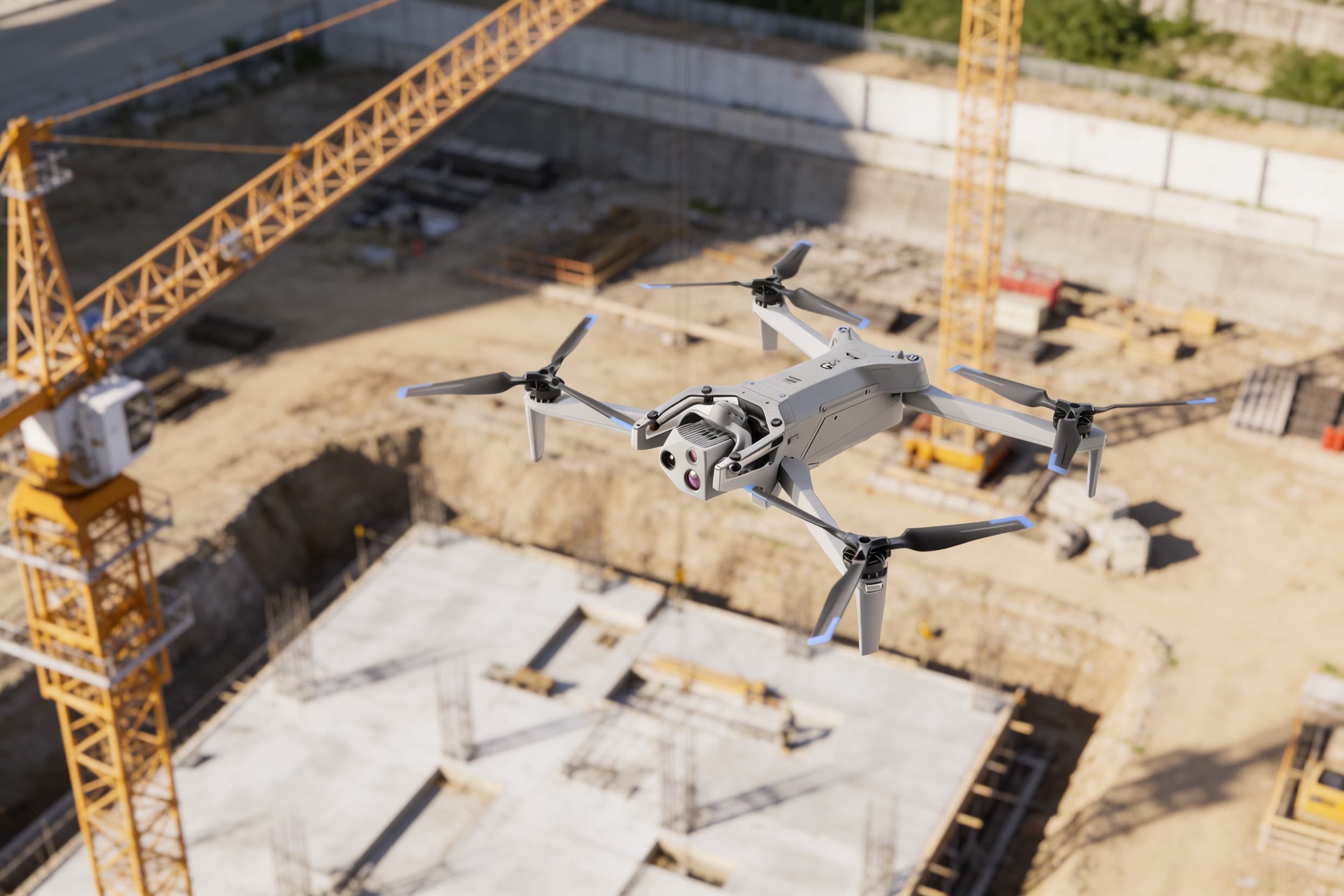
  1. An autonomous drone hovering over a work siteDronesAutonomous drones that patrol, inspect, and respond to alerts on site.
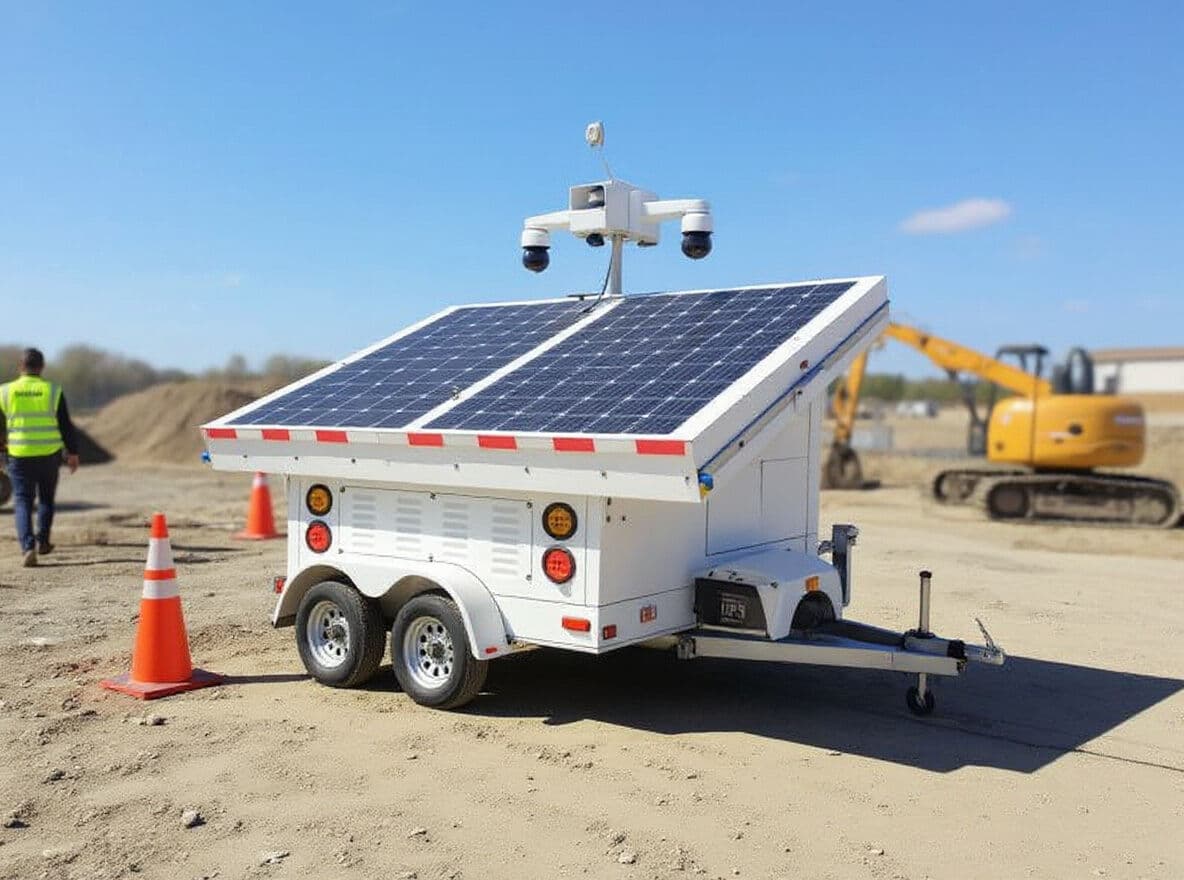
  2. A mobile security camera trailer on siteSecurity & surveillanceCameras, doorbells, access control, mobile surveillance units, and drones. One partner picks, installs, and runs it all.
  3. And moreThe full lineup, from scrubbers to humanoids, every one serviced nationwide.
No. 04The site survey

What decides whether it works.

The things we check on a walkthrough, before anyone talks about robots.

  1. 01
    A drone scanning ground-mount solar rows

    The acreage

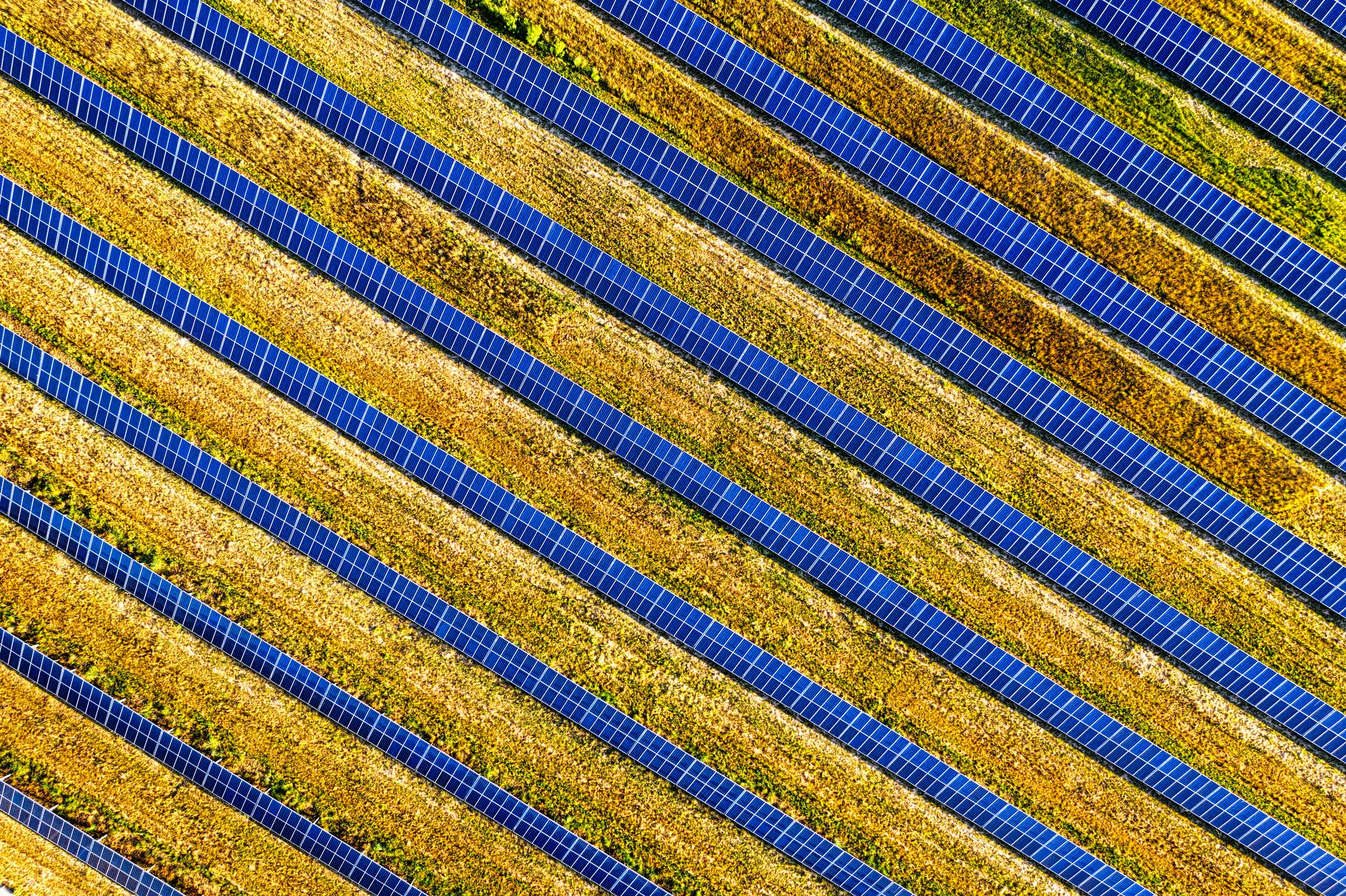
    Hundreds of acres of rows a crew cannot walk in a day. A docked drone covers them in minutes on a set route.

  2. 02
    A thermal camera head along a perimeter fence line at dusk

    The remote fence line

    No grid tie, no one watching. Solar camera units and trailers cover it with their own power and cellular.

  3. 03
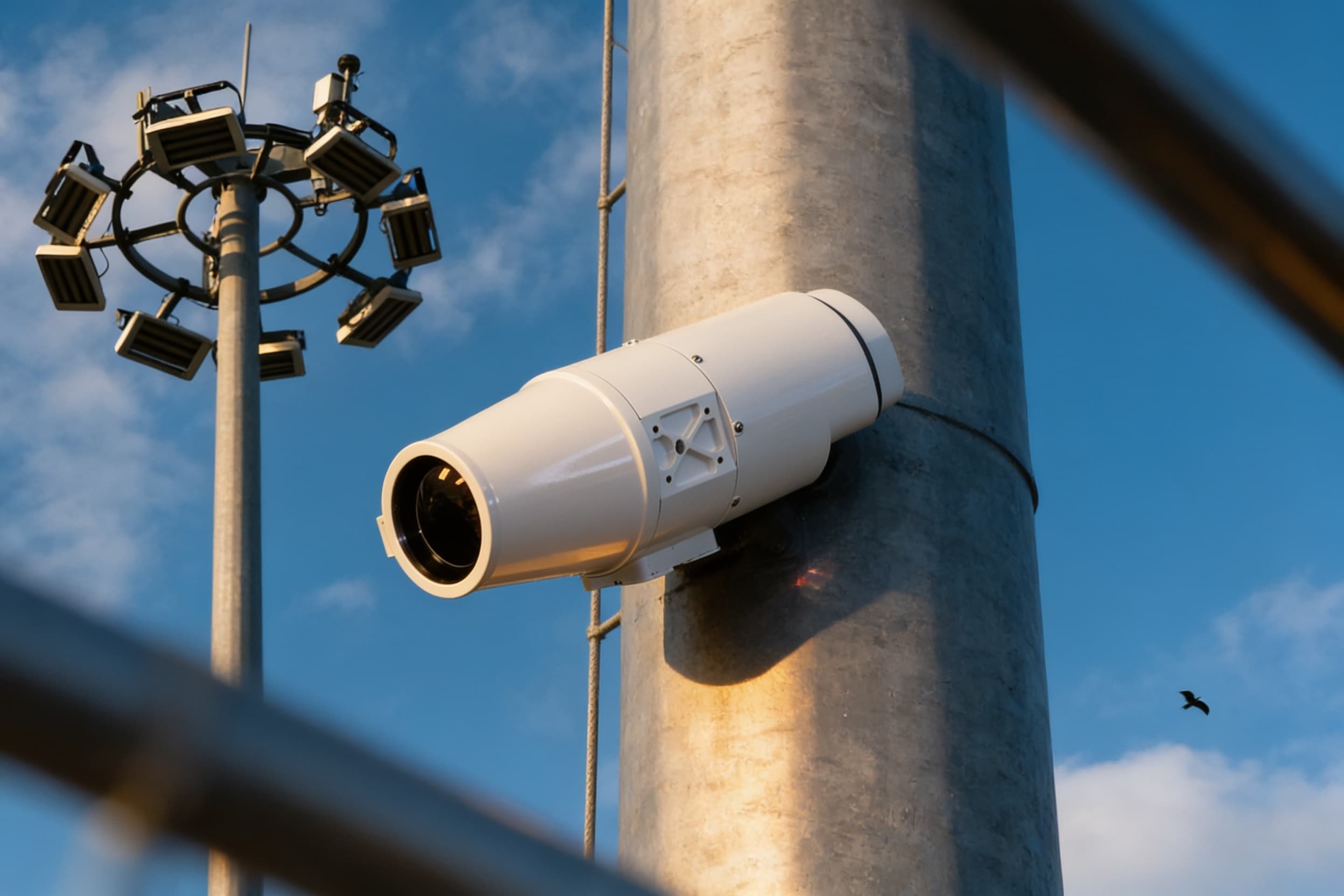
    A mast-mounted thermal camera over a dark site at night

    The thermal signature

    Hot spots and failing connections show in thermal long before a walking round would catch them.

No. 05Up close

A closer look.

The work that eats the week

The repetitive, physical, hard-to-staff ground in solar power plants. This is what a robot takes.

  • A utility-scale array runs across hundreds of acres, and a panel-by-panel walk to find a bad string takes a crew days.
  • The site sits remote and mostly unmanned, so copper theft and intrusion happen where no one is watching.
  • Thermal faults, cracked modules, and vegetation creep are easy to miss on foot and expensive to catch late.
No. 06The cost picture

Rent it, or buy it yourself.

Rent the drone program and the cameras monthly instead of standing up your own flight and monitoring team. We site the dock, design the routes around aviation rules, watch the perimeter, and service every unit nationwide. Scale coverage as the site grows.

Rent from us

One cost. We carry the machine, the service, and the spare.

  • Upfront cost

    One predictable monthly rental.

  • Maintenance

    Included. We service it and carry the parts.

  • When it breaks

    We swap in a backup unit and you keep your schedule.

  • Scaling

    Add units for the busy months, hand them back after.

  • Who owns the risk

    We own the machine, the service, and the downtime.

Buy it yourself

The machine is yours. So is everything after.

  • Upfront cost

    $4-50k per machine, before it does a day of work.

  • Maintenance

    Your team, or a service contract you manage.

  • When it breaks

    You lose the time while it waits on a fix.

  • Scaling

    Idle hardware on the books in the slow season.

  • Who owns the risk

    All of it sits on your side of the ledger.

Ranges are publicly-reported market figures, not quotes. We confirm the real number for your site in a quote.

Want the full math? The robot pricing & RaaS guide has real ranges by robot type and the rent-vs-buy breakdown.

Support & service

Service nationwide.

All 50US states covered
<10 min24/7 tech support
Regionalservice engineers in all 50 states
24/7emergency response
  • 24-hour nationwide on-site dispatch.
  • 10-minute remote triage during business hours.
No. 07On site

Where you'll see it working.

Inspection drone on a scan pass over ground-mount solar rows
Panel scan
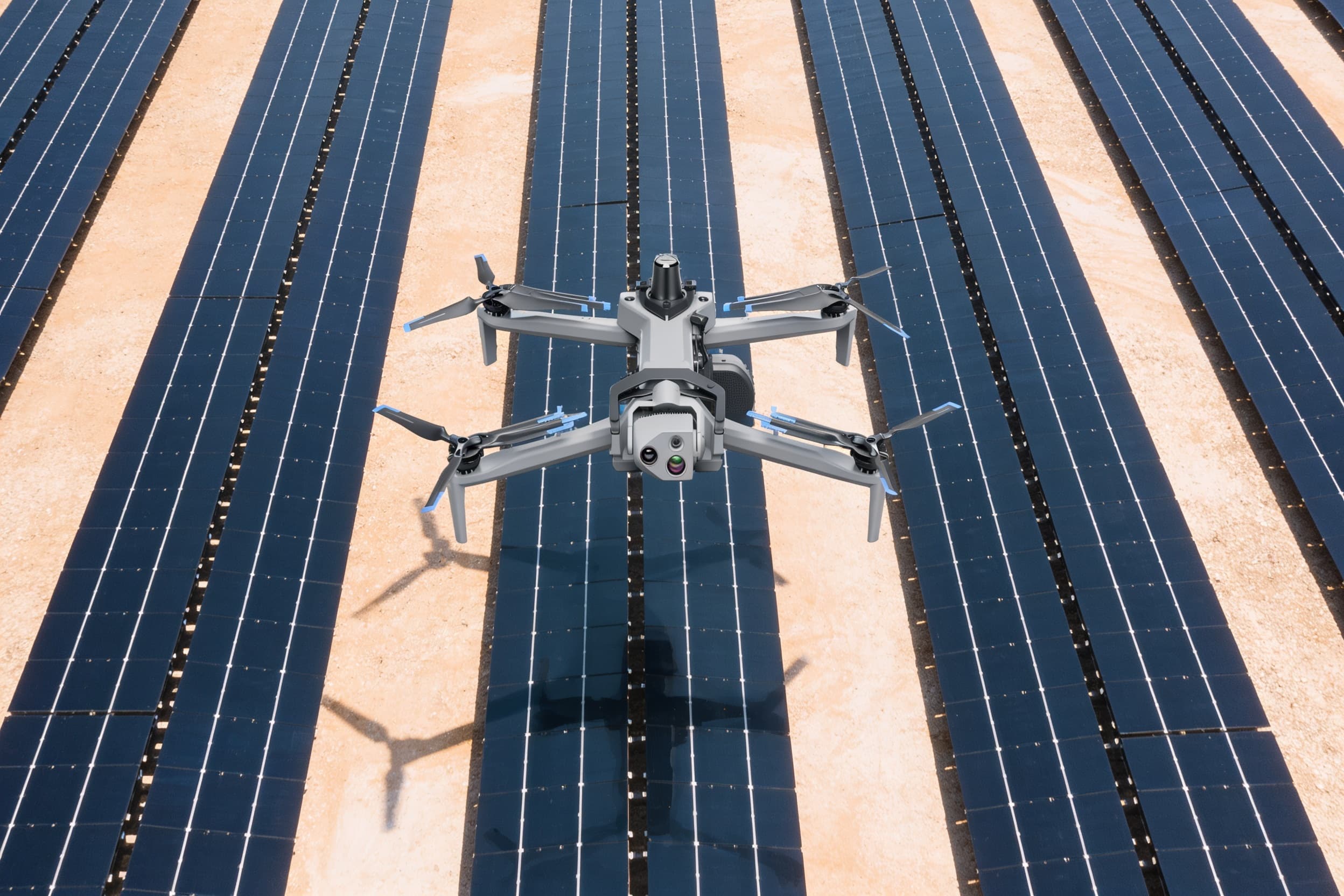
Drone over rows of solar panels
Array pass
Surveillance unit beside a solar-farm access road
Perimeter road
Pole camera at a substation fence line
Substation fence
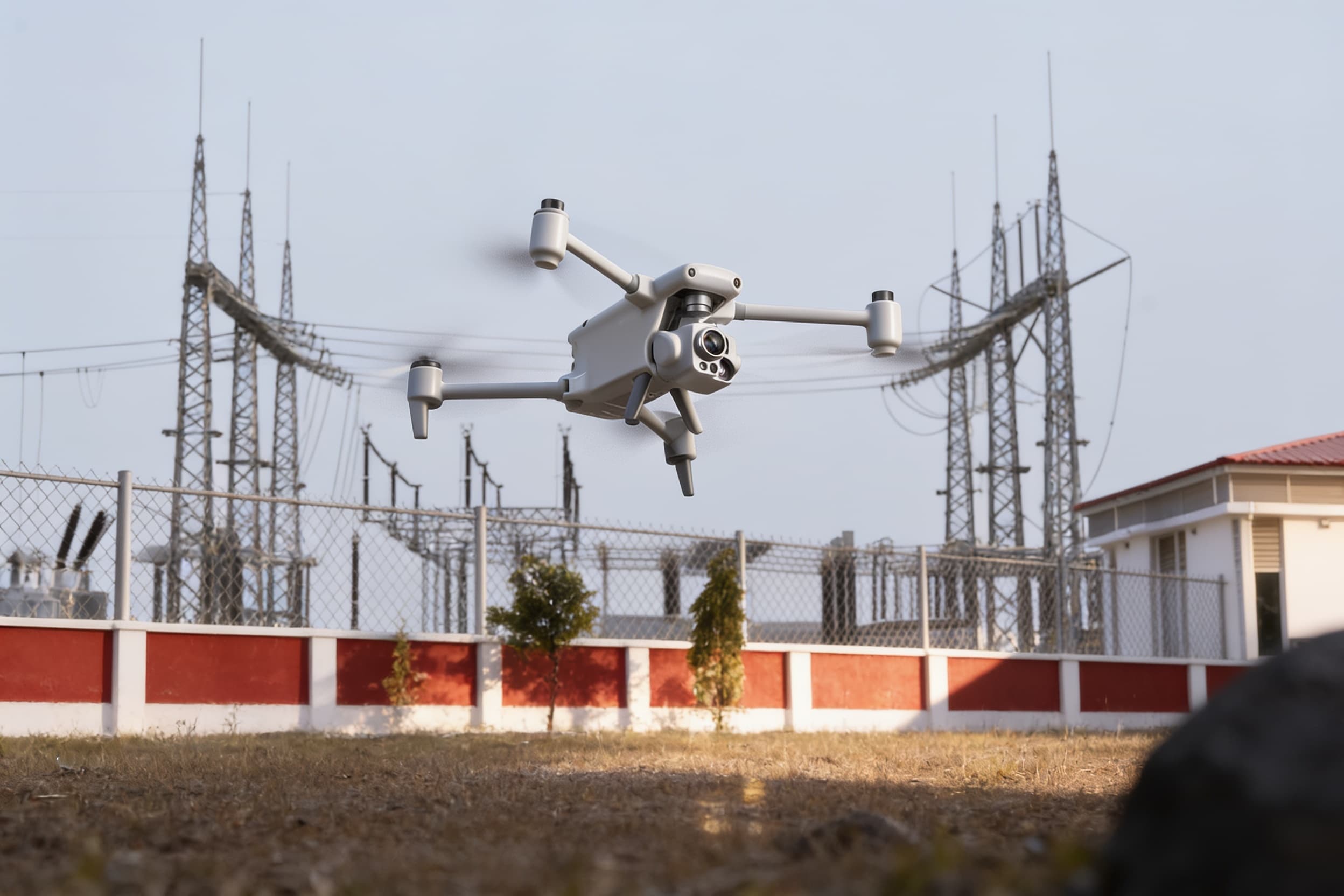
Autonomous inspection drone over substation transformers
Substation scan
Drone flying low over solar panel rows on a thermal scan
Thermal scan
A mobile surveillance trailer at the wind-farm base
Wind-farm edge
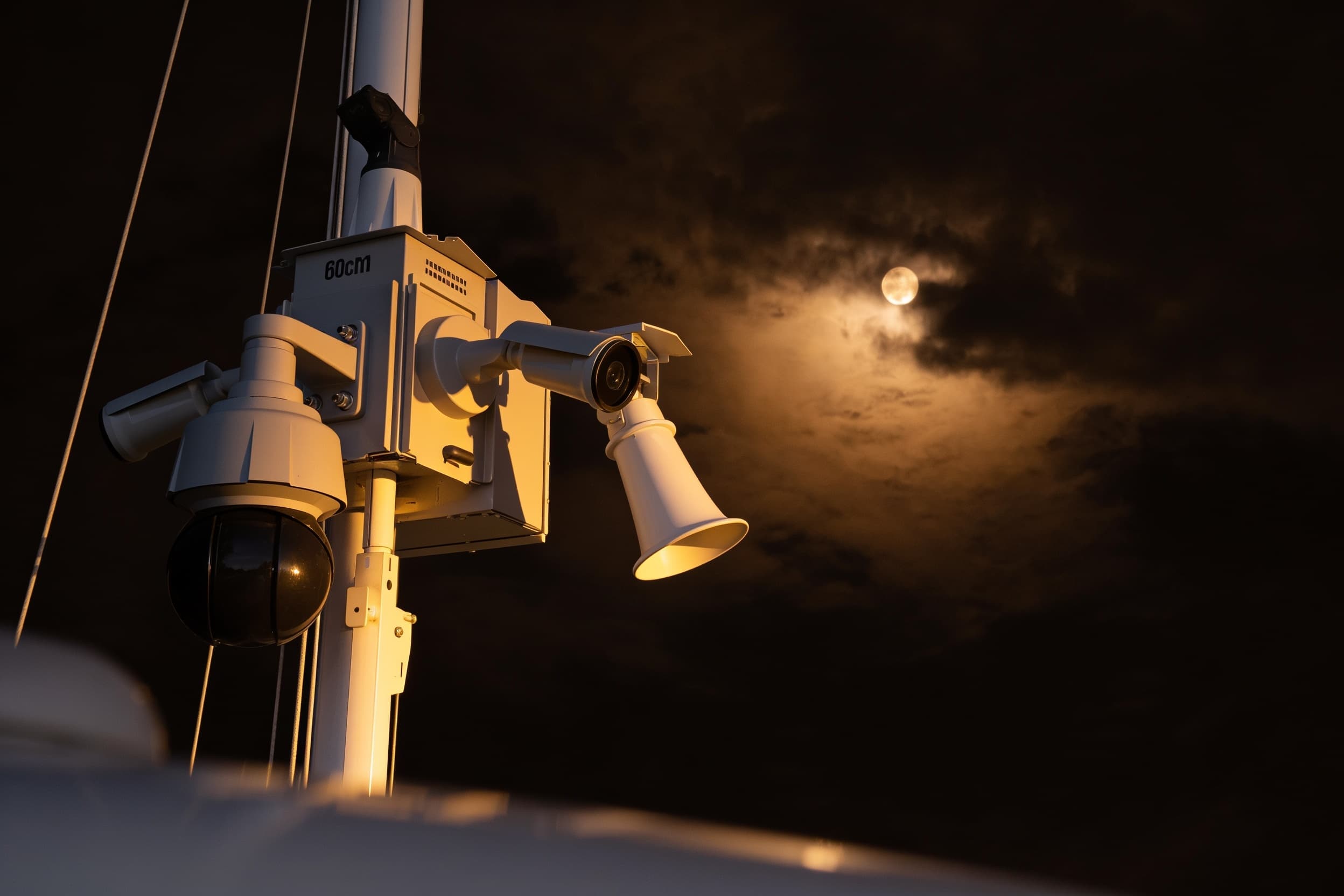
A security camera mounted on the mast against the sky
Perimeter mast
A security camera tight on the head atop the mast against the sky
Mast head
No. 08Proof

Deployments we can point to.

Aerial view of a municipal wastewater treatment plant and its settling basins.Lead case study600,000 LF Pipe inspectedWastewater Inspection Robots Cover 600,000 Feet in 30 DaysSee how a Florida county wastewater utility inspected 600,000 linear feet in 30 days, assessed 75% of its system, and saved $2.5 million through cleaning.Read the case study
  1. 300% Seasonal Demand Handled Without Additional HiringSee how a rural solar mounting manufacturer handled a 300% seasonal demand increase without adding staff by deploying a flexible welding cobot.300% seasonal demand handled
  2. Outlet Center Security Robot Saves 168 Patrol Hours WeeklySee how a large open-air outlet center saved 168 patrol hours weekly and more than $120,000 annually per autonomous security robot in practice.168 hrs patrol hours saved weekly
No. 09From our blog

Reading for the decision you are making.

All articles

Common questions

Yes. A docked drone flies scheduled scan routes over the rows, streams what it sees, and lands to charge. It covers in minutes what a ground crew covers in days, and flags faults and hot spots for your team to act on. We design the program around the current aviation rules for your site.

Get a robot on site for solar power plants.

Tell us the job and the site. We will recommend the robot, quote the rental, and keep it running.

Find the robot that fits your site.

Free site assessment. We tell you what actually works before you spend a dollar.