Key takeaways
- Inspection robots help first on the longest, hottest, most repetitive field walks.
- The best early use cases are panel inspection, site mapping, thermal anomaly detection, and repeatable patrols after storms or construction work.
- Verified field data matters more than flashy autonomy claims. Operators need defect images, map layers, and maintenance tickets their teams can act on.
- Solar sites are expanding fast, and the labor, heat, and terrain problem scales with them.
- For U.S. operators, the practical buying question is rarely robot or no robot. It is pilot, finance, integrate, and service the right system without adding vendor sprawl.
Where do inspection robots actually help on big solar sites?
They help where utility-scale solar is hardest on people and least efficient to do by foot. On large sites, crews spend hours covering rows, checking for visible damage, loose hardware, cable issues, and thermal trouble that may only show up once conditions are right. A robot does not replace electricians or technicians. It takes over the miles, the repetition, and the data capture.
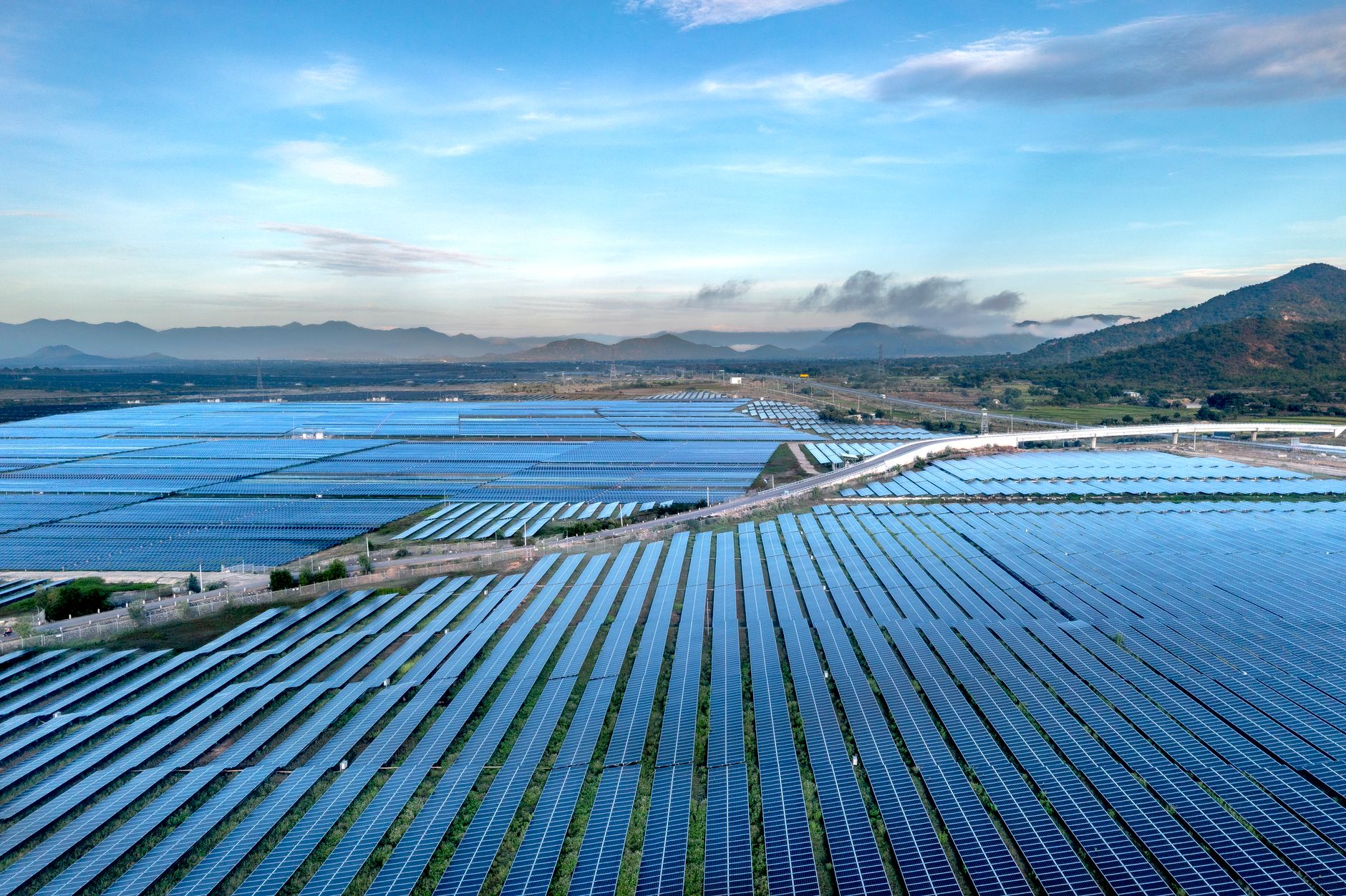
That matters more in 2026 because utility-scale solar is no longer a niche slice of generation. According to the U.S. Energy Information Administration, utility-scale solar generation reached 296,000 gigawatt-hours in 2025, up 34 percent from 2024, and solar is expected to remain the fastest-growing source of U.S. power generation through 2027. More sites in service means more acres to inspect, more components to monitor, and more routine fieldwork that does not use skilled labor well.
The near-term fit is straightforward. Inspection robots are most useful when a site needs repeatable panel checks, thermal scans, map updates, and safer coverage across heat, dust, and uneven ground. They are less about futuristic labor replacement and more about making field inspection faster, more consistent, and easier to act on.
- Autonomous or supervised row-by-row patrols for routine inspection
- Thermal and visual checks that flag hotspots, damaged modules, and dirty or obstructed panels
- Map refreshes after storms, construction activity, wash cycles, or vegetation changes
- Safer repetitive walks in high heat and across rough terrain
Why is this use case getting attention now?
A recent research milestone put the point in sharp focus. On March 25, 2026, CSIRO reported a successful trial that repurposed autonomous robots, first built for mining, for large-scale solar farm maintenance and inspection. The agency said the robots were aimed at reducing risk and cost for human crews working across baked, uneven ground at utility-scale sites.
CSIRO described a system that autonomously navigates site terrain, builds precise maps, avoids hazards, and uses LiDAR, RGB cameras, and thermal infrared cameras to identify faults. The reported defect list is exactly the kind of work that burdens solar crews today: dust build-up, bird droppings, insect nests, physical damage, loose nuts or bolts, hotspots in panels or electrical connectors, and wiring that needs repair.
That is why this story resonates beyond Australia. The underlying operating problem is familiar in the United States too. As projects get larger and more geographically spread out, the inspection burden rises faster than most operators want to add headcount. Robots are getting attention because the job is real, repetitive, and increasingly measurable.
How big is the distance problem on utility-scale solar farms?
Utility-scale sites are physically sprawling by design. The U.S. Department of Energy says large-scale solar generally means projects above 1 megawatt, and its siting research notes that ground-mounted solar could require about 5.7 million acres in the United States by 2035. Separate federal testimony has estimated that a typical 250 to 400 megawatt project can use about 3,000 acres.
Those numbers are not just permitting trivia. They explain why inspection economics are different on solar than in a compact industrial plant. A crew can be highly skilled and still lose most of a shift to travel time, heat management, and simple visual coverage. Once the site stretches into thousands of acres, every extra manual walk becomes expensive twice over. First in labor hours, then in delayed fault detection.
That is where a good inspection robot earns its keep. It turns geography into data collection instead of dead time. The robot can patrol the same route on schedule, return with geotagged findings, and let technicians go straight to the few panels, connectors, or structural points that actually need hands-on work.
What should a solar inspection robot look for first?
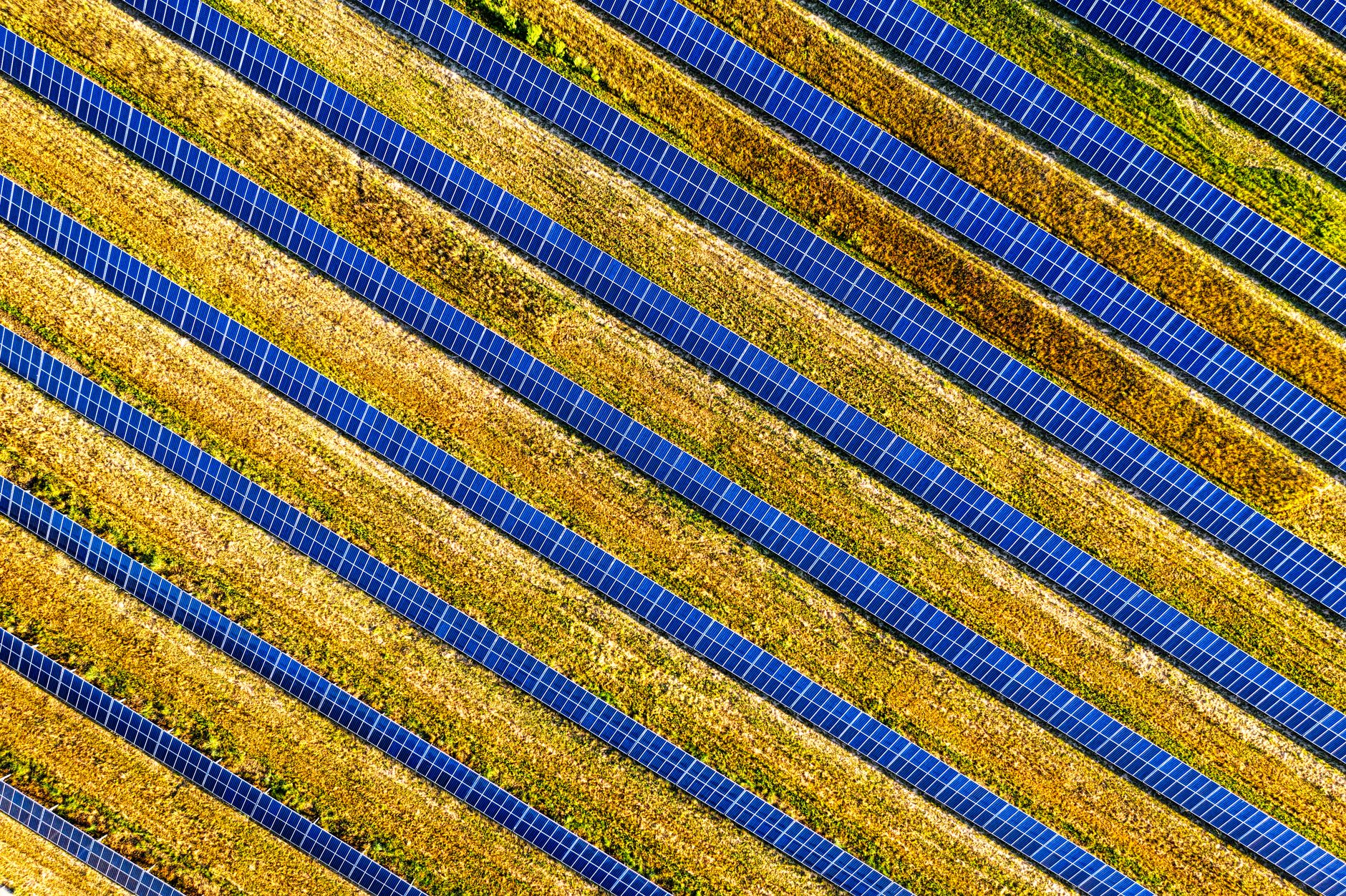
The first wins are not exotic. They are the defect types that repeatedly steal output or create follow-up work. CSIRO's field report is useful here because it lines up with everyday solar maintenance: soiling, bird fouling, nests, mechanical looseness, damaged panels, wiring issues, and thermal hotspots.
Some of those defects matter because they are common, and some matter because they are high consequence. According to NREL's analysis of 100,000 solar systems, reported module failures were relatively rare at 0.2 percent, but inverters reportedly failed most often at 4 percent to 6 percent, and installation quality problems involving connectors, wiring, breakers, and fuses affected performance and safety. NREL also found that early detection and proactive response reduced impact compared with reactive repairs.
In practical terms, that means the best robot program does not chase every possible anomaly on day one. It starts by finding the problems a field team can verify and clear quickly. Loose hardware. Dirty or obstructed modules. Thermal irregularities that justify electrical follow-up. Damaged cabling or visible structural issues. If the workflow from alert to work order is clean, adoption tends to stick.
- Visible panel damage and broken glass
- Hotspots and connector heating visible in thermal imagery
- Soiling patterns that justify cleaning or closer review
- Wiring exposure, loose hardware, and racking issues
- Blocked rows, washout, or access hazards that slow field crews
Why do heat and terrain make robots more than a nice-to-have?
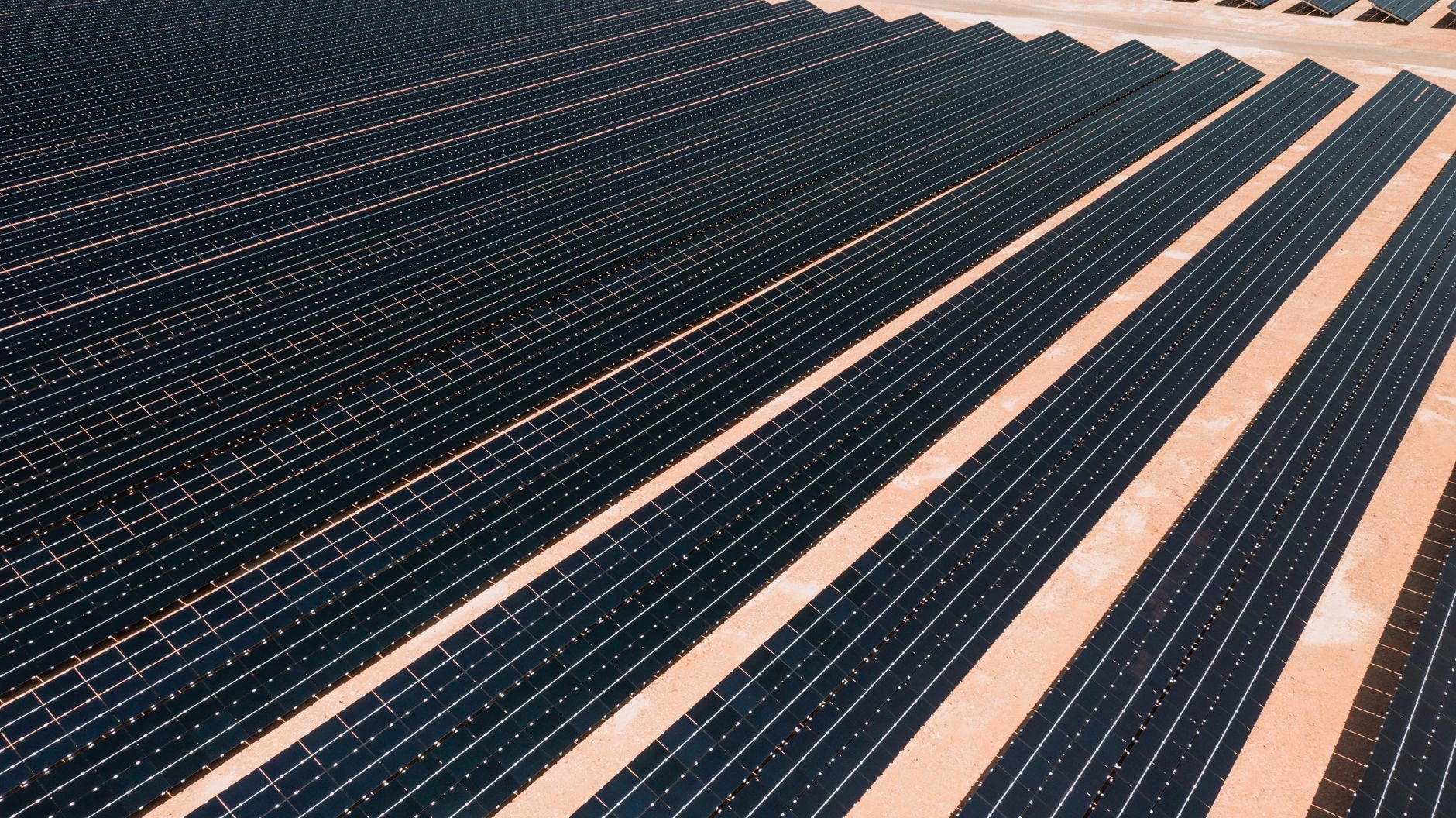
Solar field work happens in the kind of conditions that punish repetitive walking. OSHA's solar heat-stress guidance notes that solar energy workers often work in very hot weather where dehydration, heat exhaustion, heat stroke, and death are real hazards. OSHA also updated its National Emphasis Program on outdoor and indoor heat-related hazards on April 10, 2026, putting sharper attention on workplaces where heat risk is high.
That does not mean every site needs full autonomy tomorrow. It does mean there is a sound safety case for shifting low-judgment, high-exposure inspection miles away from people. If a robot can take the first pass across rough ground in summer conditions, human crews can spend more of their day in targeted diagnostics and repair instead of blanket walking.
Uneven terrain matters just as much as temperature. Mud, washouts, vegetation, loose rock, and unfinished surfaces after construction all change the inspection burden. A robot that maps access conditions while it inspects panels gives operators two useful outputs at once: asset findings and a current field picture of where crews can work safely and efficiently.
Can robots really improve anomaly detection and mapping?
Yes, but only if the robot collects field-grade data and not just pretty video. CSIRO's March 2026 trial emphasized precise mapping, hazard avoidance, and a sensor stack that combined LiDAR, visible imagery, and thermal infrared. That mix matters because solar inspection is rarely one-sensor work. A thermal flag without location precision is annoying. A map without defect classification is just a map.
The U.S. Department of Energy has also backed projects focused on automating fault detection and diagnosis in utility-scale PV plants, including machine-learning work meant to distinguish real maintenance issues from false alarms. That distinction is critical on large sites. If operators drown in noisy alerts, the robot becomes one more screen to ignore.
The grounded goal is not autonomous perfection. It is better triage. Map the route, detect probable anomalies, tag them to row and position, and hand the maintenance team a short list worth rolling a truck for. When that loop works, a robot stops being a gadget and starts acting like field infrastructure.
Where should operators and EPCs start a pilot?
Start where inspection is repetitive, measurable, and uncomfortable. A pilot on a giant site is usually stronger in one representative block than across the whole asset. Pick a section with known soiling patterns, some terrain variability, and enough maintenance history to compare robot findings against existing manual routines.
The right success metrics are operational, not theatrical. How many rows did the robot cover per shift. How many verified faults did it find. How quickly did the team move from alert to maintenance action. Did it cut unproductive walking time. Did it improve documentation after storms, construction punch lists, or cleaning events.
For EPCs, there is a second reason to pilot early. Mapping and inspection during late construction and handover can catch site-condition issues before they turn into warranty disputes or avoidable service calls. A pilot that proves repeatable site assessment mapping and clean defect reporting often makes a stronger internal case than a broad autonomy pitch.
- Choose one repeatable patrol zone, not the entire site
- Compare robot findings with manual inspection records
- Track verified defects, not raw alerts
- Measure technician time saved on field walks and rechecks
- Include post-storm or post-construction runs if possible
What does a workable deployment model look like in the United States?
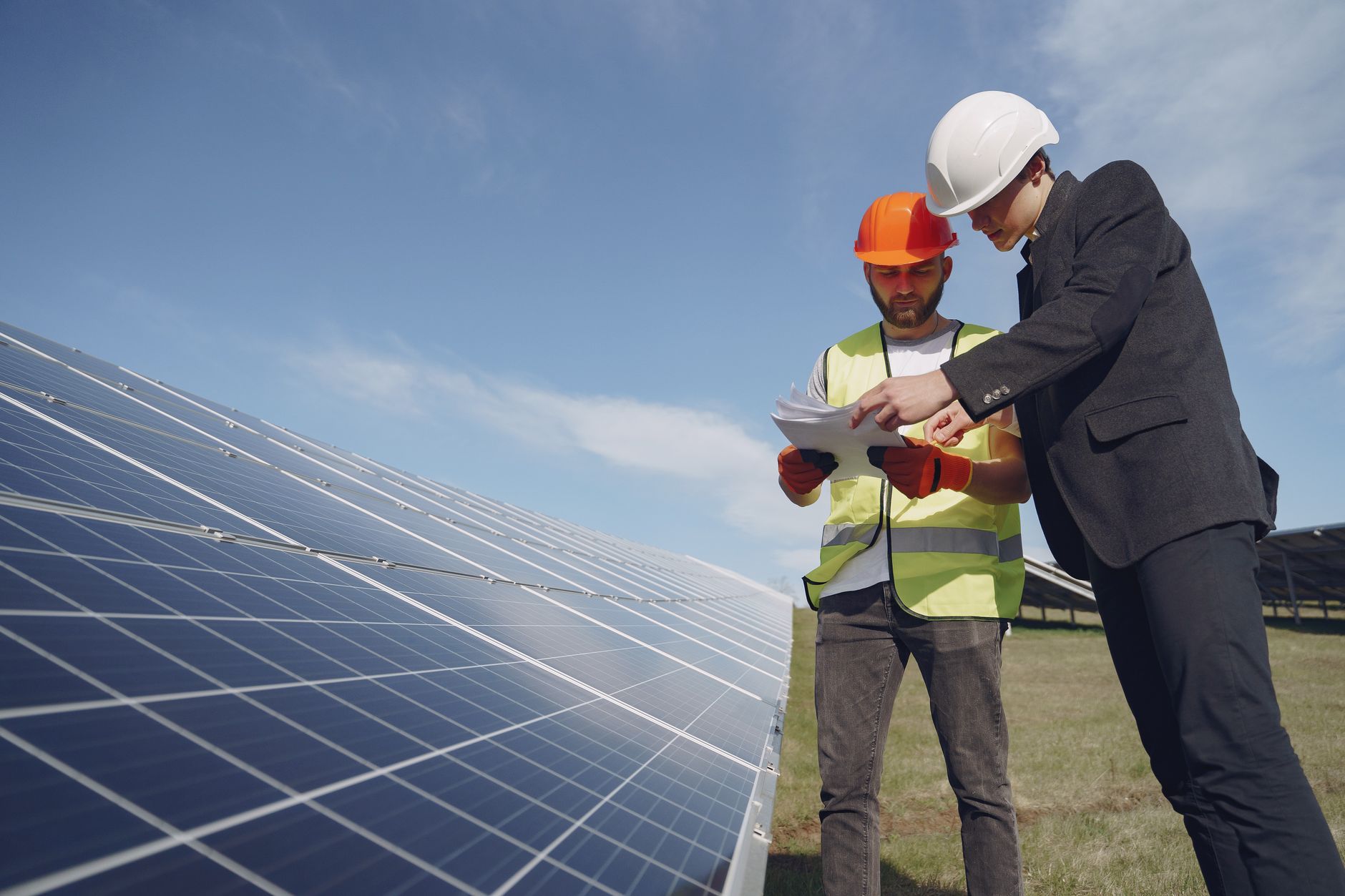
Most operators do not want a science project. They want inspection coverage without taking on yet another vendor relationship, support burden, and financing debate. That is why the deployment model matters almost as much as the machine. An inspection robot rental, a robot as a service program, or robot leasing for business can make sense when the goal is to test coverage and maintenance workflow before a larger fleet decision.
For Service Robot Co., this is where the company fits naturally. Service Robot Co. is a full-service commercial robot integrator for U.S. businesses. It is OEM-neutral, which matters in solar because site conditions vary too much for a one-brand answer. The company can help operators and EPCs choose the right inspection robot, finance it through monthly payment programs when that fits, handle robot deployment and integration, train site teams, and support the fleet through a nationwide U.S. engineer network.
That structure is useful on solar because lifecycle support is the real hurdle. A pilot only counts if the machine stays working, the data lands where the team can use it, and someone owns service. One partner, one number, and maintenance included are not marketing flourishes here. They are the difference between a pilot that scales and one that stalls.
What should buyers be skeptical about?
Be skeptical of any claim that a robot will replace skilled solar technicians. It will not. The job of a strong system is to reduce the miles, improve the evidence, and concentrate human labor on confirmation and repair. Buyers should also be skeptical of demos that skip data workflow. If findings do not become usable tickets, maps, or inspection records, the hardware value will fade fast.
Treat defect taxonomy, route repeatability, battery management, dust tolerance, and service response as first-order questions. So should autonomy limits. A machine may work well on one terrain profile and struggle on another. That is normal. The point of a commercial robot demo or pilot is to surface those boundaries early, not hide them.
This is another place an experienced vendor neutral robot integrator matters. Service Robot Co. can structure a try before you buy path, compare lease rental or sale options, and keep the focus on site fit, uptime, and serviceability rather than spec-sheet theater. On a large outdoor asset, boring reliability wins.
What changes over the next two years?
The direction is clear even if the market stays messy. Utility-scale solar keeps growing, and inspection burden grows with it. According to EIA, developers planned 32.5 gigawatts of new utility-scale solar additions in 2025, after a record 30 gigawatts were added in 2024. More capacity means more rows, more connectors, more maintenance routes, and more demand for field data that arrives before output losses pile up.
At the same time, the operating case for robots is getting less abstract. CSIRO's March 25, 2026 report did not present robotics as a novelty. It framed autonomous inspection around risk reduction, cost control, mapping, and earlier detection of defects that affect generation. That is the right frame for U.S. solar as well.
The first widespread winners are likely to be the systems that do a few things consistently well: cover ground, collect useful imagery, surface actionable anomalies, and fit a service model operators can live with. In other words, not the loudest robots. The ones that make a 3,000-acre site feel smaller to the people responsible for keeping it productive.
Frequently asked questions
Sources
- CSIRO March 25, 2026 solar robot trial
- EIA: Wind and solar generated 17% of U.S. electricity in 2025
- EIA: Solar power generation drives growth through 2027
- EIA: Solar and storage to lead 2025 capacity additions
- DOE: Large-scale solar siting research
- NREL: Rain not enough to wash pollen from solar panels
- NREL: PV field reliability analysis of 100,000 systems
- OSHA: Heat exposure overview and 2026 program update
Service Robot Co. is not affiliated with, sponsored by, or endorsed by the companies mentioned in this article.