Key takeaways
- The six-fairway figure comes from one vendor report, by FireFly Robotics, and is vendor-reported.
- One tournament week shows the machines can cut; it does not show daily reliability.
- Ask for fairways attempted versus completed, stop events, recovery time and any manual work.
- The Black Desert acreage figures differ (60 acres in one summary, 51 acres in Sportskeeda), so check what each number measures.
- Test a fleet on your own course with your own timecards before you commit to a lease.
What did the Utah report actually say?
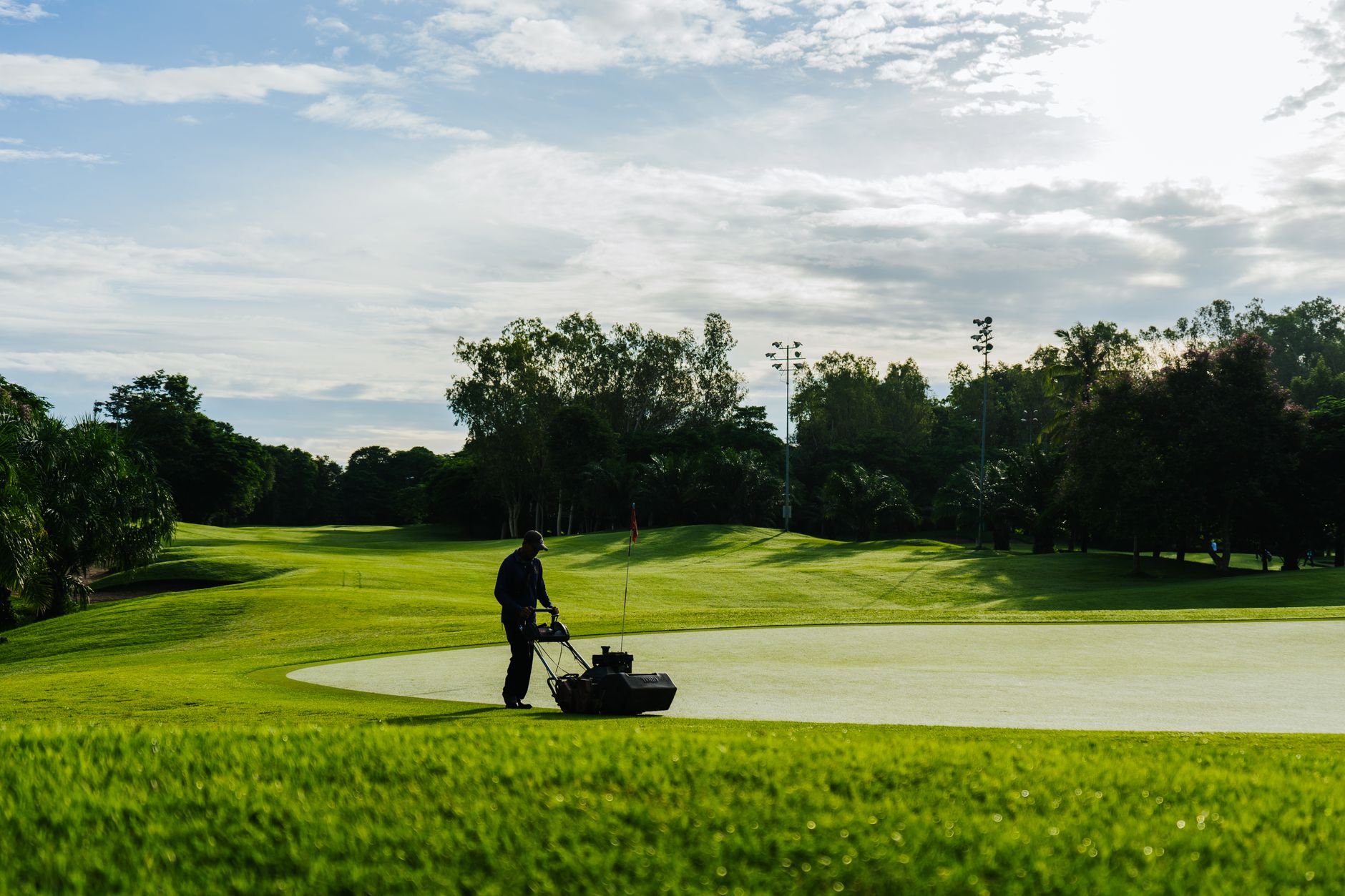
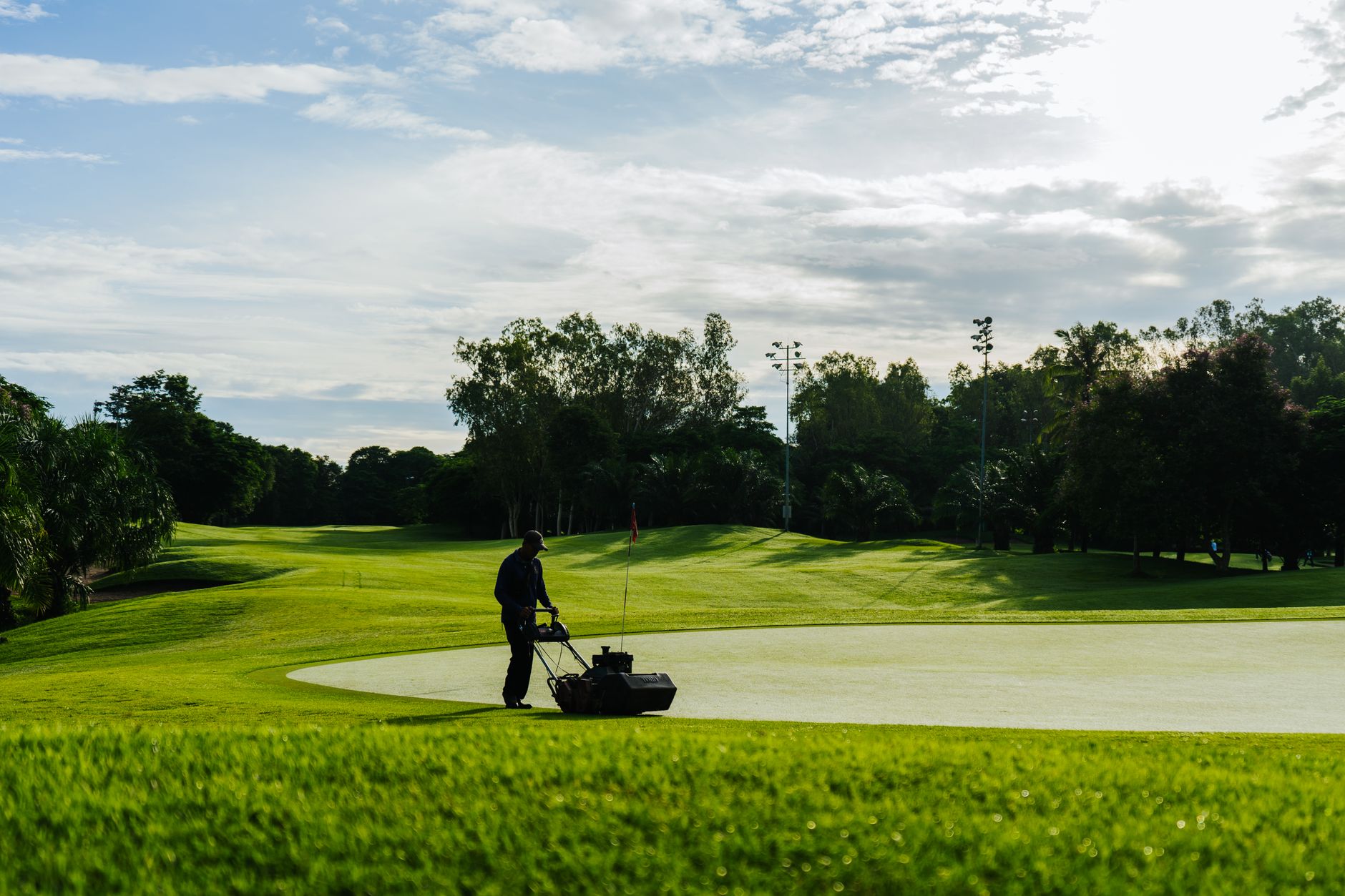
On July 31, 2026, a report said robotic mowers had maintained six fairways during tournament week at the 35th anniversary of the Utah Championship. According to a summary of the report on The Golf Wire, the event is a Korn Ferry Tour stop held at Ogden Golf and Country Club. The figure is vendor-reported, and that matters before anyone repeats it.
The report came from FireFly Robotics, a Salt Lake City company, and the machines were its Autonomous Mowing Platform, or AMP. The mowers can drive themselves between fairways. One search summary also says a volunteer carried a mower from hole to hole because of tournament ropes and stakes, but that detail is not confirmed on the page and should be checked in the full release.
Six fairways in one week is a real result, and it deserves a fair reading. It answers a narrow question: did the machines cut those holes during that event. It does not answer whether they will hold the same standard on an ordinary Tuesday in August.
Why six fairways in one week is a start, not proof
A single event is a short, staffed and closely watched window. Officials, sponsors and a full crew pay attention to every hole, and the course is prepared for a professional field. Those conditions are not the ones a superintendent lives with every day.
The summaries we reviewed contain no fairway-by-fairway results, no cut-quality measures, no uptime figures and no problem logs. Any of those would have to come from the full release. Without them, six fairways is a headline count, not a performance record.
Brand-published results carry the same limit. A Husqvarna page says its mowers cut all 18 fairways at the AIG Women's Open, a strong claim, but it is also the manufacturer describing its own machines. Read both kinds of report with the same questions.

What can a tournament week hide?
Tournament weeks are staffed for the event. Extra volunteers, marshals and maintenance crew can move equipment, clear obstacles and watch for trouble that a normal week would leave to one person. That support does not appear in the fairway count.
Daily performance depends on ordinary problems: wet morning turf, cart traffic on cart paths, slopes near water, charging between runs, and a fault at 6 a.m. with no technician on site. A mower that works in a planned week can still stall on a Monday with a short crew.
Calendar matters too. A championship week is set in advance, so the mowing window and the hole schedule are known. A course with rain delays, overseeding or event bookings rarely gets that kind of predictability.
Which figures should a superintendent ask for?
Before counting six fairways as proof, ask the vendor for the following, and ask where each number comes from.
- Fairways attempted versus fairways completed, by day, with the reason for any miss.
- Mowing hours per day and the window the machines ran in.
- Number of units in the fleet and how many ran at the same time.
- Stop events, the cause of each, and the time to recover.
- Any hole or section cut by hand, and who did the work.
- Cut height and quality checks, with who measured them and how often.
- Days of mapping and training completed before the event week began.
Black Desert's acreage claims, read side by side
As of November 2026, the published coverage we found on Black Desert's PGA Tour debut gives a second data point. A FireFly Automatix release says Black Desert Resort selected the company to autonomously maintain its course. Golf Business News describes the debut as a first for a PGA Tour course using automated fairway mowers.
The scale is where the numbers split. A search summary of The Golf Wire reports a fleet of four AMPs deployed for four weeks before and during the Black Desert Championship in Ivins, Utah, to maintain all 60 acres of fairways. Sportskeeda reports that self-driven mowers cut 51 acres during the tournament.
Those figures are not the same measure. Sixty acres under maintenance and 51 acres cut during the tournament may describe different things, and neither is a daily cut log. Attribute each number to its own source, and ask any vendor which measure it uses before comparing courses.
How do other brands' championship claims compare?
Husqvarna has its own championship record. The Husqvarna page cited here says its mowers cut all 18 fairways at the AIG Women's Open. Turf Magazine reports that Husqvarna robotic mowers supported turf management at the 2026 U.S. Senior Women's Open.
Those are different events with different setups, and the material reviewed here does not include a daily record for either one. The fair comparison is measure against measure: fairways attempted, hours, stops and manual work, for each event, from each source. Ranking brands on headline counts tells a superintendent very little.
How do you test the claim on your own course?
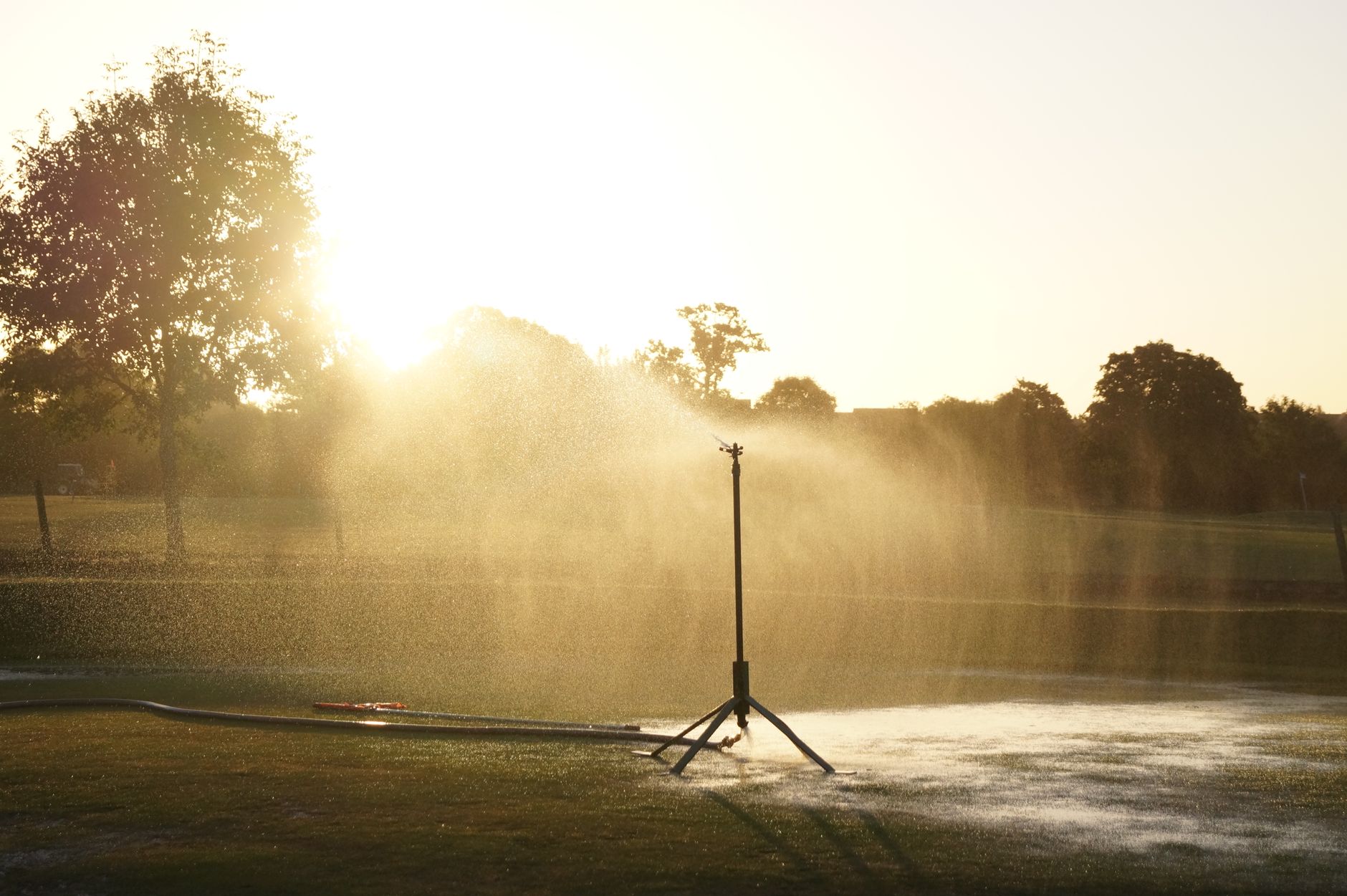
Treat a championship result as a reason to run a trial, not as the trial itself. Start with a small zone, such as three holes or one set of fairways, and run it for several weeks in ordinary conditions. Keep your own log beside the vendor's log.
Compare the machine's record with your crew's mowing hours from timecards for the same holes. If the mowers free hours for greens and bunkers, the timecards will show it. If they do not, the vendor's fairway count will not change that.
Where does a lease quote fit into the decision?

Service Robot Co. is an OEM-neutral integrator. We select robots across manufacturers, then lease them through financing, deploy, integrate, train and service each unit under RoboCare, our service plan, backed by regional service engineers in every state we service. That lets the comparison above be made on the same measures for any brand we recommend.
Our offer is a 3-year lease with one fixed payment, quoted after a site assessment. For a course or grounds operator, the assessment is where mapping, slopes, water edges, cart paths and charging spots get checked before any number is set. A robot lease quote is only as sound as the site data behind it, which is why the assessment comes first.
Frequently asked questions
Want a robot working for you?
Tell us the job and the site. We will recommend the robot, quote the lease, and keep it serviced.
Sources
- The Golf Wire: FireFly Robotics Utah Championship 35th anniversary report
- The Golf Wire: FireFly Automatix and Black Desert Resort
- Access Newswire: FireFly Automatix selected by Black Desert Resort
- Golf Business News: first course to use automated fairway mowers debuts on PGA Tour
- Sportskeeda: Black Desert Resort deploys self-driven mowers to mow 51 acres
- Husqvarna: how robots and greenkeepers ushered in a new era at the AIG Women's Open
- Turf Magazine: Husqvarna robotic mowers support turf management at the 2026 U.S. Senior Women's Open
Service Robot Co. is not affiliated with, sponsored by, or endorsed by the companies mentioned in this article.