
Material handling robots · guide
Move material without adding people.
Autonomous forklifts, tuggers, pallet movers, and goods-to-person systems - what each one moves, the zero-infrastructure options, and how to pick.
- All 50
- US states served
- 10 min
- 24/7 triage
- 24/7
- emergency response
Who this is for
Built for operators without an in-house robotics team.
Mid-market 3PLs (1–10 sites)
The robotics team you don’t have to hire - we pick, deploy, and service it.
Warehouses
Not Amazon-scale operations that go through the big system integrators - the floors they skip.
What it is
Material-handling robots move, lift, and stage loads across a facility: autonomous forklifts (~4,000-lb class) lift and stack pallets; autonomous tuggers (~3,000-lb, zero infrastructure change) tow carts; pallet movers and goods-to-person systems cut walking and lifting. Service Robot Co. picks the right one, leases it to you, deploys it, and services it nationwide.
Specs on this page are publicly reported, not guarantees. We confirm the right unit and the lease payment for your site in an assessment.
See it running on your floor.
We scope the work on a site assessment and prove the system on your operation before you commit.
Inside the operation
The material flow, dock to dock.
Every load in the building moves through the same five stages. Here is what automates at each one.
- 1
Inbound
Pallets and loads land on the receiving floor.
AutomatesAutonomous forklifts lift and stage what arrives.
- 2
Transport
Loads cross the facility all shift.
AutomatesAMR pallet movers shuttle point to point, no fixed path.
- 3
Staging
Material waits, sorted, near where it is needed next.
AutomatesGoods-to-person systems bring shelves and totes to a stationary picker.
- 4
Line feed
Carts run repeating loops to the line.
AutomatesTuggers tow cart trains on learned routes, zero infrastructure change.
- 5
Outbound
Finished loads head for the dock.
AutomatesForklifts and movers stack and stage for shipping.
Field notes
4.6M
Projected US supply-chain worker shortfall by 2030.
US BLS projection, via LogisticsIQ
$10B
The AMR market crosses ten billion dollars by 2030, about half a million robots shipping a year.
LogisticsIQ, 2024
15.6%
Annual growth in AMR adoption through 2030.
Mordor Intelligence, 2025
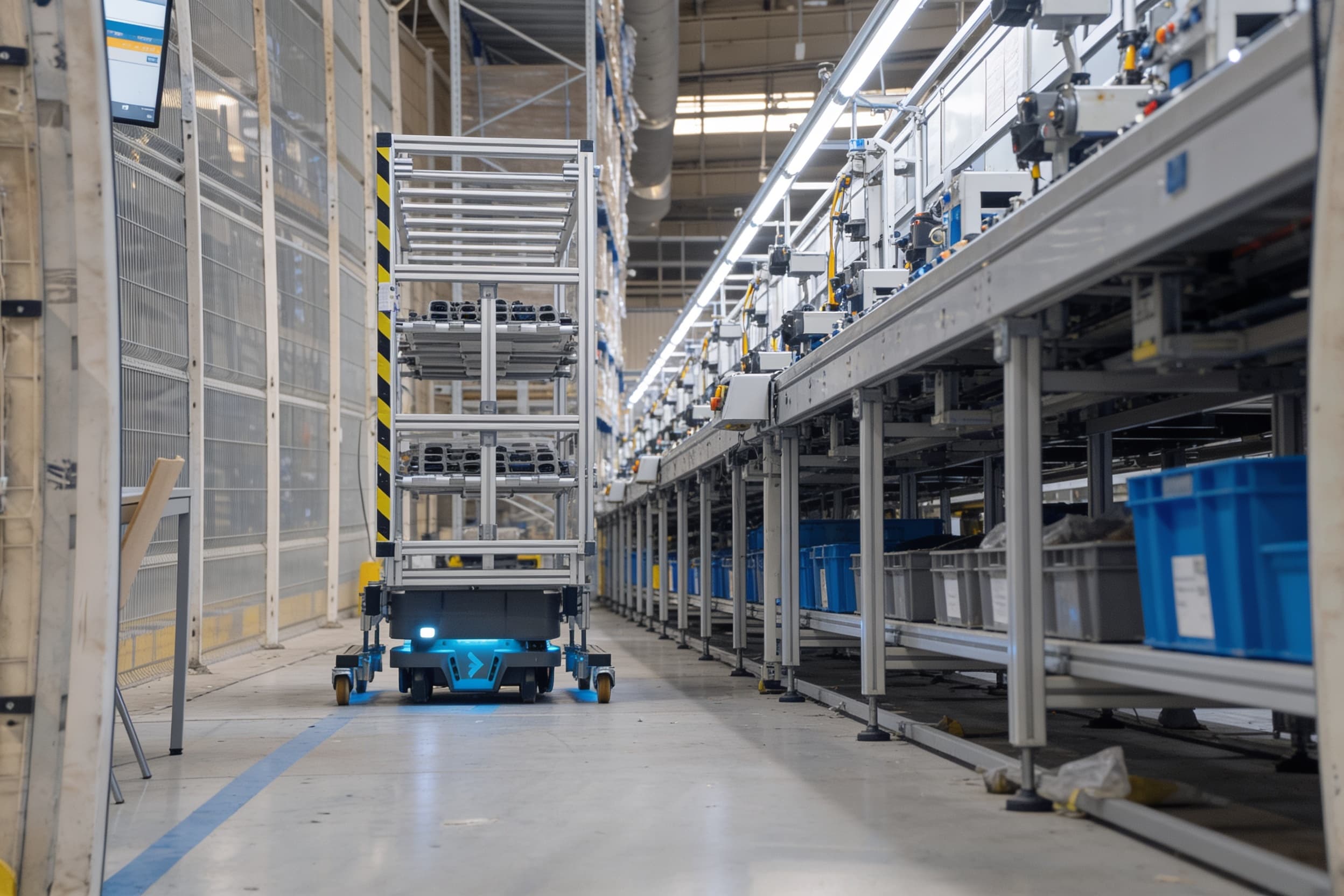
RoboCare™
Service nationwide.
- 24/7 support.
- 10-minute technical-specialist triage.
- Regional service engineers in every state we service.
- 3 check visits a year.
- 12-month warranty.
The operation, up close
What actually decides the outcome.
The four jobs material-handling robots do
Pick by the load and the motion, not the brand. Each of these is a distinct job with a distinct machine:
- Autonomous forklifts - pick up, move, and stack pallets without a driver. A representative unit is in the ~4,000-lb class for pallet handling and stacking. Best where forklift drivers are hard to staff and the pallet moves are repetitive.
- Autonomous tuggers - tow a train of carts/trolleys point-to-point on milk runs. A representative unit is a collaborative tugger in the ~3,000-lb class designed for zero infrastructure change - it learns the route by being walked it, so there is no track to install.
- Pallet movers / AMRs - shuttle pallets and loads between pick, pack, and dock across an open floor with no fixed path (see the AMR vs AGV hub for how they navigate).
- Goods-to-person systems - bring stored shelves or totes to a stationary picker so picker walking time drops instead of headcount rising.
Why "zero infrastructure change" matters
The single biggest hidden cost in material-handling automation is infrastructure: guide paths, re-racking, re-laid floors, or a shutdown to install them. Newer collaborative tuggers and AMR-class movers need none of it. They navigate your existing aisles, or learn a route by being walked it, so you add automation without a construction project.
A collaborative tugger is a case in point: ~3,000-lb towing capacity, no track, no floor change. We weight what deployment actually requires as heavily as the unit itself. A robot that looks simple on the spec sheet is not simple if it needs a re-racked warehouse to run.
The case for material-handling automation
The payback here is driven by hard-to-staff roles and injury risk, not just labor rate. Forklift drivers and cart-pushers are among the hardest warehouse roles to hire and retain, and manual lifting/towing carries real injury cost. A robot that takes the repetitive pallet moves or milk runs gives those hours back and removes the heaviest, most injury-prone motion from people.
The honest framing: these are heavy machines, and the math turns on utilization and what deployment requires. A zero-infrastructure unit running a steady route pays back far faster than a machine that needs a re-racked warehouse first. We build the real side-by-side, including deployment cost, with your lease quote.
- Payback drivers: hard-to-staff roles, retention, and injury-risk reduction.
- Deployment cost (infrastructure) often matters more than the unit itself.
- These are framings, not a guaranteed result - we model your real numbers in a quote.
What the OEM does not do
Five things an integrator carries that a bare OEM does not.
Getting the robot is the easy part. This is the rest of the job.
Sales, neutrally
We pick the right unit for your floor from the whole market, instead of fitting your operation to the one product a maker happens to sell.
Integration
We wire the robot into the software that runs your operation, so it knows what to do next. A robot with no hook-up is an expensive paperweight.
Financing
A lease through financing on one fixed payment, with the real total-cost math, so your finance team can plan around it.
Deployment
Mapping, setup, safety, and commissioning on a live floor. The part most direct customers underestimate, and where projects stall.
Nationwide service
RoboCare™: 24/7 support with 10-minute triage and regional service engineers in every state we service. The one thing most OEMs cannot offer a US customer.
All five, carried for you.
Tell us the floor and the job. We answer with the unit, the math, and the plan.
Get a quoteFrom our blog
Reading for the decision you are making.
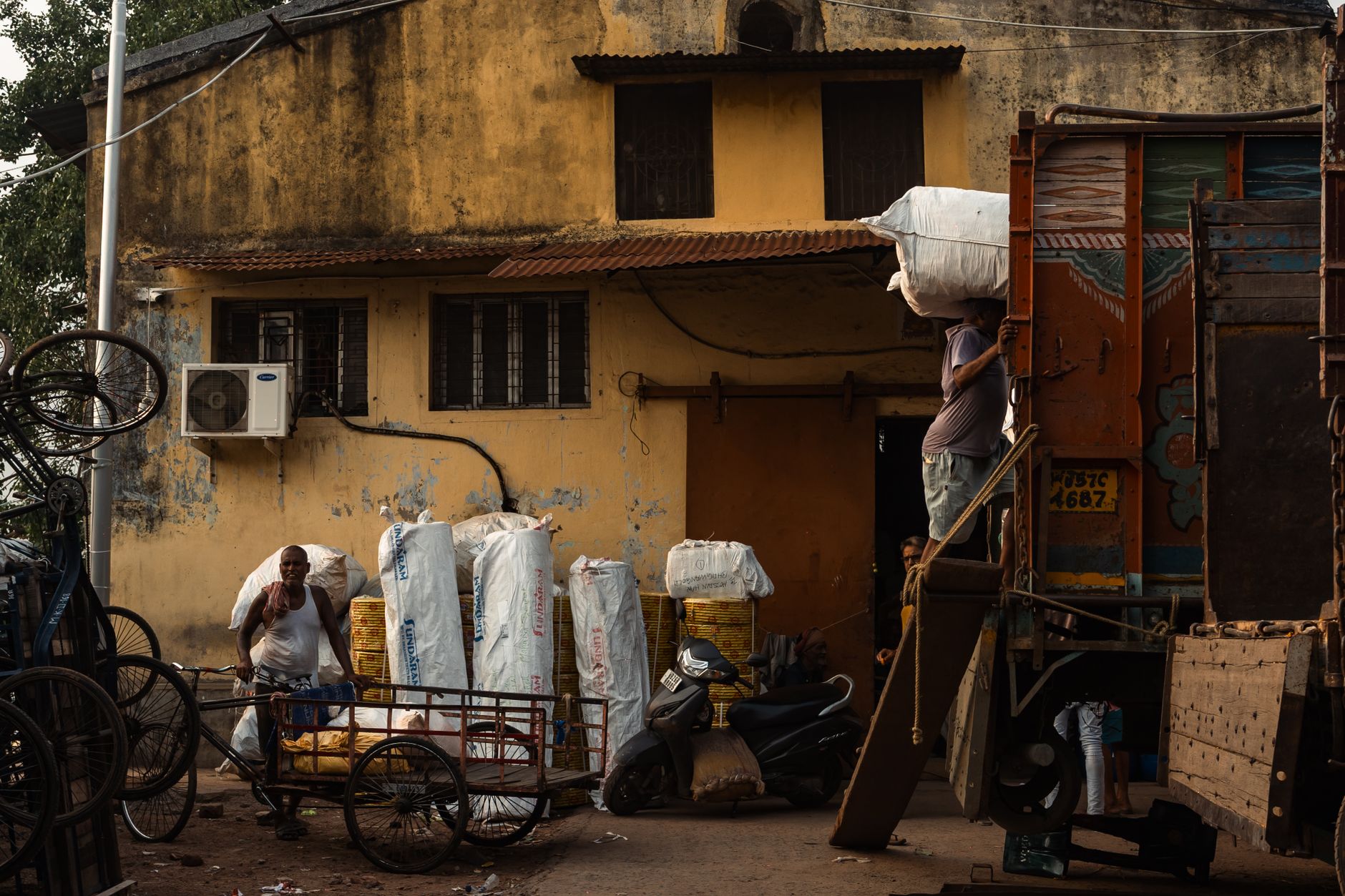 DeploymentDynamic No-Go Zones for Busy Loading DocksA practical guide to changing AMR maps and dock traffic rules as trailers, forklifts, staging lanes, and temporary loads move through live docks.
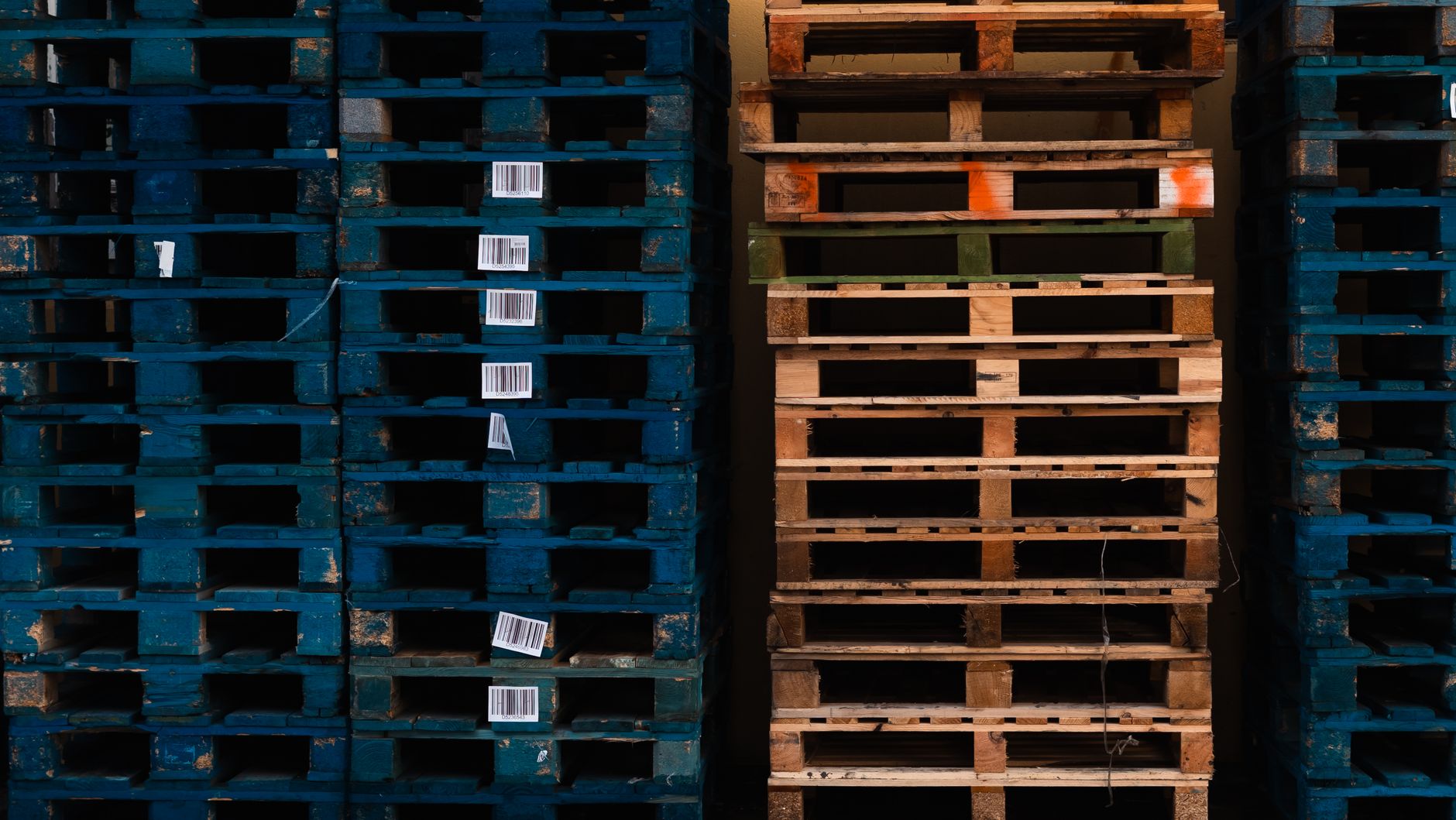 Industry newsThe New Forklift-AMR Crossover Is a 2026 Buying ShiftAutonomous forklift capability is changing AMR buying for pallet-moving facilities. Here is what mid-market operators should ask in 2026.
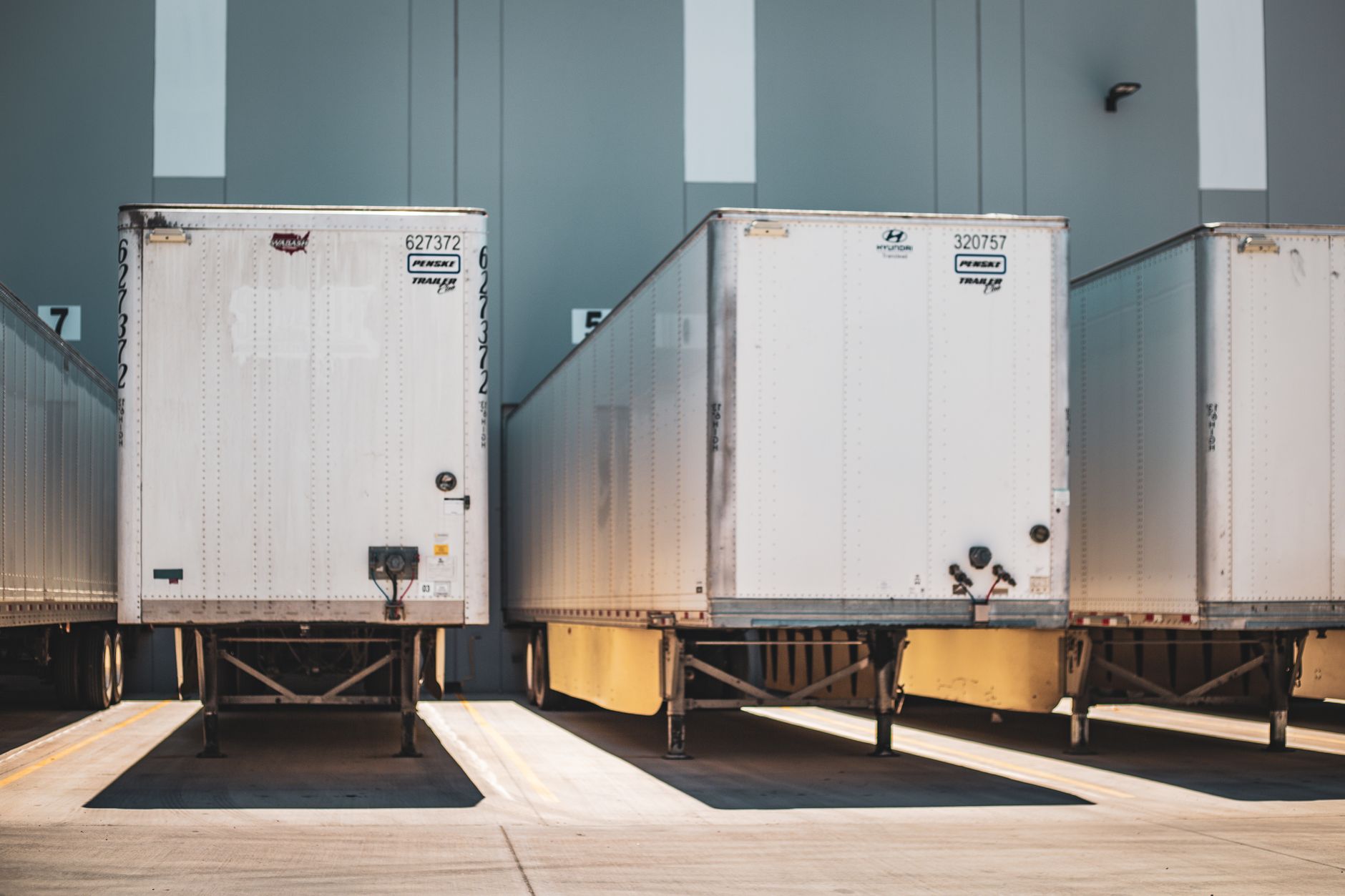 DeploymentHow to Deploy AMRs in a Live Beverage HubA practical playbook for phasing AMRs into beverage distribution centers with forklifts, shrink-wrap lanes, route loading, and summer peaks.
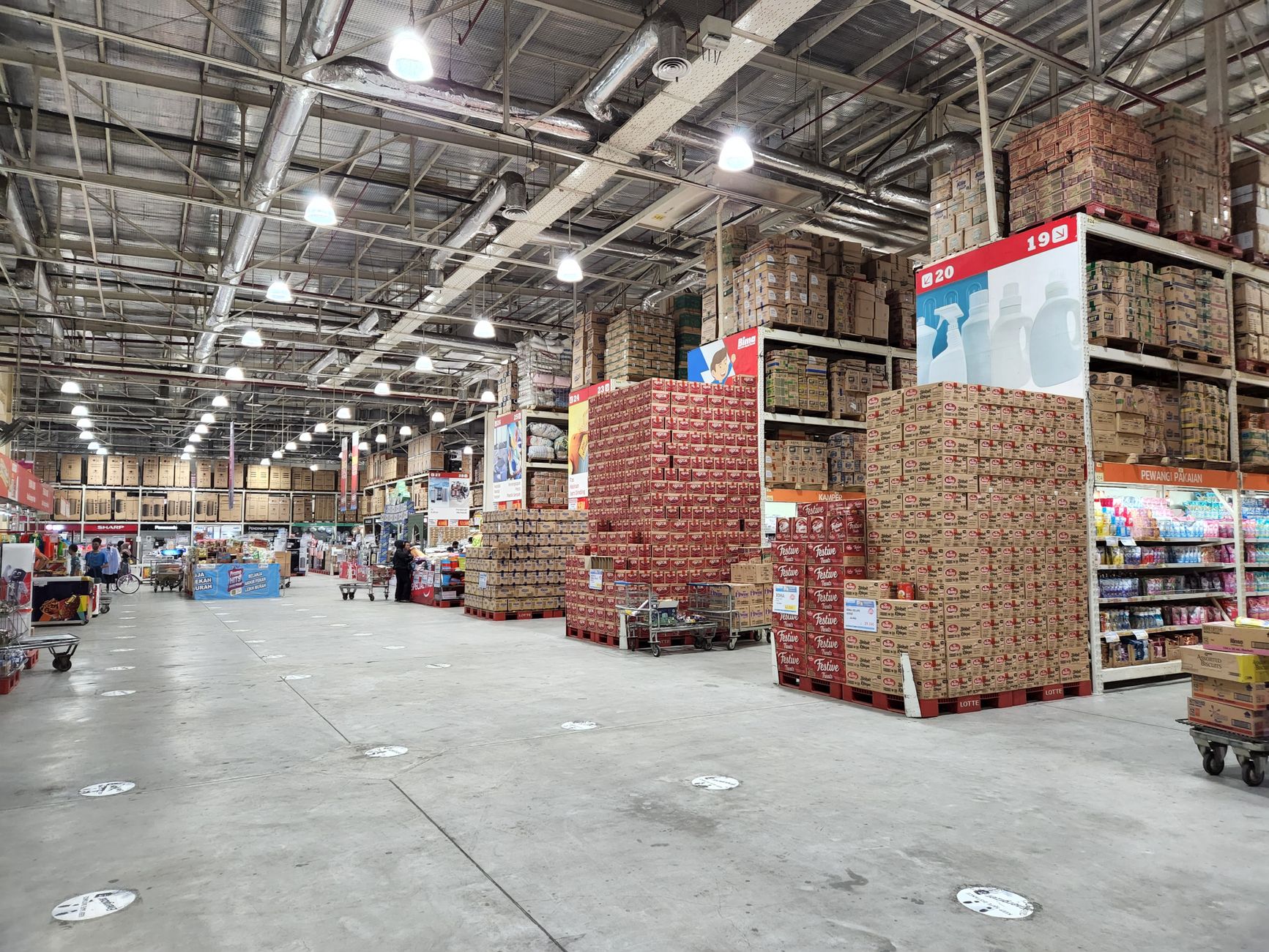 Use casesWholesale Clubs and the Reality of Overnight Robot CleaningHow wholesale clubs should plan robotic overnight cleaning around wide aisles, pallet clutter, forklifts, and early receiving without hurting uptime.
Two ways to start
An integrator, or direct from the OEM.
A comparison of the two routes, not a knock on any one maker. Many OEMs partner with integrators precisely to close this gap.
Robots on this operation
The machines doing the work.
Compare the options
Comparison
Material-handling robots compared
Capacities are the published class for each job, not guaranteed specs.
| Job | Capacity (class) | Infrastructure |
|---|---|---|
| Autonomous forklift | ~4,000-lb class | Vision-guided, minimal |
| Autonomous tugger | ~3,000-lb class | Zero change - learns the route |
| Pallet mover / AMR | Pallet-load (varies) | None - free navigation |
| Goods-to-person | Tote / shelf loads | Picking station + software |
Representative units and published capacity classes, not guaranteed specs. We confirm the exact model, capacity, and lease terms for your facility in a quote.
What decides the right material-handling robot
The factors that matter more than the spec sheet headline.
| Factor | Why it decides the outcome |
|---|---|
| Load weight + type | Pallet vs. cart vs. tote, and how heavy. This sets the whole machine class before anything else. |
| Infrastructure required | Track install, re-racking, or floor changes are the hidden cost. A zero-infrastructure unit can beat one that needs a construction project. |
| Route stability | Fixed milk run vs. changing routes decides AGV-style vs. AMR-style navigation (see the AMR vs AGV hub). |
| Safety + people fit | These carry real weight near people. The safety setup and collaborative behavior matter as much as the payload. |
We size these against your real loads, routes, and floor on a walkthrough before recommending a unit.
On the floor
Where you'll see it working.
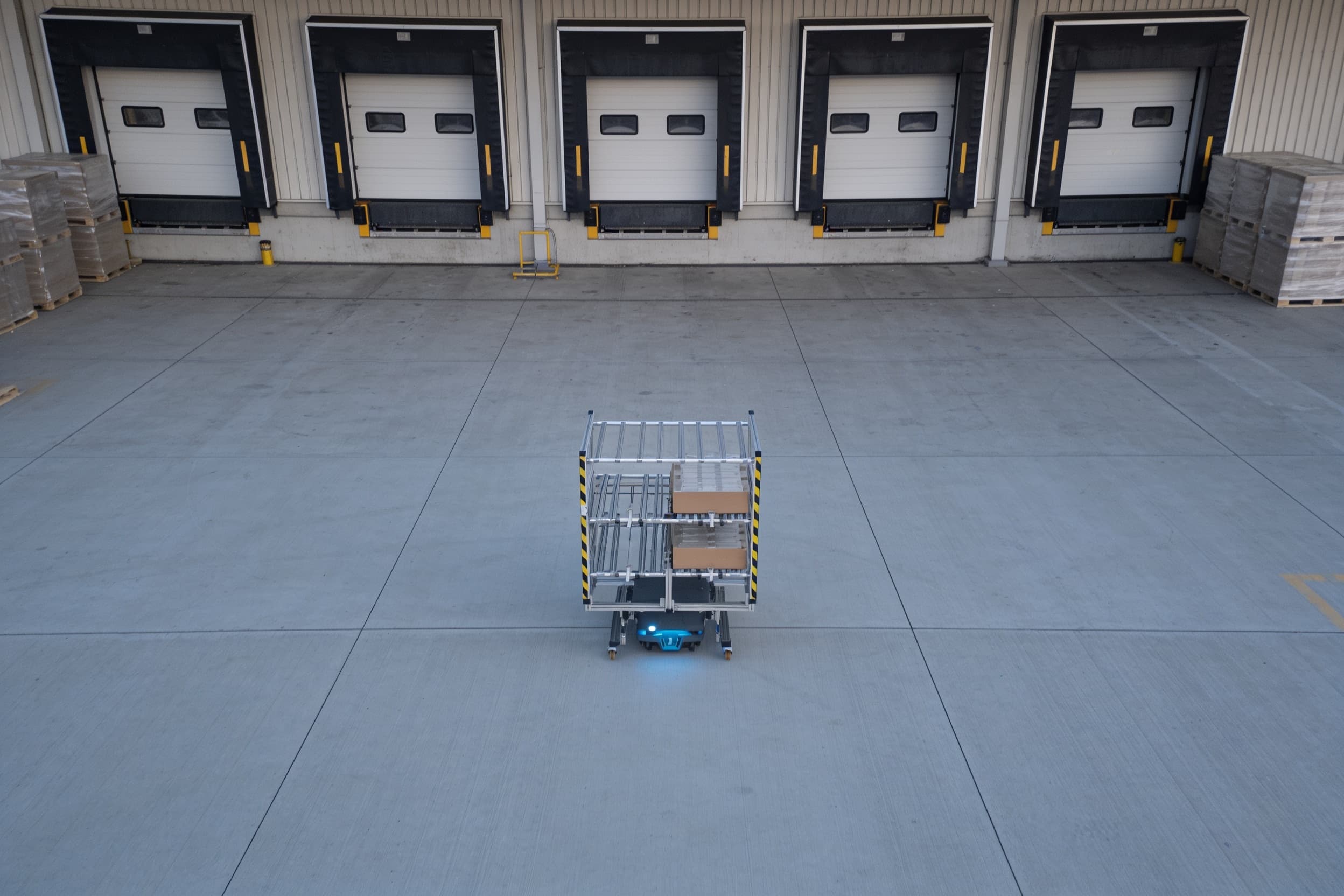
Decision guide
Which material-handling robot fits your job?
Route yourself by the load and the motion. We confirm the fit - and what deployment actually requires - on a walkthrough.
Lift and stack pallets; forklift drivers hard to staff
An autonomous forklift (~4,000-lb class). Repetitive pallet moves pay back fastest.
Tow carts on repetitive milk runs; want no floor changes
A collaborative tugger (~3,000-lb class, zero infrastructure).
Shuttle pallets/loads point-to-point across a changing floor
An AMR-class pallet mover - free navigation, no track (see the AMR vs AGV hub).
Picker walking time is the bottleneck
A goods-to-person system that brings shelves/totes to a stationary picker.
One fixed, very high-volume lane that never changes
An AGV-style mover may fit - see the AMR vs AGV hub to confirm.
Honest fit check
Who material-handling robots are NOT for
These are heavy machines. They are the wrong call when:
- Your volume is low and irregular - the payback period stretches past the point it makes sense.
- Loads and routes change constantly with no stable pattern to automate - automate the stable process, not the chaos.
- The only viable unit needs major infrastructure you cannot justify - the construction cost can dwarf the robot.
- You need it running next week - heavy-load deployment and safety setup take real time.
- Nobody will own day-to-day operation and safety oversight on site - these run near people and need a local owner.
Proof
Deployments we can point to.
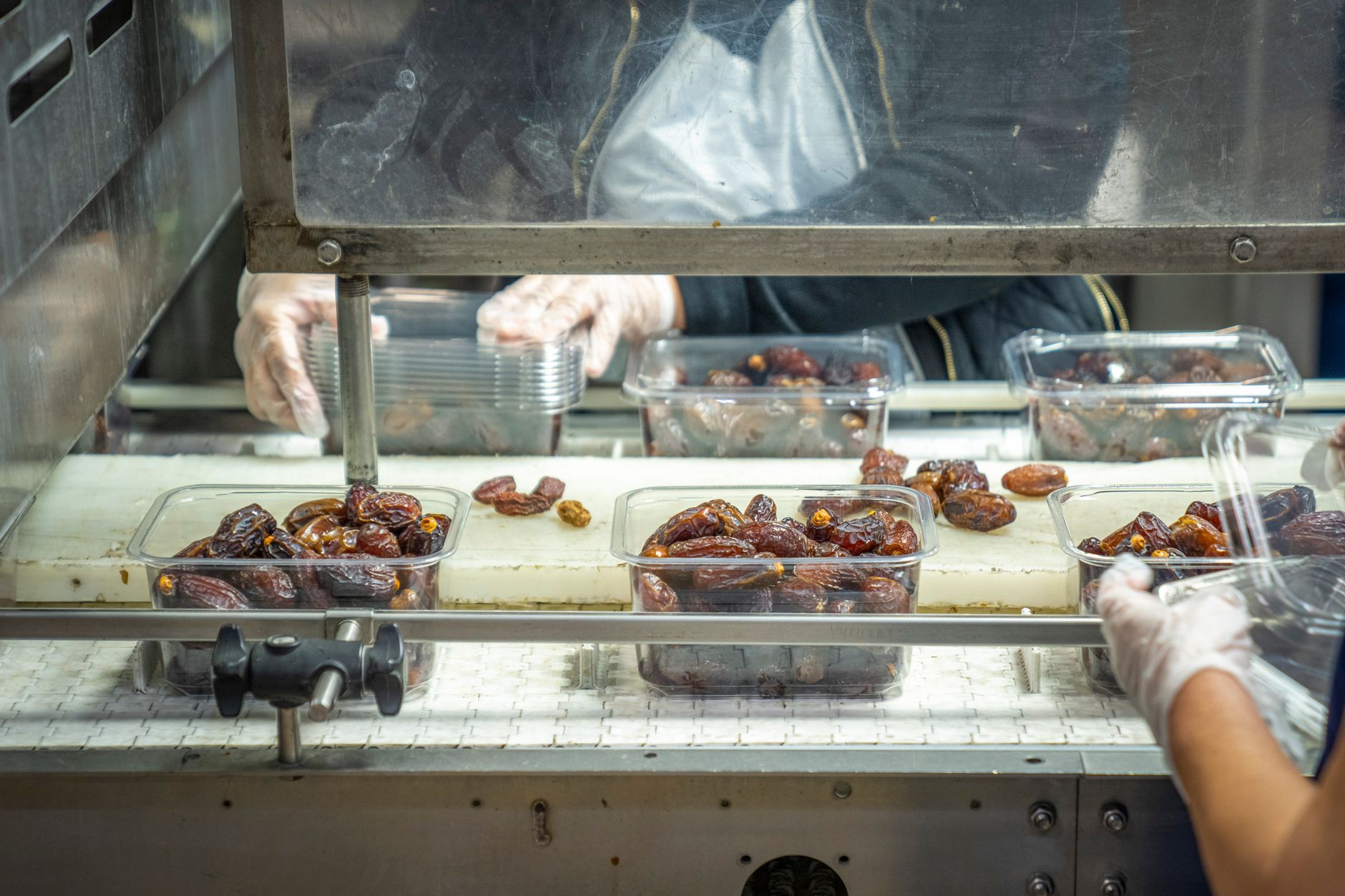 Featured case study4AMRs deployedHow a Snack Plant Runs Pallet Moves 24/6 With Four AMRsFour AMRs move pallets between packaging and wrap stations at a snack plant, running 24/6 and handling hundreds of pallet moves weekly with safer backend logistics.Read the case study
Common questions
Start with a free site assessment.
We walk your site, learn the job, and tell you which unit fits, OEM-neutrally, before you commit a dollar. If nothing fits yet, we say so.
Find the robot that fits your site.
Free site assessment. We tell you what actually works before you spend a dollar.