
Trailer loading & unloading robots · guide
The dock’s worst job, automated.
Three ways to automate the same trailer - mobile loading platforms, in-trailer arms, and conveyor systems - matched to your dock profile, your freight, and your detention costs.
- All 50
- US states served
- 10 min
- 24/7 triage
- 24/7
- emergency response
What it is
A trailer loading/unloading robot automates the slowest, most injury-prone job on the dock. There are three approaches, matched to three dock profiles: mobile automated loading robots (ALR) that drive a whole palletized trailer load on or off in about five minutes with no dock changes; in-trailer robotic arms that unload floor-loaded loose cartons one box at a time; and conveyor-based truck-loading systems (ATLS) for dedicated high-volume lanes. The right one depends on whether your freight is palletized or floor-loaded and how fixed your lane is. Service Robot Co. picks it OEM-neutrally, leases it to you, deploys it, and services it nationwide.
Specs on this page are publicly reported, not guarantees. We confirm the right unit and the lease payment for your site in an assessment.
See it running on your floor.
We scope the work on a site assessment and prove the system on your operation before you commit.
Inside the operation
One trailer, door to door.
The dock cycle is the same at every door. The detention clock is what every approach is racing.
- 1
Dock
The trailer docks and the free window opens, commonly about two hours.
AutomatesNothing yet. This is the clock the robots are racing.
- 2
Unload
Freight comes off: whole pallets, or loose floor-loaded cartons.
AutomatesPlatforms drive a palletized load off in about five minutes; in-trailer arms pick loose cartons box by box.
- 3
Convey
Cartons flow from the trailer onto the dock.
AutomatesA dock conveyor receives what the arm picks.
- 4
Reload
Outbound freight stages for the next trailer.
AutomatesPlatforms stage a whole palletized load and drive it on.
- 5
Turn
The trailer clears the door and the next one backs in.
AutomatesFaster cycles raise loads cleared per door per shift.
Field notes
4.6M
Projected US supply-chain worker shortfall by 2030.
US BLS projection, via LogisticsIQ
$10B
The AMR market crosses ten billion dollars by 2030, about half a million robots shipping a year.
LogisticsIQ, 2024
15.6%
Annual growth in AMR adoption through 2030.
Mordor Intelligence, 2025
RoboCare™
Service nationwide.
- 24/7 support.
- 10-minute technical-specialist triage.
- Regional service engineers in every state we service.
- 3 check visits a year.
- 12-month warranty.
The operation, up close
What actually decides the outcome.
The three approaches to the same trailer
Every dock-automation product is one of three categories. The first question is always the same - is your freight palletized or floor-loaded, and is the lane fixed or variable?
- Mobile automated loading robots (ALR) - the robot IS the freight carrier. A fleet of low platforms is staged with a whole palletized load, then drives the entire trailer on or off in roughly five minutes, with no Wi-Fi, no IT integration, and no dock modifications. Best for palletized freight, and unbeatable on closed-loop shuttle routes between two fixed points. Representative makers: Slip Robotics (SlipBot for closed-loop, SlipLift for distribution) and Navflex (AMR pallet jacks that handle any trailer type).
- In-trailer robotic arms - a wheeled mobile-base arm reaches into a floor-loaded trailer and unloads loose cartons one or several at a time onto a conveyor. This is the right tool when freight is floor-loaded rather than palletized - the roughly four-in-five inbound loads an ALR cannot drive off because there are no pallets. Representative makers: Boston Dynamics (Stretch), Pickle Robot, Contoro.
- Conveyor-based truck-loading systems (ATLS) - embedded floor conveyors (chain, skate, roller, slat, or belt) slide a full trailer load in or out in minutes. The highest throughput of the three, but infrastructure-intensive: it requires fixed dock and often trailer modifications, so it only pays off on a dedicated, high-volume lane. Representative makers: Joloda Hydraroll, Ancra Systems.
Start with your dock profile, not the robot
The fit is decided by two questions, before you compare any two machines. First: is your freight palletized or floor-loaded? Get this wrong and the robot cannot do the job. An ALR has nothing to grab on a floor-loaded trailer; an arm is far slower than a platform on palletized freight.
Second: is the lane fixed or variable? Only after those two answers does it make sense to compare specific units, which is the order an integrator works in and the order no single-product OEM starts from.
- Palletized freight + want it forklift-free and fast → mobile ALR (drives the whole load in ~5 minutes).
- Floor-loaded loose cartons (~4 in 5 inbound loads) → in-trailer robotic arm (the only one that can pick loose boxes).
- Closed-loop shuttle route between two fixed points → mobile ALR is the home-run case.
- One dedicated very-high-volume lane that justifies construction → conveyor ATLS.
- Variable origins/destinations, no appetite for dock construction → the no-infrastructure options (ALR or arm).
The "no-infrastructure" advantage
The mobile-platform approach has grown fast because it needs none of what makes dock automation slow to install. A mobile ALR needs no Wi-Fi, IT integration, dock-door, or trailer modification: you stage the load and it drives. Conveyor ATLS is the opposite. It embeds machinery in the dock floor and often modifies the trailers, turning the project into construction with a shutdown attached.
Deployment cost, not the unit, is where most dock-automation projects overrun. Conveyor ATLS can be the right call on a dedicated lane with enough volume to amortize the construction; otherwise, the no-infrastructure options pay back faster. We weight what deployment actually requires as heavily as the unit itself.
What the dock automation actually removes: lumpers, detention, injury
The payback on dock automation is unusually concrete because the manual process leaks money in named, measurable ways: lumpers, detention, dwell time, and injury risk, defined below. That is why "lumper replacement robot" is a search a dock manager actually types.
Trailer unloading is among the most injury-prone jobs in the building: heavy, repetitive lifting in a hot or cold metal box. This is a reach-and-safety play and a fee-avoidance play, not a simple headcount swap. We build the real side-by-side, including detention and lumper costs, for your dock in an assessment.
- Lumpers - contract dock-unloading labor; a recurring fee floor-loaded freight makes expensive.
- Detention - carrier fee when a trailer is held past the free window (commonly ~2 hours); slow unloading runs the clock.
- Dwell time & trailer turn - total time a trailer sits, and loads cleared per door per shift; both improve when a robot does the work.
- Injury risk - manual trailer unloading is heavy, repetitive lifting; automating it removes the most injury-prone motion from people.
The dock ROI: detention, lumpers, and dock throughput
Dock automation has an unusually concrete payback because the manual process leaks money in named ways. A mobile ALR’s headline claim is loading or unloading a whole palletized trailer in roughly five minutes versus the much longer manual cycle - which directly cuts detention (the carrier fee for holding a trailer past the free window, commonly around two hours), shrinks dwell time, and raises trailer turn so each dock door clears more loads per shift. For floor-loaded freight, an in-trailer arm replaces the lumper line item - the contract labor that unloads loose cartons by hand - while taking the most injury-prone lifting off people.
The honest framing is that the right approach, and the payback, depends entirely on your freight and lane: a five-minute platform claim means nothing if your freight is floor-loaded and there is nothing to drive off, and a conveyor’s throughput means nothing if you cannot amortize the construction. The numbers above are makers’ published claims, not a guarantee. We model the real detention, lumper, throughput, and deployment math for your specific dock in an assessment - including the case where automating the dock is not yet worth it.
- Mobile ALR: a whole palletized trailer loaded/unloaded in ~5 minutes (maker’s published claim) vs. a much longer manual cycle.
- Detention avoidance: faster unload keeps trailers under the free window (commonly ~2 hours) - a direct, avoidable fee.
- Lumper replacement: an in-trailer arm takes over the contract hand-unloading of floor-loaded cartons.
- Dock throughput: faster cycles raise trailer turn - more loads cleared per door per shift.
- These are makers’ claims with stated assumptions, not a guaranteed result.
What the OEM does not do
Five things an integrator carries that a bare OEM does not.
Getting the robot is the easy part. This is the rest of the job.
Sales, neutrally
We pick the right unit for your floor from the whole market, instead of fitting your operation to the one product a maker happens to sell.
Integration
We wire the robot into the software that runs your operation, so it knows what to do next. A robot with no hook-up is an expensive paperweight.
Financing
A lease through financing on one fixed payment, with the real total-cost math, so your finance team can plan around it.
Deployment
Mapping, setup, safety, and commissioning on a live floor. The part most direct customers underestimate, and where projects stall.
Nationwide service
RoboCare™: 24/7 support with 10-minute triage and regional service engineers in every state we service. The one thing most OEMs cannot offer a US customer.
All five, carried for you.
Tell us the floor and the job. We answer with the unit, the math, and the plan.
Get a quoteFrom our blog
Reading for the decision you are making.
 DeploymentLoading Dock Horn Protocols for Mixed Traffic FloorsSet loading dock horn and beacon rules so forklifts and AMRs share the same warning before trailers back, with drills that cut near-misses on mixed floors.
 DeploymentSpotter Roles When AMRs Share Loading Dock ApronsAssign dock apron spotters so AMRs hold while forklifts back trailers, with training, horn cues, and metrics to phase spotters out safely.
 DeploymentDynamic No-Go Zones for Busy Loading DocksA practical guide to changing AMR maps and dock traffic rules as trailers, forklifts, staging lanes, and temporary loads move through live docks.
 Costs & ROIWhen Trailer-Unloading Robots Pay Off in Grocery DCsA practical ROI guide for regional grocery DCs weighing trailer-unloading robots against temp labor, lumpers, and overtime in 2026.
Two ways to start
An integrator, or direct from the OEM.
A comparison of the two routes, not a knock on any one maker. Many OEMs partner with integrators precisely to close this gap.
Robots on this operation
The machines doing the work.
Compare the options
Comparison
The three dock-automation approaches compared
Mobile ALR vs. in-trailer arm vs. conveyor ATLS. Descriptions are publicly reported, framed as a class.
| Approach | How it works | Best freight | Infrastructure | Representative makers |
|---|---|---|---|---|
| Mobile ALR (loading robot) | Low platforms ARE the carrier - drive a whole load on/off in ~5 min | Palletized; closed-loop shuttle routes | None - no Wi-Fi, IT, or dock changes | Slip Robotics (SlipBot/SlipLift), Navflex |
| In-trailer robotic arm | Mobile-base arm picks loose cartons onto a conveyor, box by box | Floor-loaded (loose cartons) | Low - a dock conveyor to receive cartons | Boston Dynamics (Stretch), Pickle Robot, Contoro |
| Conveyor ATLS | Embedded floor conveyors slide a full load in/out in minutes | Palletized; one dedicated high-volume lane | High - fixed dock + often trailer modifications | Joloda Hydraroll, Ancra Systems |
Publicly-reported descriptions, not guaranteed specs. The ~5-minute and per-trailer figures are makers’ published claims, not our measurement. We confirm what fits your dock in an assessment.
Match the approach to your dock
The factors that decide the fit - answered before any two units are compared.
| Your dock | The approach that fits |
|---|---|
| Freight is palletized | Mobile ALR - drives the whole load; conveyor ATLS if one dedicated lane. |
| Freight is floor-loaded (loose cartons) | In-trailer robotic arm - the only approach that picks loose boxes. |
| Closed-loop shuttle route | Mobile ALR - platforms circulate with the trailers; the home-run case. |
| One very-high-volume dedicated lane | Conveyor ATLS - throughput justifies the construction cost. |
| No appetite for dock construction or a shutdown | No-infrastructure options - mobile ALR or in-trailer arm. |
| Detention fees are the pain | Whichever cuts unload time most for your freight - usually ALR (palletized) or arm (floor-loaded). |
We confirm the fit against your real freight mix, dock doors, and lane profile on a site assessment before recommending a unit.
On the floor
Where you'll see it working.
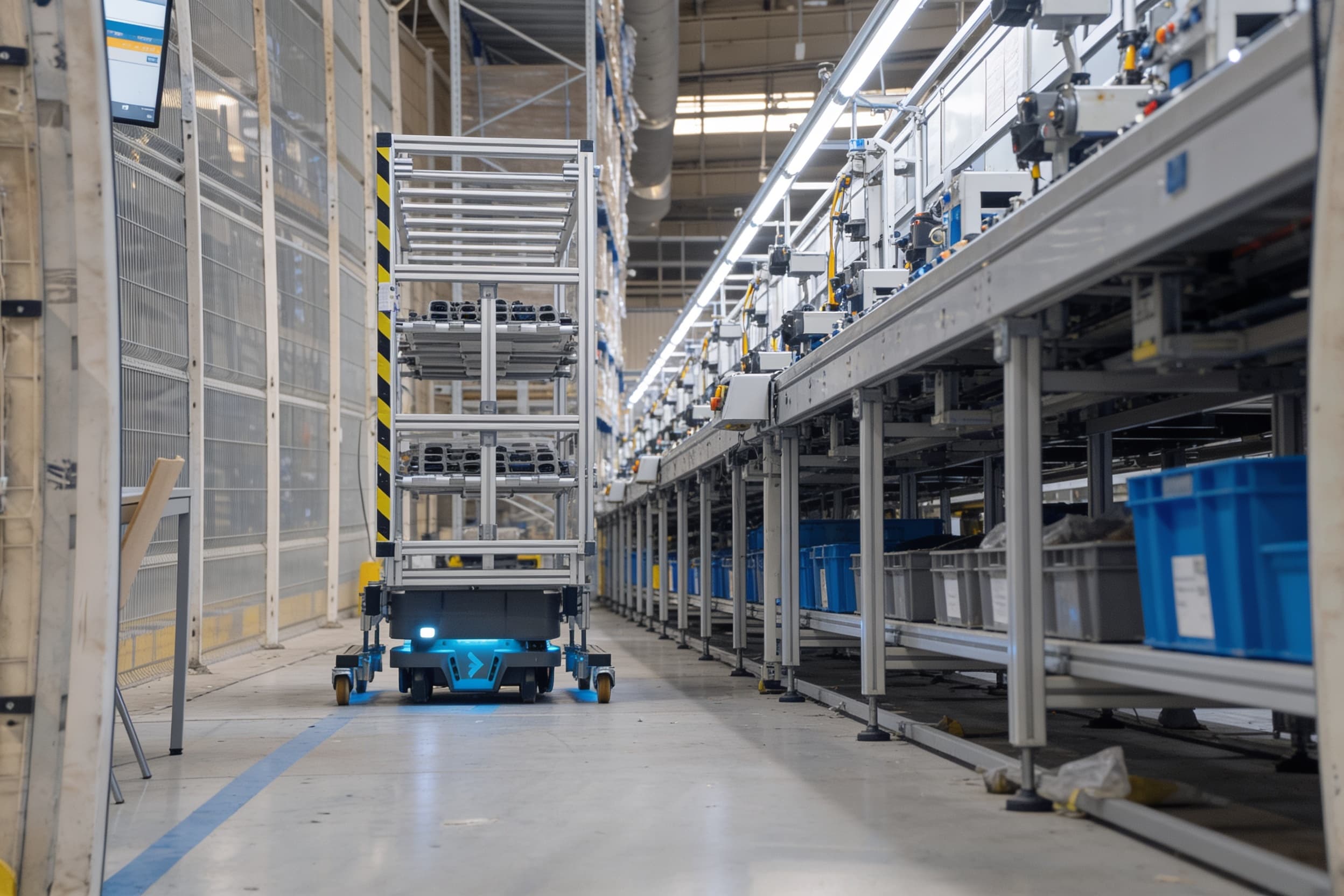
Decision guide
Which trailer-automation approach fits your dock?
Route yourself by freight type and lane. This is the dock-profile map we confirm on a walkthrough.
Palletized freight, and you want it loaded fast and forklift-free
A mobile ALR (Slip-style) - drives a whole load on or off in about five minutes, no dock changes.
Floor-loaded trailers of loose cartons (most inbound loads)
An in-trailer robotic arm (Pickle, Boston Dynamics Stretch, Contoro) - the only approach that picks loose boxes.
A closed-loop shuttle route between a plant and a DC
A mobile ALR - the platforms circulate with the trailers; this is its home-run case.
One dedicated lane running very high volume that justifies construction
A conveyor ATLS (Joloda, Ancra) - highest throughput, where the infrastructure cost pays back.
You want to cut carrier detention and cannot rebuild the dock
A no-infrastructure approach - mobile ALR for palletized, an in-trailer arm for floor-loaded.
A mixed dock with both palletized and floor-loaded freight
Likely a combination - we map which doors get which approach so the dock is not over-built for one freight type.
Honest fit check
Who dock automation is NOT for (yet)
We would rather tell you to wait than sell you the wrong dock robot. Hold off when:
- Your dock volume is low and irregular - the payback period stretches past the point it makes sense.
- Your freight mix is so varied that no single approach fits and the volume cannot justify combining them.
- You are eyeing conveyor ATLS but cannot run enough volume on one dedicated lane to amortize the construction.
- You expect a mobile ALR to handle floor-loaded freight (it cannot - there are no pallets to drive off) or an arm to match a platform’s speed on neatly palletized loads.
- Nobody on site will own staging, exception handling, and the daily basics - even a serviced dock robot needs a local owner.
Proof
Deployments we can point to.
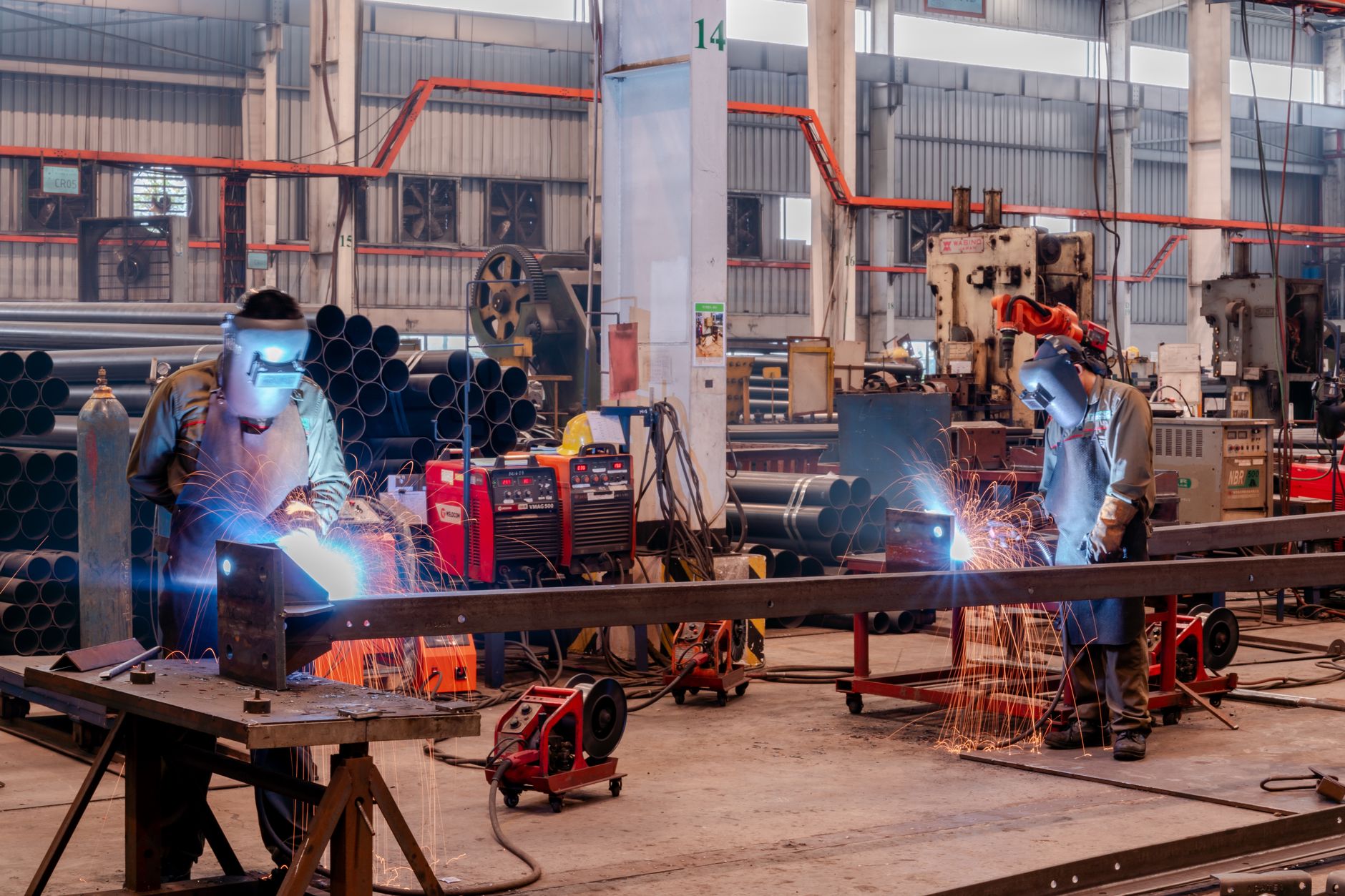 Featured case study45 minBeforeHow an Auto Plant Cut Trailer Dwell from 45 Minutes to 5 with Dock RobotsA southeastern auto plant deployed nine dock loading robots and cut trailer turns from 45 minutes to five, tightening inbound parts flow to the assembly line.Read the case study
Common questions
Start with a free site assessment.
We walk your site, learn the job, and tell you which unit fits, OEM-neutrally, before you commit a dollar. If nothing fits yet, we say so.
Find the robot that fits your site.
Free site assessment. We tell you what actually works before you spend a dollar.