Key takeaways
- Yes, patrol robots can make sense for solar equipment yards when the site is large, remote, and exposed to copper and equipment theft.
- The best use case is not replacing guards. It is automating repeatable patrol, audit, and exception detection after dark.
- Remote solar assets already depend on monitoring because fewer site visits increase operational risk, and the same logic supports autonomous patrol.
- A strong rollout depends on terrain, charging, connectivity, escalation rules, and a service model that keeps the unit working when the site is empty.
- For many operators, the practical buying question is operational coverage per night, not gadget appeal.
Do patrol robots make sense for solar equipment yards?
Often, yes. Solar equipment yards and utility staging areas combine three conditions that favor autonomous patrol. Valuable outdoor assets, long fence lines, and thin overnight staffing. In that setting, a security patrol robot or autonomous patrol robot can handle the repetitive miles, the timestamped rounds, and the after-hours checks that humans rarely perform with perfect consistency.
That does not mean every yard needs one. Patrol robots fit best when the site is large enough that a person cannot inspect it frequently without dead time, when theft or tampering risk is real, and when managers want more than video after the fact. The useful outcome is a patrol and audit layer that records what the site looked like at 10:00 p.m., 1:00 a.m., and 4:30 a.m., then flags what changed.
For solar installers, utilities, and depots storing inverters, switchgear, transformers, reels of copper, spare modules, and batteries, that is a grounded use case. It is less about spectacle and more about disciplined coverage.
Why is this niche worth a close look right now?
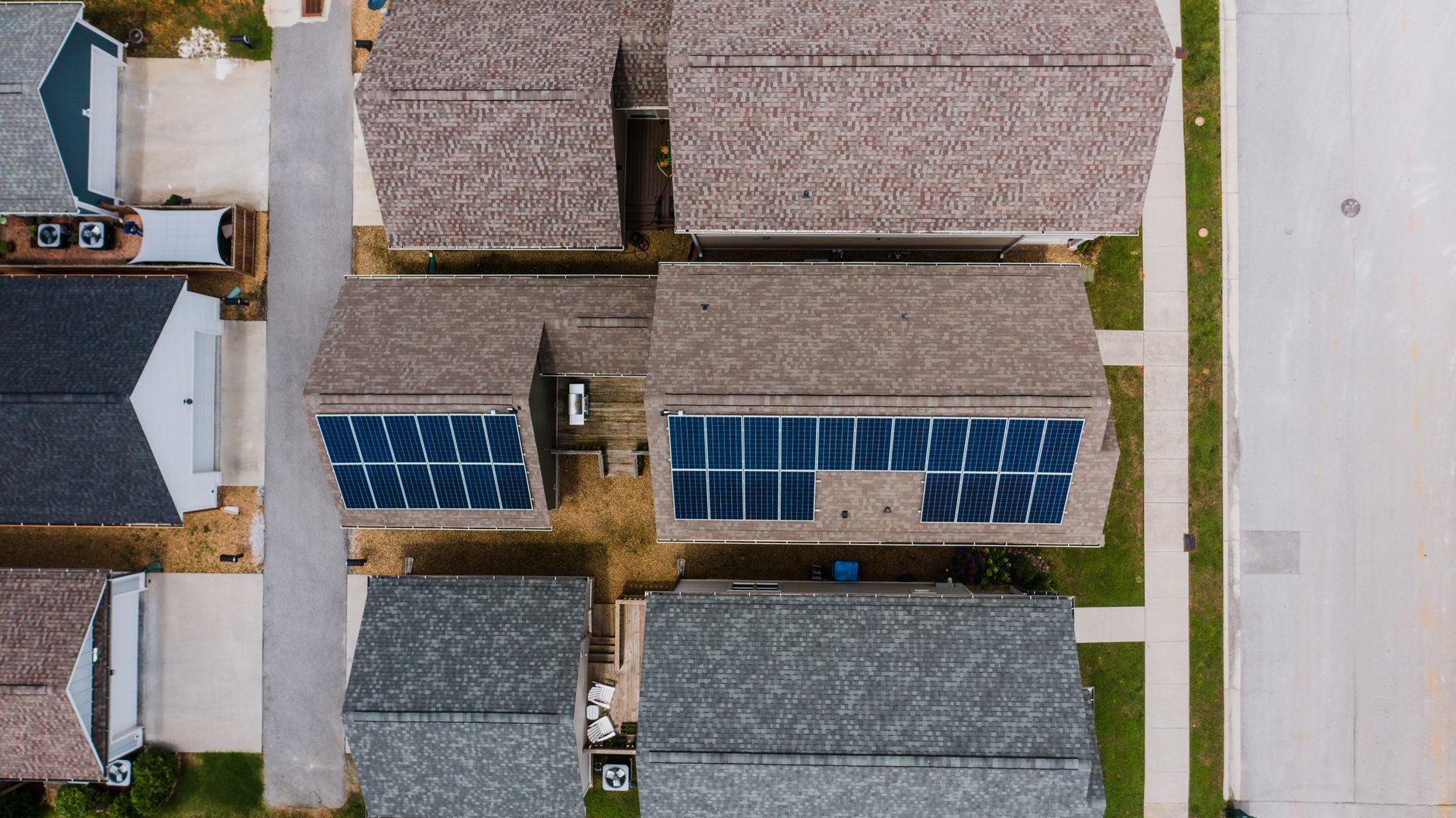
The asset base keeps getting larger. According to the U.S. Energy Information Administration, wind and solar together generated 17 percent of U.S. electricity in 2025, and utility-scale solar generation rose 34 percent year over year to 296,000 gigawatt-hours. The same agency said on February 20, 2026 that developers planned 43.4 gigawatts of new utility-scale solar capacity in 2026, which would be a 60 percent jump from 2025 additions if realized.
More solar buildout means more yards, more field stock, more replacement components, and more remote support equipment spread across rural or edge-of-grid locations. It also means more places where a missing spool, cut fence, open gate, or damaged enclosure can sit unnoticed until daylight.
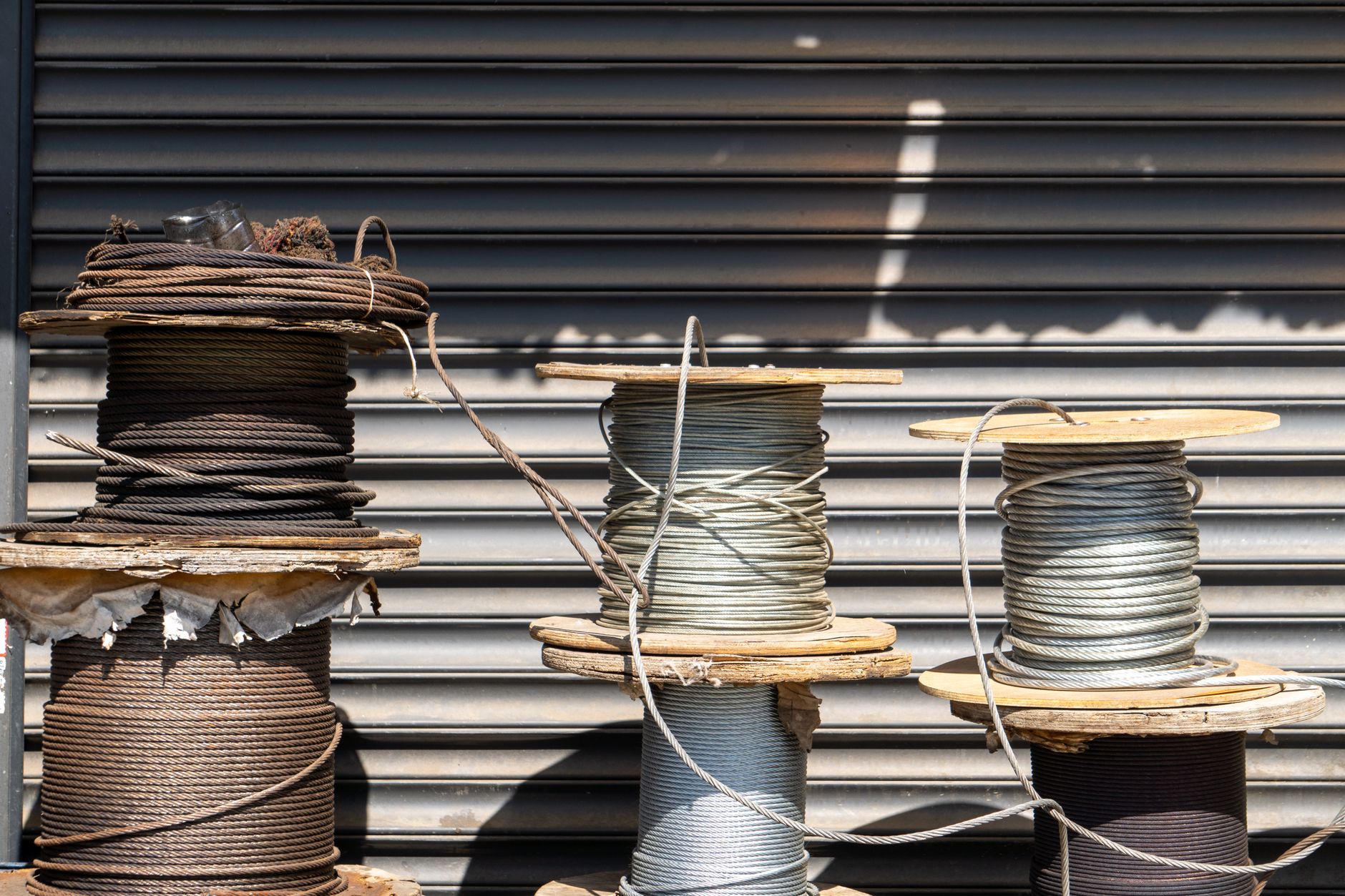
The theft pressure is not theoretical. The National Insurance Crime Bureau noted in 2026 that a CargoNet trend analysis found almost 7 in 10 recent metal thefts targeted copper. CargoNet separately reported that metal theft rose 77 percent in 2025, driven largely by demand for copper products. Solar and utility yards sit directly in that risk path because copper, electrical hardware, and mobile equipment are concentrated outdoors and often staged before installation.
What problems can a patrol robot actually handle on these sites?
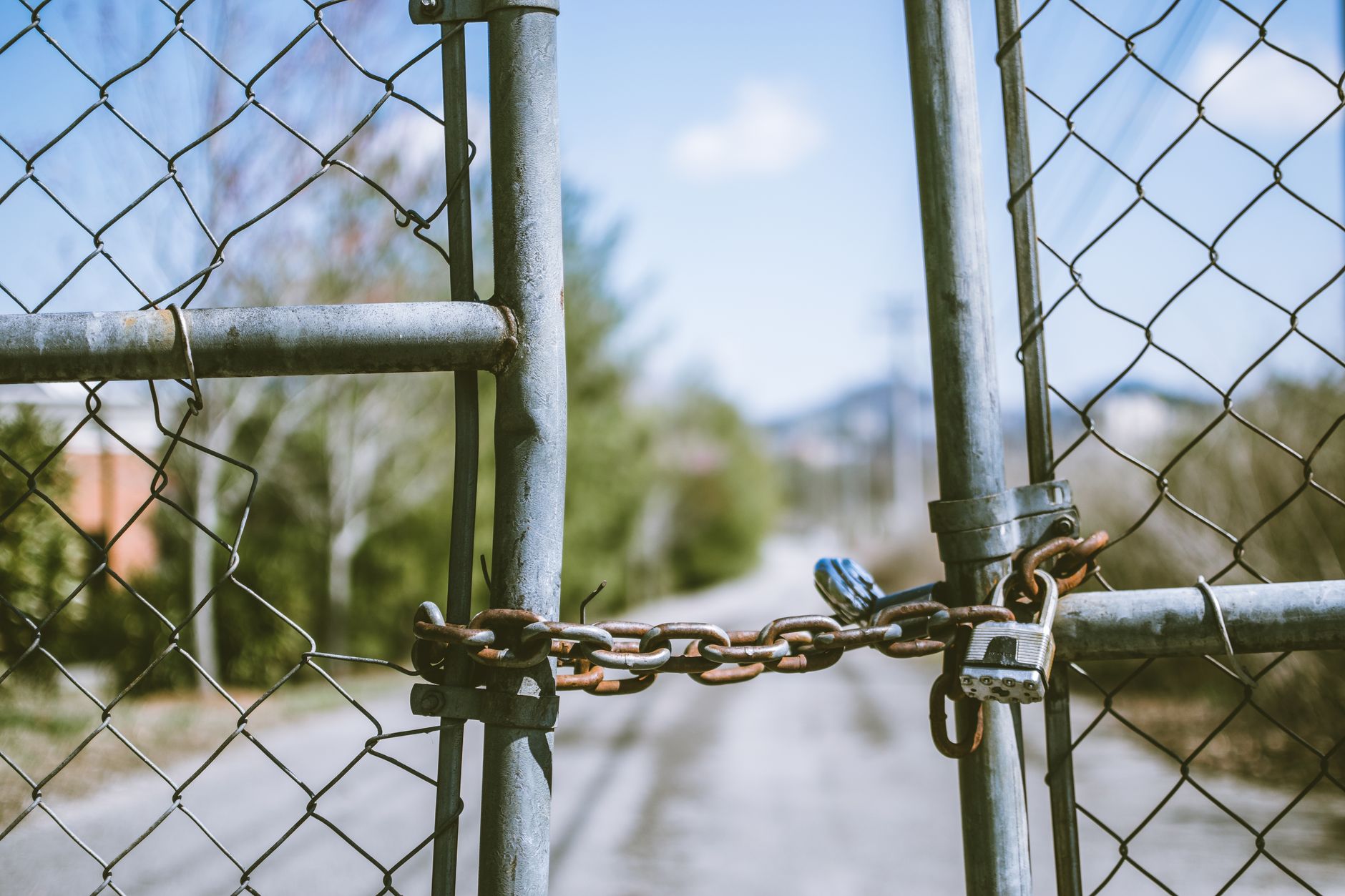
The strongest fit is routine exterior work that humans find tedious, inconsistent, or slow. A patrol robot can run perimeter routes, inspect gates, verify that parked trailers and pallets remain where they should be, check for vehicles in unauthorized zones, and create a regular photographic record of critical storage rows.
It can also support nightly audit workflows. Instead of waiting for a missing item to surface during a morning count, operations can compare overnight patrol images against expected inventory positions. That is where an inspection robot rental or security patrol robot rental model can be useful during pilot phases, especially for operators who want evidence before making a larger fleet decision.
This matters because remote solar assets already depend on persistent monitoring. The Department of Energy notes that remote solar sites are less trafficked and may receive fewer visits from operations and maintenance personnel, which makes production and condition monitoring critical. Patrol robots extend that logic from electrical performance into physical security and exterior asset assurance.
- Perimeter patrol with repeatable route timing
- Gate and fence status checks
- After-hours vehicle and person detection in restricted areas
- Timestamped photo and video logs for audit trails
- Exception alerts for open enclosures, moved assets, or blocked access lanes
Where do the economics start to work?
The economics begin to work when the site is paying people for low-yield night coverage, accepting blind spots because no one can cover the acreage, or absorbing repeated loss and delay from theft, tampering, and missed inspections. The goal is not to imitate a human guard minute by minute. It is to automate the boring, frequent rounds so people respond only when the site needs judgment.
Labor reality also matters. The Bureau of Labor Statistics says employment of electrical power-line installers and repairers is projected to grow 7 percent from 2024 to 2034, with about 10,700 openings per year on average. In utilities, skilled field labor is expensive and scarce enough that few operators want those workers spending nights driving loop patrols around stored equipment.
That is why a robot as a service structure, robot leasing for business, or monthly payment programs can be attractive here. If a yard wants a pilot without heavy upfront capital, commercial robot rental and robot rental monthly terms can align better with operating budgets, especially when maintenance included, remote triage, and emergency response nationwide are part of the deal. The decision should turn on avoided loss, faster detection, and better use of staff, not on novelty.
What separates a good deployment from a frustrating one?
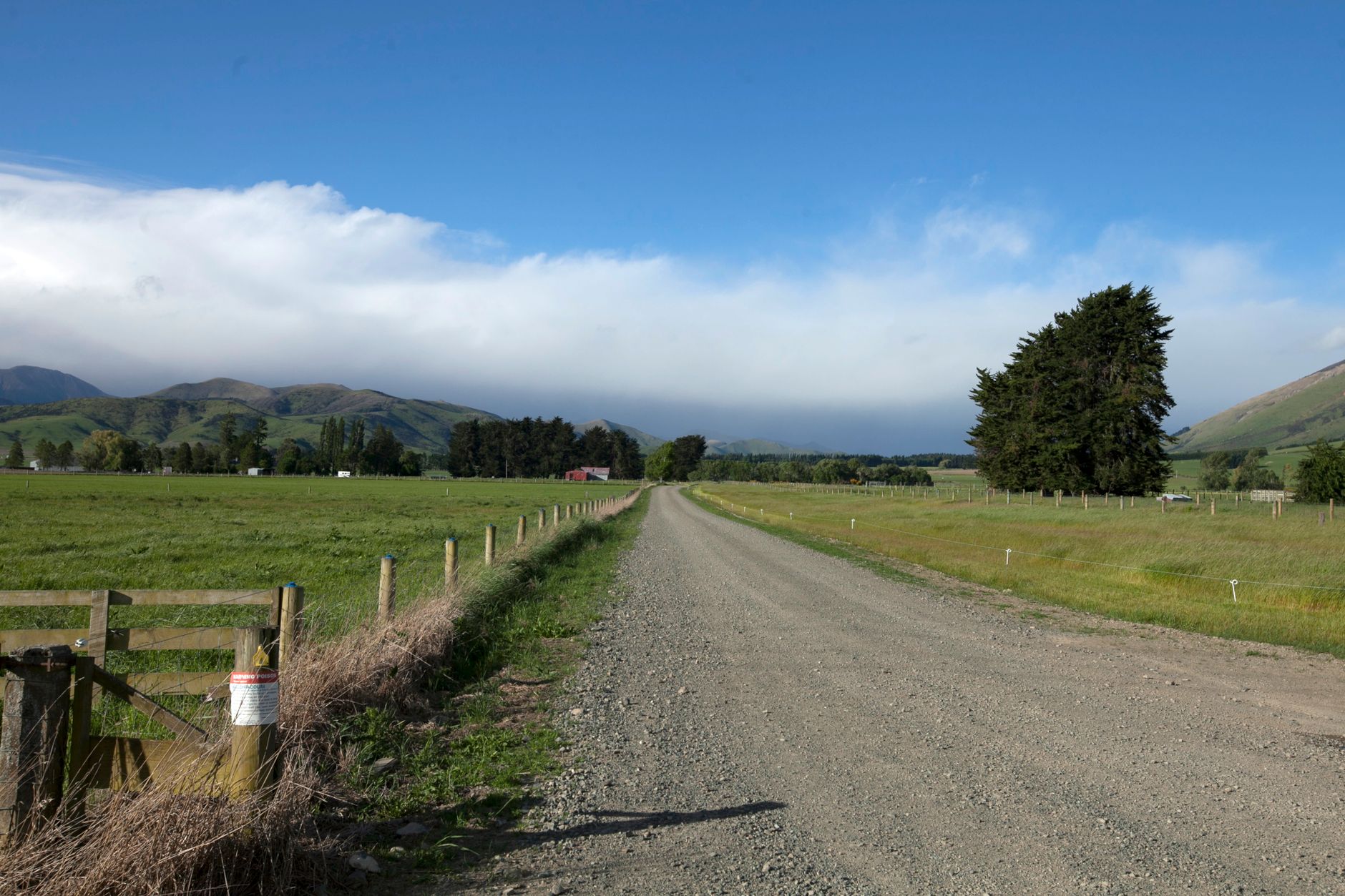
Exterior patrol is won or lost by site conditions. Surface quality, drainage, slopes, loose aggregate, curb cuts, gate thresholds, lighting, and winter mud matter more than marketing language. If the patrol route crosses washboard gravel, standing water, or steep ruts, the project needs an honest site assessment mapping exercise before anyone promises reliable nightly coverage.
Connectivity is the next trap. A robot can patrol on local autonomy, but alerting, live review, software updates, and fleet reporting all depend on dependable communications. Remote yards often need a blended plan that accounts for cellular dead zones, camera upload bandwidth, and what happens when the site loses power or backhaul.
Operations rules matter just as much. Who receives an alert at 2:13 a.m.? What triggers a callout? Which checkpoints are proof-of-presence tasks and which require anomaly review? The best programs define response playbooks early so the patrol data becomes action instead of digital clutter.
What should solar installers and utilities ask before they pilot?
Start with the night map, not the robot brochure. List what is stored outside, what can be fenced, what must remain open for crew access, and which assets create the biggest schedule pain if stolen or damaged. The first pilot route should center on the highest-consequence zones, not on showcasing maximum acreage.
Next, pin down the audit use case. Some sites care most about intrusion deterrence. Others care about verifying that inverter skids, cable reels, spare modules, or switchgear shipments are still in place before dawn crews arrive. A pilot succeeds faster when the site chooses one or two measurable outcomes and builds reports around them.
Then test service assumptions hard. Outdoor systems need cleaning, software support, battery management, and a recovery plan after faults. If your team is exploring an autonomous mobile robot rental, AMR rental, or patrol program, the question is not only who sells the unit. It is who shows up when the unit stops patrolling on a Friday night.
- What exact assets are most exposed after dark?
- How many acres or fence miles must be covered each night?
- Which alerts require escalation and to whom?
- What connectivity and charging infrastructure already exist?
- How quickly can service be dispatched if the robot is down?
Why does the integrator model matter more in this niche?
Solar equipment yards are awkward environments. They are outdoors, security-sensitive, operationally lean, and often spread across multiple states. That makes the vendor neutral robot integrator model more useful than a one-box purchase. You need the patrol platform, the charging plan, the escalation workflow, the reporting layer, and the service path to behave like one program.
Service Robot Co. is built for that kind of work. The company is a full-service commercial robot integrator for U.S. businesses, OEM-neutral, and set up to finance, deploy, integrate, train, and service each unit through a nationwide engineer network. For operators comparing lease rental or sale structures, that one partner one number model is often more important than the hardware badge because exterior patrol programs fail on support gaps long before they fail on concept.
In practice, that means turnkey robot deployment, robot deployment and integration, on-site training, remote triage, and ongoing service under one roof. For a multi-yard operator, that can simplify scale-up from a single pilot to a broader fleet without stitching together separate vendors for hardware, financing, software, and field support.
What is the realistic bottom line?
Patrol robots are not a cure-all for exterior security. They will not replace every guard post, and they do not remove the need for fencing, lighting, access control, or human response. But they can make strong operational sense in solar equipment yards because the work is repetitive, the geography is sprawling, and the consequences of delayed detection are real.
This niche is especially compelling where remote layouts limit overnight walkthroughs, where copper and electrical gear create concentrated theft risk, and where managers want more than passive cameras. A well-run program turns patrol into a documented workflow. Not just a hope that someone drove by.
If that is your environment, the serious next step is a scoped pilot. Measure coverage, alert quality, downtime, and incident response over a real operating window. Then decide if a security patrol robot rental, a longer robot leasing for business model, or a broader fleet strategy earns its place.
Frequently asked questions
Sources
- EIA: Wind and solar hit 17% of U.S. electricity in 2025
- EIA: Record 2026 power additions led by solar
- DOE: Remote solar sites receive fewer O&M visits
- DOE: Solar operations and maintenance resources
- NICB: Targeted copper thefts on the rise
- CargoNet: 2025 theft trends and metal theft increase
- BLS: Outlook for electrical power-line installers
- DOE OIG: Security incidents and theft at power assets