Key takeaways
- Golf turf debris reaches pool decks through wind, blowers and foot traffic, so the plan starts at the course edge.
- Blowers relocate debris, while vacuum sweepers and grass catchers collect it.
- Underwater pool robots do not sweep decks, so any deck unit needs a site test before a club commits.
- Schedule deck sweeps around pool hours, using an overnight window where the pool is closed.
- Pilot one deck first, then set a lease quote from the site assessment.
Where does golf turf debris end up on a club pool deck?
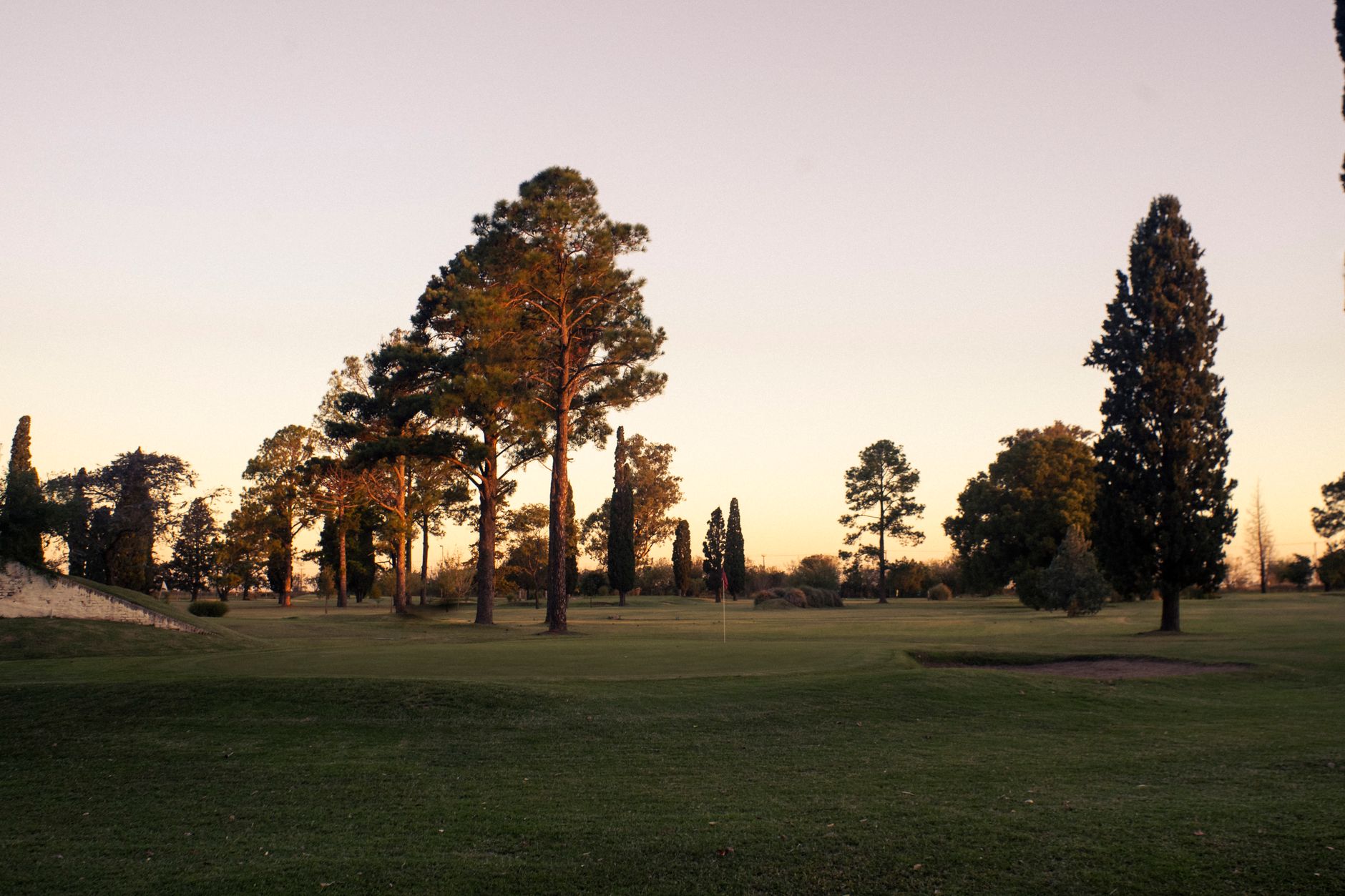
Golf turf debris reaches a club pool deck by three routes: wind, blowers and foot traffic. Clippings, sand, leaf litter and seed pods leave the course on air currents or stick to shoes, carts and wheels, then settle on lounge patios and deck edges. Hard surfaces make the mess obvious, and wet decks hold it.
Most golf facilities clear playing surfaces with blowers, according to a USGA course care article that describes blowers used to clear clippings, tree seeds and other debris from the course. A blower solves the turf but relocates the problem. A deck downwind of a fairway or tee can collect what the blower sends across the boundary.
A workable sweeping plan therefore works at two points: the course edge where debris starts, and the deck where it lands. Sweeping the deck alone treats only the symptom, and a club that controls debris at the edge needs far fewer deck passes.
Which debris reaches the deck, and in what order?
Clippings are the most frequent problem. They arrive after mowing days, stick to damp concrete and collect around pool furniture legs. Sand is less visible but more abrasive, and once tracked onto a deck it works into joints and scratches finishes.
Leaves are seasonal and wind driven. Greenkeeping EU warns that wind can blow leaves back onto the course after blowing, and recommends a vacuum sweeper because it collects leaves, grass clippings and litter instead of moving them. For a deck that sits beside turf, collection is the aim, not relocation.
Older guidance gives a routine rather than a standard. A 1985 Michigan State turf bulletin describes clearing leaves, grass clippings and plugs from the course, cart paths included, late on Friday before heavy weekend use, with a quick second pass the next morning if leaves fall overnight. That bulletin predates current equipment, so treat its timing as a starting pattern to test.
Can a robot sweep a club pool deck?
Our search for a commercial pool deck sweeping robot mostly returned underwater pool robots. Those machines collect leaves from the water surface and work in the pool, so they do not apply to deck surfaces. We did not find a commercial deck sweeper built for club pool decks in the sources we reviewed.
A homeowner forum thread describes a residential walk behind concrete deck sweeper. The poster said it needed several passes to clear debris, and some reviewers wanted a heavier duty model. That is personal experience, not a test, but it points to a job that may ask for more than one light pass.
For a club, the answer is a site test, not a catalog pick. Deck material, drain layout, furniture spacing and the debris mix decide whether a compact floor robot or a larger sweeper fits. Until a unit runs on your deck, any claim about clearing it in one pass is only a claim.
Where should the sweeping plan start at the course edge?
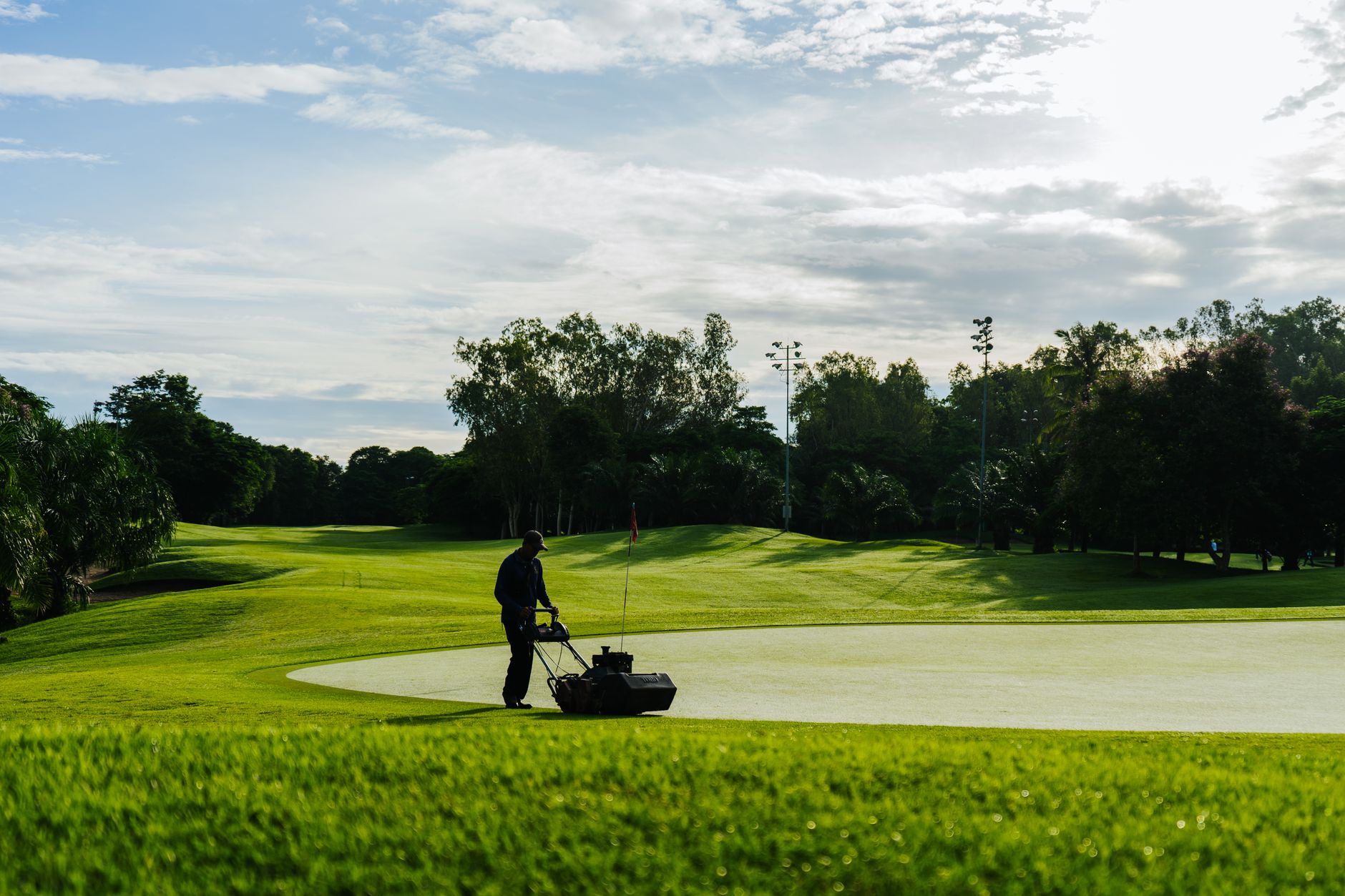
Control debris before it reaches the deck. Golf Course Industry describes superintendents using mower grass catchers and hard plastic bins placed beside cart paths, so clippings are collected at the source instead of blowing onto paths. The same logic applies at the deck boundary, with a catcher, a bin or a sweep on the course side.
Sequence matters. A deck sweep that runs before the blowing day finishes is wasted labor. A practical order is course work first, then the deck, so the robot or crew clears what the course sends across. Choose the sweeper by surface and debris, and let the course schedule set its start time.
How do pool hours set the sweeping window?
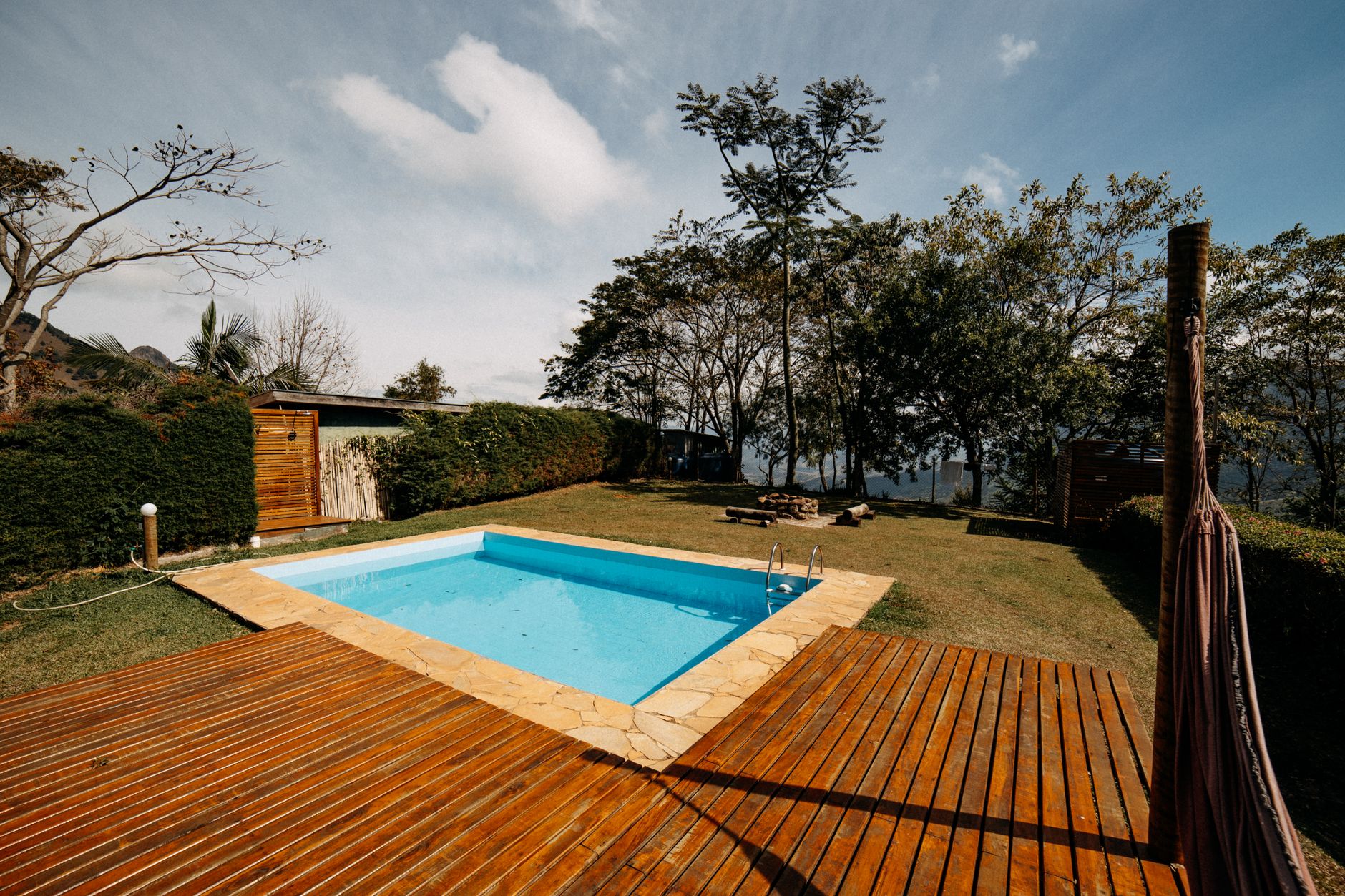
Pool hours, not golf hours, set the window. Decks need to be clean before guests arrive, and loose debris should not reach the water during swim sessions. A sweep that runs in a quiet window keeps guests and staff out of the path.
The overnight window gives the longest uninterrupted run. The morning window catches what the course sent across after the last mowing day. Test both on a pilot before you commit to a single slot.
- Early morning, after the course mowing and blowing day finishes and before the pool opens to guests.
- Midday lull between lunch service and the afternoon swim rush, for quick spot passes on lounge patios.
- Overnight or after closing, for a full deck and lounge pass when no guests are present.
What should a deck pilot prove before a lease?
Run a short pilot on one deck and one lounge patio. Record how many passes clear clippings, sand at the edges and leaf debris. Note how the sweeper handles furniture legs, drain grates and the step between deck and coping.
Track staff touch time, charging time and any moments when the unit stops. A pilot that needs a person at every stop is not yet a lease candidate. A pilot that clears the deck in one pass during a quiet window is a stronger case.
Set the pass count against the forum experience: if a light unit needs several passes, the schedule and the unit size both change. Those numbers belong in the lease discussion, not in a sales estimate.
How does Service Robot Co. approach a club deck plan?
Service Robot Co. is OEM neutral. We pick the right robot for the deck across manufacturers, then lease it through financing, deploy and integrate it, train staff and service every unit under RoboCare, our service plan. One vendor covers the lifecycle, so the club works with one partner and one number.
We begin with a site assessment that covers deck material, drainage, debris mix, the course edge and pool hours. The result is one fixed robot lease payment on a three year lease, quoted after the assessment. A club that wants to see the debris pattern first can scope one deck before any full commitment.
What does the wider robot market say about cleaning robots?
According to IFR as reported by Supply Chain Digital, global professional service robot shipments rose 24% to almost 250,000 units in 2025. Supply Chain 247's coverage of the same IFR data says professional cleaning robots ranked third with a 12% share, behind transport and logistics and hospitality, with floor cleaning as the main application.
Read these figures as a sample, not a census. Rocking Robots' coverage of an earlier IFR edition said the data came from 238 producers out of 1,001 manufacturers and were not projected to the whole industry. A club board can use the trend to see where cleaning robots sit, but the figures cannot price a particular deck.
Frequently asked questions
Want a robot working for you?
Tell us the job and the site. We will recommend the robot, quote the lease, and keep it serviced.