Key takeaways
- Weekend spills and grit gather at the entry mat and along the aisles to the register, so start the route there.
- Clear aisle width and turning room at each rack decide robot size before any feature list does.
- Run the full route after closing and keep mid-day passes short, pausing them whenever the entry area is busy.
- Check thresholds and mat edges on a site walk, because they often decide whether a route works.
- A site assessment comes before the fixed lease quote, so the layout sets the robot choice.
Which floor robot fits a pro shop with apparel racks?
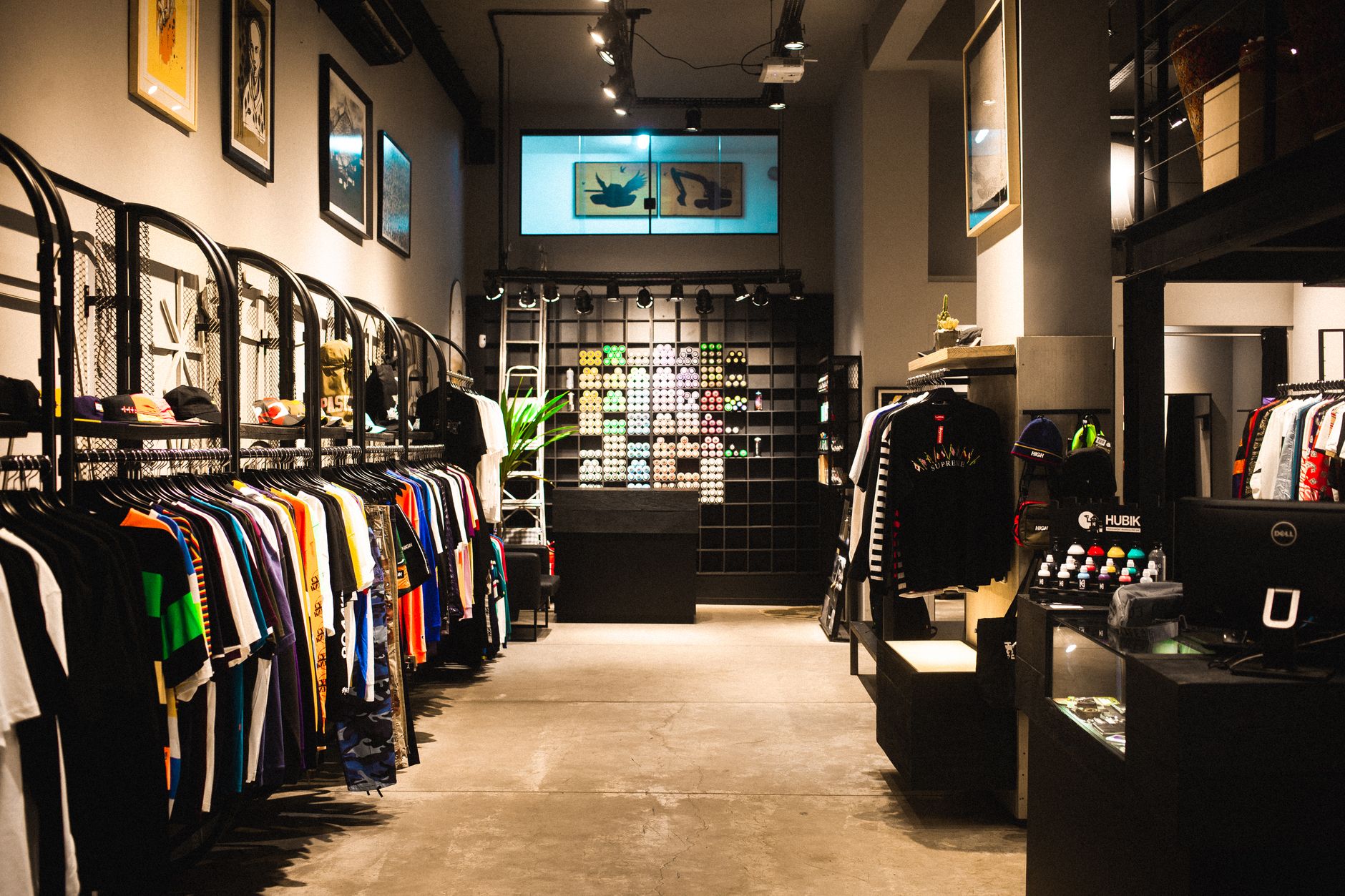
A pro shop floor is small, busy and mixed in traffic, and the robot that fits it is usually a compact floor scrubber or vacuum that can thread between apparel racks and tee displays. Size follows the layout. The clear aisle width, the turning room at each rack end and the number of tight corners matter more than any headline feature on a brochure.
Weekend spills, wet cleats and grit from carts tend to collect in two places: the entry mat zone, and the aisles that run from the door to the register and the lesson or fitting area. A route that covers those first, during quiet hours, usually recovers more clean floor than one that tries to cover the whole sales floor at once.
Where does a pro shop floor actually get dirty?
Traffic in a pro shop is uneven. Members arrive from a wet lot or a cart path, stop at the entry mat, then walk straight to the apparel wall or the ball display. That path carries grit and moisture, and it wears the same strip of floor every weekend.
Tee displays and fixture bases create a second problem. Customers linger, bags get set down, and small debris settles under and around low displays where a standard sweep rarely reaches. Those pockets are where a robot earns its keep, provided it can get close enough to them.
Weather drives the load too. A wet Saturday leaves more grit than a dry Tuesday, so plan the route around the heaviest weekend footfall, not the average day.

How does rack layout set the robot's route?
Apparel racks are the first thing to map. Racks on casters move, and many shops reset wall displays each season, so a route drawn once goes stale quickly. Plan the route around the layout as it looks in peak season, with room left for the next reset.
Look hardest at dead ends and corners. A rack pushed into a corner, or a display island that leaves only a narrow gap, creates a spot the robot cannot clean and may not exit cleanly. Those are the places to test on a site walk before anything is scheduled. Measure these points first:
- Clear width at the narrowest point on the main path from the entry mat to the register
- Turning room at each rack end and around every tee display island
- Fixture bases low enough to catch the robot's body or sensors
- A charging spot that will not block a walkway, the register line or an exit
- Height of any threshold between the vestibule and the sales floor
How do you choose robot size by aisle and clearance?
Size depends on the narrowest path the robot must use, not on the square footage of the shop. A compact unit suits a floor where racks leave a clear lane and most of the surface is hard flooring. A larger scrubber makes sense only when open floor is wide enough to turn it without crowding customers.
Compare the robot's published footprint and turning figures from the manufacturer's spec sheet against the clearances you measured. Do not work from a general size label. When a unit misses a clearance by a small margin, moving one rack or one tee display often fixes the problem faster than changing robots.
When should the robot run around weekend traffic?
The strongest window is the gap between closing and opening, when no members or staff cross the floor. Running during active sales means the robot meets bags, carts and people in its path, which slows both the run and the shop.
Plan two passes. A closing or overnight pass covers the full route. A short mid-day pass covers only the entry mat and the aisle nearest the register, and it pauses whenever that area fills up with arrivals.
What should you check at the entry mat and thresholds?
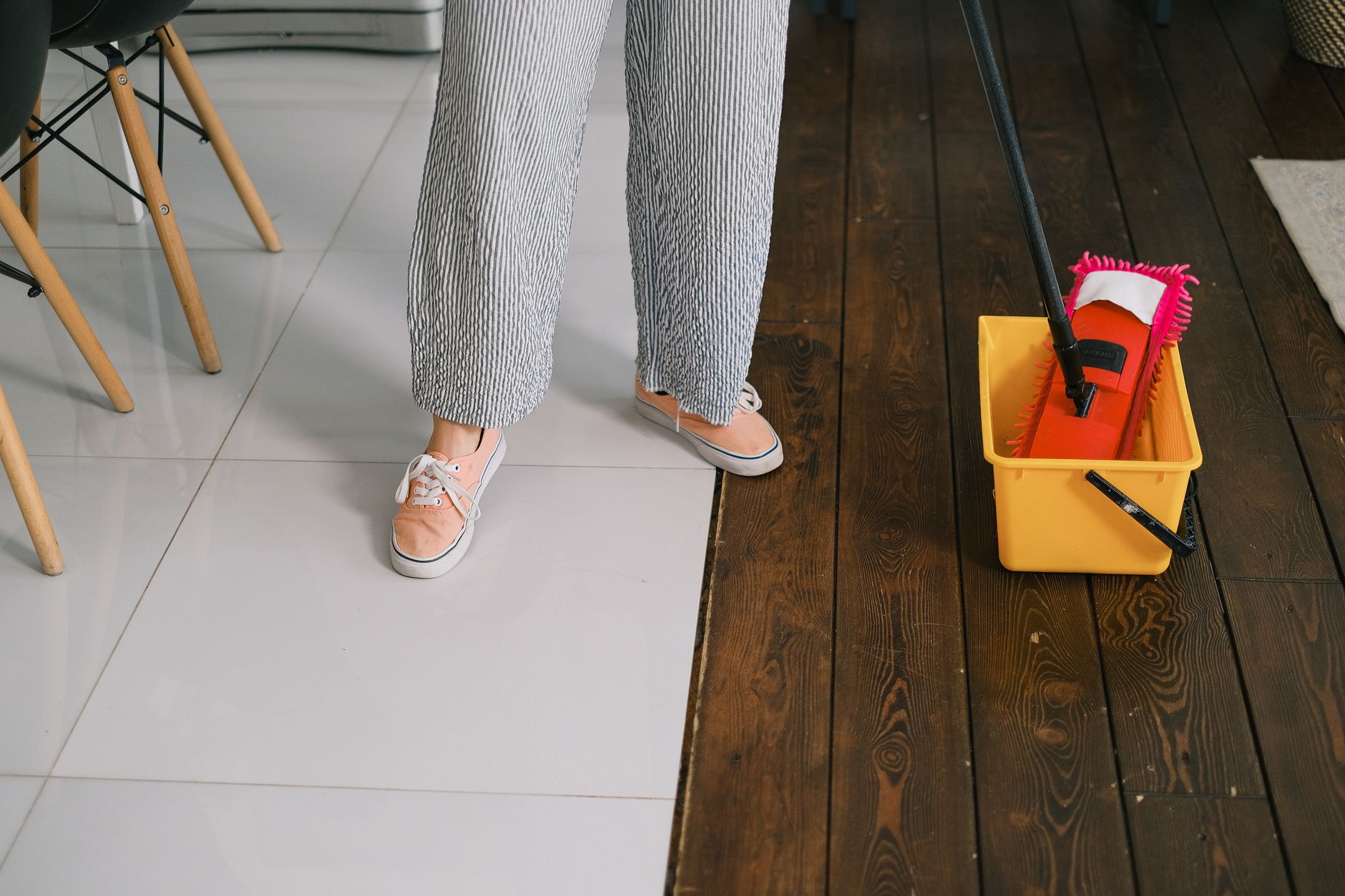
Entry mats hold much of the tracked-in grit, and they are among the least predictable surfaces for a robot. Check whether the mat lies flat, whether its edges lift, and whether the step from vestibule to sales floor has a lip the robot can climb. Test at the real threshold rather than trusting a spec sheet's ideal surface.
Wet floors need the same care. Ask the vendor how the robot behaves on a damp tile edge or a wet mat before a run is scheduled, and confirm that answer on your own floor during the trial.
How does Service Robot Co. fit a site like this?
Service Robot Co. is a full-service commercial robot integrator for US businesses. We are OEM-neutral, so we select the right robot across manufacturers, then lease it on a 3-year lease, deploy it, train staff and service it under RoboCare, our service plan, through regional service engineers in every state we service. One vendor covers the lifecycle, so the team that maps your racks also handles go-live and the service calls that follow.
The lease is quoted as one fixed payment after a site assessment. We walk the layout, measure the clearances described above, and quote only once we know which robot fits the route. That order keeps the robot choice tied to your floor.
What do the industry figures say about floor robots?
Figures from the International Federation of Robotics, as reported by Kyodo News PR Wire, show global professional service robot shipments rose 24% in 2025 to almost 250,000 units. Cleaning robots ranked third in that segment, with floor cleaning as the main application.
Cleanzine reported an earlier year: professional cleaning robots, ranked third, grew 34% to more than 25,000 units in 2024, most of them deployed for floor cleaning.
Read these numbers with care. The service robot report is based on sample data and should not be compared across World Robotics editions. VietnamPlus reports the 2026 sample covers 238 suppliers, down from 294 in the 2025 edition. So the figures show market direction, not how many pro shops run floor robots or how much your floor needs one.
Frequently asked questions
Want a robot working for you?
Tell us the job and the site. We will recommend the robot, quote the lease, and keep it serviced.