Key takeaways
- Map the fitness room into zones before the robot's first run, not after the first complaint.
- Run the robot in windows drawn from door access and booking data, with a hold rule for anyone who walks in.
- Course grit lands first at the entry, so give that strip its own early pass.
- Most overnight results published so far come from vendors, so ask for a site trial before you trust them.
- The fixed lease payment follows a site assessment, and RoboCare covers the unit after go live.
Can a floor robot clean a golf club fitness room between members?
Yes, a floor robot can handle most of a golf club fitness room, but only after the room is split into zones and the robot is kept out of hours when members train. The floor is rarely dirty in one simple way. Grit arrives from the course, traffic peaks at predictable hours, and the layout is full of equipment a robot has to route around.
Three decisions come before the first run: which surfaces the robot covers, which zones it works in, and the hours it runs. Get those right and the robot covers the overnight pass a crew would otherwise walk. Get them wrong and it stalls at a threshold, runs into a member, or leaves the entry strip gritty by morning.
Why does course grit make a fitness room harder to keep clean?
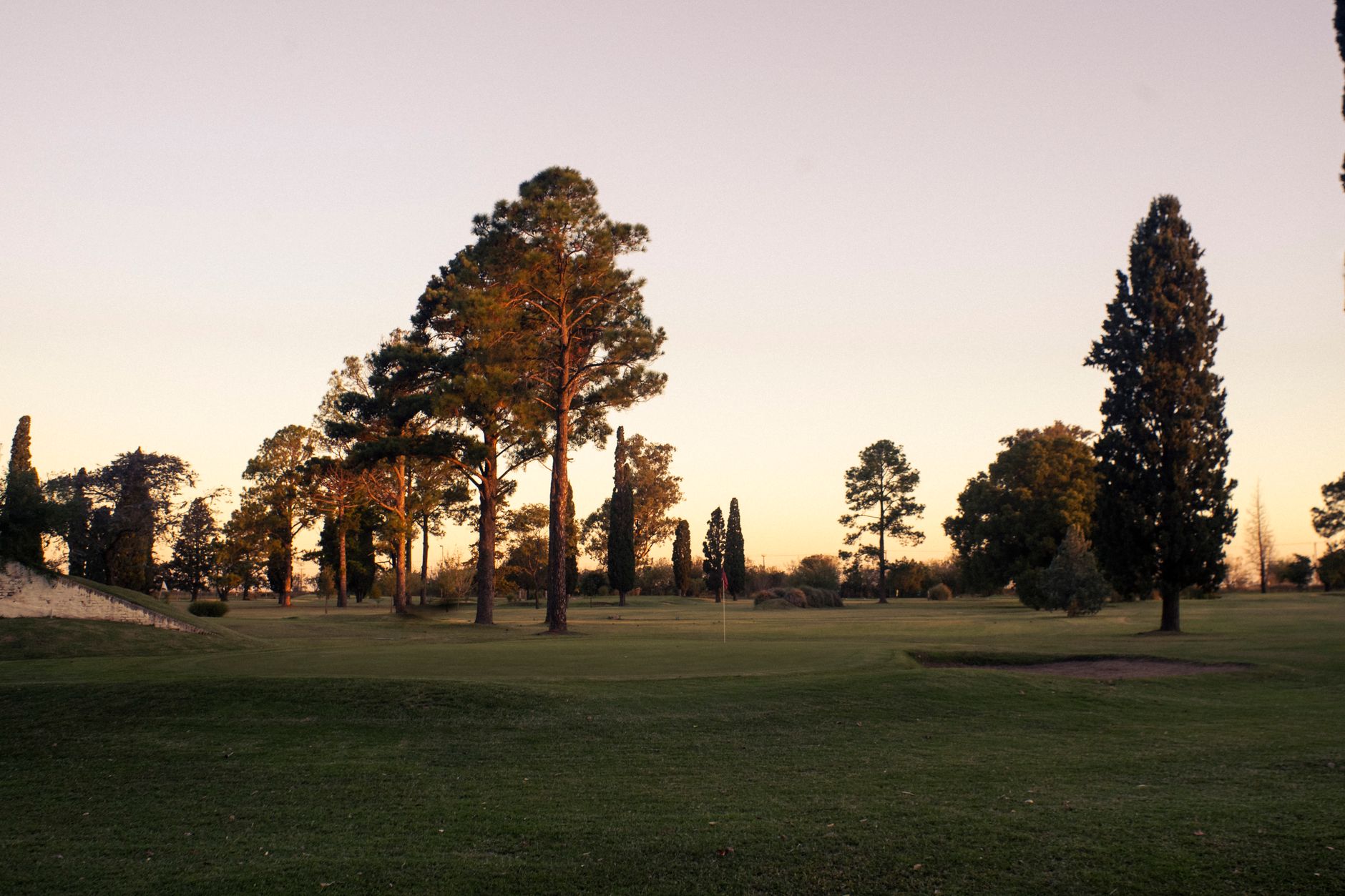
Members come in from rounds, practice sessions and the range with sand, turf crumb and damp soil on their shoes and bags. Much of it lands in the first few meters inside the door, then gets worked into rubber matting and the flooring around the free weights. Once the room fills from late morning into the evening, grit moves faster than a single daily pass can catch up with.
Peak hours matter as much as the grit. Door access records or check in counts will show when the room fills, and those peaks set the working windows for the robot. A schedule built from guesses tends to collide with the busiest members, so the numbers should come from the club.
How should the fitness room be split into zones?
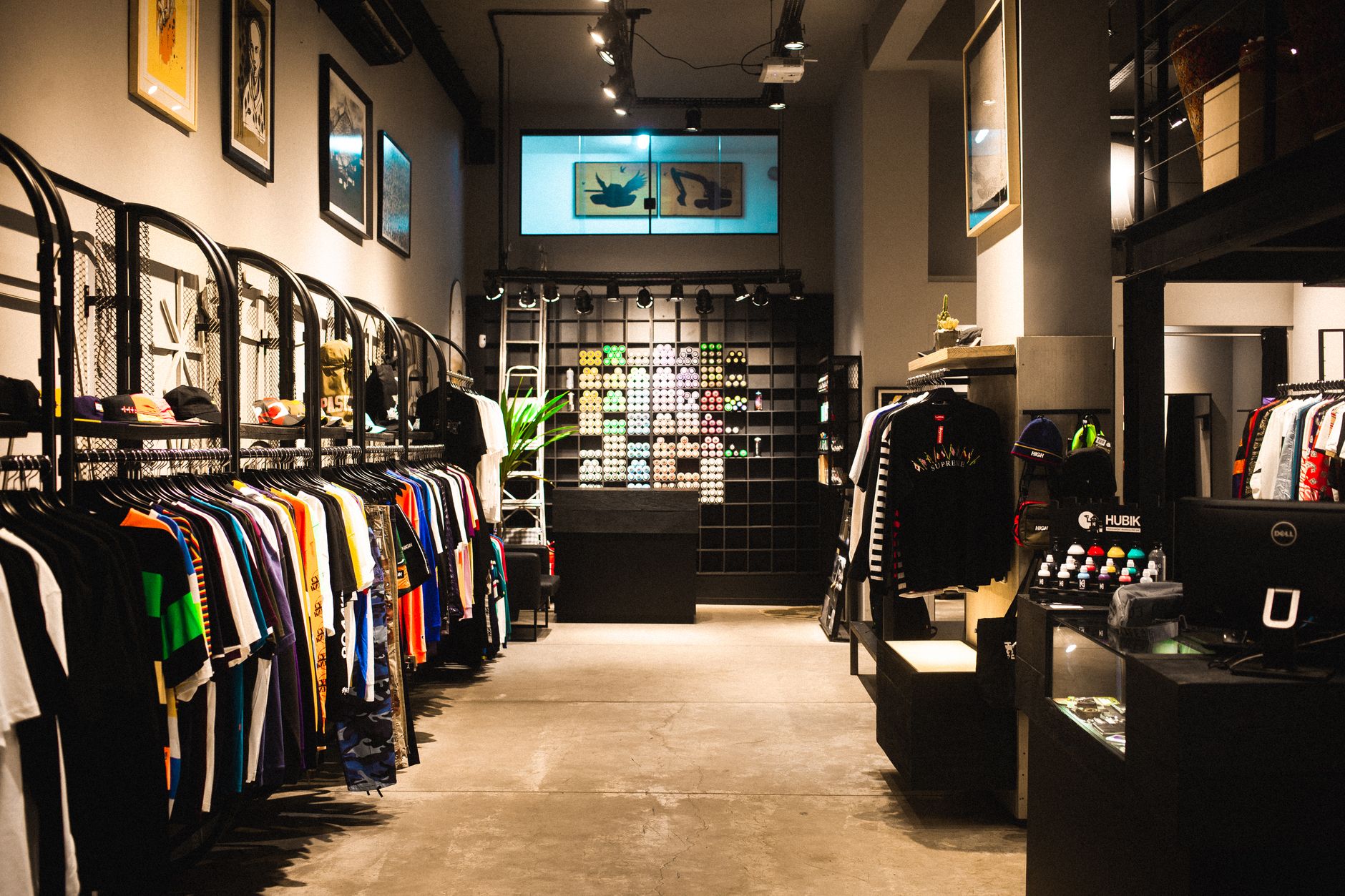
Zoning gives the robot a route and a stopping rule for each part of the room, rather than one open sweep. The site assessment maps the room and records what each area holds and how quickly it gets dirty. Each zone then gets its own run frequency and its own keep out lines.
- Entry strip: the first stretch inside the door, where course grit lands first and needs the earliest pass.
- Cardio row: treadmills, bikes and rowers on hard flooring, with power cords and strips marked as keep out lines.
- Free weight platform: heavy equipment and dropped plates, so the robot waits until the platform is clear.
- Stretch and turf area: softer surfaces that need a surface check before any scrubbing mode is assigned.
- Water and towel stations: small wet spots that get a spot pass instead of a full cycle.
Movable items need a rule of their own
Mats, benches and cones that get shifted often should trigger a remap or a hold, not stay as permanent walls on the map. Otherwise the robot keeps driving at a bench that was moved yesterday. Write the remap trigger into the zone sheet so staff know when to call for one.
What should quiet hours look like for members?
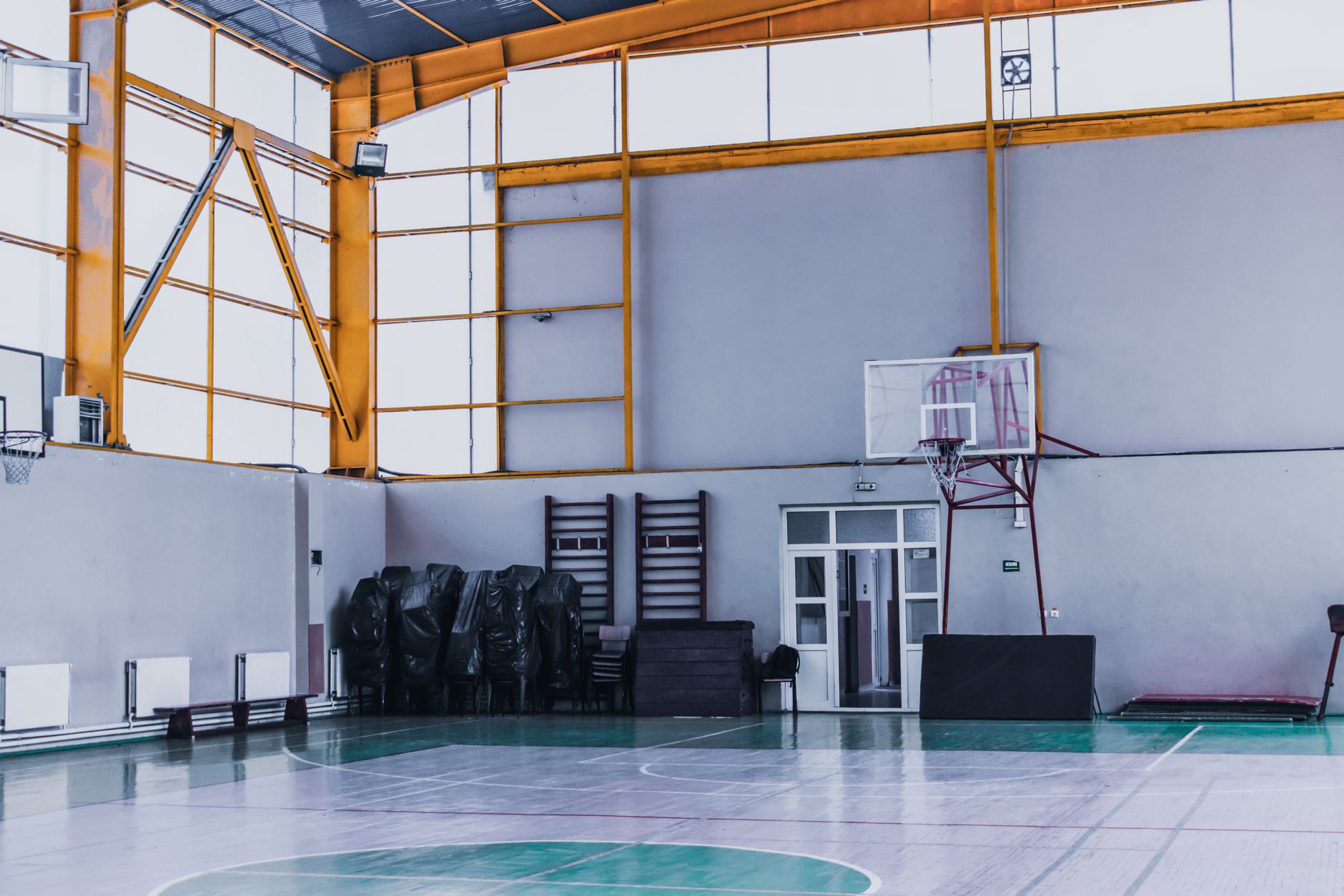
Quiet hours are the windows when the robot runs and members stay out. The club sets them, and the robot follows them. Tying the schedule to access control keeps the door and the robot on the same clock, so no one walks into a pass in progress.
Build the window from the club's data. Find the longest stretch the room sits empty, then leave a margin before members return so the robot can finish a route and dock. Pick the window during the trial, not only in the planning meeting.
A hold rule handles everything the schedule misses. When a member walks in, the robot pauses, backs off to a clear point and waits, rather than trying to thread past them. Keep a reserved catch up window too, so a paused route or a unit out for service does not mean a missed clean.
What have overnight fitness floor cases reported so far?
Most of what is public comes from vendors. Robot Industries published a case on a fitness chain that ran manual overnight cleaning from 10:00 PM to 6:00 AM across about 4,000 square meters per location, with four to five cleaners per gym. The vendor says the Pudu CC1 was adopted for consistent results and that it navigates around fitness equipment. Those are the vendor's claims, not an independent test.
Pringle Robotics published a case study on Grand Rapids Racquet and Fitness, a tennis club in Michigan that adopted its MT1 for overnight cleaning. The club's manager said it removed the risk of cleaners not showing up. The vendor also says setup needed no added wiring and that the dock plugs into a standard outlet, a detail that matters in an older clubhouse.
Kärcher's KIRA B 50 is described in a marketing article as a compact autonomous scrubber for tight spaces, which is a vendor description and not a test. No independent or peer reviewed study of gym floor robots turned up in this review, and no golf clubhouse fitness room case did either. Treat these as leads to check on the actual floor.
What does the wider robot market show about floor cleaning?
IFR reports that global professional service robot shipments rose 24% to almost 250,000 units in 2025. Its executive summary says professional cleaning robots grew especially strongly that year, and that cleaning was among the five largest application groups.
IFR's data for the prior year put professional cleaning robots third among service robot segments in 2024, with sales up 34% to more than 25,000 units, mostly for floor cleaning. Those are 2024 figures and should not be read as 2025 totals.
Market growth tells a club the category is active. It says nothing about if one unit will hold a specific fitness room floor, and that is the question a site trial answers.
How does a club get a floor robot with Service Robot Co.?
Service Robot Co. leases commercial robots through financing on a three year lease. The club gets one fixed lease payment, quoted after a site assessment that maps the room, checks surfaces, outlets and thresholds, and sets the zones and quiet hour windows described above. We are OEM neutral, so the robot is picked for the task and the floor, not from a single manufacturer's catalog.
Deployment and integration covers installation, mapping, staff training and go live support. Service runs under RoboCare, our service plan, with on site dispatch, remote triage and regional service engineers in every state we service. A club can start with one leased unit, then add spare unit coverage if the room's schedule needs a backup.
Frequently asked questions
Want a robot working for you?
Tell us the job and the site. We will recommend the robot, quote the lease, and keep it serviced.