Key takeaways
- A broadcast fairway is judged on stripe clarity and even height, and one poor pass can show on camera.
- Overnight robot passes clear the turf before players and crews arrive, which is the core scheduling advantage.
- Reports on The Belfry's 2026 British Masters describe overnight robot cutting, but the sources are vendor and event reported.
- Published fleet counts differ, 15 versus 16, so quote the number only with its source attached.
- Freeze the pass schedule, hazard map and hand work window before broadcast week starts.
How did robots prepare The Belfry's championship fairways in 2026?
A television fairway is judged on stripe clarity and even height, and a robot mower schedule can protect both, provided the passes land before the first camera. The clearest recent example is the Brabazon Course at The Belfry, which hosted the Husqvarna British Masters, reported as running 26 to 30 August 2026.
Husqvarna's own press release said seven CEORA robotic mowers were helping prepare the course before the championship. Pre event trade coverage said a fleet of 15 would mow overnight during play. Post event coverage quoted The Belfry's Angus Macleod saying the operation grew to 16 CEORA mowers working overnight, while other reports say 15. We have not resolved that gap, so treat the count as open.
Read together, these accounts show that a robot schedule can put clean passes on a championship fairway while players are off the course. They do not prove that every pass met broadcast standards, because the evidence comes from the vendor and the event.
What must a television fairway show on camera?
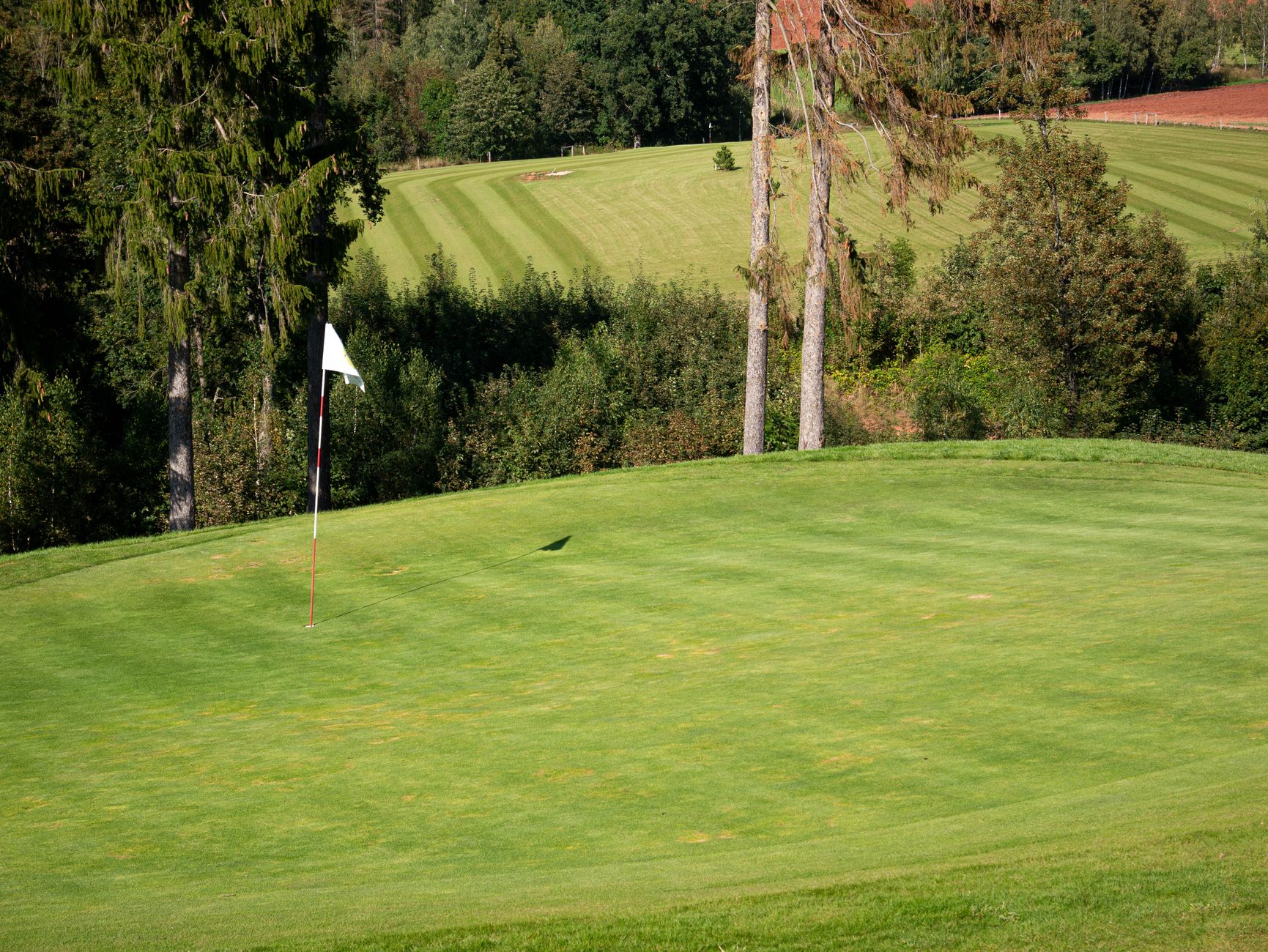
Through a broadcast lens, a fairway is read mainly through two things: stripe clarity and even height. Stripes need visible contrast from one side of the fairway to the other, and height has to hold across the width so the turf reads as one surface rather than a patchwork. A single missed overlap or a scuff from a turning mower can break that read for a whole hole.
Macleod's comments point at the mower side of the problem. He said the lighter weight put less pressure on wet ground and that the mowers left very little visible marking. Low marking matters because a track in the turf can look like a wheel mark on screen, even when the grass itself is healthy.
Stripe direction is set in the mowing plan before any robot runs. The plan has to hold the same direction and overlap through the whole event. Changing the pattern on the eve of play is how a clean field ends up with a mismatched look that the crew cannot explain to the broadcast team.
Why does an overnight pass suit a broadcast day?
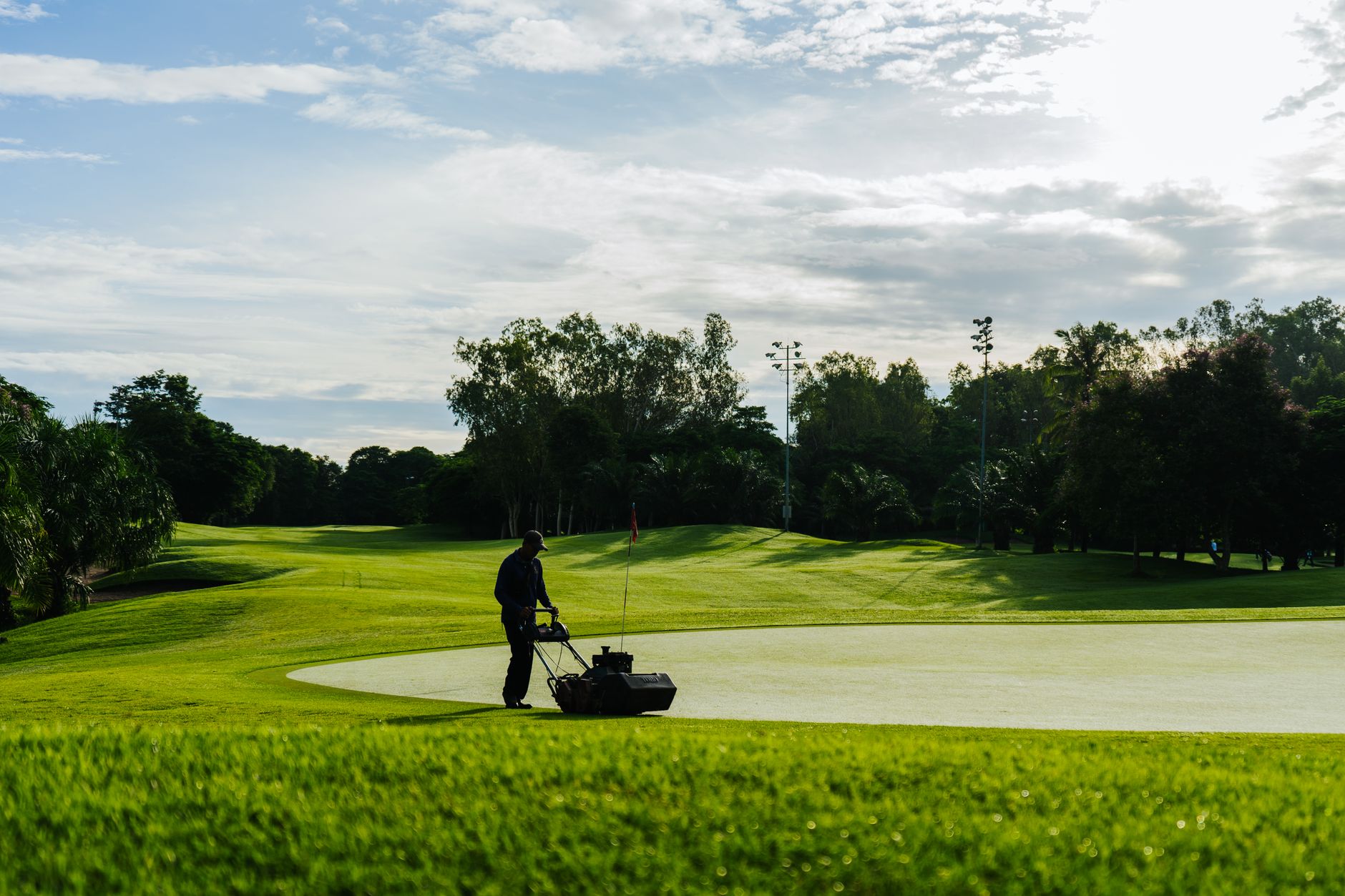
An overnight pass lands when nobody is walking on the turf, so the morning surface is set before players, caddies and camera crews arrive. One trade report says a dedicated Husqvarna team ran the operation from 8pm until 6am. That is a single account we have not independently checked, but it describes the timing that makes the approach work.
Rain is the hard test. Post event coverage says the mowers kept cutting the championship fairways through prolonged thunderstorms and heavy rain. Wet turf after dark cannot be judged by eye alone, so the crew needs run logs and a morning walk to confirm each pass before the first camera.
How do you build a pass schedule that protects the broadcast day?
Start with the schedule, not the mower. The goal is for the final robot pass to finish with enough daylight for a human check, and for no unit to still be running when hand work or setup begins. Work backward from the first broadcast hour.
- Freeze the map and hazard zones well before the event, so no route changes during the final run.
- Set one final overnight pass, plus a stop time for any unit still cutting at dawn.
- Reserve a daytime block for hand work on greens and edges, kept clear of mower routes.
- Write the pause rule down: who calls a hold, and what triggers it, such as lightning or a stalled unit.
- Log every pass with its time, route and any fault, then review the log before the broadcast walk.
What does the 2025 Women's Open precedent add, and what does it not?
Husqvarna's account of the 2025 AIG Women's Open at Royal Porthcawl says 15 CEORA mowers maintained all 18 fairways during the tournament, which the company described as the first live robotic fairway maintenance on the world golf stage. That is a vendor claim, and we did not find an independent review of its results.
Post event coverage also reports that Tournament Director Ben Groutage praised the consistency of the fairways that week. We have not retrieved his full quote, so we report only the general point. Consistency is what a broadcast schedule is trying to deliver, and it is the thing a crew should measure in its own logs.
Where does a leased robot fleet fit this kind of schedule?
Service Robot Co. (servicerobotco.com) is an OEM neutral integrator. We pick the right robots across manufacturers, then lease them on a three year lease through financing, with one fixed lease payment quoted after a site assessment. We deploy, integrate, train and service each unit under RoboCare, our service plan, backed by regional service engineers in every state we service.
For a club planning a broadcast week, that means one party handles the site assessment that maps the fairway, a phased deployment that adds units before the event rather than during it, and go live support for the first overnight cycles. Because service sits under RoboCare, the question of who fixes a stalled unit before a broadcast is settled in the agreement, not on the day.
Frequently asked questions
Want a robot working for you?
Tell us the job and the site. We will recommend the robot, quote the lease, and keep it serviced.
Sources
- Husqvarna press release: automated robotic technology at The Belfry, British Masters 2026
- Golf Business News: autonomous mowers at The Belfry during rain-affected Husqvarna British Masters
- Golf Business News: robotic mower technology in The Belfry's preparations for the Husqvarna British Masters
- Husqvarna: how robots and greenkeepers ushered in a new era at the AIG Women's Open