a US utility-inspection contractor surveying 10,000 poles
How a 10,000-Pole Utility Survey Finished in One Week, Not Three Months
A US inspection contractor cut pole surveys from three months to one week using autonomous drones, with per-pole time falling to 20–30 seconds. See what utilities can borrow.
- 92%
- Time saved
- 10,000
- Poles surveyed
- 1 week
- Project span
- 20-30s
- Per pole
Based on a documented real-world deployment. Figures are from public reporting; the organization is not named.
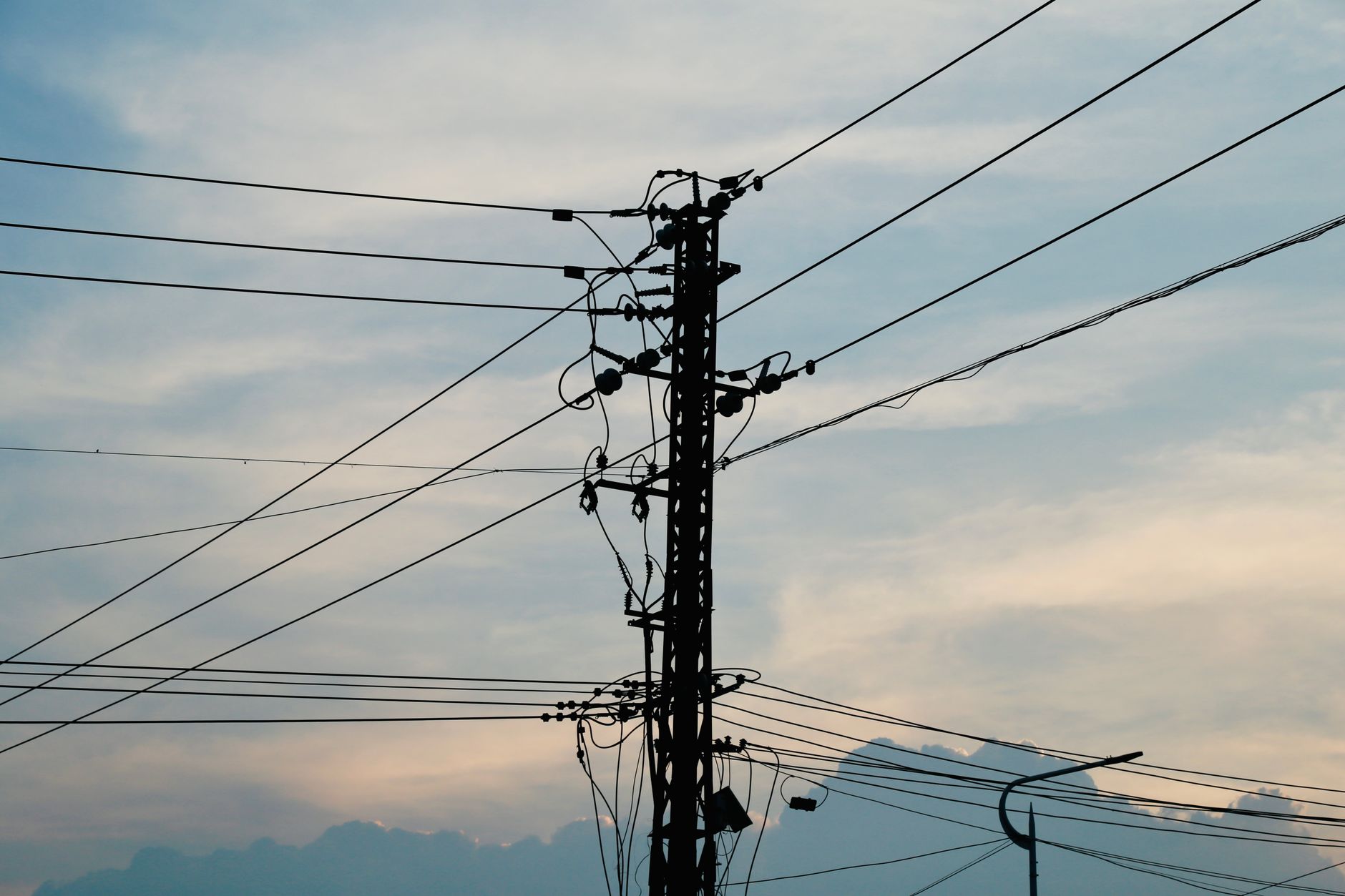
Ten thousand poles and a weather window that would not wait
A US utility-inspection contractor surveying 10,000 poles faced a deadline that manual bucket-truck crews could not realistically hit. Legacy work meant driving to each structure, setting up on public and private rights of way, and spending roughly 15 to 20 minutes on a thorough top-of-pole look in rural spans, or about 30 minutes in the published comparison.
Rain was in the forecast during the assigned week, which shrank the already tight calendar. The owner needed geotagged imagery, not anecdotal notes, so the next maintenance cycle could open the right records.
- Bucket trucks and climb teams at every pole
- Crossing mixed public and private access
- Three month baseline schedule for the full count
Autonomous aerial passes with precise geotags
The contractor used autonomous inspection drones to fly repeatable passes, capture pole-top detail, and attach precise geotags so each asset landed in a searchable library. Onboard autonomy acted as a safety backstop while pilots moved quickly pole to pole.
Crews could review imagery off site instead of resetting a truck at every structure. The workflow targeted distributed assets across rural and suburban circuits under the one week window.
- Plan routes across the full 10,000 pole set
- Capture and tag each structure in the field
- Use autonomy as a secondary safety checkpoint
- Deliver a georeferenced library for future cycles
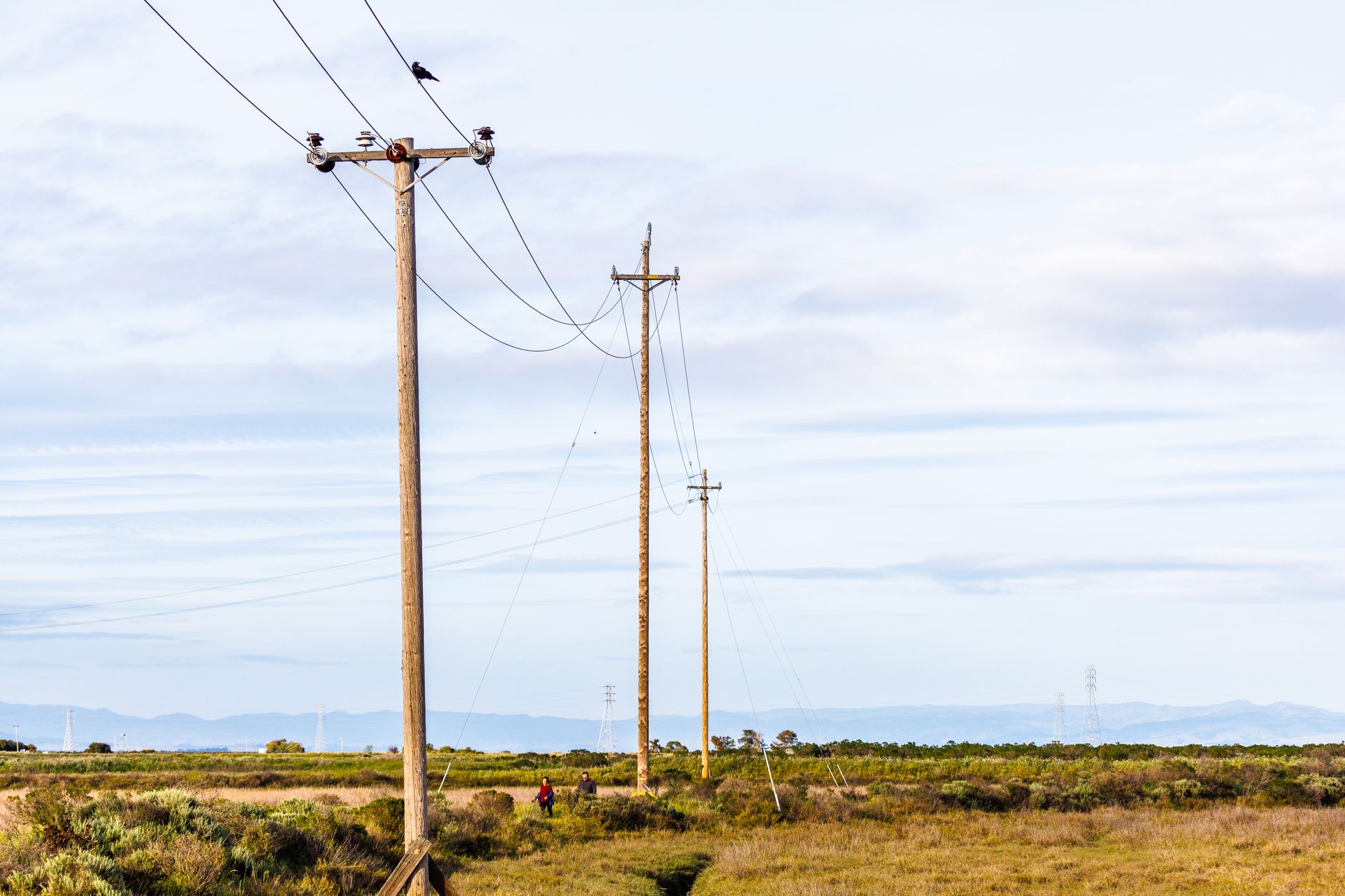
Three months of field time collapsed into seven days
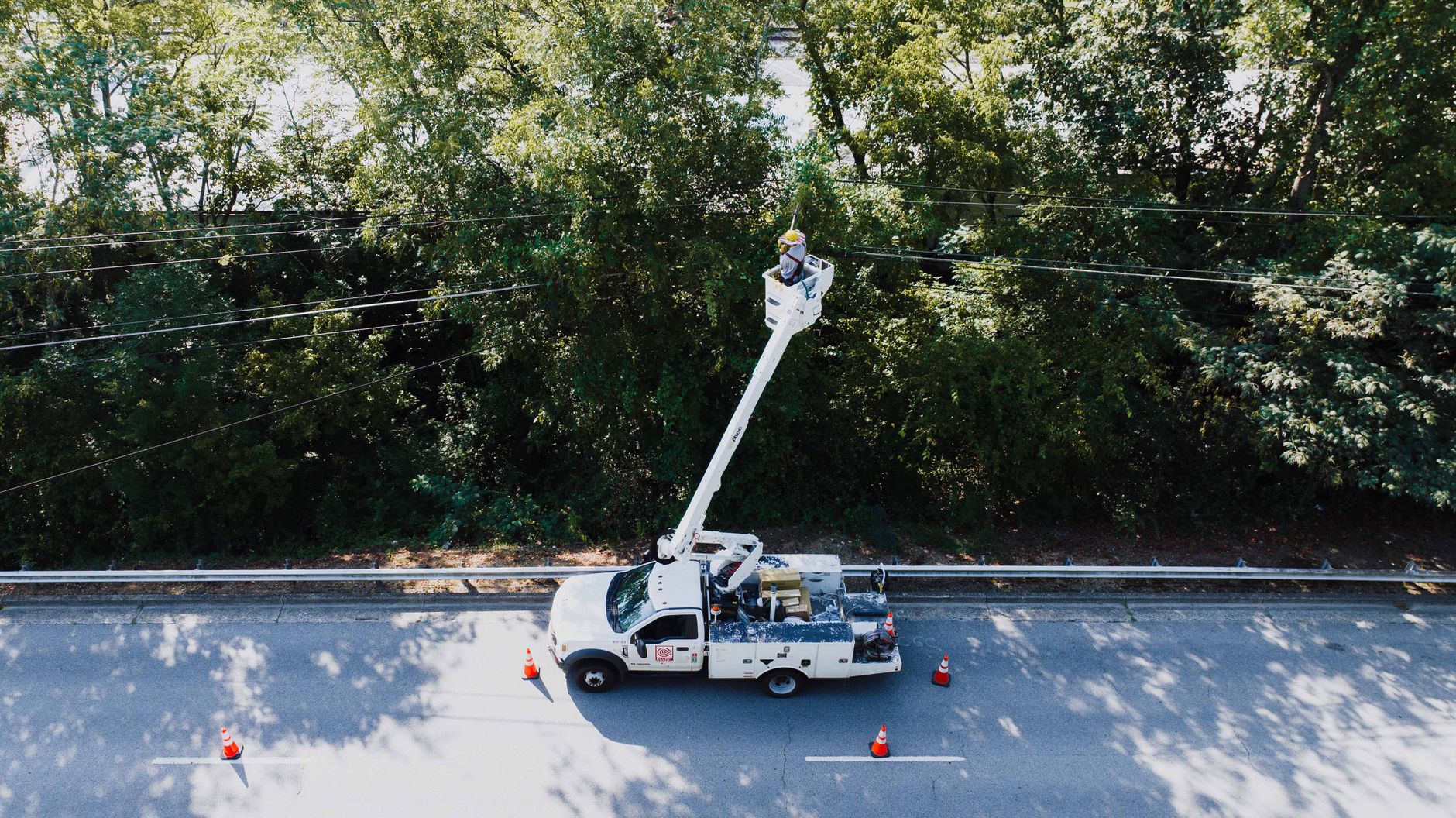
Each pole inspection dropped to about 20 to 30 seconds with the drone workflow, compared with roughly 30 minutes under the legacy truck method cited in the published case. The full 10,000 pole program finished in one week instead of the three month plan.
The documented program reported 92 percent total time savings across the project. Weather still mattered, but the shorter per-pole cycle left room to work inside the forecasted window.
What electric utilities can take from the field trial
Service Robot Co. did not run this survey. We highlight verified field results so US utilities and inspection contractors can compare hardware before they commit capital. The pattern is familiar to our work as a vendor neutral integrator: select the right inspection robot rental or purchase path, finance it, train pilots, integrate data tags, and keep aircraft flying through a nationwide network of regional service engineers.
If your inspection calendar still assumes bucket trucks at every pole, a phased pilot with month to month leasing can prove cycle time on one feeder before you rebid the whole territory. Free site assessment, go live support, and robot maintenance service plans sit in the same contract when you want one partner and one number.