Key takeaways
- Autonomous robots provide 24/7 monitoring of remote substations, deterring theft and vandalism while ensuring constant vigilance.
- Thermal camera inspections by robots detect equipment hotspots and anomalies before they become critical failures, preventing costly downtime.
- Immediate alerts for perimeter breaches, powered by AI analytics, enable a faster response than traditional security measures.
- Integrating robots reduces risks to human personnel, who no longer need to enter hazardous, high-voltage environments for routine inspections.
- A full-service robotics integrator can manage the entire lifecycle, from site assessment and deployment to ongoing maintenance and support.
The Challenge: Securing Unmanned and Remote Critical Sites
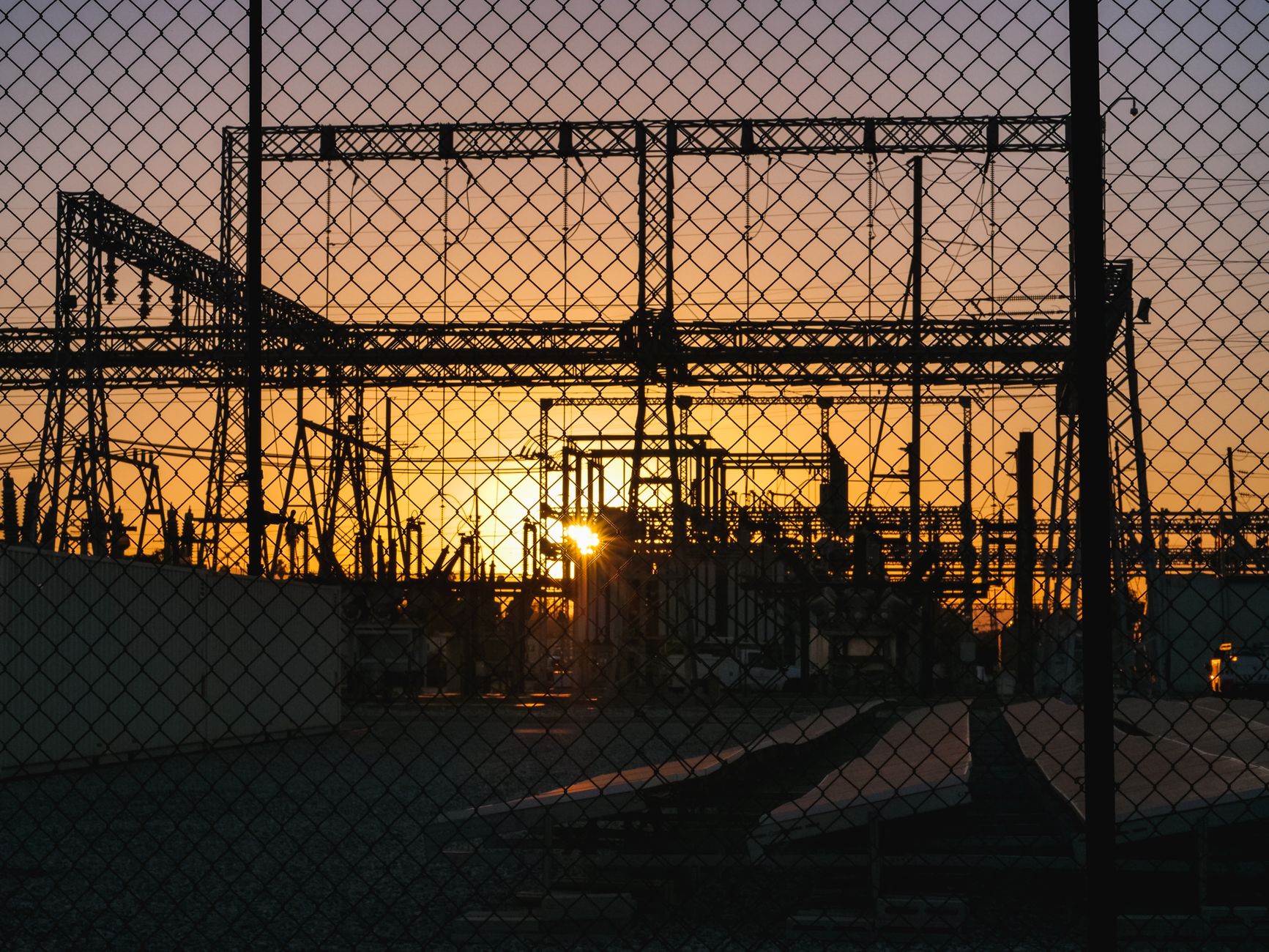
Electrical substations are the nodes of our power grid, essential yet highly vulnerable. Often located in remote, unstaffed areas, these facilities are prime targets for copper theft, vandalism, and even terrorism. A single successful breach can disrupt power for thousands, trigger cascading failures, and incur massive financial losses. According to IBM's 2026 Cost of a Data Breach Report, a breach in critical infrastructure costs an average of $4.82 million. Downtime alone in these sectors can cost up to $125,000 per hour.
A major Midwestern utility faced this precise challenge at a key transmission substation. The remote location made frequent human patrols impractical and costly. Traditional security, relying on perimeter fencing and passive cameras, was proving insufficient. Thieves could often complete a copper theft in under 15 minutes, long before law enforcement could respond to a triggered alarm. The utility needed a solution that offered persistent surveillance, early threat detection, and the ability to assess equipment health without dispatching a crew-a way to be everywhere at once.
This case study details the deployment of an autonomous security and inspection robot fleet to provide that constant, intelligent oversight. The goal was to harden the facility against physical threats while simultaneously introducing predictive maintenance capabilities to ensure maximum uptime and grid reliability.
What Was the Deployed Robotic Solution?
The solution involved deploying a fleet of rugged, all-weather unmanned ground vehicles (UGVs) equipped with a sophisticated sensor package. Each autonomous patrol robot was outfitted with high-definition optical cameras, a radiometric thermal imaging camera, and advanced navigation sensors like LiDAR and GPS. This enabled them to patrol the substation's perimeter and navigate the complex interior environment day or night, in any weather condition.
The robots were programmed to execute randomized, unpredictable patrol routes 24/7. This constant, visible presence serves as a powerful deterrent. Unlike fixed cameras, the robots' mobility eliminates blind spots and makes it difficult for potential intruders to predict surveillance patterns. Any deviation from the norm, such as a person or vehicle detected near the fenceline, would trigger an immediate, real-time alert to the central monitoring station.
Beyond security, the robots performed routine equipment inspections. Their thermal cameras scanned transformers, breakers, and bus bars to detect temperature anomalies-early indicators of potential failure. This data was integrated into the utility's asset management system, shifting their maintenance posture from reactive to predictive.
How Did a Robot Integrator Facilitate the Deployment?
Deploying a sophisticated robotics program at a critical infrastructure site is not a simple plug-and-play operation. It requires deep expertise in robotics, network integration, and the specific operational challenges of the energy sector. This is where a vendor-neutral integrator like Service Robot Co. becomes essential.
As a full-service commercial robot integrator, our process begins with a comprehensive site assessment to map the facility, identify patrol routes, and understand the client's specific security and inspection priorities. We are OEM-neutral, meaning we select the best hardware from across manufacturers to fit the unique environmental and operational needs of the substation, rather than pushing a one-size-fits-all product.
Our nationwide network of engineers then handles the entire lifecycle: financing, physical deployment, and smooth integration with the utility's existing security and data management platforms. We ensure the robots can communicate effectively and that the data they collect is delivered as actionable intelligence. We also provide extensive training for the utility's staff and offer ongoing service and maintenance through a single point of contact, ensuring the fleet operates at peak performance with zero downtime.
What Were the Results of the Robotic Deployment?

The results after one year of operation were decisive. The utility reported a complete cessation of copper theft and vandalism incidents at the site. The constant patrols and immediate alerts proved to be an effective deterrent, solving the core physical security problem. Early detection became the key; alerts were often triggered before a perimeter was even breached, giving security teams invaluable lead time.
On the operational side, the robotic thermal inspections identified three critical 'hotspots' on equipment that were not yet causing operational issues but posed a significant risk of future failure. This allowed the maintenance team to schedule proactive repairs during planned downtime, preventing what could have been a catastrophic and costly outage. The ability to perform these inspections without sending personnel into a high-voltage environment also dramatically improved employee safety.
The return on investment extended beyond preventing losses. By automating routine patrols and inspections, the utility was able to reallocate highly skilled technicians from monotonous rounds to more complex, high-value tasks. The constant stream of data from the robots provided a more complete and accurate picture of the substation's health than periodic manual inspections ever could.
Why is Autonomous Security a Growing Trend in Critical Infrastructure?
The global market for security robots is expanding rapidly, projected to grow from $18.87 billion in 2026 to $65.80 billion by 2034, according to Fortune Business Insights. This growth is driven by increasing security threats and the clear operational benefits demonstrated in case studies like this one.
Critical infrastructure is a primary target, with a recent IBM report noting that 62% of AI-driven cyber-physical attacks targeted these sectors. Compliance with standards like the NERC CIP (North American Electric Reliability Corporation Critical Infrastructure Protection) is mandatory, and automated surveillance helps meet these stringent requirements for physical security monitoring.
Furthermore, the industry faces a significant labor shortage as a large portion of the workforce approaches retirement age. Autonomous systems offer a way to augment human teams, ensuring that critical monitoring and security tasks are performed consistently without fail. They represent a force multiplier, allowing security and maintenance departments to achieve more with fewer resources.