Key takeaways
- Autonomous drones provide a faster, safer, and more data-rich method for inspecting large and complex university campus assets.
- Using drones eliminates the severe risks associated with manual inspections at height, such as falls from roofs and scaffolding.
- The cost of a drone-based inspection can be 60 to 75 percent lower than manual methods that require scaffolding or rope access.
- Drones capture high-resolution visual, thermal, and 3D data that creates a precise historical record for preventative maintenance.
- A full-service integration partner handles drone selection, deployment, regulatory compliance, and maintenance, reducing the burden on facility teams.
What Are Autonomous Drone Inspections for Campuses?
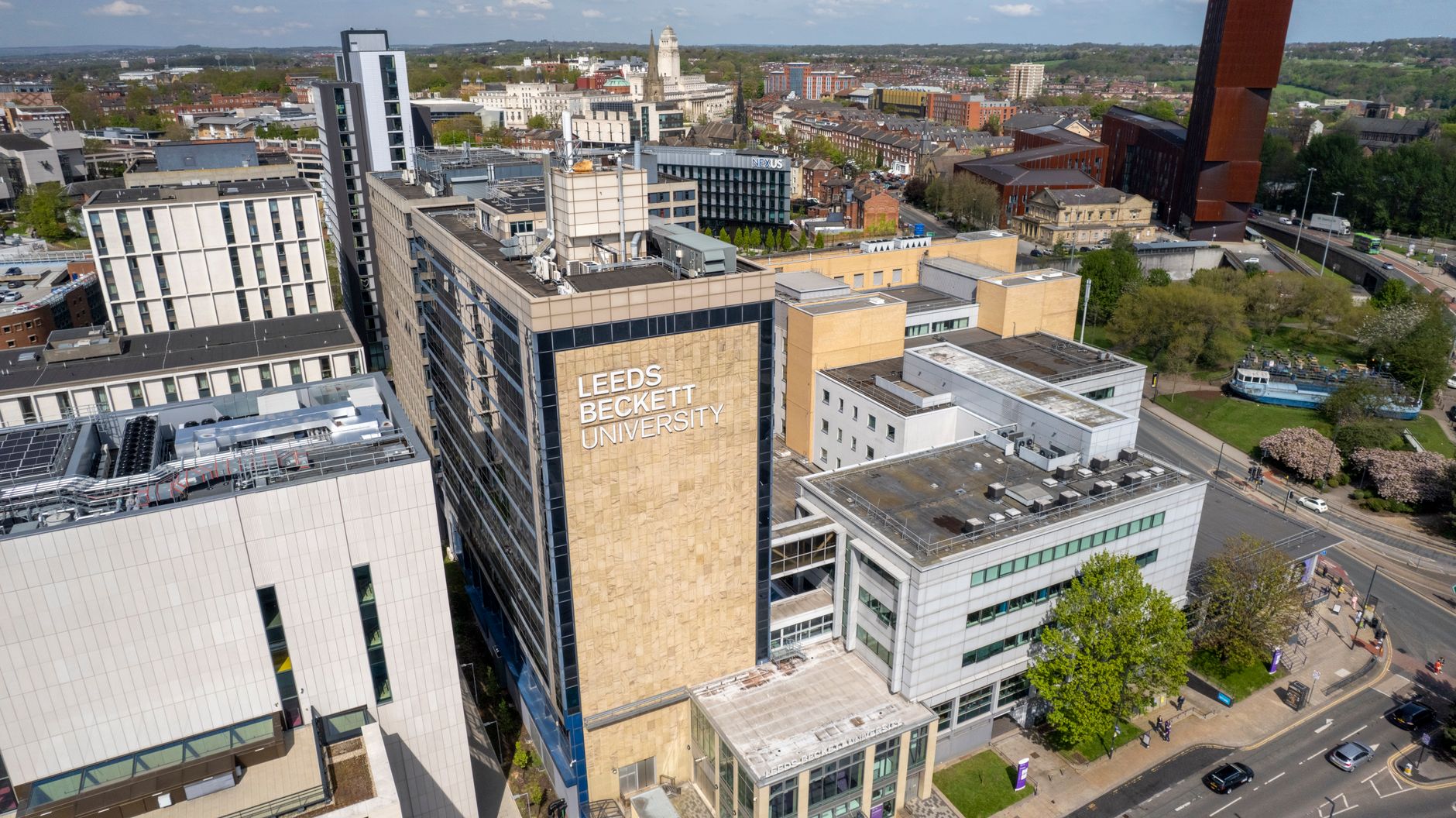
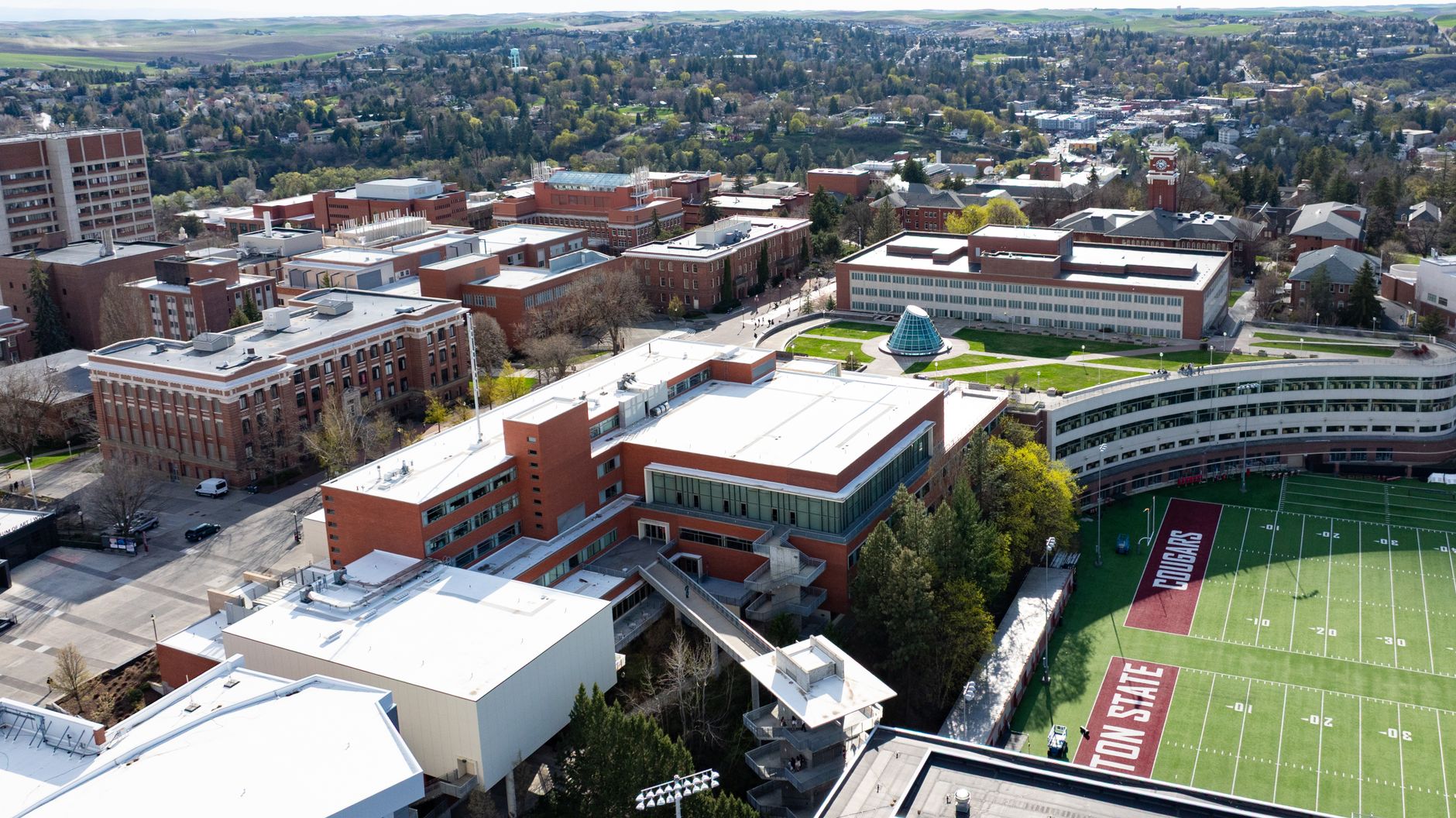
University campuses are sprawling, complex environments with diverse and aging building portfolios. For a facility manager, maintaining these assets is a monumental task. Autonomous drone inspections offer a modern approach to this challenge, providing a faster, more thorough, and significantly safer way to assess the condition of everything from academic building roofs to historic stone facades.
Instead of relying on scaffolding, aerial lifts, or dangerous manual climbs, this method uses unmanned aerial vehicles (UAVs) equipped with high-resolution cameras and advanced sensors. These drones fly pre-programmed routes to capture detailed data from any angle, giving your team a complete picture of an asset's health without ever leaving the ground.
This guide explores the specific applications for university campuses, detailing how drones can reduce costs, improve safety, and provide the critical data needed for proactive maintenance and long-term capital planning. It moves inspections from a high-risk, time-intensive chore to a strategic data-gathering operation.
How Do Drones Handle Roof and HVAC System Checks?
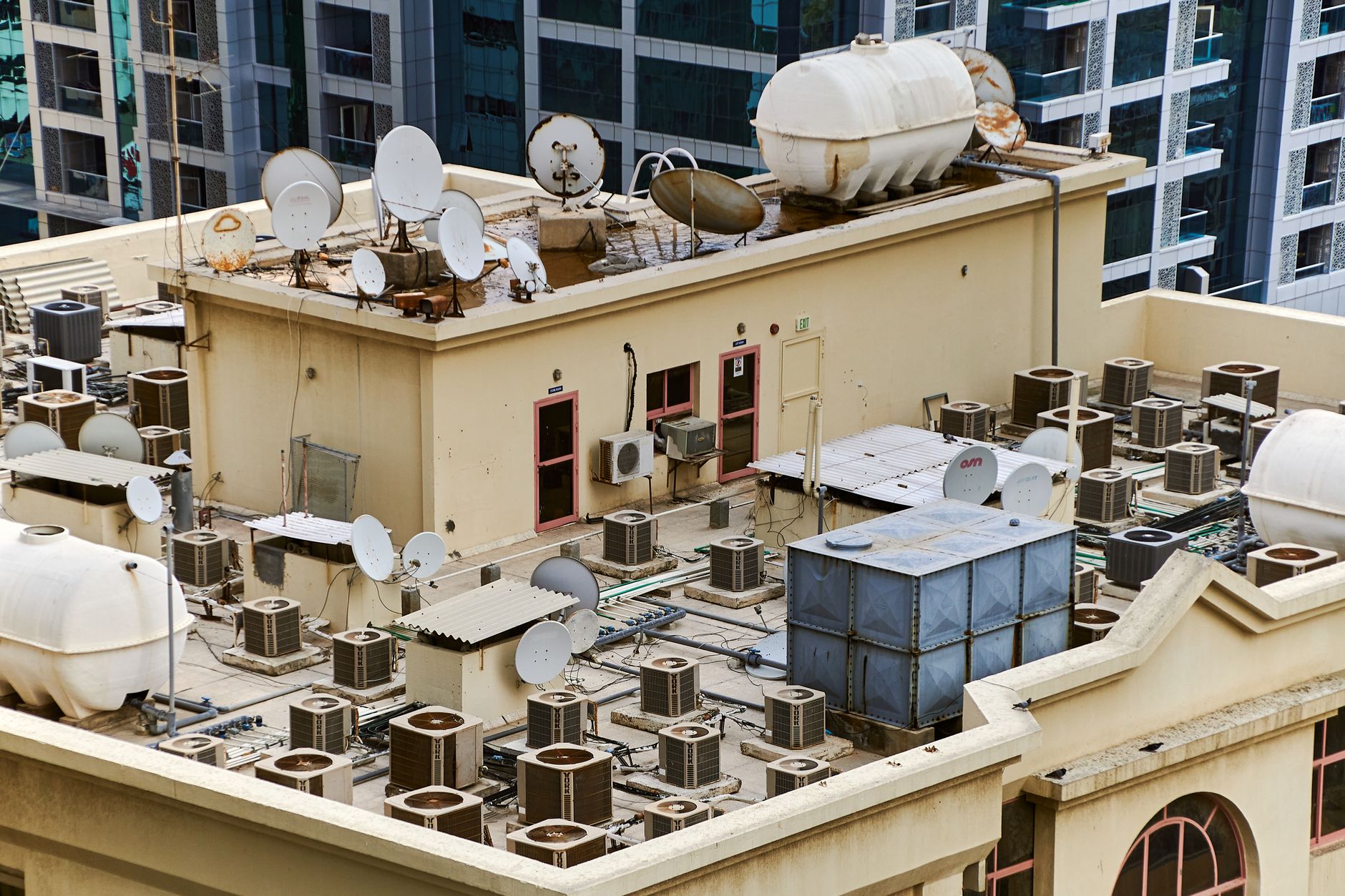
The sheer scale of roofing across a university campus makes it a primary candidate for drone inspections. A drone can survey a large, complex roof in minutes or hours, a task that could take a manual team days to complete. This speed allows for more frequent inspections, enabling teams to catch minor issues like water pooling, membrane damage, or clogged drains before they escalate into major leaks and structural problems.
The data collected is far superior to a visual check from the ground. Drones capture high-resolution images that can be stitched together to create a detailed orthomosaic map of the entire roof surface. This allows you to zoom in on specific areas of concern.
Furthermore, thermal cameras are a key payload. A thermal scan can instantly reveal temperature anomalies that indicate trapped moisture beneath the roof surface or energy loss from the building envelope. This information is invaluable for diagnosing problems and verifying the quality of repairs. The same process applies to rooftop HVAC units, allowing for safe, close-up visual and thermal checks without putting personnel at risk.
Can Drones Safely Inspect Historic and Delicate Facades?
Many universities are stewards of historic buildings, where preserving architectural integrity is paramount. Traditional facade inspections often require costly and potentially damaging scaffolding or lifts that make direct contact with fragile surfaces. Drones provide a non-invasive alternative.
An autonomous drone can fly a precise pattern along a building's exterior, capturing thousands of high-resolution photographs. These images are then processed using photogrammetry software to create a highly detailed 3D model of the structure.
Facility managers and conservation specialists can explore this digital twin from any angle, identifying cracks in masonry, deteriorating mortar joints, or water intrusion points with incredible precision. This allows for targeted, proactive repairs that preserve the building's character and prevent further degradation, all without the risk and expense of traditional access methods.

What is the Role of Drones in Stadium and Arena Maintenance?
Athletic stadiums, arenas, and other large venues present unique inspection challenges due to their immense size and complex structures. A manual inspection of a stadium roof or facade is a significant logistical and financial undertaking. Drones can execute this task far more efficiently.
Beyond standard visual inspections, thermal imaging is particularly useful for these large structures. A thermal scan can help identify areas of significant heat loss, pinpointing insulation gaps or air leaks that contribute to high energy bills. This data allows for targeted retrofitting to improve energy efficiency.
Drones can also perform structural checks on lighting rigs, scoreboards, and seating sections, providing close-up views of connections and components that would be difficult and dangerous to access manually. This helps ensure the safety and operational readiness of these high-value campus assets.
How Do Drones Fundamentally Improve Campus Safety?
The most significant advantage of drone inspections is the dramatic reduction in risk to personnel. Manual inspections of roofs, facades, and other elevated structures inherently involve working at height, which is a leading cause of serious and fatal workplace injuries. According to OSHA, falls are the leading cause of death in the construction industry.
In 2024, there were 389 fatal falls to a lower level in construction alone. These incidents often involve the very equipment that drone inspections replace, such as ladders and scaffolds. By keeping workers on the ground and using a remote tool to gather data, universities can nearly eliminate the risk of falls during routine inspections.
This proactive safety measure not only protects employees but also reduces the university's exposure to liability, potential OSHA citations, and rising insurance premiums. Shifting from a high-risk manual process to a low-risk automated one is a clear step forward in campus safety management.
What Are the Cost and Efficiency Benefits?
Beyond safety, the financial argument for drone inspections is compelling. A recent analysis found that the direct cost of a drone-based inspection is typically 60 to 75 percent lower than an equivalent manual method that involves scaffolding or rope access. This massive saving comes from eliminating the need for expensive rental equipment and reducing the labor hours required for the job.
Efficiency gains are also substantial. Drones can cover large areas in a fraction of the time, meaning assets are inspected more quickly and with less disruption to campus operations. This speed also facilitates more frequent inspections, which is key to an effective preventative maintenance strategy.
By spotting small defects early, such as a minor roof puncture or a failing mortar joint, the university can perform a small, inexpensive repair. This avoids the catastrophic failure that could lead to extensive interior water damage, operational shutdowns, and emergency capital expenditures.
How Do You Implement a Drone Inspection Program?
Deploying an effective drone inspection program involves more than just buying a drone. It requires selecting the right aircraft and sensors for your specific assets, navigating FAA regulations, training and certifying pilots, managing massive amounts of data, and establishing a maintenance protocol.
This is where a partnership with a vendor-neutral integrator becomes critical. Instead of locking you into a single brand, Service Robot Co. assesses your university's unique portfolio of buildings and infrastructure to identify the most suitable technology from across the market. We specialize in creating a cohesive inspection robot rental program that fits your operational needs and budget.
Our approach covers the entire process. We manage the financing through flexible programs like robot as a service (RaaS) subscriptions that eliminate large upfront capital expenditures. Our nationwide network of engineers then handles deployment, site mapping, and staff training to ensure a successful launch.
What Does Full-Lifecycle Support Involve?
A successful program requires consistent support long after the initial deployment. Drones are sophisticated pieces of equipment that require expert maintenance, software updates, and occasional repairs. Managing this in-house, especially across multiple hardware and software vendors, can quickly overwhelm a facilities department.
Service Robot Co. simplifies this by acting as your single point of contact for the entire lifecycle. Our robot maintenance service plans provide a one-vendor, one-number solution for all support needs. We provide remote triage to diagnose issues quickly and on-site dispatch from our US-wide engineer network when hands-on service is required.
Our commitment is to operational continuity. We offer backup units and a zero downtime guarantee to ensure your inspection schedule is never compromised. This full-service model allows your facilities team to focus on using the data to maintain the campus, not on managing the technology that gathers it.