Start with AMR vs AGV, then with what deployment requires
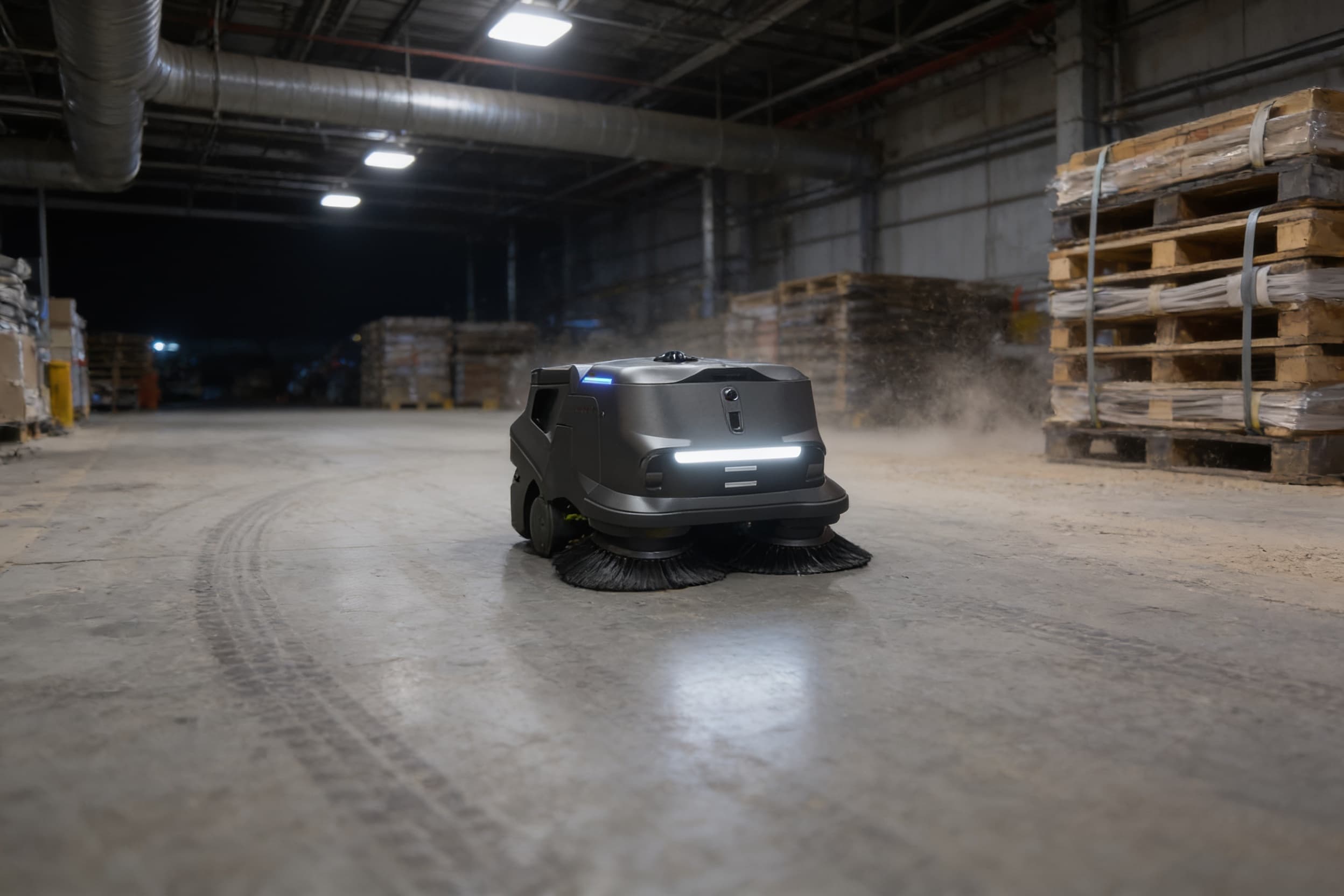
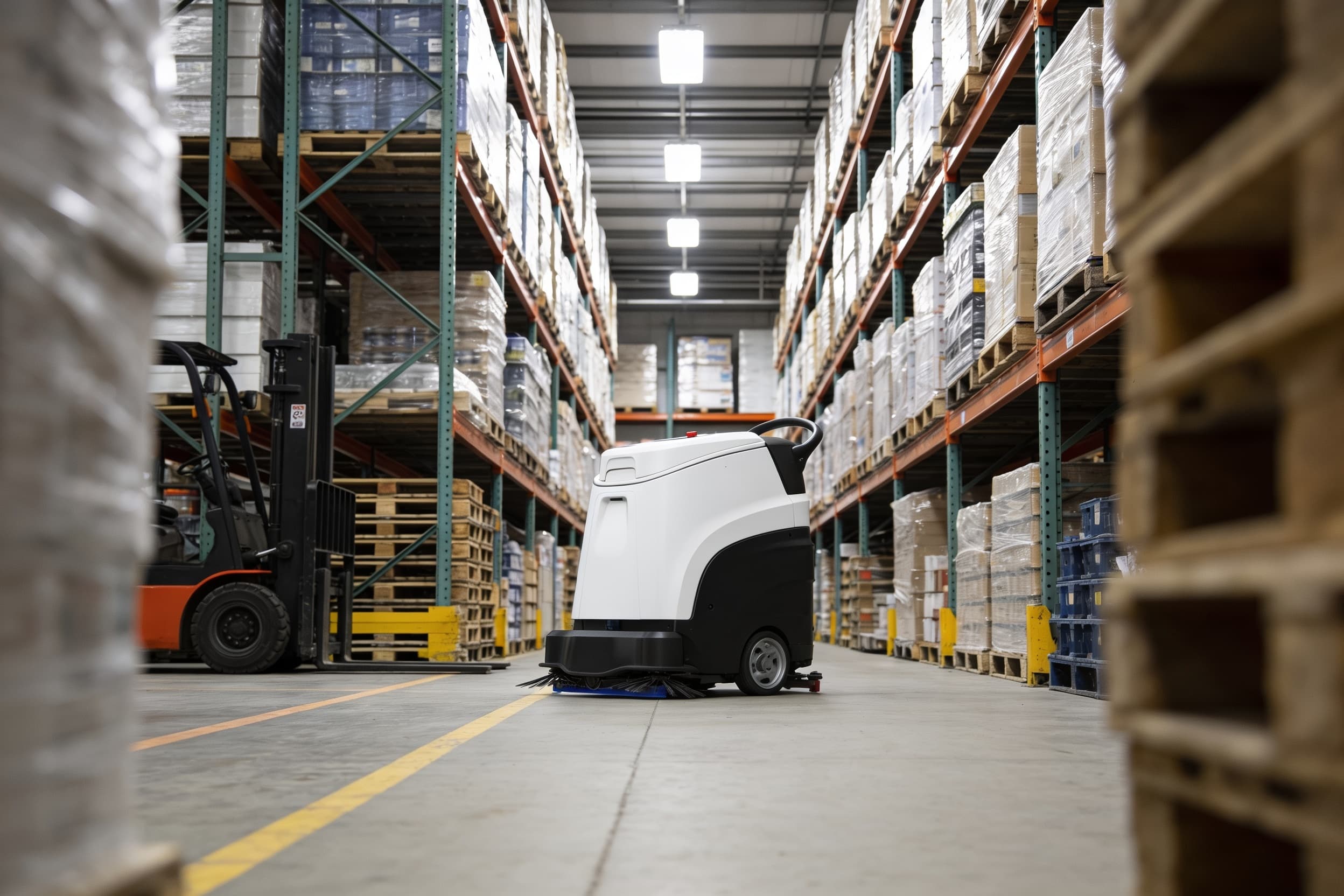
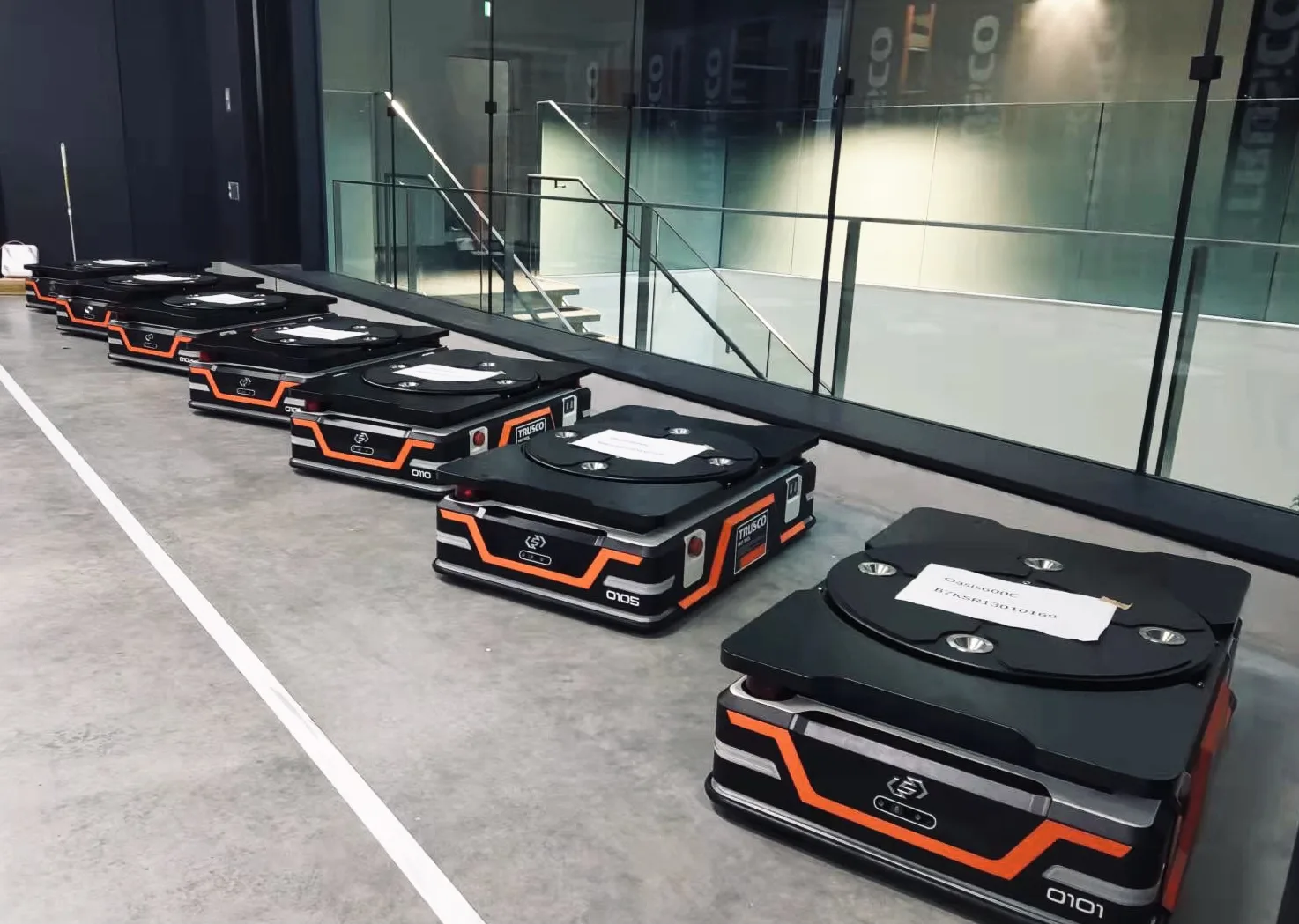
Most warehouse robot mistakes are made before any model is compared, by picking the wrong category. An AGV follows a fixed guide path you install - reliable on a route that never changes, but it stops when the path is blocked and re-routing means re-installing the guide. An AMR carries its own map, navigates freely with SLAM and LiDAR, routes around people and obstacles, and adapts as the floor changes with no infrastructure to install. Fixed high-volume lane → an AGV is often fine; changing layout, mixed routes, or no shutdown possible → an AMR. Our AMR-vs-AGV guide is the neutral, deeper read.
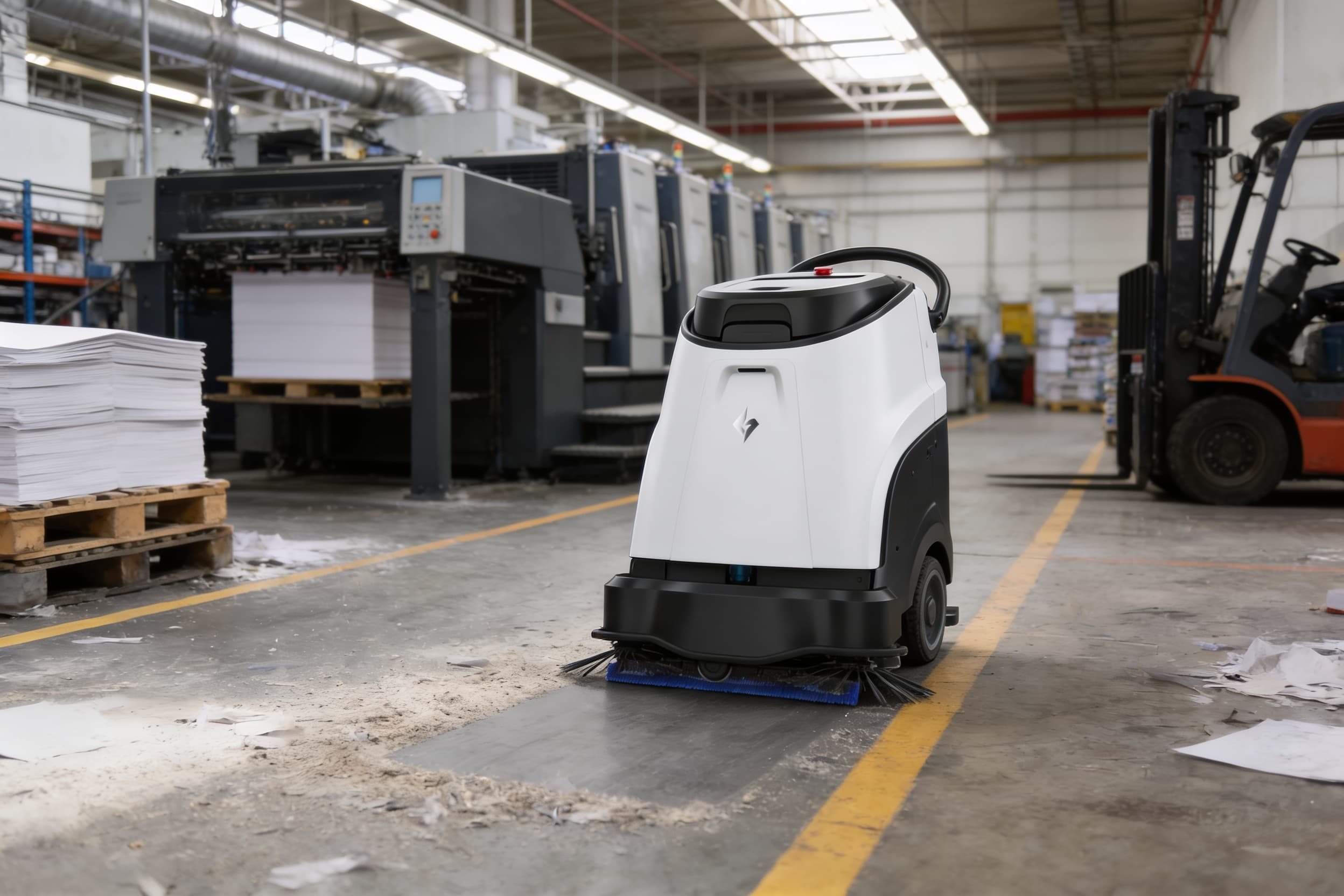
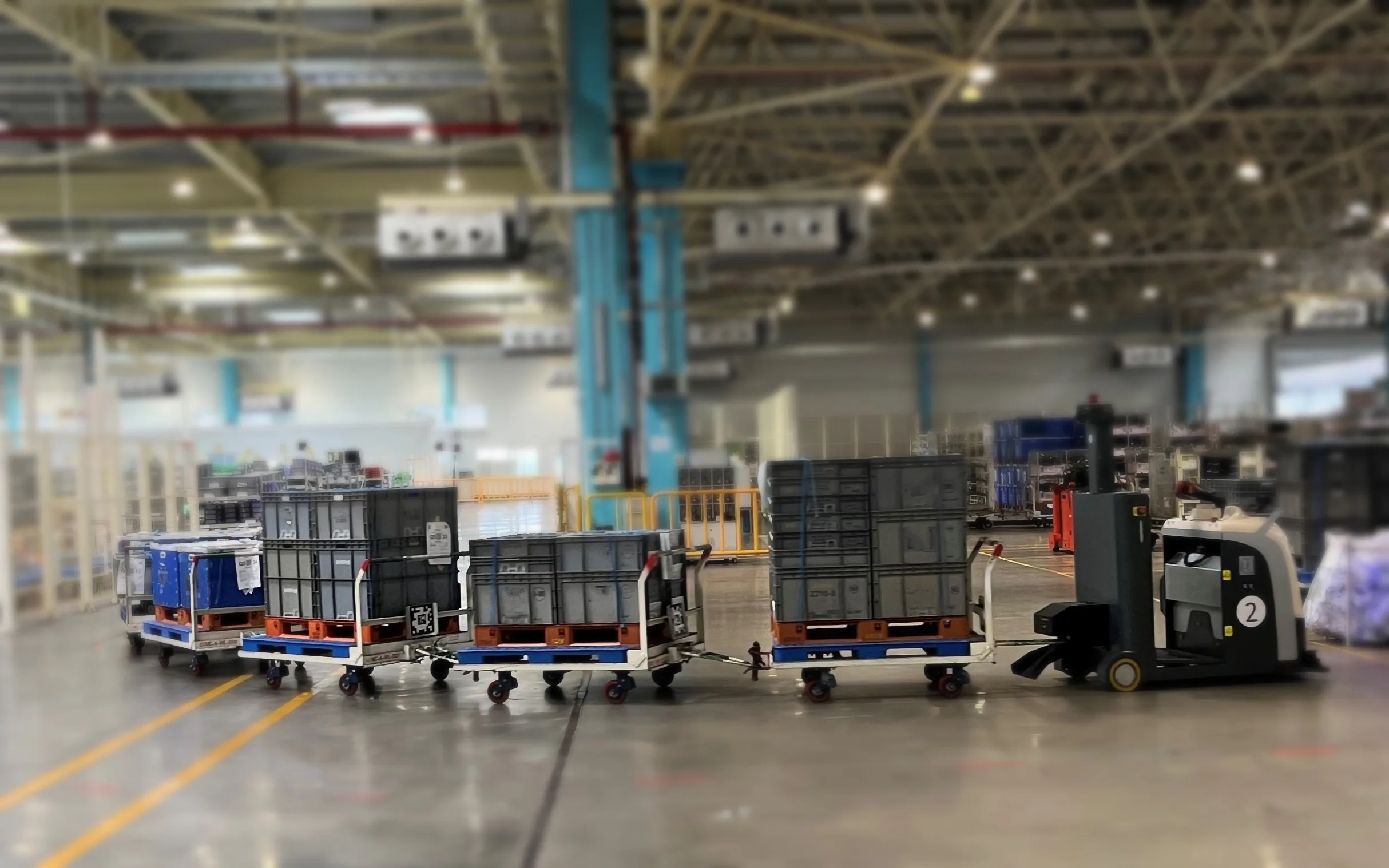
The second decider is deployment. A robot that looks simple on the spec sheet is not simple if it needs a re-racked warehouse or a shutdown to run. This is why the newer collaborative tuggers and AMR-class movers - which learn a route by being walked it, with zero infrastructure change - are winning: you add automation without a construction project. We weight "what does deployment actually require?" heavily when we recommend a unit.