
a 53,800-square-foot cosmetics warehouse
Cosmetics Warehouse Raises Units per Hour More Than 40%
See how a 53,800-square-foot cosmetics warehouse used autonomous forklifts and AMRs to lift units per hour more than 40% at 99.99% picking accuracy.
- 40%+
- Units per hour increase
- 99.99%
- Picking accuracy
- 25,000+
- Daily units picked
- 53,800
- Warehouse square feet
Based on a documented real-world deployment. Figures are from public reporting; the organization is not named.
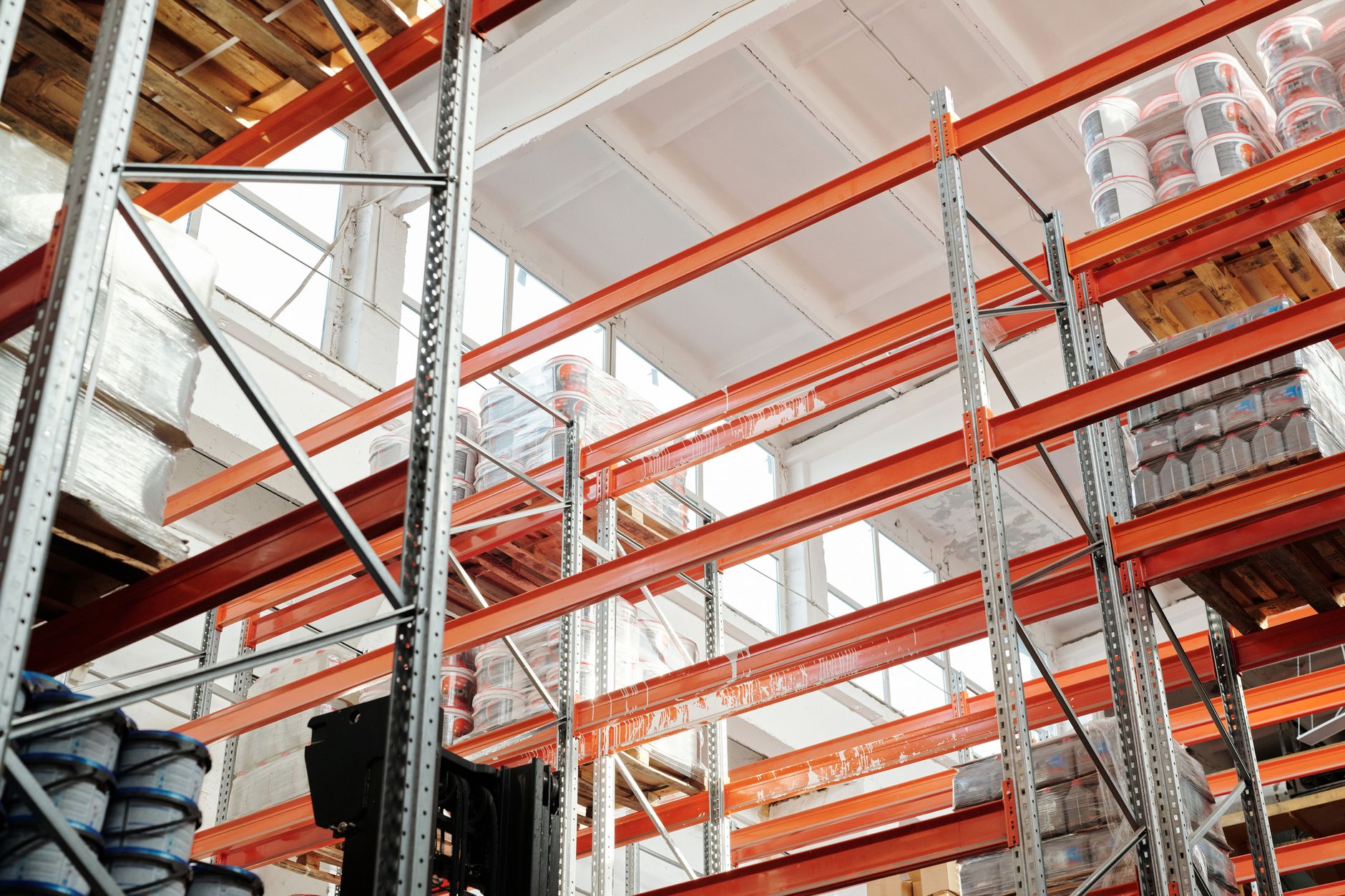
Throughput pressure inside a compact footprint
A 53,800-square-foot cosmetics warehouse needed inbound pallet movement and order picking to carry substantial daily volume. The operation had to move more product through a fixed footprint without allowing speed to erode picking discipline.
The workflow crossed two distinct material-handling demands. Pallets had to move through inbound logistics, while pickers needed timely assistance inside the order flow. Treating either process in isolation would have left a consequential handoff untouched.
Existing systems and equipment also had to remain part of the operating fabric. The practical challenge was therefore orchestration: introduce autonomous forklifts and autonomous mobile robots, or AMRs, while preserving the controls on which the warehouse already depended.
- Increase units per hour within the existing warehouse footprint
- Coordinate inbound pallet transport with picking activity
- Protect accuracy as daily volume rises
- Integrate automation with existing systems and equipment
A coordinated fleet for pallets and picks
The documented deployment paired an autonomous forklift with AMRs. The autonomous forklift completed inbound logistics and assisted the picking process, while the mobile fleet supported movement through the broader workflow. This divided work according to task geometry instead of forcing a single robot category across every movement.
Integration with existing systems and equipment was central to the design. That connection allowed robot activity to sit inside the warehouse process rather than operate as a detached island, an important principle for any AMR fleet deployment or pallet transport robot program.
The public account does not specify the training curriculum, service arrangement, or rollout stages, so those details cannot be attributed to this deployment. For a comparable project, the prudent path is a commercial robot pilot followed by controlled acceptance, operator training, go live support, and a phased deployment with no shutdown.
- Map inbound pallet routes, picking handoffs, traffic interactions, and system interfaces
- Assign autonomous forklifts and AMRs to the work each category is equipped to perform
- Connect fleet activity with existing warehouse systems and equipment
- Validate exception handling and operator procedures before expanding production use
- Establish robot fleet management and a robot maintenance service plan
Higher velocity without an accuracy tradeoff
The warehouse recorded a units-per-hour increase of more than 40%. That is the central operational result: the mixed fleet moved the picking operation materially faster inside a 53,800-square-foot building.
Picking accuracy reached 99.99% while the operation supported more than 25,000 units picked daily. The figures matter together. Throughput improved without turning mis-picks into the hidden cost of acceleration.
The result also shows the value of coordinating autonomous forklifts with AMRs. Inbound pallet movement and picking assistance became parts of the same automation architecture, with existing systems and equipment retained as integration anchors.
How Service Robot Co. applies the lesson
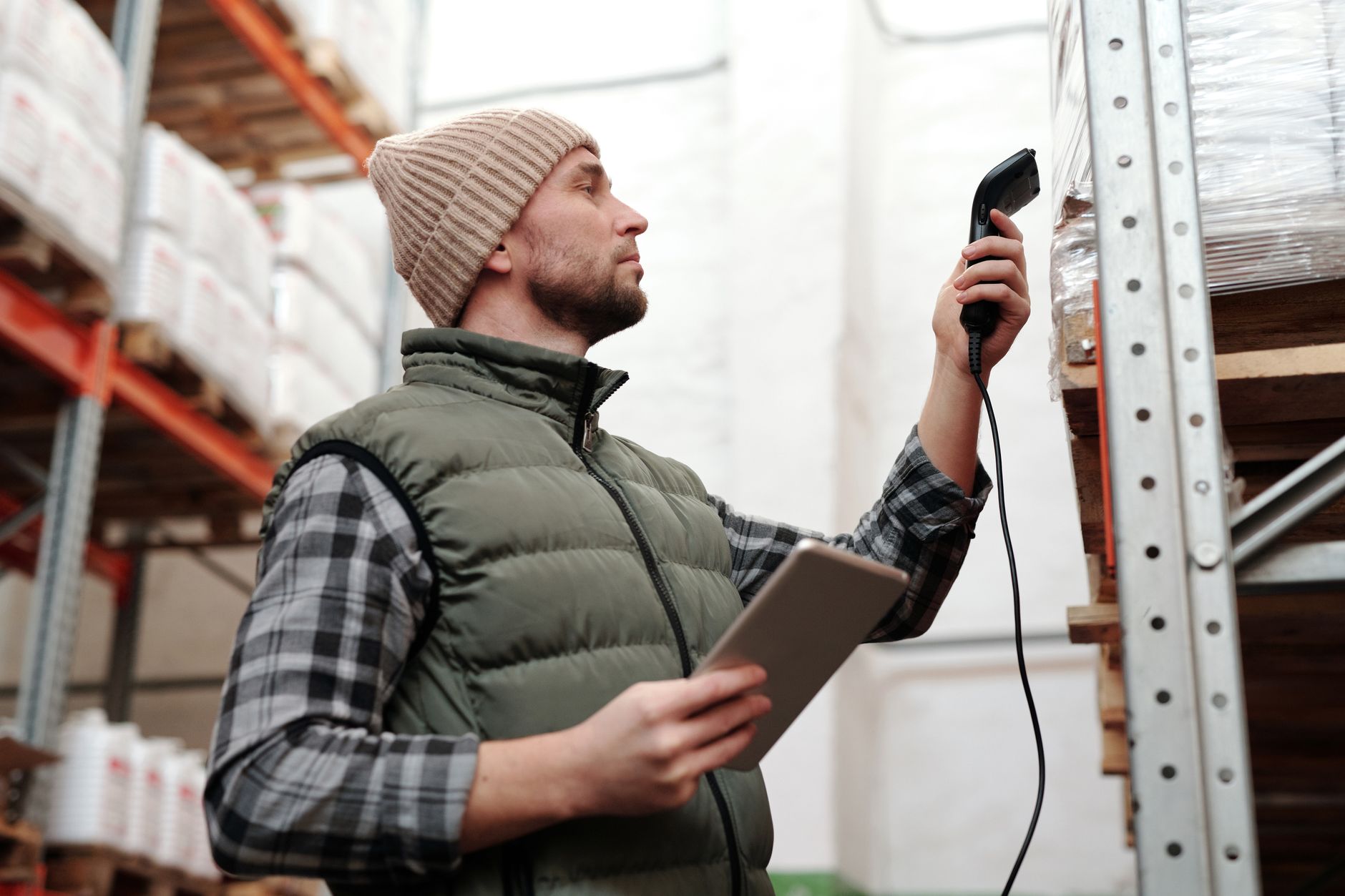
This is a documented external deployment analyzed by Service Robot Co., not a Service Robot Co. client engagement. Its lesson is highly applicable: a warehouse gains more from matching robot form to workflow than from choosing equipment in isolation.
Service Robot Co. is a full-service, OEM-neutral commercial robot integrator for US businesses. As a vendor neutral robot integrator and robot integrator for warehouses, we select equipment across manufacturers, arrange financing, manage robot deployment and integration, train teams, and service every unit through a nationwide US engineer network.
That lifecycle model gives operators a single accountable vendor across site assessment mapping, procurement, commissioning, training, and field service. A warehouse robot lease, autonomous mobile robot leasing, material handling robot leasing, or financed purchase can be structured around the operating need rather than allegiance to a particular manufacturer.