
a Midwest distributor of automotive electrical components operating a one-hundred-thousand-square-foot fulfillment center
How an Auto-Parts DC Raised Daily Orders from 800 to 1,000 With AMRs
A documented Midwest auto electrical distributor replaced a fixed conveyor with three AMRs and reported daily orders rising from about 800 to more than 1,000.
- 1,000+
- Orders per day
- 800
- Prior cap
- 25%
- Throughput
- 13%
- Space back
Based on a documented real-world deployment. Figures are from public reporting; the organization is not named.

A conveyor loop hit its daily ceiling
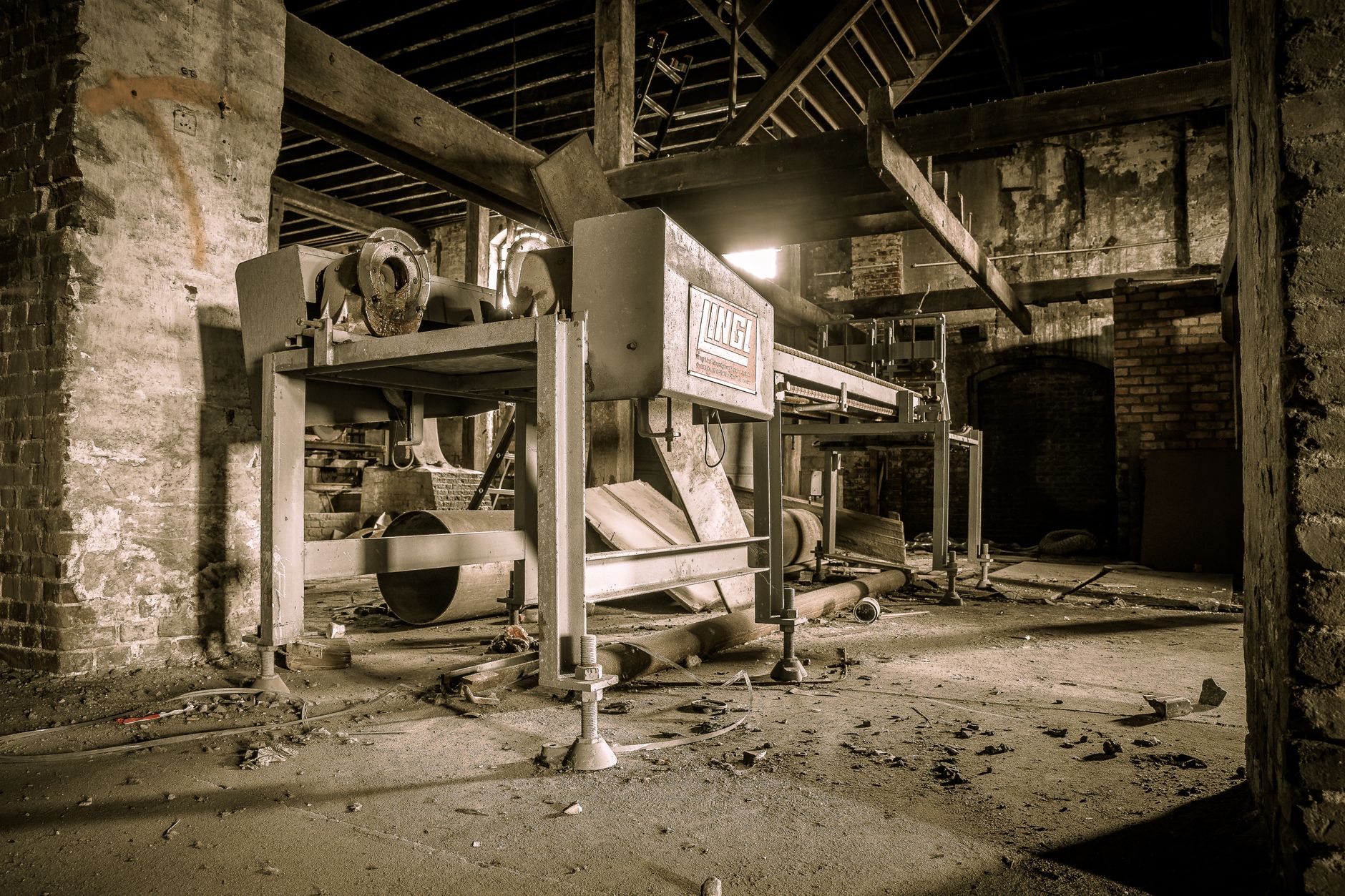
A Midwest distributor of automotive electrical components operating a one-hundred-thousand-square-foot fulfillment center relied on a fixed sortation conveyor that had handled about eight hundred orders per day for more than a decade.
Order growth pressed against that cap while the two-hundred-foot loop consumed floor space and made it hard to add inventory for expanding SKU counts.
- Conveyor capped at about eight hundred orders daily
- Limited tote positions on the sort loop
- Floor space lost to fixed automation
- Peak volumes approaching the design limit
Putwalls plus a small AMR fleet

Leadership kept existing carousels and added putwalls with collaborative AMRs to move totes instead of extending the conveyor.
A three-robot fleet deployed in about three days, also handling replenishment from receiving to carousels and hauling dunnage for recycling.
- Remove the fixed sortation conveyor
- Route totes with cloud-directed AMRs
- Sort at putwalls before pack stations
- Use AMRs for inbound replenishment moves
Published throughput and space gains
The public case cites fulfillment of more than one thousand orders per day versus about eight hundred previously, described as about a twenty-five percent throughput increase.
Removing the conveyor reclaimed about thirteen percent of distribution floor space, with leadership citing about five additional years of useful facility life.
What US distributors can take from the swap
This is a documented industry example, not a Service Robot Co. customer claim. It shows how a small AMR fleet can beat a conveyor retrofit when daily order caps and floor space both pinch.
Service Robot Co. selects OEM-neutral warehouse AMRs, then finances, deploys, integrates, trains, and services units through a nationwide engineer network. A free site assessment maps tote flows, putwall stations, and phased cutover before peak season.