
a European cable-harness and electromechanical assembly manufacturer
How a Cable-Harness Plant Cut Intralogistics Errors Below 0.5% With AMRs
A European cable-harness maker paired AMRs with vertical lifts and QR-tracked totes, processing about 1,000 items per shift with errors under 0.5%.
- <0.5%
- Error rate
- ~1,000
- Items per shift
- 1,260
- Tracked boxes
- 5
- Lift towers
Based on a documented real-world deployment. Figures are from public reporting; the organization is not named.
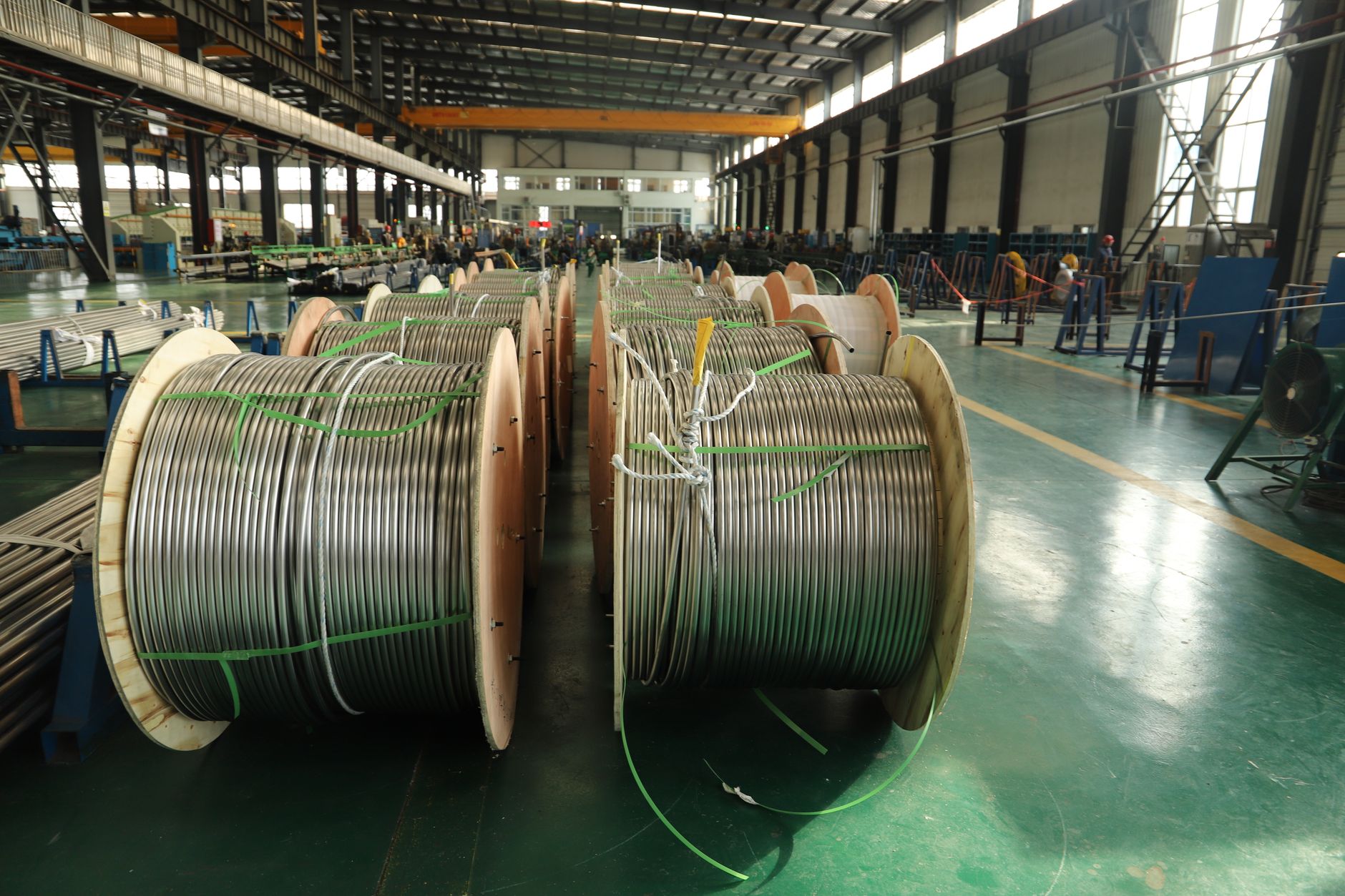
Multi-Floor Material Flow Created Errors
A European cable-harness and electromechanical assembly manufacturer serves electrical engineering, white goods, and textile machinery customers. Material flow had been spread across several floors with decentralized storage.
Manual picking and carrying slowed line feeding, increased physical strain, and left room for mistakes. Leadership wanted faster, more accurate intralogistics without simply adding headcount ahead of growth.
- Decentralized storage across multiple floors
- Manual picks and long walk times
- Physical strain on assembly feeders
- Errors from manual data entry and touches
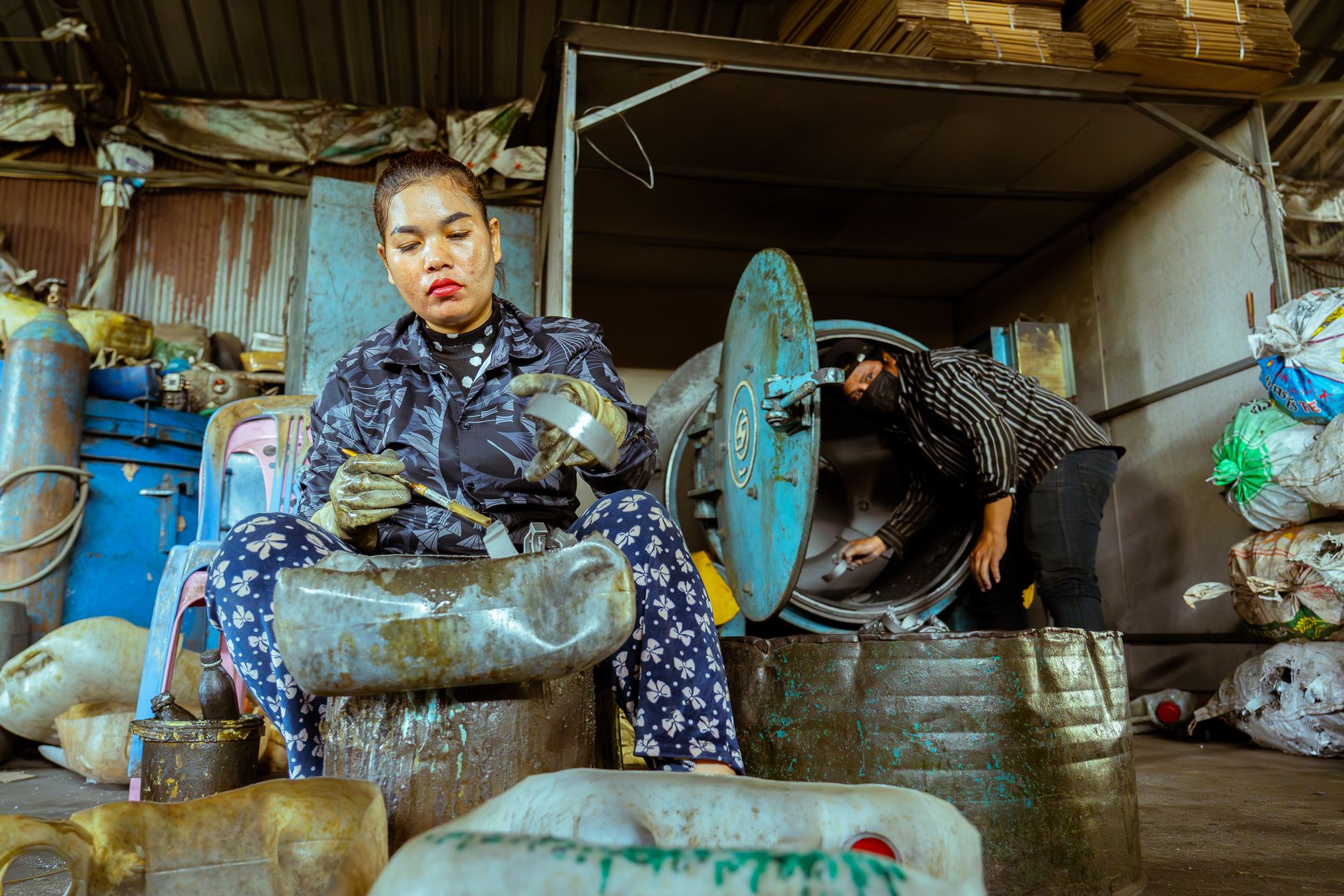
AMRs Meet Vertical Lifts and QR Tracking
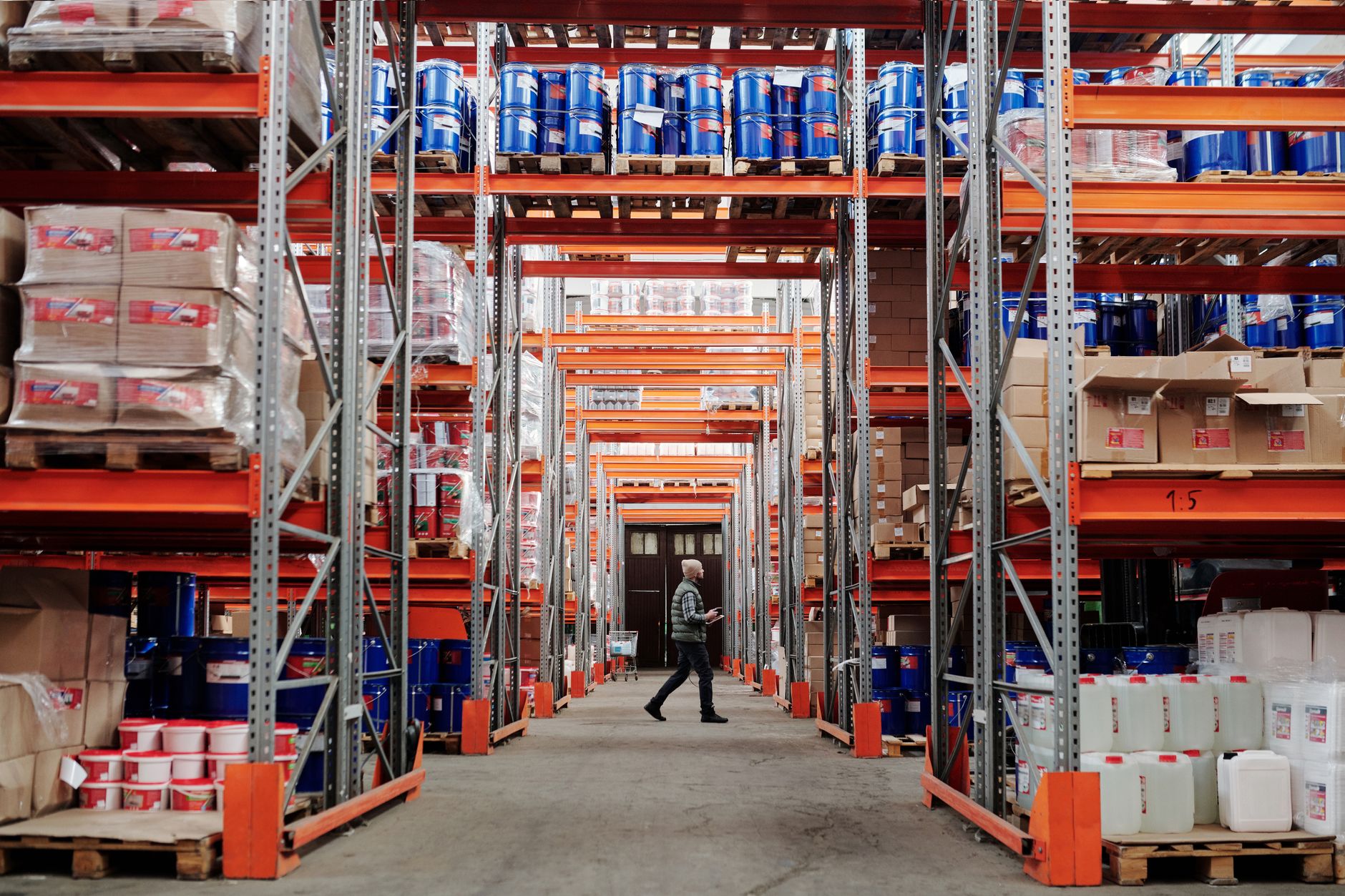
An integrator deployed a fleet of medium-payload autonomous mobile robots with task-specific top modules, including custom interfaces for vertical lift transfers and heavier Nord Modules payloads.
Five vertical lift towers with hundreds of trays store about 1,260 plastic boxes tracked by QR codes to eliminate manual data entry. Two towers use customized trays for standard small load carrier boxes so robots can interact autonomously.
Put-to-light guidance and hands-free transfers between lifts and production lines replaced much of the walking and waiting. Trays are staged before robots arrive to cut dwell time on the floor.
- Integrate AMRs with vertical lift modules
- QR-track every tote in the storage system
- Use custom and heavy-payload top modules
- Add put-to-light for pick confirmation
About 1,000 Items per Shift With Fewer Mistakes
The plant now processes around 1,000 items per shift while fewer people stay tied to picking and in-process handling. Walk time and manual touches gave way to scanning and supervision.
Combined automation pulled the intralogistics error rate below 0.5 percent according to the published case. The faster rhythm supports deliveries across the company’s European customer base.
The source does not provide payback months, headcount reductions, or dollar savings. Treat the error and throughput figures as site-reported outcomes from one integrator-led deployment.
What US Assembly Plants Can Copy
Service Robot Co. did not run this deployment. It shows how AMRs plus vertical storage can tighten multi-floor feeding for high-mix cable and electromechanical work.
Service Robot Co. gives US businesses one partner for selection, financing, deployment, integration, training, and nationwide service across cleaning, delivery, security, and warehouse robots. QR discipline and lift handoffs should be scoped in a site assessment before lease or purchase terms are set.
When error rates above half a percent are tied to walk-and-wait picking, pairing AMRs with vertical lifts may beat adding another manual staging aisle.