
a 300-acre championship golf club in Southern California
How a Championship Golf Club Saved 2,000 Fairway Hours a Year
A Southern California championship club tested three autonomous fairway mowers, finished fairways in four hours, and reported about 2,000 annual labor hours saved.
- 2,000 hrs
- Labor saved yearly
- 6x/week
- Fairway mow cadence
- 4.5 hrs
- Full fairway pass
- 3 units
- Autonomous fleet
Based on a documented real-world deployment. Figures are from public reporting; the organization is not named.
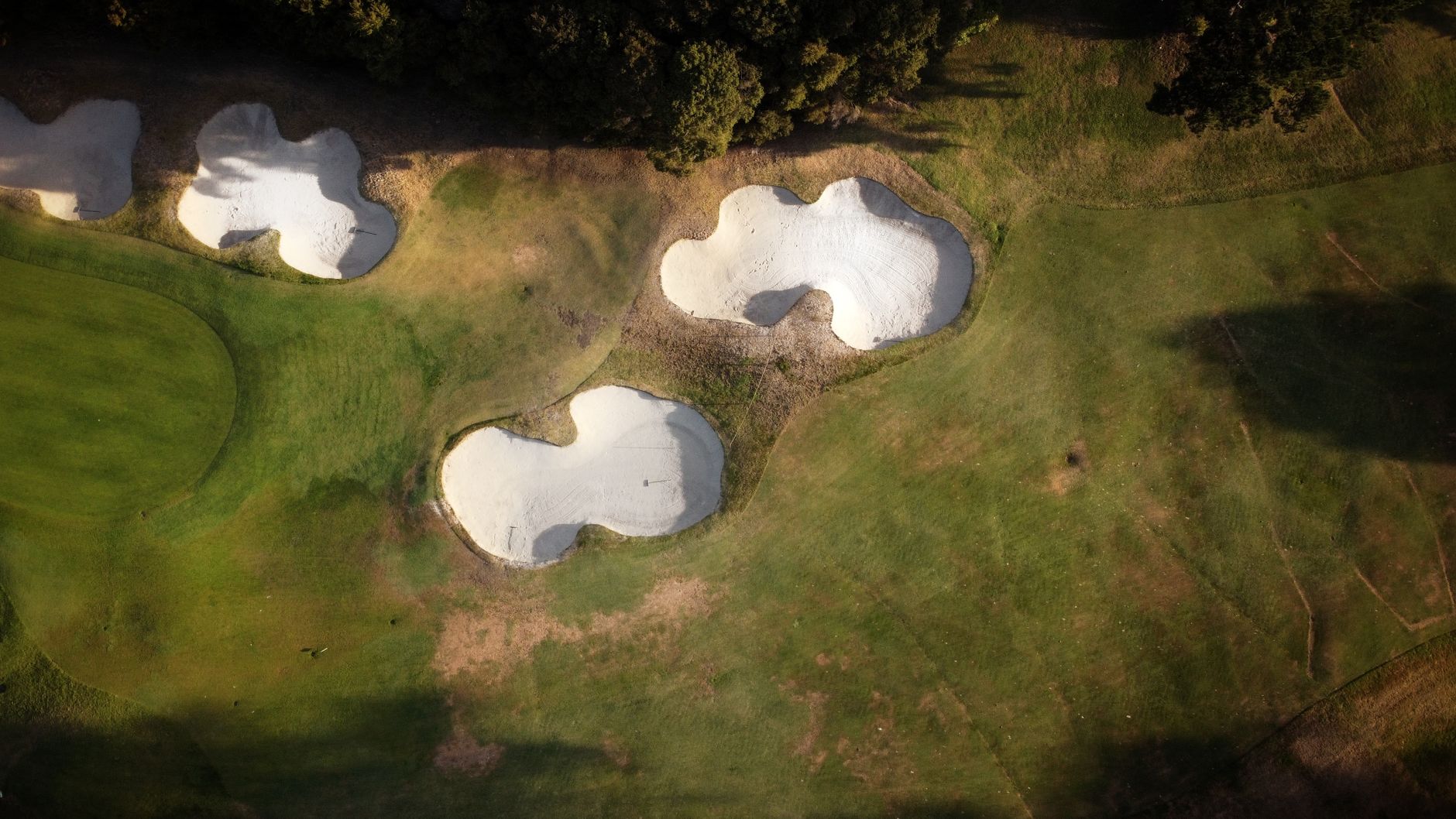
Fairway loops ate the morning
A 300-acre championship golf club in Southern California relied on diesel fairway mowers that needed operators in the seat for every pass. Crews were mowing fairways about two to three times a week and still racing morning play.
Labor was tight, fuel costs climbed, and the agronomy team wanted more cuts without adding another dawn shift on ride-ons.
- Fairway mowing tied up skilled staff during peak prep hours
- Mowing frequency was capped by crew availability
- Noise and fuel use limited early morning windows
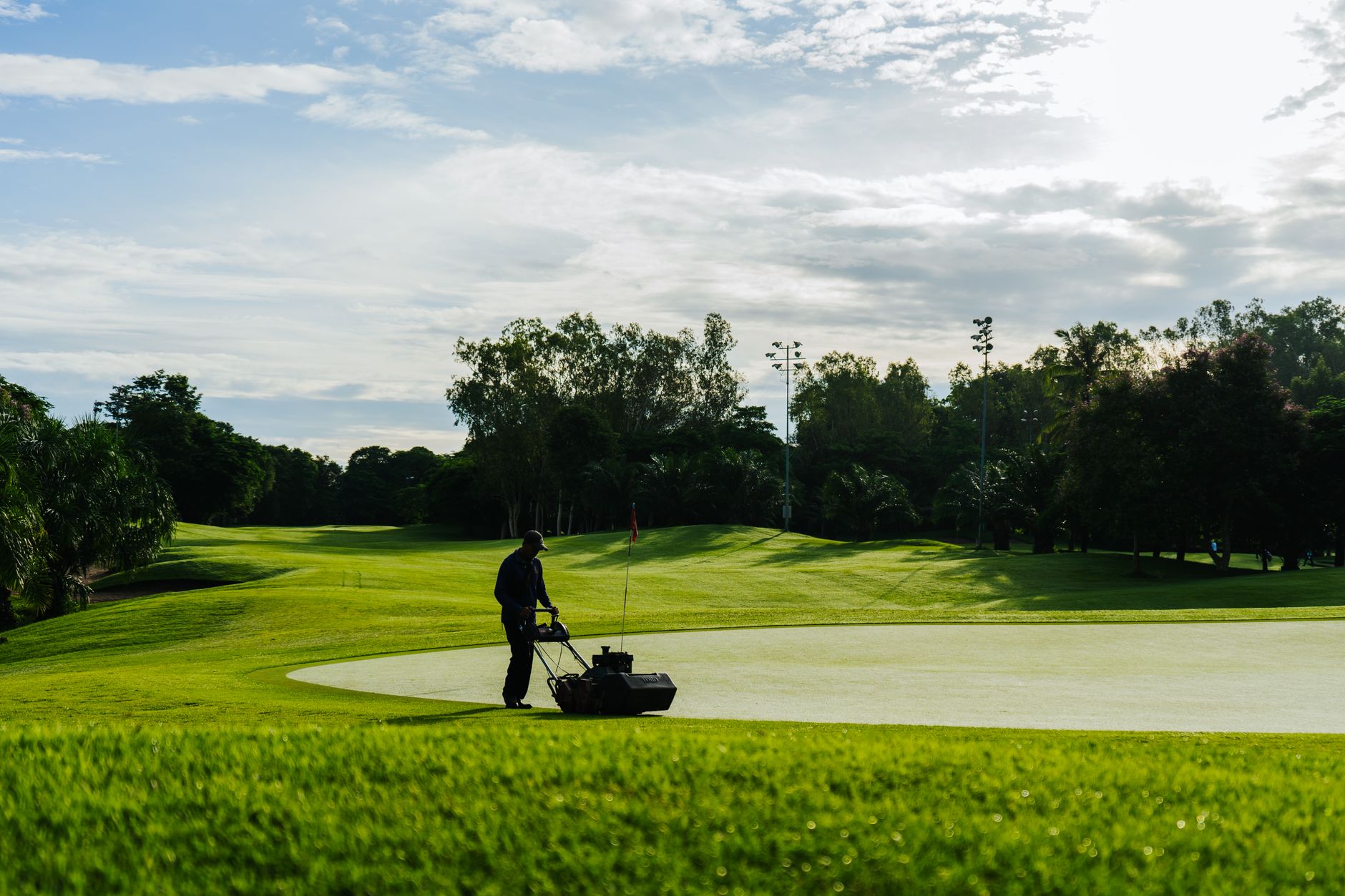
Autonomous fairways on a play-safe clock

The club placed three all-electric autonomous fairway mowers on a mapped route that could finish every fairway in about four to four and a half hours. Crews used a skip-row pattern that doubled effective swath width compared with a single pass.
The units started around 5 a.m., stayed ahead of the first groups, and wrapped near 9 or 9:30 a.m. while staff moved to bunkers, approaches, and presentation work.
- Mapped fairways with no-go zones around greens and tees
- Increased fairway mowing to six times per week
- Kept greens, tees, bunkers, and trim as manual crew tasks
More cuts, fewer seat hours
The agronomy lead told the public vendor case study the club expects about 2,000 labor hours saved per year as autonomous units handle fairway loops. Mowing frequency doubled from roughly two or three passes weekly to six while finish times stayed inside the morning window.
Electric autonomous passes also cut diesel use on fairways, which the source tied to quieter runs and less time idling between strips.
What this means for your course
Documented fairway automation shows how a championship property can raise cut quality without growing the ride-on roster. The pattern is familiar: map fairways and rough, protect greens and tees, then let autonomous units own the long straight miles.
Service Robot Co. is OEM-neutral. We help superintendents compare autonomous fairway platforms, buy or lease through financing, map the property, train a point person, and support the fleet through RoboCare and a nationwide network of regional service engineers.