
a wholesale distributor in Odense, Denmark operating a 12-meter high-bay warehouse
How a Danish Wholesale Warehouse Reclaimed 40 Weekly Hours With Three Pallet AMRs
A wholesale distributor in Odense automated pallet feed to 12-meter aisles with three AMRs and reported about 40 labor hours saved each week.
- 40 hr
- Weekly saved
- 3
- Pallet AMRs
- 12 m
- Rack height
- 100k
- Orders/yr
Based on a documented real-world deployment. Figures are from public reporting; the organization is not named.
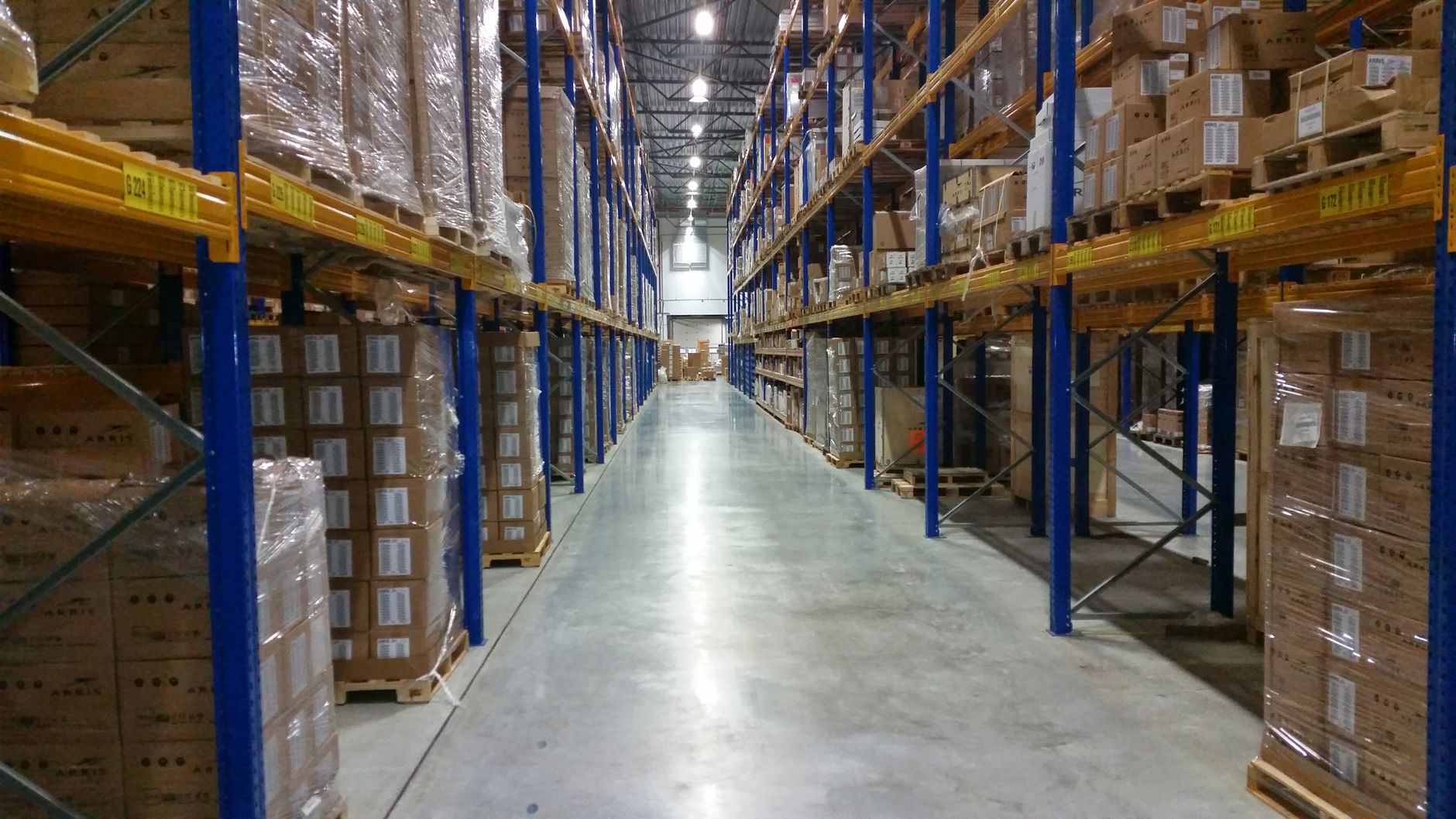
Cramped flows on a next-day promise
The operation runs a high-bay warehouse where reach trucks work narrow aisles up to 12 meters high while customers expect next-day delivery across a catalog of safety and technical supplies. Space is tight, inbound volume is heavy, and manual stackers once shared the main traffic routes with everything else.
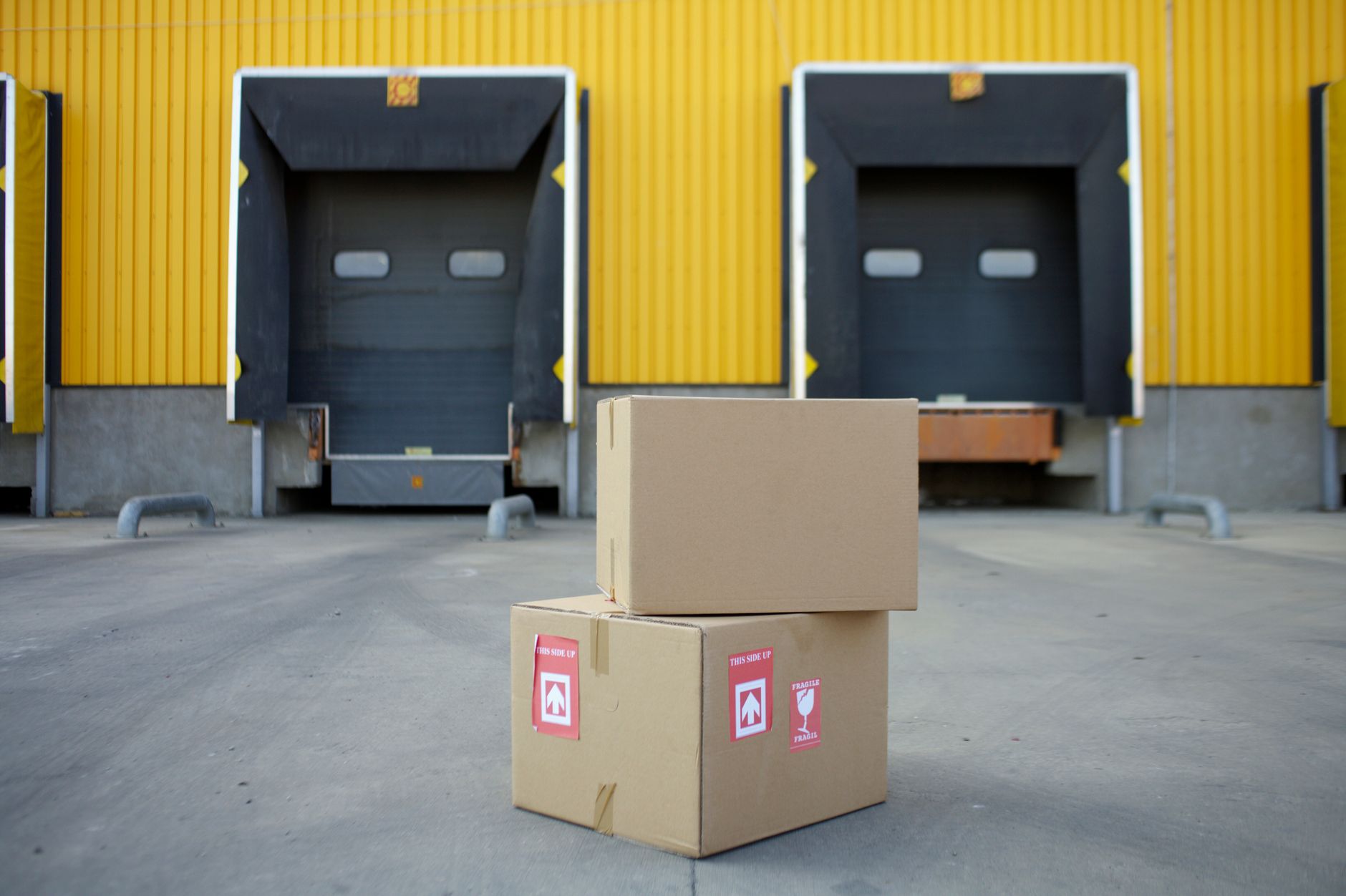
Receiving staff spent hours shuttling pallets from the dock to aisle ends before high-reach trucks could put them away. That seat time pulled planners away from prioritizing 100,000 annual orders and the tens of thousands of pallets moving through the building each year.
Three pallet AMRs on a dedicated lane
Leadership deployed three autonomous pallet carriers sized for loads up to about 600 kilograms on a mapped route from receiving racks to aisle ends. Operators stage pallets on handoff racks, tablets dispatch missions, and reach-truck drivers signal when a slot opens so another robot run starts automatically.
Fleet software assigns the closest available unit, rotates charging between tasks, and uses lights and audio in busy crossings so humans and trucks see the robots coming. A dedicated robot corridor replaced stacker traffic on the main spine, which opened room for the mixed fleet of reach trucks and remaining manual equipment.
- Stage inbound pallets at robot pickup racks in receiving.
- Dispatch AMRs to aisle ends on a dedicated path.
- Let reach trucks put away while robots loop on the next pallet.
- Charge units between missions through fleet scheduling.
About 40 hours back every week
Published results from the deployment report roughly 40 hours saved each week that staff previously spent on internal transport between receiving and storage aisles. Three receiving teammates each reclaimed several hours per day for assessment, prioritization, and flow tuning instead of driving stackers.
Warehouse leadership describes smoother collaboration between trucks and robots, less congestion on former stacker routes, and more time to optimize chaotic storage under the warehouse management system. The site still runs long shifts, yet planners treat automation as a recruiting and retention tool as well as a throughput gain.
What a similar rollout looks like with Service Robot Co.
This Odense distributor is a documented example, not a Service Robot Co. customer. It still shows the pattern U.S. operators ask about: prove pallet AMR feed on one module, measure hours returned, then expand toward pick-to-ship lanes.
Service Robot Co. stays OEM-neutral, compares pallet AMR platforms against your aisle geometry and WMS events, then handles financing, deployment, training, and RoboCare service nationwide. A free site assessment is the usual starting point for buy or lease quotes on your dock-to-aisle workflow.