
a 49-bed community hospital in the Midwest that lacked a pneumatic tube link between the emergency department and the lab
How a 49-Bed Hospital Logged 716 Hours on ED-to-Lab Specimen Runs
Without pneumatic tubes, a Midwest community hospital logged 11,508 ED-to-lab trips and 716 autonomous hours in 2024, keeping emergency staff at bedside.
- 11,508
- ED-lab round trips
- 716 hrs
- Autonomous runtime
- 558+ mi
- Distance traveled
- 49 beds
- Community hospital
Based on a documented real-world deployment. Figures are from public reporting; the organization is not named.

Specimen runs pulled ED staff off the floor
A 49-bed community hospital in the Midwest that lacked a pneumatic tube link between the emergency department and the lab depended on staff to carry specimens upstairs for fast results. Retrofitting a tube system was cost-prohibitive in the existing building, so the manual courier work stayed on nurses and techs.
Emergency teams worried about leaving patients unattended every time someone walked specimens to the lab. Leadership needed a secure, repeatable transport path that could use elevators and hallways without adding another full-time runner role.
- No legacy pneumatic tube between ED and the upstairs lab
- Hand carries interrupted bedside coverage during busy shifts
- Security and chain-of-custody requirements for specimens in transit
Deploy an elevator-aware delivery robot on the ED loop
The hospital installed an autonomous delivery robot integrated with its elevator system so the unit could fetch specimens in the emergency department and deliver them to the lab without a human courier. Passcode-locked compartments kept contents secure while the robot navigated corridors independently.
Staff trained on loading, dispatch, and exception handling while the vendor supported remote troubleshooting through a mobile app. The robot also handled visitor greetings on routine paths, which helped adoption even as clinical teams tracked trip counts and uptime.
- Mapped ED-to-lab route including elevator calls and floor changes
- Locked cargo bay opened only with staff passcodes at each handoff
- Ongoing vendor support for faults so clinical teams were not alone on repairs
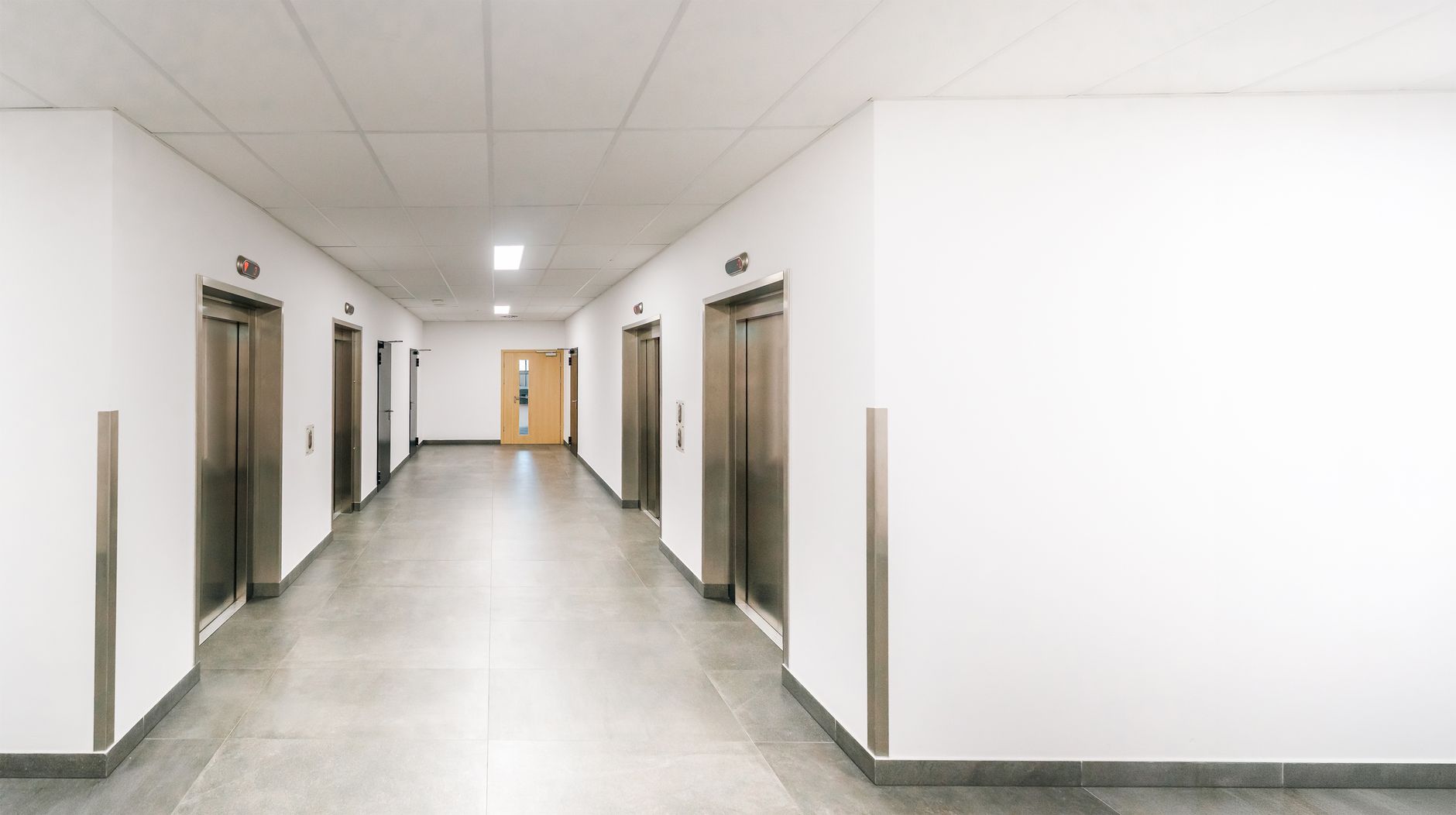
Runtime and trip volume through late 2024
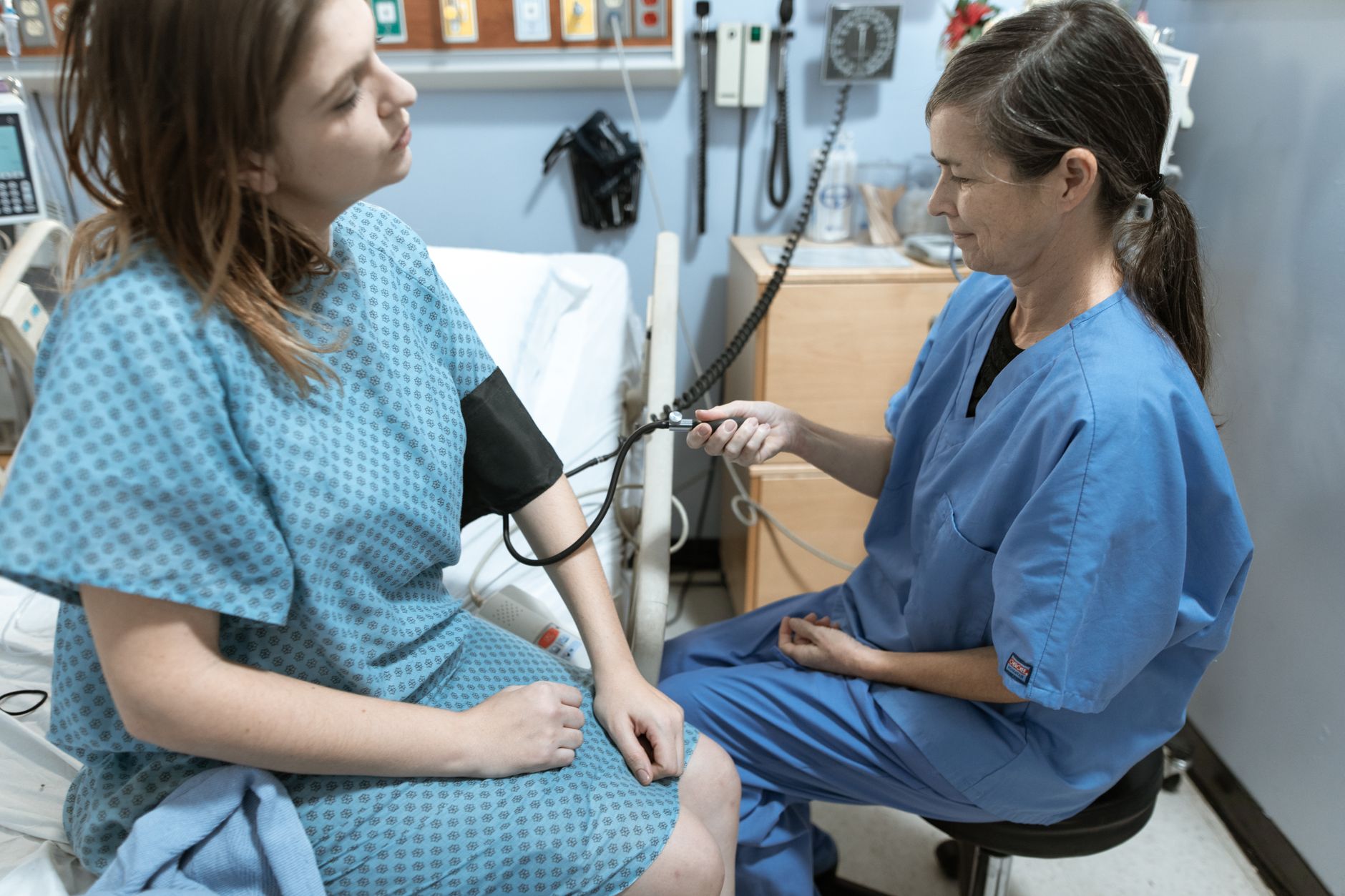
From May 15 through December 31, 2024, the hospital reported 11,508 round trips between the emergency department and the lab. The robot traveled more than 558 miles and surpassed 716 hours of total runtime while keeping specimens secured in transit.
Emergency department staff could stay within the department for continuous bedside care instead of climbing stairs with samples. Laboratory leadership cited reliable uptime and quick remote support as reasons the loop stayed in daily use rather than reverting to hand carries.
What similar hospitals can plan for
Older community hospitals often skip pneumatic tubes, yet still need sub-hour lab turnaround. Buy or lease financing for an elevator-integrated indoor runner can start before a capital tube project is feasible, especially when ED coverage is the bottleneck.
Service Robot Co. compares indoor runners across manufacturers, then bundles buy or lease financing, mapping, staff training, and RoboCare service so one partner owns the lifecycle. Pilots should track trips, runtime hours, and bedside time returned, not just novelty.