
a large full-service restaurant in Beijing with about one thousand square meters of floor space and ninety-nine tables
How a Beijing Restaurant Hit 390 Peak Tray Deliveries After a 2-Day Install
A documented Beijing restaurant with ninety-nine tables reported about 390 tray deliveries on peak non-workdays versus near 280 on weekdays after a two-day robot install.
- 390
- peak tray runs
- 280
- weekday trays
- 99
- tables served
- 2 days
- install time
Based on a documented real-world deployment. Figures are from public reporting; the organization is not named.
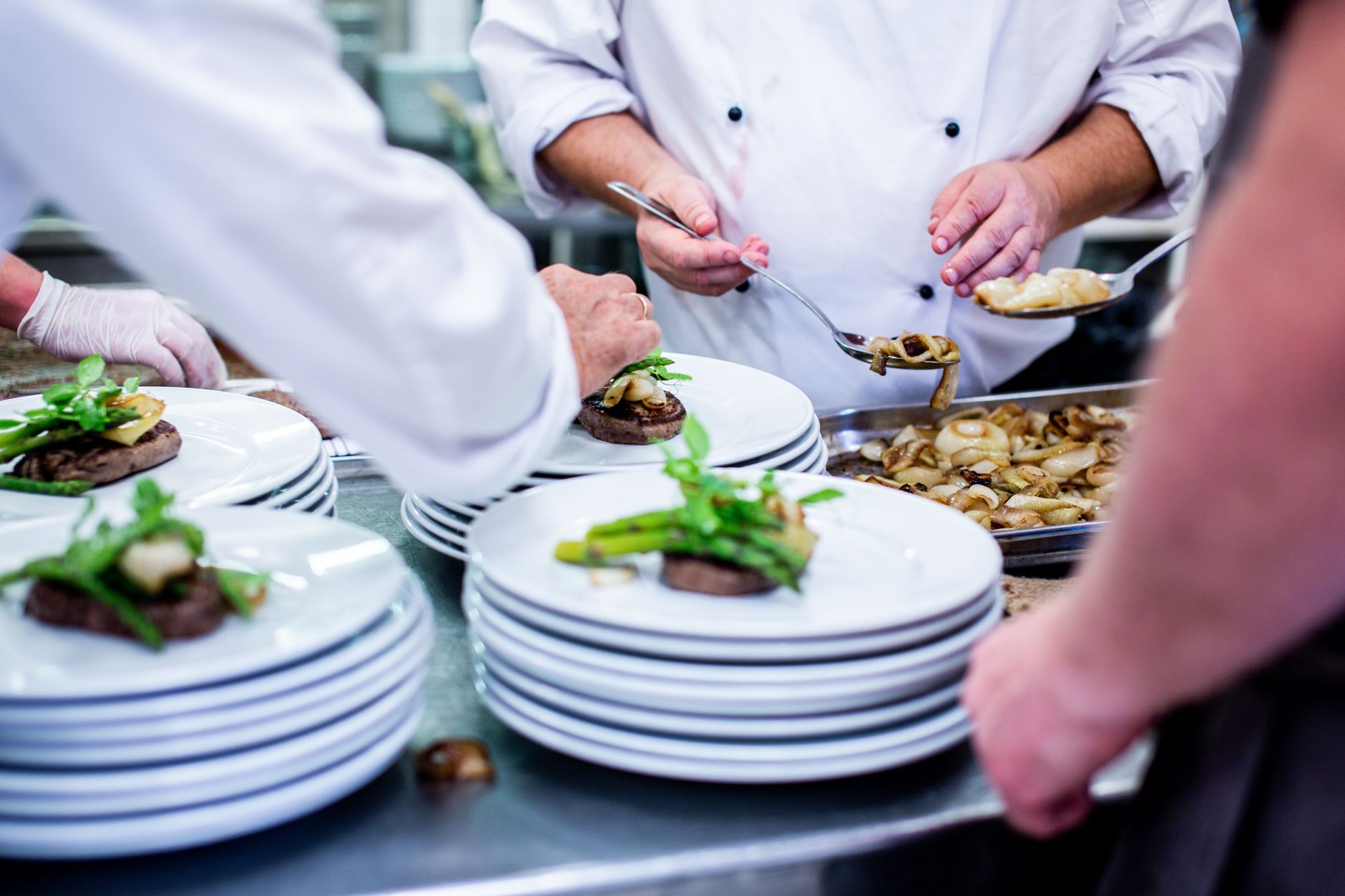
Peak covers stretched tray loops across ninety-nine tables
A large full-service restaurant in Beijing with about one thousand square meters of floor space and ninety-nine tables saw tray demand spike on weekends and holidays while weekdays still held steady volume. Servers walked long loops from kitchen to distant tables, which slowed turns when the dining room filled.
The dining area covered about eight hundred square meters inside the larger venue, so every hot dish added steps that compounded across the full cover count. Managers needed a faster go-live than a multi-week renovation would allow.
- Non-workday peaks pushed tray totals well above weekday pace
- Ninety-nine tables spread volume across a wide dining footprint
- Long install windows were not realistic during active service
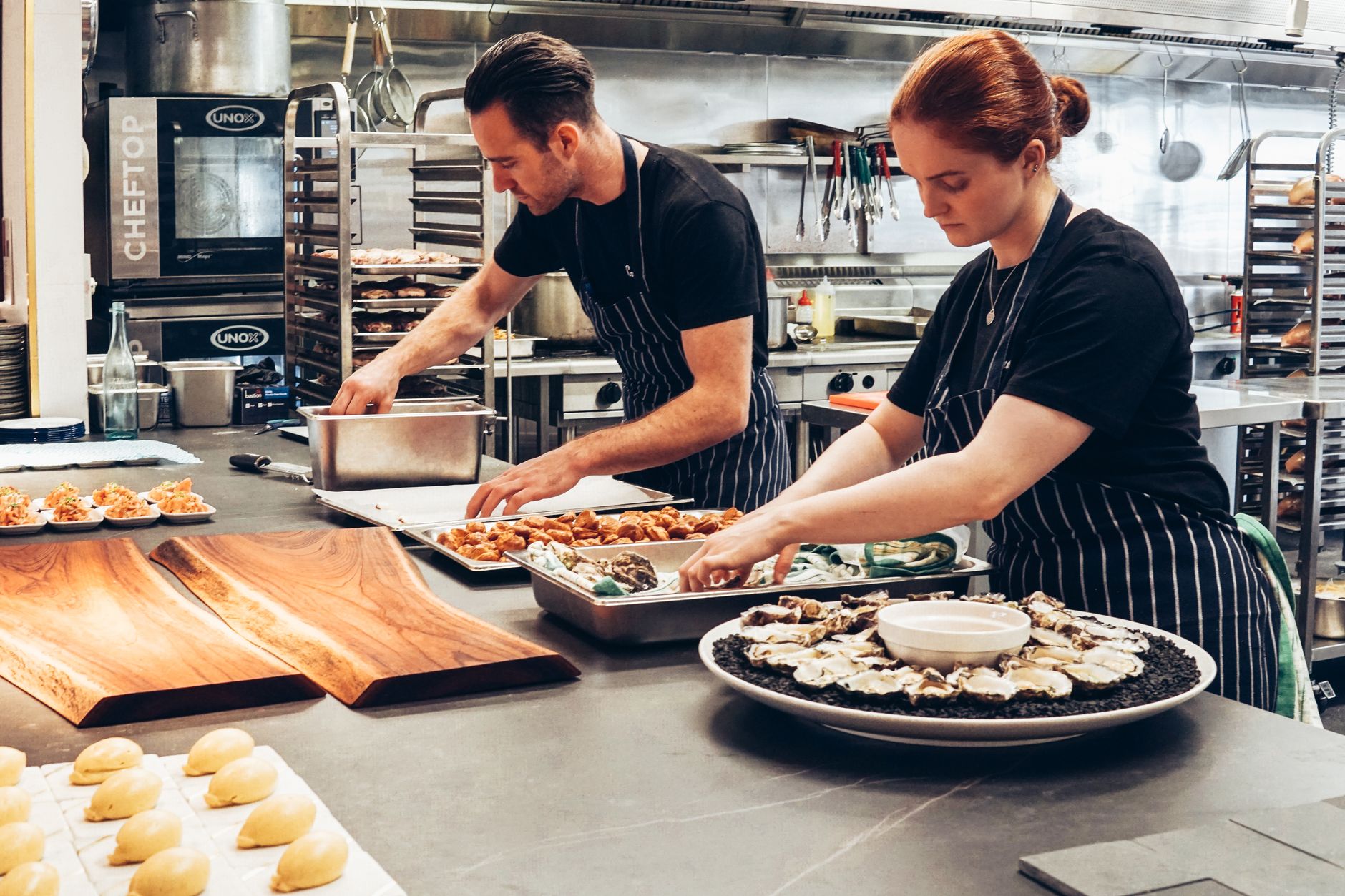
Delivery robots went live in two days on mapped routes
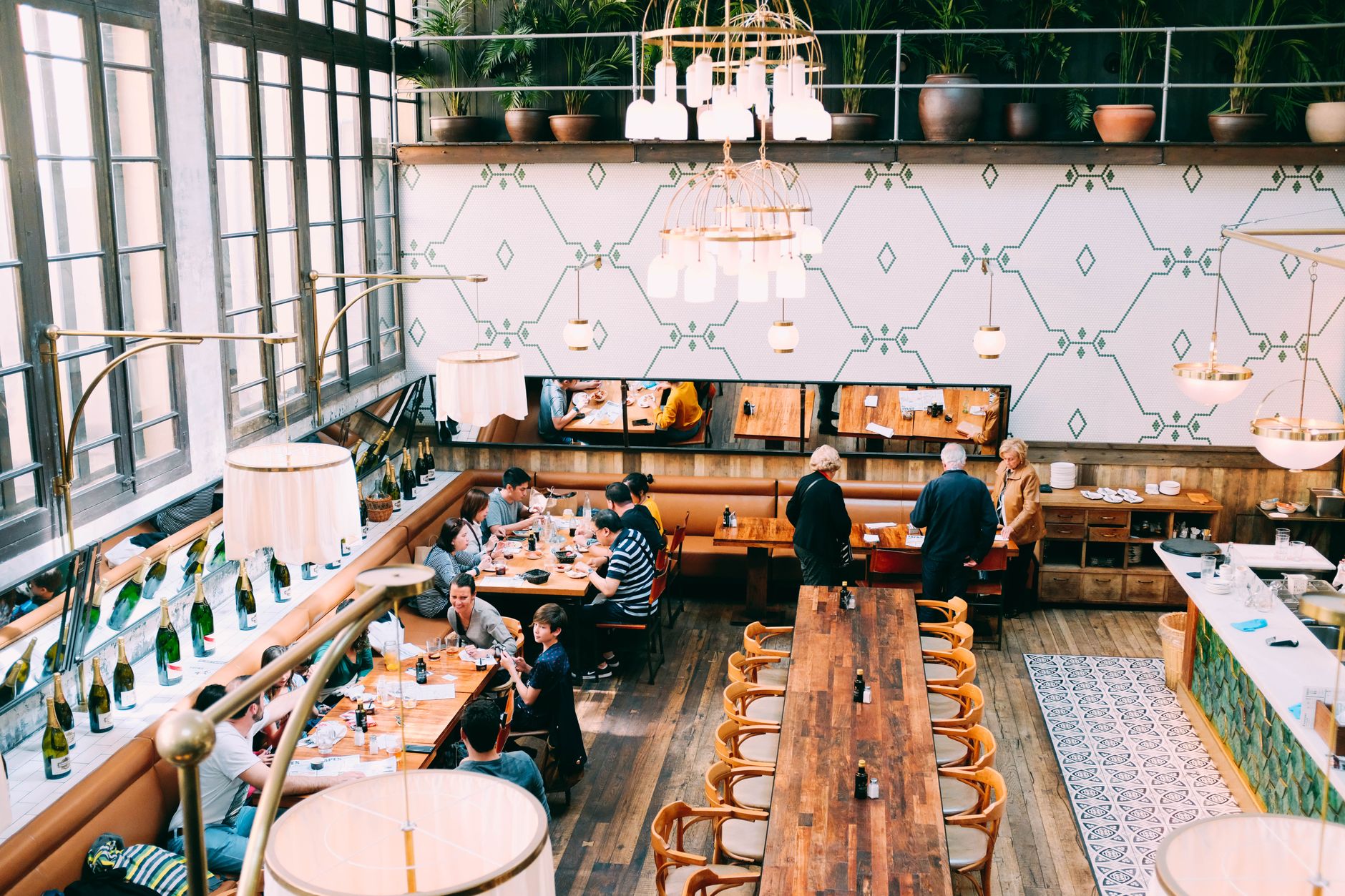
Leadership deployed indoor delivery robots that followed mapped paths between the kitchen and table zones. Staff selected destinations at the tray station while the units handled the steady loop during lunch and dinner blocks.
Installers completed deployment in about two days, which let the dining room keep serving while routes were tuned. Supervisors tracked robot utilization as part of front-of-house performance so the units stayed on the floor during peak hours instead of sitting idle.
- Mapped delivery paths across the eight-hundred-square-meter dining floor
- Two-day installation without a full dining-room shutdown
- Utilization coaching so robots ran during peak tray blocks
Published charts show 280 weekday trays and 390 peak days
Operating charts in the public case material list about 280 tray deliveries on weekdays across ninety-nine tables. On non-workday peaks, the same venue reached about 390 tray deliveries, showing how much extra volume weekends and holidays added.
The source also notes installation in two days on a roughly one-thousand-square-meter venue with an eight-hundred-square-meter dining area. Managers described delivery robots as matching waiter pace on comparable routes, which let the floor redeploy people to guest contact while robots carried the repetitive tray loop.

What US restaurants can learn from the peak-day curve
This Beijing dining room is not a Service Robot Co. customer. It is a public example of how delivery robots absorb tray spikes when weekday volume is already high and weekends push higher.
US operators comparing commercial robot rental or lease options can plan around their own weekday versus peak spread instead of sizing only for average covers. One integrator selects OEM-neutral hardware, structures monthly payments, maps the dining room, trains staff on handoffs, and supports the fleet under RoboCare after go-live.
When install windows must stay short, a two-day go-live on a large floor plan is a useful benchmark for how fast mapped delivery robots can start carrying measurable tray volume.