
a California manufacturer operating two adjacent production and warehouse buildings
How a California Plant Quadrupled Inter-Building Pallet Moves With AMRs
A California manufacturer used autonomous tuggers to move four pallets per trip between buildings, reporting fourfold efficiency over single-pallet forklift runs.
- 4x
- Vs forklift runs
- 200/wk
- Trips replaced
- 4
- Pallets per trip
- 2
- Linked buildings
Based on a documented real-world deployment. Figures are from public reporting; the organization is not named.
Two buildings, one congested lot
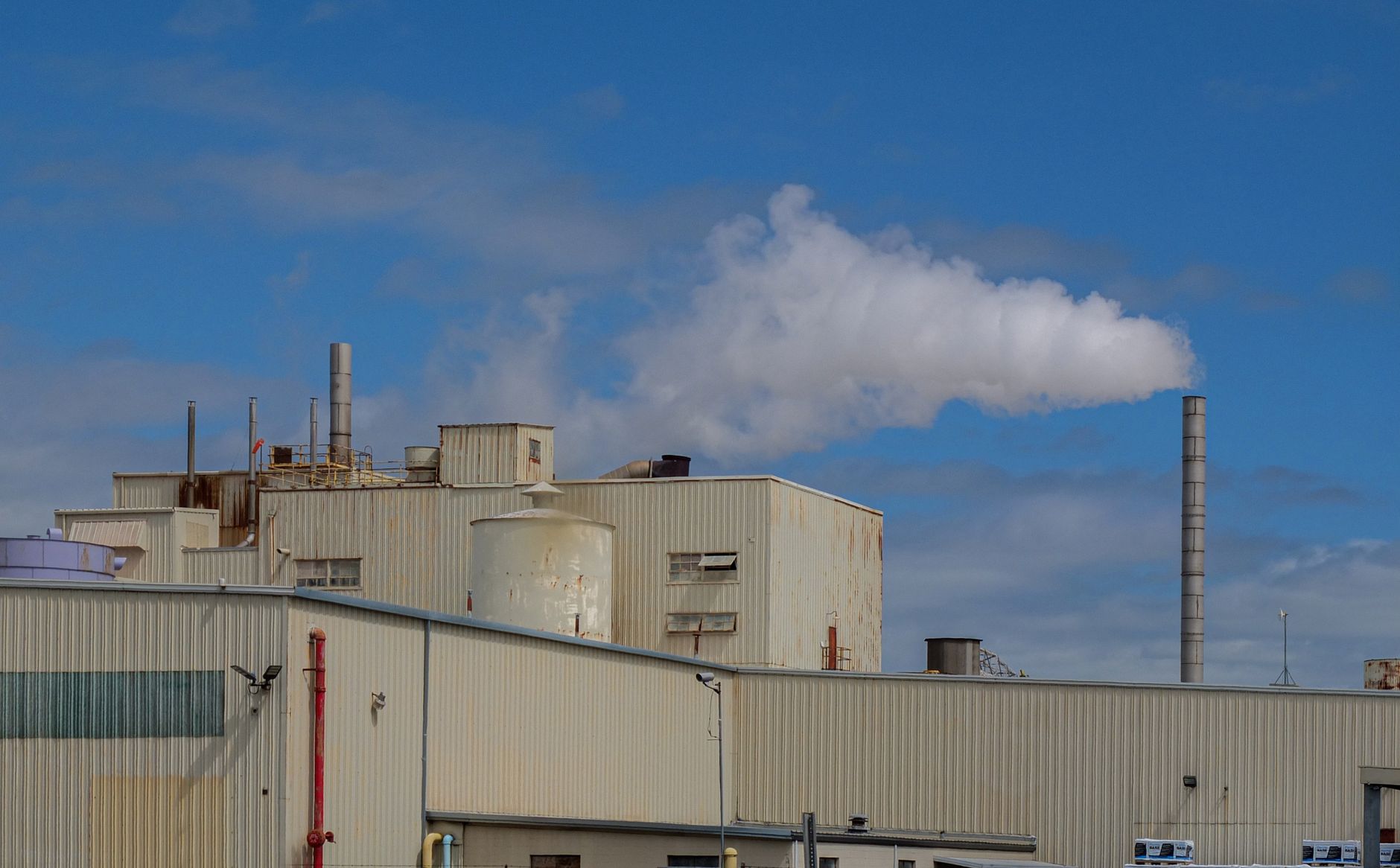
A California manufacturer operating two adjacent production and warehouse buildings moved raw materials and finished goods across a shared parking lot all week. Forklift drivers shuttled one pallet at a time while production waited on staged inputs.
Leadership estimated roughly 200 weekly trips were tied up in that horizontal loop. Skilled warehouse staff spent hours driving instead of pulling orders, cycle counting, or supporting receiving.
Variability in manual runs made training and scheduling harder as volumes grew.
Autonomous tuggers on a fixed route
The team deployed an autonomous tugger after a short integration period. The vehicle ran a predictable schedule between buildings while forklifts stayed on vertical putaway inside each structure.
Loads were built to move four pallets per trip instead of one, cutting crossings across the lot.
Operators learned handoff and safety rules so the tugger complemented existing traffic rather than blocking dock doors.
- Map the outdoor lane between both buildings
- Stage four pallets per autonomous trip
- Keep forklifts on in-building rack work
- Shift freed labor to receiving and cycle counts
Throughput and roles shifted
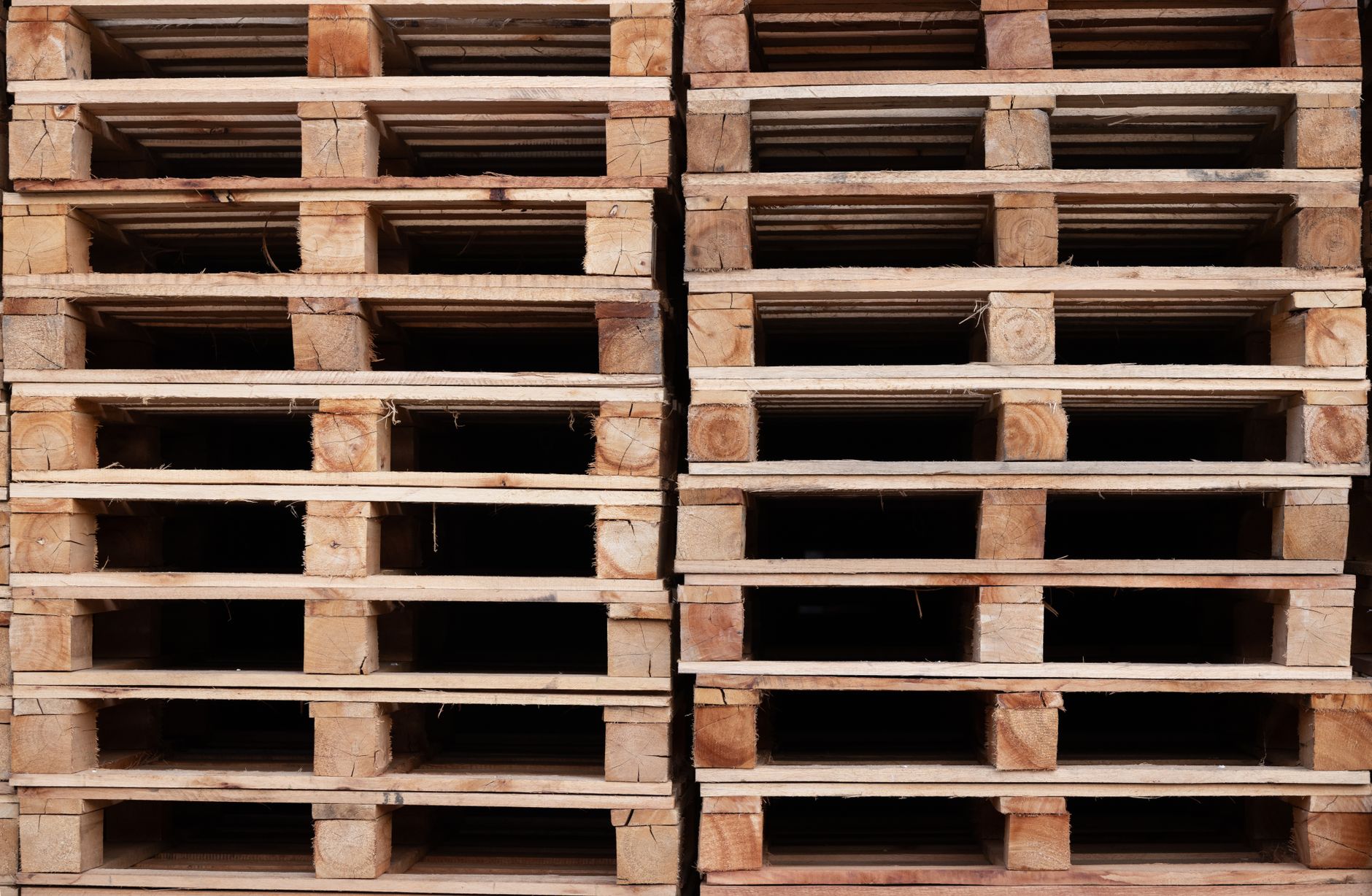
Published reporting describes the autonomous route as about four times more efficient than a human driver moving one pallet per trip.
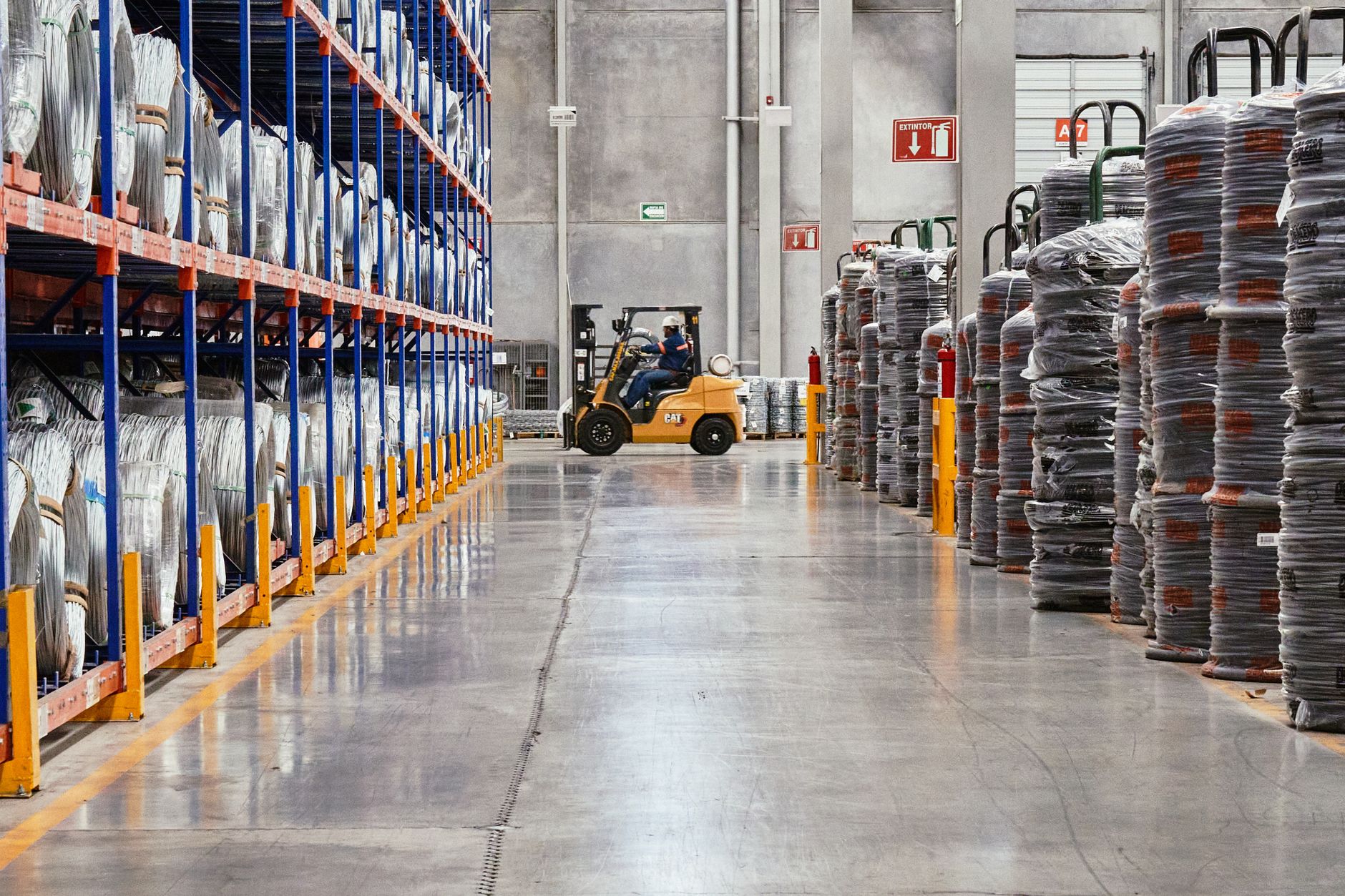
The roughly 200 weekly forklift crossings were absorbed by the tugger schedule, so warehousing staff could focus on order pulling, receiving, and cycle counting.
Management noted a former forklift driver moved into a more skilled role after the deployment stabilized.
When outdoor moves are the bottleneck
This story reflects a documented manufacturer deployment, not a Service Robot Co. client record. It highlights how inter-building loops are often cheaper to automate than full WMS rewrites.
Service Robot Co. compares tug AMRs, stockchasers, and other horizontal movers across vendors, then supports financing, deployment, and RoboCare nationwide.
If your site still runs single-pallet outdoor shuttles, a free site assessment can show whether a scheduled tugger lane fits before you scale.