
The question, in the buyer's words
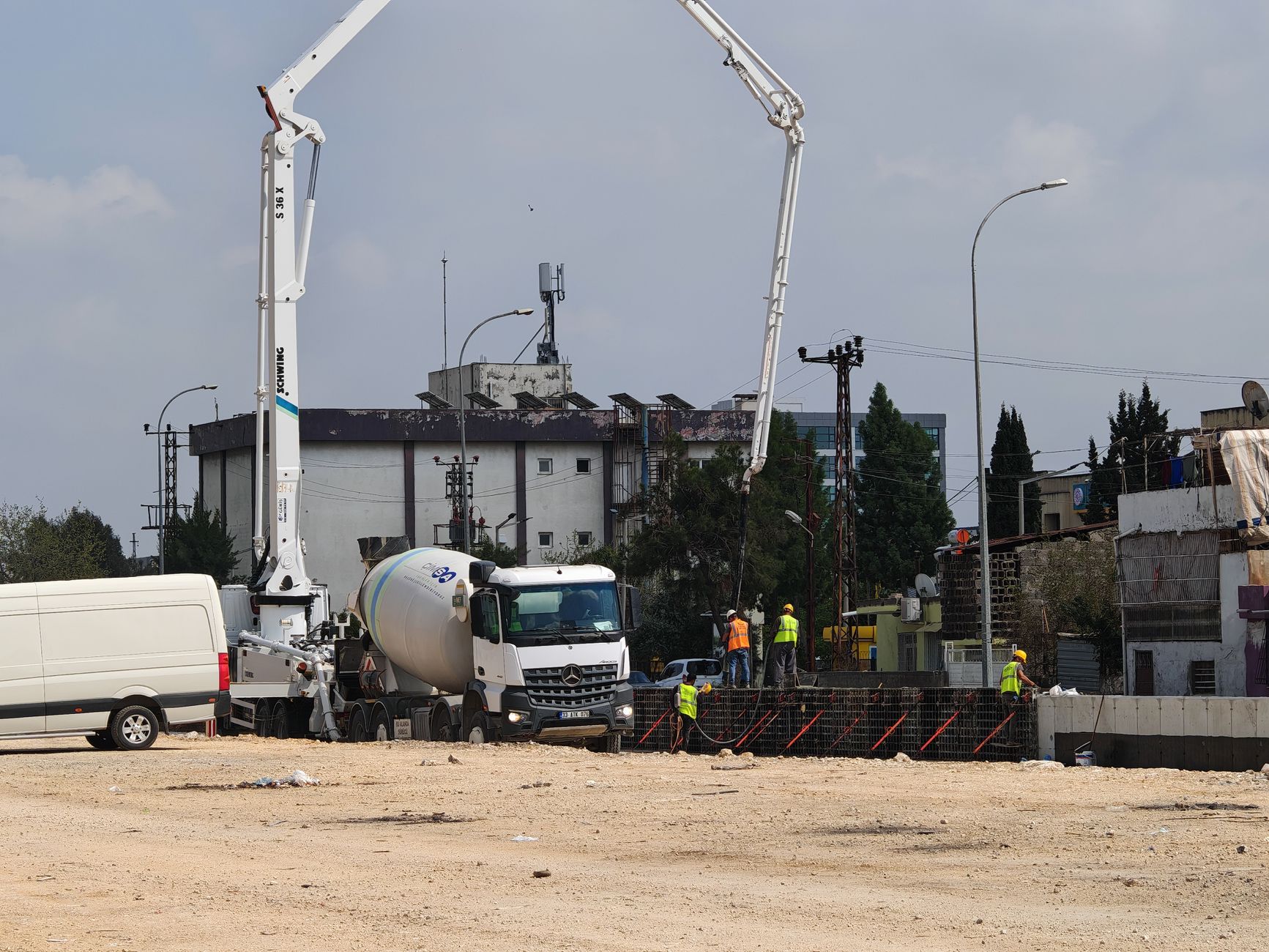
I run a 40-truck ready-mix concrete yard in Des Moines, IA and drivers wait at dawn for the washout bays and batch apron to be cleared; could a cleaning robot wash and sweep the apron overnight so the first loads leave on time?
Key takeaways
- The batch apron is the natural overnight robot job; the washout bays need their own water-handling process and permit check.
- Winter sets the overnight window in Des Moines, so the route needs a snow and ice plan with a person at shift start.
- Washout water handling is the first question to answer, because no apron sweeping fixes a dawn queue if the bays stay wet.
- Crew hours for the apron, washout, and dawn inspection must come from your own logs, not from industry averages.
Can a cleaning robot clear a Des Moines ready mix apron overnight?
The short answer is that an overnight cleaning robot can take the flat, open part of a batch apron, but it does not take the whole job at a ready mix plant. Dawn queues back up when the apron or the washout bays are not clean, and the fix depends on which of those two areas is holding the first trucks. For a Des Moines plant, the apron is the more natural robot job, and the washout bays need their own process, permit check, and crew plan.
This page covers the apron and the washout bays separately. It also covers the Des Moines winter, the local labor market, the Iowa rules that govern washout water, and the injury data that matter when a robot shares a yard with people. It ends with a checklist for the site assessment. Where a figure was not found in the research, the page says so rather than filling the gap.
What does a Des Moines winter do to an overnight apron?
Winter sets the overnight window more than any other season in Des Moines. According to the National Weather Service Des Moines office, its 1991 to 2020 January normals show a mean temperature of 22.3 degrees Fahrenheit, an average low of 13.8 degrees Fahrenheit, and average January snowfall of 9.4 inches. The same NWS source lists a January record snowfall of 37.0 inches, set in 1886, so the yard should plan for storms well beyond a normal month.
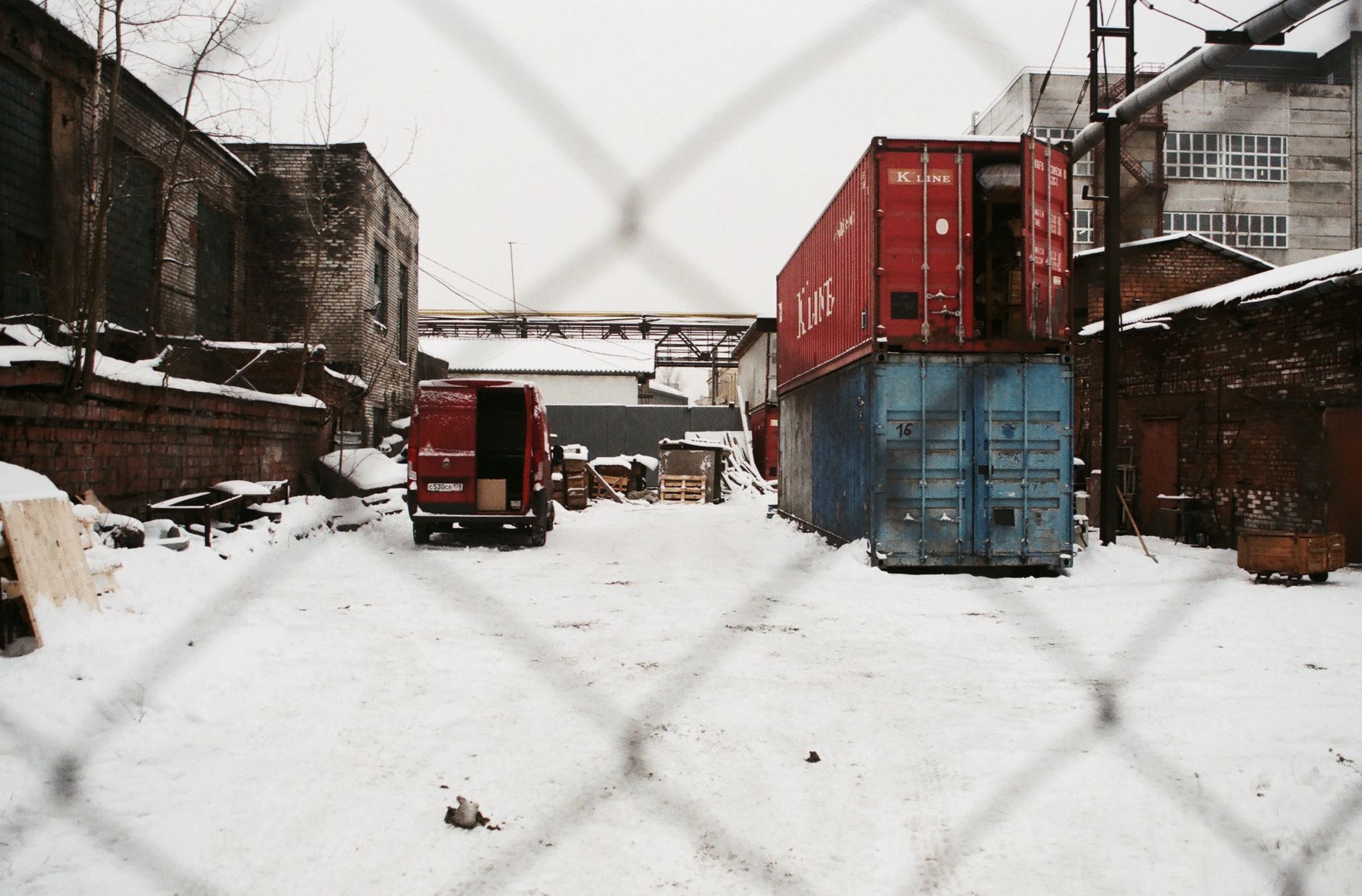
Ice on a concrete apron and slush from trucks can stop a route partway through the night. A winter plan therefore needs a person with a plow or shovel at the start of the shift, plus a route that can work around a cleared lane. A colder or snowier winter than normal raises the risk, and that is the test case for the lease terms.
Warm months bring their own problems. Heat and rain change how fast washout slurry dries and how the wet apron drains, so the route and the wash timing should be tested through all four seasons before anything is signed.
How big is the ready mix market and who works in it?
The industry is large and spread out. According to IBISWorld, a commercial industry research firm, the US had 3,731 ready mixed concrete manufacturing businesses in 2025. That count is of businesses, not plants, so one business can run several yards, and the sources reviewed here did not include a recent national plant count.
The local labor base is part of the picture. According to FRED, the economic data service of the Federal Reserve Bank of St. Louis, Mining, Logging and Construction employment in the Des Moines metro was 26.2 thousand in December 2025, up from 22.4 thousand in 2021. That series is broader than ready mix, so it shows the regional construction base rather than yard crews.
USAFacts reports that the metro gained about 1,400 jobs in April 2026 and that the 2026 average is roughly 725 jobs each month, against an average loss of about 300 each month in 2025. The local job market has turned from losing jobs to adding them, but that does not tell you how many people will take a dawn shift. Test that with your own postings before you plan the crew around a robot.
Where does a cleaning robot fit on a batch apron, and where does it not?
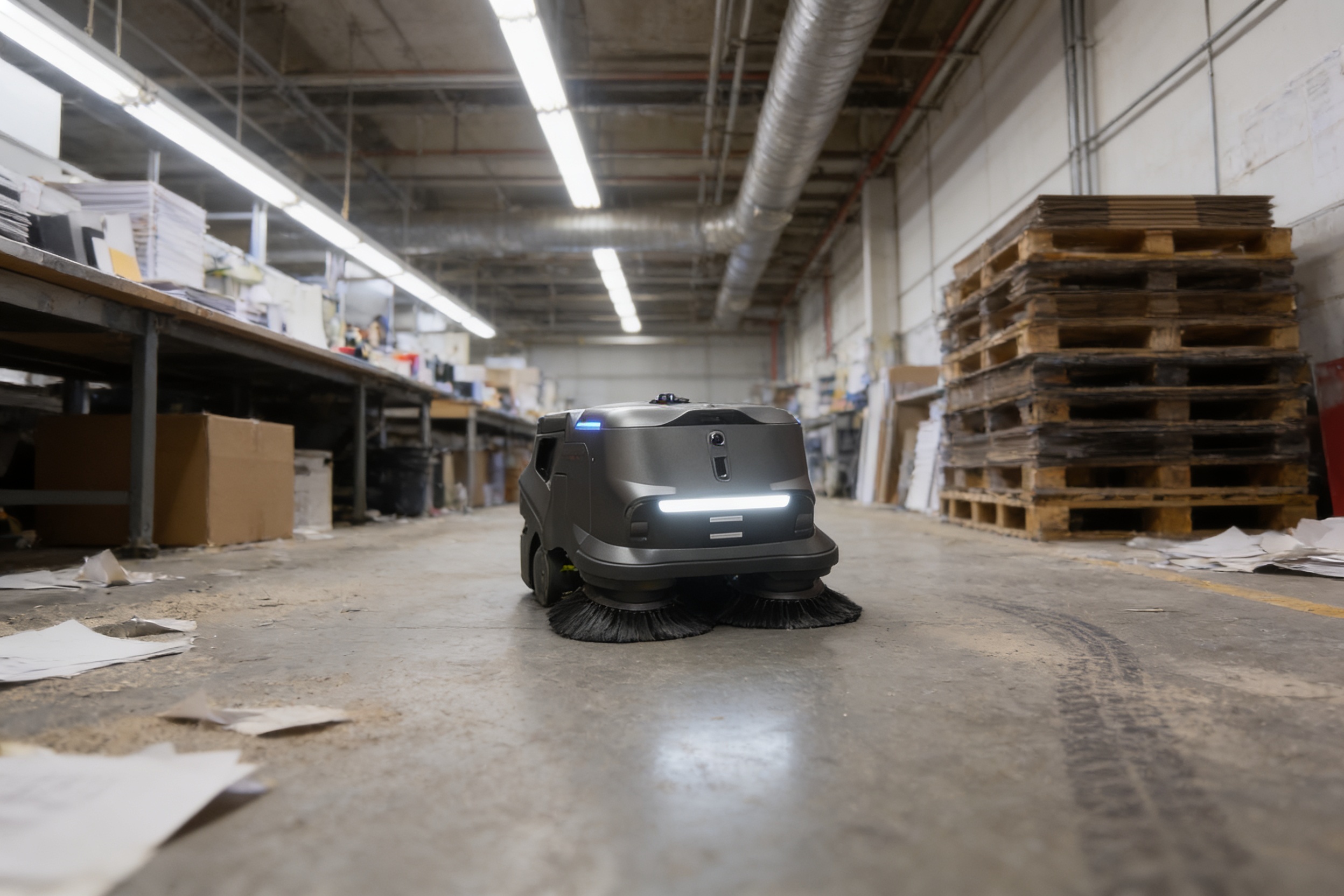
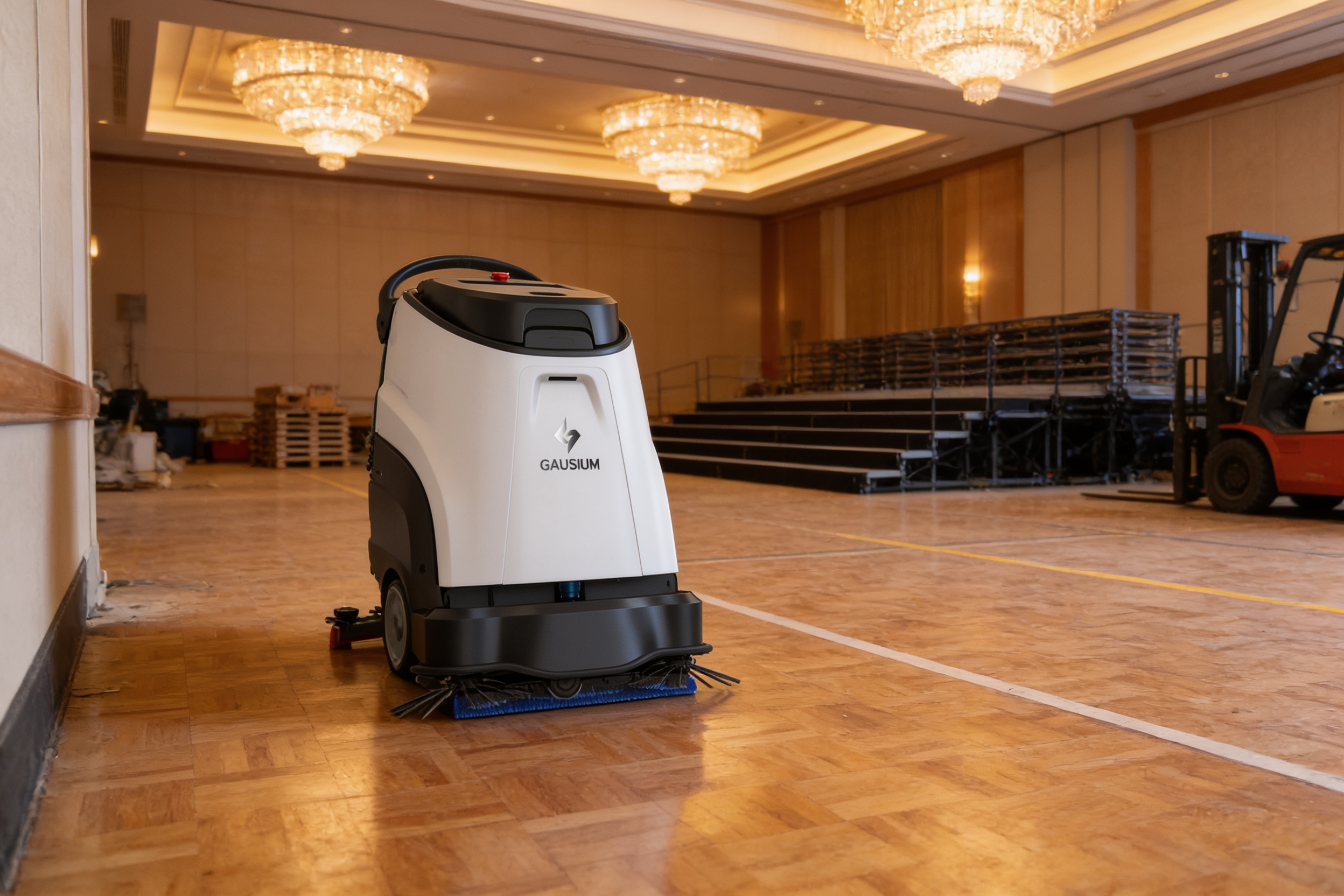
A robot works best on a surface it can read and repeat. The batch apron, where trucks queue and load, is usually the open area closest to a warehouse floor, so an overnight route can cover it after the last load. Parked mixers, hoses, stored materials, and trucks left on the apron are what block a route, so the plant needs a clear at end of shift rule before any robot runs.
The washout bays are a different job. They hold wet, hardened slurry and rinse water from truck drums and chutes, and a floor sweeper is not built to separate solids from water or to keep water away from where it must not go. A robot may still help by sweeping the dry approach to the bays, but the wet cleaning and the water handling should stay with a process designed for them.
The table below compares the robot with a crew on the work that matters at dawn. The crew wins on several rows, and those are the rows where the robot cannot be the only plan.
- Overnight apron sweep and scrub
Cleaning Robot
Runs a mapped route in the same pattern each night, once the apron is clear.
Staff
Can do the job, but a person on the apron at night adds a worker to a dark yard and competes with other end of shift tasks.
- A blocked route
Cleaning Robot
Stops or waits when an object blocks its path, then needs someone to clear it.
Staff
Moves a parked mixer, hose, or stray pallet and decides what to do next.
- Washout bays
Cleaning Robot
Not suited as the main tool for wet, hardened slurry or for containing washout water.
Staff
Can use hoses, scrapers, and containment and log what was done, if the process and crew are trained for it.
- Snow and ice before dawn
Cleaning Robot
Needs a clear route before it starts and may stop on ice.
Staff
Can clear a lane with a plow or shovel and adjust as the surface changes in the cold.
- Records and proof
Cleaning Robot
Logs each run's route and completion, which gives a consistent time record for the apron.
Staff
Gives the dispatcher a judgment call, but the record depends on the person writing it down.
What do Iowa stormwater rules mean for washout bays?
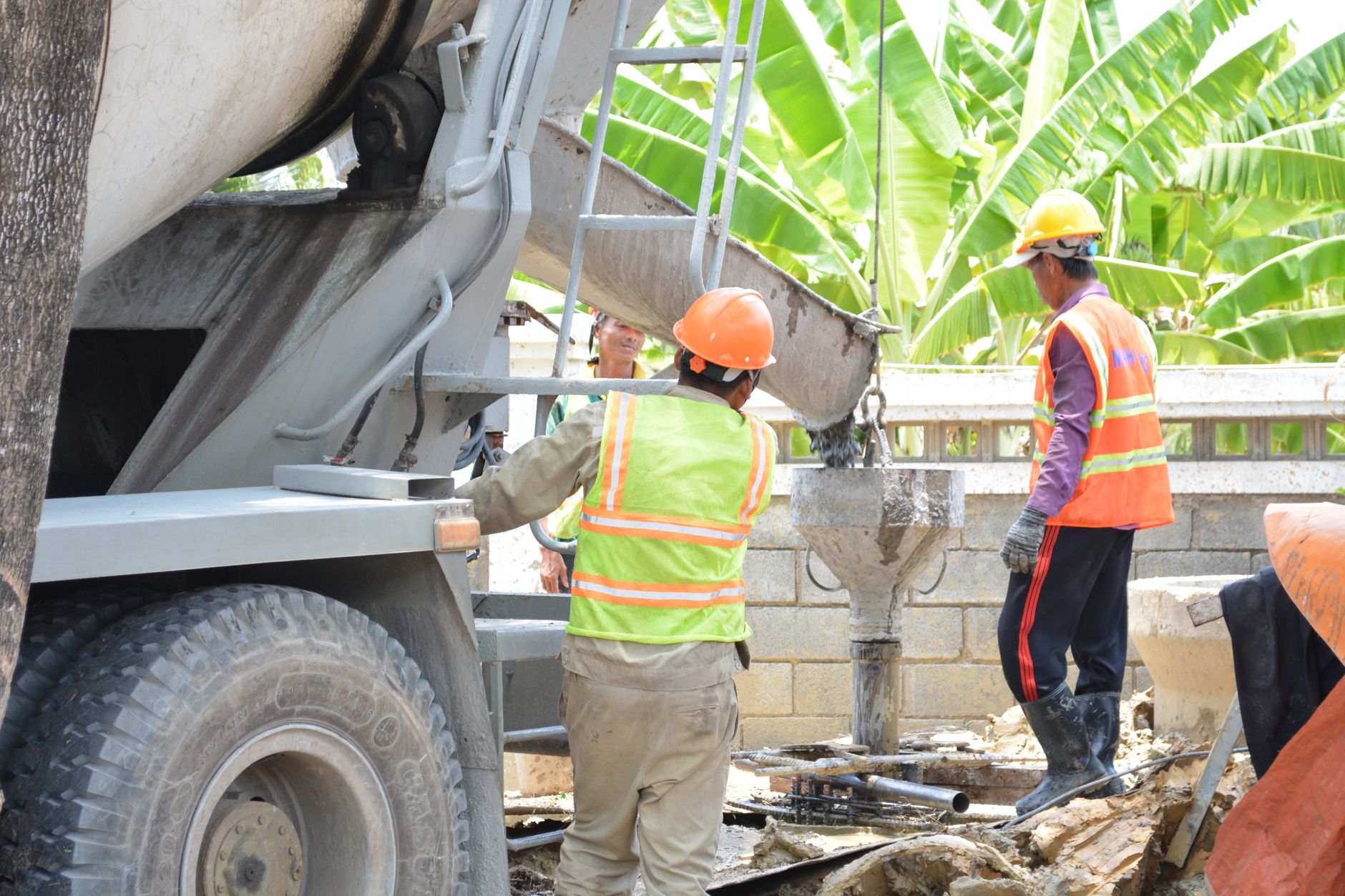
Iowa's rules set the boundary for washout. According to the Iowa Department of Natural Resources, NPDES General Permit No. 2 for construction stormwater does not authorize concrete washout and wet sawing discharges, and waste from those activities may not be discharged to surface waters or allowed to affect state waters. That permit applies to construction that disturbs one acre or more, so a ready mix plant may fall under a different permit, and the DNR should be asked which one covers the plant.
The DNR site may also show a newer version of General Permit No. 2 with later effective dates, so confirm the version that applies before relying on any of its terms. Local rules can add to the state permit. The City of Iowa City's construction runoff checklist asks for the concrete washout location, which shows a city can require a specific washout plan on a site. A Des Moines yard should ask the city's engineering staff what they expect, rather than assuming a state permit or a robot settles the question.
For the robot decision, this makes washout water the first question, not the last. If the water cannot be contained and handled on site, no amount of apron sweeping fixes the dawn queue, so the plant should settle the washout process before selecting equipment for the apron.
Is an overnight apron safer with a robot on it?
Injury data give a reason to reduce the number of people on moving equipment at night, although the sources here do not isolate apron work. According to SafetyRecord, which cites Bureau of Labor Statistics survey data, ready mix concrete manufacturing had 2.5 recordable injuries and illnesses per 100 full time workers in 2024. That figure was not checked against the BLS directly, so treat it as a sector reference rather than a Des Moines number.
Driver risk is a separate thread. A 2016 study by Akboğa and Baradan in the Japanese Journal of Occupational Health described numerous injury cases over the prior decade involving ready mix truck drivers, and the authors said incident records are not kept properly. That makes your own incident log the best local evidence you will have, so test a robot route against that log and against the drivers who use the apron at load out.
A robot is not a safety program by itself. Its route, speed, and stop behavior need a risk review with the plant's safety lead, the crew, and the drivers, and the robot's path should be marked and kept out of the drivers' path at load out.
How does the dawn sequence change with a robot in the yard?
Today the dawn sequence depends on a crew finishing the night wash, clearing the washout bays by hand or with equipment, and a dispatcher or driver checking the apron before trucks queue. The delay happens when any one step runs late. A robot does not take the crew out of that chain. It moves the apron step into the night and leaves the crew with the inspection and the bays.
We are a robot integrator, so we would pick the unit that fits your apron, lease it through financing, deploy and integrate it, train your staff, and service it under RoboCare, our service plan, through regional service engineers. The lease quote comes after a free site assessment, and that assessment is where the apron map, route, charging spot, and washout boundary get measured.
The sequence below shows the difference in plain steps.
What should you check before asking for a quote?
Start with the facts you can measure yourself: the apron surface, the route and its obstacles, the time between the last load and the first dispatch, and the washout process. The sources for this page did not verify apron floor area, cleaning time per shift, or washout water volumes for ready mix yards, so those numbers must come from your site and your logs.
Then settle the questions that change the answer. A robot that suits an open, dry apron can still be the wrong tool if washout water cannot be handled on site, and a plant with a clear end of shift rule and a winter clearing plan is a much better candidate than one without either. Bring your permit list and the crew's dawn schedule to the assessment.
Frequently asked questions
Upcoming builders & gcs events
- ExpoConstructing Industry Connections Symposium & ExpoNov 18, 2026Pennsylvania Farm Show Complex, Harrisburg, PA
- Trade showAPC/PennDOT/PA Turnpike Fall SeminarNov 18 to 20, 2026Hershey Lodge, Hershey, PA
- ExpoPittsburgh Remodeling ExpoFeb 5 to 7, 2027Acrisure Stadium, Pittsburgh, PA
- ConferenceHealthcare Project Delivery Conference 2027Feb 10 to 11, 2027Manchester Grand Hyatt, San Diego, CA
Put a robot to work in Des Moines.
We walk your site, learn the job, and recommend the unit that fits. Then we quote the lease, deploy it, and keep it serviced.
Sources
- NWS Des Moines, 1991-2020 January climate normals
- IBISWorld, Ready-Mixed Concrete Manufacturing number of businesses
- FRED, Mining, Logging and Construction employees, Des Moines MSA
- USAFacts, jobs added in the Des Moines metro area
- Iowa DNR, NPDES General Permit No. 2 construction stormwater
- SafetyRecord, ready mix concrete injury rate citing BLS SOII
- Akboğa and Baradan (2016), Japanese Journal of Occupational Health
- City of Iowa City construction runoff checklist