
The question, in the buyer's words
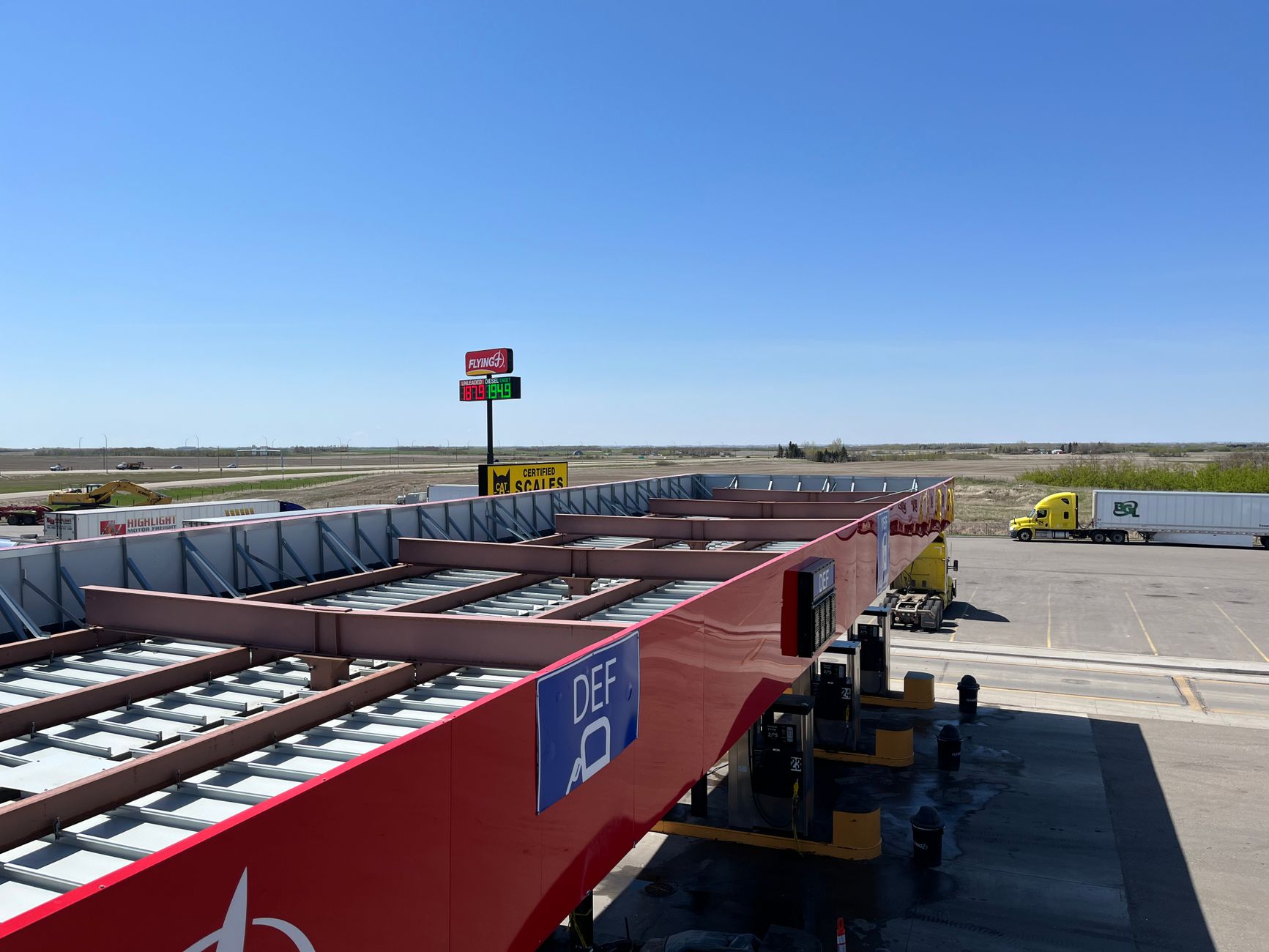
Our interstate welcome center gets a line of drivers every hour asking for restrooms, fuel and road conditions while two staff handle the desk; could a humanoid robot greet travelers and answer basic questions while staff take the harder requests?
Key takeaways
- A humanoid greeter can take the repeat questions at the desk, but not the harder requests.
- Road condition answers need a live, official feed that staff keep current before the robot repeats them.
- No verified hourly volume exists for welcome center desks, so log two weeks of questions before estimating savings.
- Lobby robots that share space with the public fall under public-space safety expectations, not the industrial draft standard.
- Start with one leased unit and a free site assessment before committing to a full deployment.
Can a humanoid robot answer traveler questions at an interstate welcome center?
Yes, for the repeat questions, and with conditions. A humanoid stationed at a fixed desk at an interstate welcome center can greet a traveler, say where restrooms and vending are, point to the fuel area and explain posted rest area rules. Those answers are the same for every visitor, which is exactly what a scripted robot does well, and your staff stay free for requests that need judgment.
Road conditions are the exception. A robot repeating a condition it has no current data for is worse than having no answer, because a driver may plan a route around it. The robot should read only from an official feed that your staff keep current, state the update time, and say where the information came from. If that link is not in place, the robot should send the question to the person on duty.
The harder requests stay with people. These include a driver who is unwell, a child who has gone missing, a vehicle problem, a route change for a loaded truck, and anyone upset enough to need a real conversation. Two staff members are better placed for these, and that is the reason to treat the robot as a first answer point rather than the whole desk.
How many interstate welcome centers and visitors are there in the US?
Welcome centers form a large network at state level, although no current national count was found in this review. The Illinois Department of Transportation says it maintains 53 rest areas and 11 welcome centers on state highways. The Indiana Department of Transportation's site reports 17 rest area locations and 28 separate rest area facilities on Indiana's interstates, as shown in its search listing.
Visitor counts explain why a desk line forms. According to the Wikipedia list of welcome centers in the United States, nine North Carolina welcome centers reported 6,388,933 visitors in a 2019 count. The same list says Wyoming welcome centers greet over 450,000 visitors annually, and that New Hampshire officials reported over 6.8 million visits to state rest area and welcome information centers in 2016.
The Federal Highway Administration's truck parking survey, which covers 49 states excluding Hawaii, found 28,396 truck parking spaces at public rest areas and welcome centers across 39,963 miles of Interstate, although the page is undated. These figures show scale, not your queue. A state total says nothing about how many repeat questions reach your desk in a given hour, and a two-week count of your own traffic will tell you far more.
What does a humanoid greeter do at a public information desk today?
Airports have tested this role first. According to a trade news report, a California airport began a four-month pilot on April 1, 2026, with a humanoid that answers questions on flights, baggage and directions. The unit is mounted to a fixed base behind an information desk instead of roaming the floor.
That fixed base is the design to copy. A robot anchored behind your counter handles the repeat queue while staff stay in the same place for complex cases. A fixed unit also keeps a predictable footprint in a lobby full of luggage, strollers and wheelchairs, which matters more at a rest stop than at a quiet office.
An airport pilot is not proof for a rest area. Airports have ticket counters, large signage and staff in every direction, while a welcome center may have one lobby, a vending room and a restroom corridor. Ask for a trial in your own building with your own question list, and judge the result by how many questions still reach your staff member.
Robot or second staff member: how do they compare at the desk?
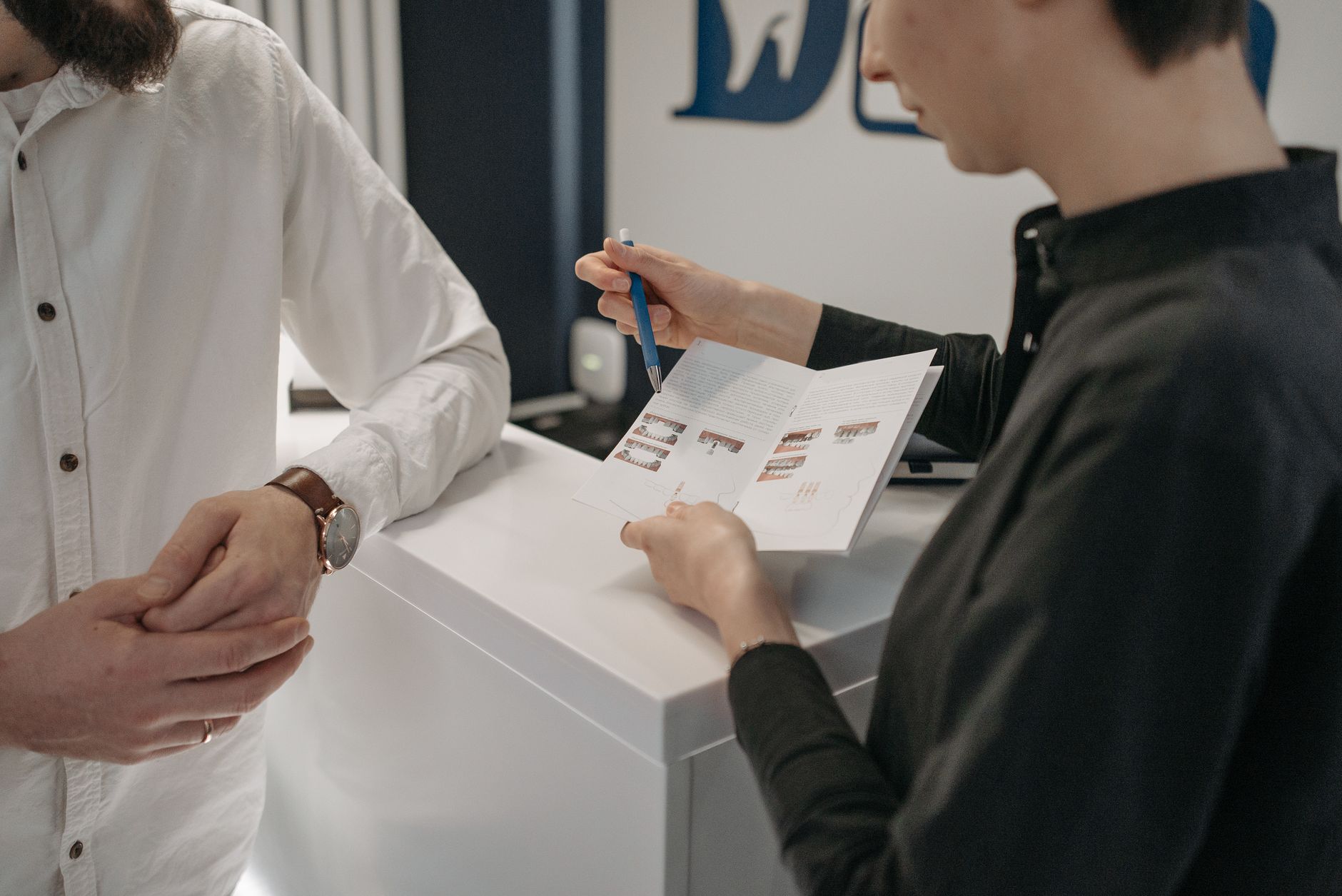
A robot and a second person solve different parts of the same problem. The comparison below is about the desk, not about cutting staff, and neither option is right for every line.
The labor market is tight for this kind of work. A third-party summary of BLS data projects 43,600 openings per year for hotel, motel and resort desk clerks, with 3.7 percent projected growth from 2024 to 2034. That occupation is adjacent rather than identical to a welcome center role, and no turnover figure for your type of staff was found in this review, so treat the number as context only.
A person wins on judgment, empathy and situations nobody scripted. A robot wins on giving the same correct answer to the fortieth driver of the afternoon without fatigue, and it can keep the same hours as the lobby once installed. Those are the real trade-offs, and your queue log will show which one matters more for your building.
- Repeat questions about restrooms and fuel
Humanoid Robot
Gives the same correct answer every time and does not tire mid-shift
Staff
Fast and flexible, but answers slow as the line grows and fatigue sets in
- Road condition information
Humanoid Robot
Only as current as the feed it is given, and must state the update time
Staff
Can check live reports, call the state line and judge what a driver should do
- Emergencies and medical concerns
Humanoid Robot
Can alert staff and call for help but cannot assess or act
Staff
Assesses, reassures and acts on the spot
- Language and accessibility
Humanoid Robot
Depends on the languages and speech set up at install
Staff
Can adapt to hearing, sight or language needs immediately if trained
- Hours of coverage
Humanoid Robot
Runs the same hours as the lobby once installed, with no breaks
Staff
Needs scheduling, breaks and cover for absences
- Upset or complex visitors
Humanoid Robot
Can escalate the call but is weak at de-escalation
Staff
Strong at calming people and finding a practical way forward
- Familiarity and trust
Humanoid Robot
Draws curiosity, which can help the first greeting
Staff
A known face builds trust with drivers who stop repeatedly
How much desk time would a robot actually free up?
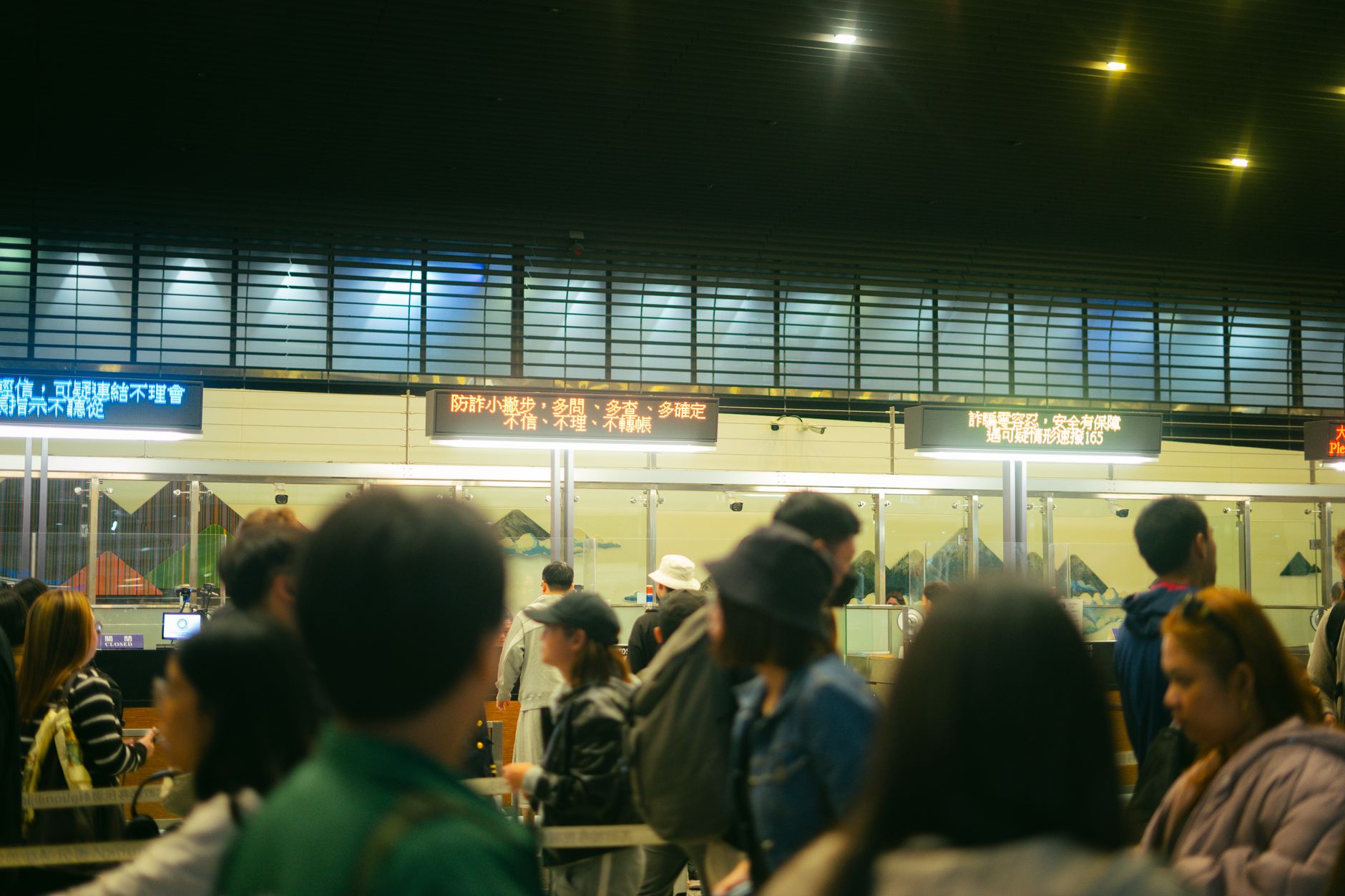
No verified hour figure exists for this desk. The research did not find typical hourly volumes for restroom, fuel or road-condition questions at welcome centers, nor hours per shift for two-person coverage. Any savings estimate, including one from a vendor, should come from your own queue log.
Measure at least two weeks of traffic. Count each question type by hour, note how long each one takes, and mark which ones a scripted answer could close fully. Holidays and summer peaks change the picture, so include them, and separate the repeat questions from the handoffs, since only the repeat ones move to the robot.
The table below shows how the work splits today and what the robot would take over. The minute cells are left open on purpose, so the numbers come from your building rather than from a generic claim.
Where would a robot work inside the center?
Keep the robot in the lobby, at or near the desk. Restroom corridors, the fuel area and the truck parking edge are outside its job, and the robot should not guide drivers into those areas on its own. A clear rule like this makes staff checks easier and limits the places a robot must avoid.
Floor layout matters more than the robot's height. Check the clear path from the entrance to the desk, the reach needed for a wheelchair user, and the glare from windows, since sensors and cameras read the scene less well in strong light. Walk the route with a tape measure at the busiest hour, not at midday on a quiet weekday.
Stability needs attention too. If the floor is uneven or sloped, a fixed base is safer than a free-standing unit, and the mounting should be confirmed during the site assessment. The six zones below are where the robot is expected to work.
What safety rules apply to a robot in a public lobby?
Standards matter here. ISO/CD 25785-1 is a committee draft covering industrial mobile robots with actively controlled stability, including legged robots. Its scope defines an industrial environment as one where the public is excluded or restricted, and a welcome center lobby is open to the public.
For robots that share space with the public, the notes point to ISO 13482 as the relevant standard. The industrial draft's comment period closed June 21, 2025, and no final publication date was found, so do not assume the draft has become a requirement. Ask the vendor which standards the unit is built and tested against, and get that answer in writing.
Commentary on the draft notes that Safe Torque Off can cause an uncontrolled fall if power is lost. For a humanoid, ask how it fails, where it stops, and who is trained to recover it after an incident. Liability and insurance for a robot in a public space is a separate question, so check it with your carrier before go live.
How would Service Robot Co. lease and deploy one?
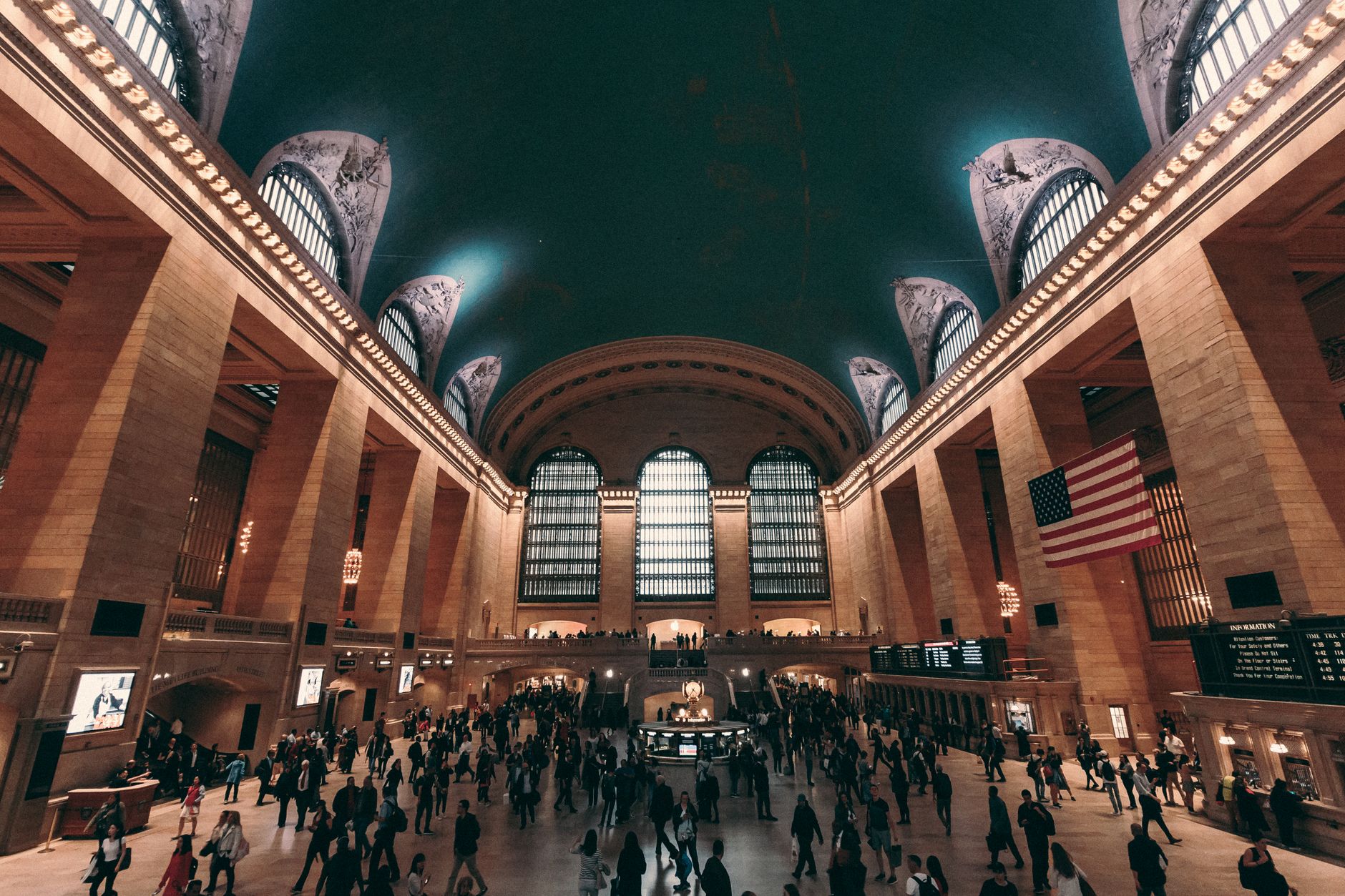
Service Robot Co. is an OEM-neutral integrator, so we choose the robot for your lobby rather than starting from one brand. We lease the unit through financing, deploy and integrate it, train your staff, and service it under RoboCare, our service plan, backed by regional service engineers in every state we service.
The payment comes in a quote after a free site assessment. During that visit we map the lobby, test the traffic at your busiest hour, confirm the question list, and set up the road-condition feed, so the quote reflects your building rather than a generic plan. That is also when we check how quickly a service engineer can reach your state.
Start with one leased unit as a pilot rather than a full rollout. Log questions for two weeks before and after go live, and expand only if the log shows the robot is taking the repeat load while staff keep the complex work.
Frequently asked questions
Want a humanoid robot at your interstate travel welcome centers?
Tell us about your site. We will recommend the robot, quote the lease, and keep it serviced.
Sources
- Illinois Department of Transportation: rest areas and welcome centers
- Indiana Department of Transportation: welcome centers and rest areas
- Wikipedia: Welcome centers in the United States
- Federal Highway Administration: truck parking survey
- WageDex: hotel, motel and resort desk clerks
- AviationPros: San Jose airport launches humanoid robot to assist passengers
- Airport Technology: Munich Airport and Lufthansa begin humanoid robot test
- ISO: ISO/CD 25785-1 industrial mobile robots with actively controlled stability