
The question, in the buyer's words
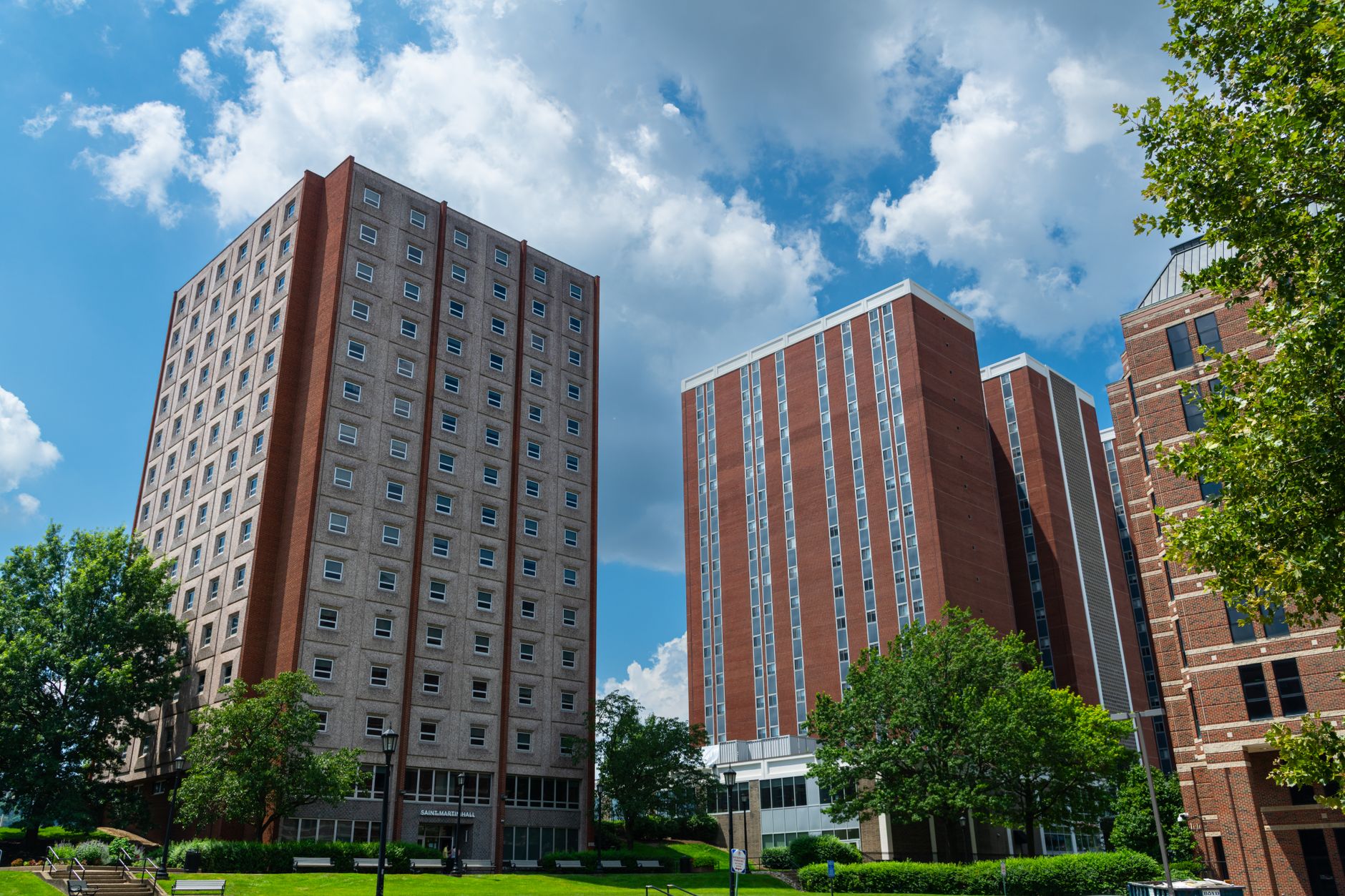
I run a four-building college campus where late-night meals from the dining hall reach residence halls cold, and our student workers keep quitting; could delivery robots carry those meals across the quad after 9 p.m.?
Key takeaways
- A robot removes the walk from the late meal run, not the packing, the handoff or the cooking.
- Cold food is a holding problem: 41°F (5°C) or below is the cold holding limit in the cited inspection guidance.
- Campus delivery robots are established, with one operator reporting 67 campuses (company-reported).
- Staffing pressure is widespread: 96% of respondents to one college dining survey named lack of staff as their top challenge.
- Before deciding, check the route, the residence hall receiving point and the months the route can run.
Can a campus late meal delivery robot run across a quad after 9 p.m.?
A campus late meal delivery robot is a wheeled unit that carries sealed food containers along a fixed route, usually from a dining hall to residence halls, so no student has to walk the trip. For a four-building campus, the questions are whether the route is short and planned, whether the walkways and crossings suit the unit, and whether each residence hall can receive the order at night. The answer depends on the route, the food and the staffing, so the robot is one part of a fix, not a full replacement for late meal service.
The robot does the carry. Someone still packs the order, labels each container by building, loads the unit and confirms the handoff. If the kitchen runs short on late items or packs slowly, the robot waits, so it cannot get meals to residents faster than the kitchen sends them.
For you, the realistic gain is a shorter student shift and fewer cold deliveries, if the containers and timing are right. A fixed run across a quad is a planned route, which is easier to test on site than an open ended campus trip, but that is a judgment to confirm during a site assessment, not a guarantee.
What problem are dining directors trying to solve with robots?
Staffing is the pressure dining directors name first. In a college dining survey reported by Food Service Director, 96% of respondents named lack of staff as their top challenge this school year, although the summary does not state the year. A related NACUFS report, Campus Dining: 2030 and Beyond, says labor constraints may persist even with recruiting efforts.
Student workers add a specific problem. An Iowa State study of part-time student dining employees, dated 2001 in the material we consulted, suggested that improving student job satisfaction may reduce turnover. Retention is therefore part of the staffing problem, not only recruiting, and a tiring leg of the job is a reasonable place to look.
A robot targets one part of that picture: the carry. It does not touch the line, the recruiting pipeline or the pay structure. Treat it as a way to shorten the job, then test whether the shorter job keeps people longer.
- Route
Delivery Robot
Runs a mapped route between buildings it has been set up for.
Staff
Takes any route, uses shortcuts and handles detours on the fly.
- Hours covered
Delivery Robot
Runs on the schedule in the deployment plan and pauses when the route is not safe.
Staff
Covers the scheduled shift, limited by how many students are working.
- Handoff at a door
Delivery Robot
Needs the residence hall to receive it through a set method.
Staff
Hands the order to a resident, answers questions and fixes an error at the door.
- Cold food
Delivery Robot
Carries whatever containers it is given, so temperature depends on the container and timing.
Staff
Can probe the food, adjust portions or swap an item, though the walk still takes time.
- Problems on the route
Delivery Robot
Stops and alerts staff, and a stuck or damaged unit needs service.
Staff
Solves most small problems on the spot, using judgment about the food.
- Where people win
Delivery Robot
Predictable, repeatable runs on the same path every night.
Staff
Flexible, handles surprises and keeps the late meal moving when the plan breaks.
How common are campus delivery robots right now?
Campus delivery is past the pilot stage. Axios reported in September 2026 that a new class of delivery bots is heading to campuses, and one operator said in May 2026 that it was shifting its US focus toward grocery deliveries. That operator says its robots get about seven months of campus work a year, and it reports 67 campuses; both figures are company-reported. A second operator is adding 21 campuses that the first one previously served.
The National Center for Education Statistics counted 3,931 Title IV degree-granting institutions in 2020 to 2021, down from 4,599 in 2010 to 2011. Your campus is one of those institutions, so the question is less whether the category exists and more whether a specific operator will serve your route.
Adoption figures come from the operators, so read them as company-reported. One survey summary, also company-reported, put more than 9 million deliveries globally and 1.5 million miles on US campuses in 2025. Those numbers show the robots are running at scale, not that they fit your quad.

What does a robot shift look like on a campus route?
A late run starts in the kitchen, not on the quad. Staff pack each order into sealed containers, label it with the building and time, and load the robot at a set dock. The route and residence hall handoff are set in advance, so the shift is mostly a checklist with a few handoffs.
The timeline below is a plan a dining director could test, not a schedule any operator guarantees. Adjust the times to your kitchen close and residence hall quiet hours.
Notice what stays with people: packing, temperature checks, the handoff and the call when something goes wrong. The robot takes the walk. If your student crew spends most of the late shift walking, the change can be large. If the crew spends most of its time at the line, the change is smaller and the line needs its own plan.
Why does late food arrive cold, and what does a robot change?
Cold food is mainly a holding problem. A North Carolina cold holding inspection guide, posted by the state restaurant and lodging association, cites FDA Food Code section 3-501.16 for a cold holding limit of 41°F (5°C) or below. Check your own state and local inspection rules before you set your holding plan, because your inspector will apply your jurisdiction's rules.
A robot does not change that limit. It changes how long food spends in transit and whether a handoff waits at a locked door. A short sidewalk run with insulated containers may keep food within the limit, but a wait at a residence hall door adds time that the food spends outside the plan.
Set a maximum time for each leg, a probe check at loading and a container type with your food safety lead. Those rules apply whether a student or a robot walks the route. A logged run also makes a cold food complaint easier to trace back to the step where it happened.
Does the staffing gap close, or does the work move?
The honest answer is that the work moves. The walk leaves the job, but packing, loading, temperature checks, receiving and troubleshooting stay with people. The change can still help retention, since the 2001 Iowa State study suggested that improving student job satisfaction may reduce turnover, but it is not a headcount fix on its own.
The wider labor market matters too. The Bureau of Labor Statistics projects food preparation worker employment to decline 3% from 2024 to 2034, with about 148,000 openings a year. BLS openings include replacements for workers who leave, so recruiting stays busy even as employment falls. For food service managers, BLS reports about 344,300 jobs in 2025 and about 38,800 openings a year over 2025 to 2035, with a 6% outlook that BLS rates faster than average.
Plan for both. Keep the student crew at the line, use the robot for the walk, and write a staffing plan for the weeks the route cannot run.
Will the route work on your four buildings?
Four buildings across one quad raise route questions a single building never does. Map the walkway, curb cuts, crossings, door types, elevators and any stairs. A route that needs a student to open a door or ride an elevator still has a person in it, so count that time against the saving.
Seasonality matters. One operator reports about seven months of campus work a year, a company-reported figure. Winter, break weeks and events may take the route off line, so ask what the operator does in those months and whether a spare unit can cover your route.
Weather is also a limit. Get the operating conditions in writing before the route is approved, and write a fallback plan for the late meal on days the robot does not run.
How would a lease for a campus delivery route work with us?
We are a commercial robot integrator for US businesses. We pick the robot for the site, lease it through financing, deploy and integrate it, train staff and service every unit under our service plan, backed by regional service engineers in the states we serve. One partner handles the lease, the deployment and the service, so your dining team works with one contact.
We quote a lease only after a free site assessment. That visit maps the route, checks the receiving points, reviews the holding equipment and confirms the months the route can run. The lease quote comes after that visit, through financing, so you can set it beside the staffing and kitchen changes on the same sheet.
Start small if the route is new. A pilot with one leased unit on one quad route lets you test the handoff, the temperature logs and the late meal plan before you expand. If the route does not fit, the assessment should say so, and the right answer may be a kitchen or staffing change instead of a robot.
Frequently asked questions
Upcoming schools & higher education events
- ConferenceNew England College Health Association (NECHA) 2026 Annual MeetingNov 11 to 13, 2026Newport Marriott Hotel & Spa, Newport, RI
- ConferenceCASBO CBO Symposium (Executive)Nov 19 to 20, 2026The Langham, Pasadena, CA
- Conference48th Annual Conference on School FacilitiesFeb 23 to 25, 2027SAFE Credit Union Convention Center, Sacramento, CA
- ConferenceVirginia Association of Museums (VAM) 2027 Annual ConferenceMar 13 to 16, 2027Virginia Guesthouse Hotel and Conference Center, Charlottesville, VA
Want a delivery robot at your college residence halls?
Tell us about your site. We will recommend the robot, quote the lease, and keep it serviced.
Sources
- Food Service Director, college dining survey on staffing
- Iowa State University study of part-time student dining employees
- Axios, campus delivery bots coverage (September 2, 2026)
- Pulse summary of a company-reported campus robot survey (2025)
- National Center for Education Statistics, Fast Facts
- North Carolina cold holding inspection guide, NCRLA
- Bureau of Labor Statistics, Occupational Outlook Handbook: Food service managers
- Bureau of Labor Statistics, Occupational Outlook Handbook: Food preparation workers