
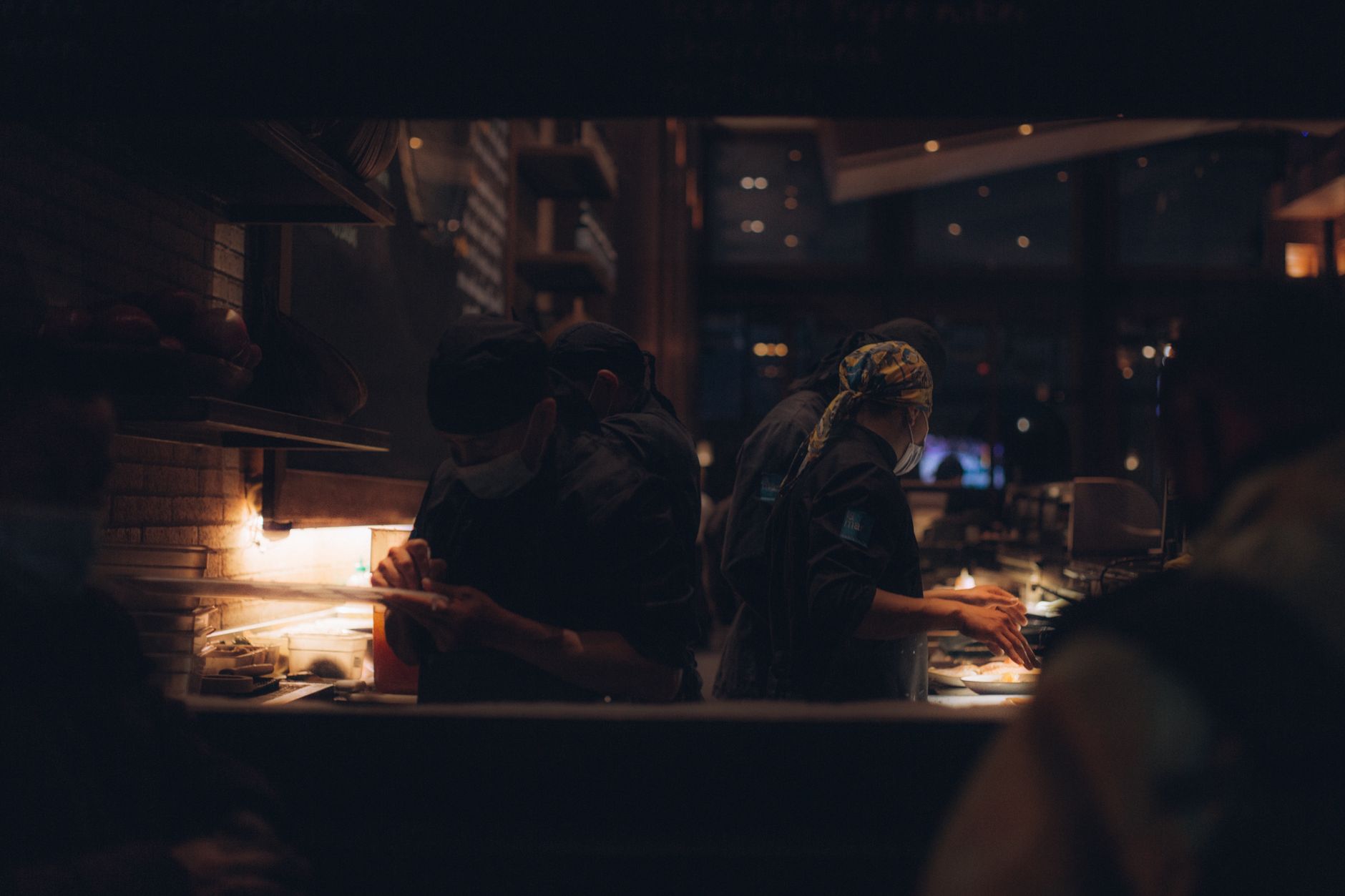
The question, in the buyer's words
I run three sushi restaurants in Denver, Colorado, and rice, oil and fish juice pool on the kitchen floors by close; could a cleaning robot finish those floors after the last ticket without splashing grease toward the dish pit?
Key takeaways
- A cleaning robot can take the floor pass after the last ticket, but your crew still clears rice, fish scraps and debris first.
- No specification promises zero splash, so the route, a keep-out zone at the dish pit and the settings get tested in a site assessment.
- The 2025 State of Denver Restaurants report counts about 15% fewer full-service restaurant jobs in 2025 than at the start of 2020.
- Denver rules on kitchen floors and grease traps need direct confirmation with the health department and wastewater district before you set a wash schedule.
- Start with one kitchen as a pilot, then decide on the other two once you see what the closing crew still has to do by hand.
Can cleaning robots mop Denver sushi kitchen floors after the last ticket?
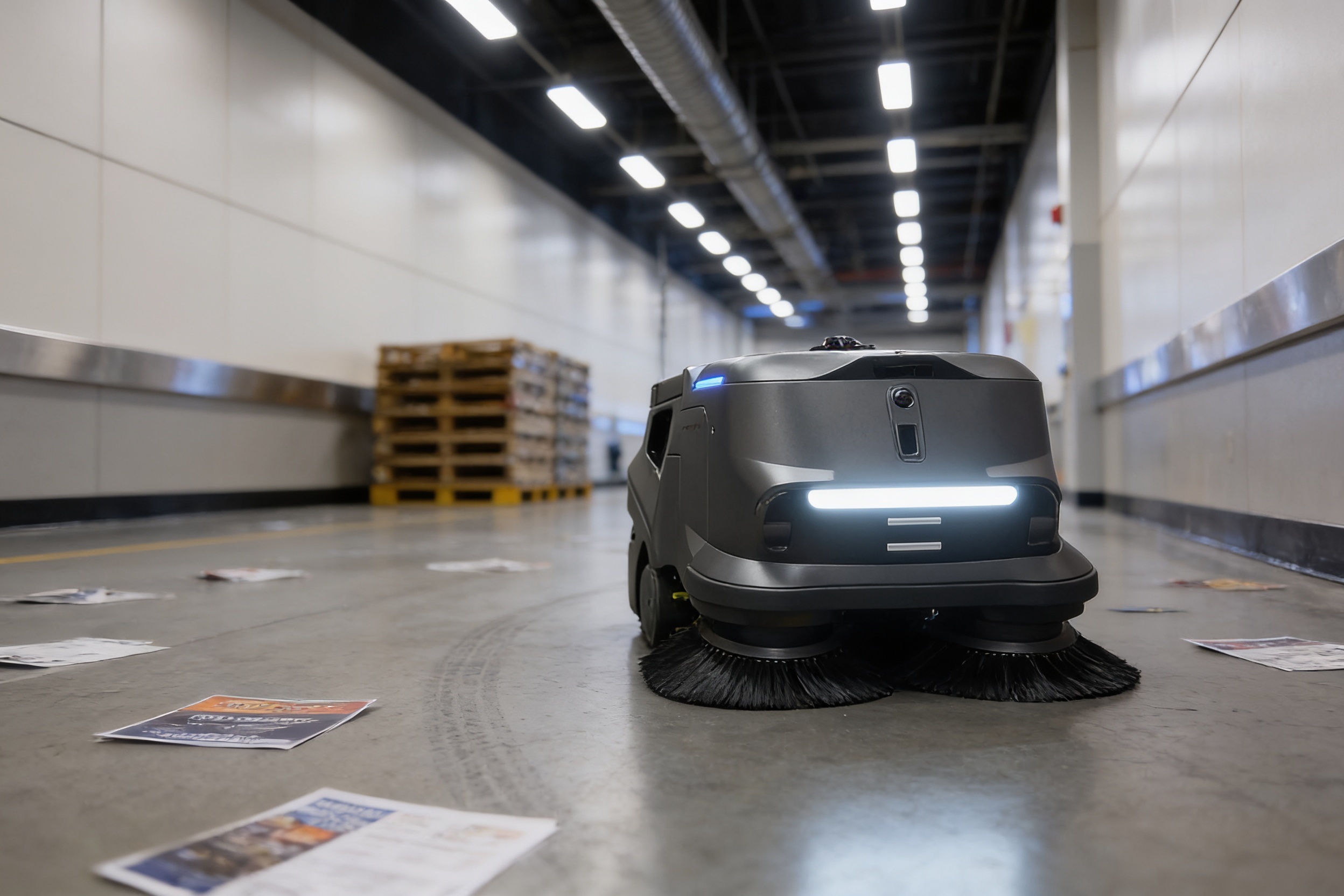
Partly. A cleaning robot can take the open floor pass after the last ticket in a Denver sushi kitchen, but it cannot start on a floor full of rice clumps, fish scraps and loose debris. Your closing crew still clears that first, because a unit that meets large debris can spread it across the floor, miss grease underneath it or stop on its route. The robot does the long repetitive pass once the clear step is done.
That pass is where a robot does well. An autonomous floor scrubber follows a mapped route, so the same path gets cleaned the same way every night, including on nights when a tired closer would have cut a corner. Whether that route keeps wash water and grease away from the dish pit depends on the layout of each kitchen, and that is the question a site assessment answers before any quote.
A robot does not replace a closer's judgment about broken glass, a knife left on the floor or a wet spot by the dish pit that needs a hand. Plan for a person to walk the floor after the unit finishes, at least until the route has run cleanly for several weeks.
How many Denver restaurants face this closing hour problem?
Denver has no official 2025 count of restaurants by type that we could verify, so the figures below are estimates or compilations. Oysterlink estimates Denver at about 1,693 restaurants, with full-service the largest category at about 800, but that site does not name the data behind its estimate. Treat it as a rough scale, not a census.
The base is moving fast. Westword reports 172 metro Denver closures and 303 openings in 2025, so the kitchens that run late closes change every year. CBS News reports that Denver retail food establishment licenses fell 21%, and that Colorado lost 498 restaurants between Q1 2024 and Q1 2025.
For a group with three sushi restaurants, the point is that your closing crew competes for workers with a large and shifting set of kitchens. A floor routine that does not depend on who is on a given closing shift protects the last hour from that churn, and it gives you a standard to train against when people leave.
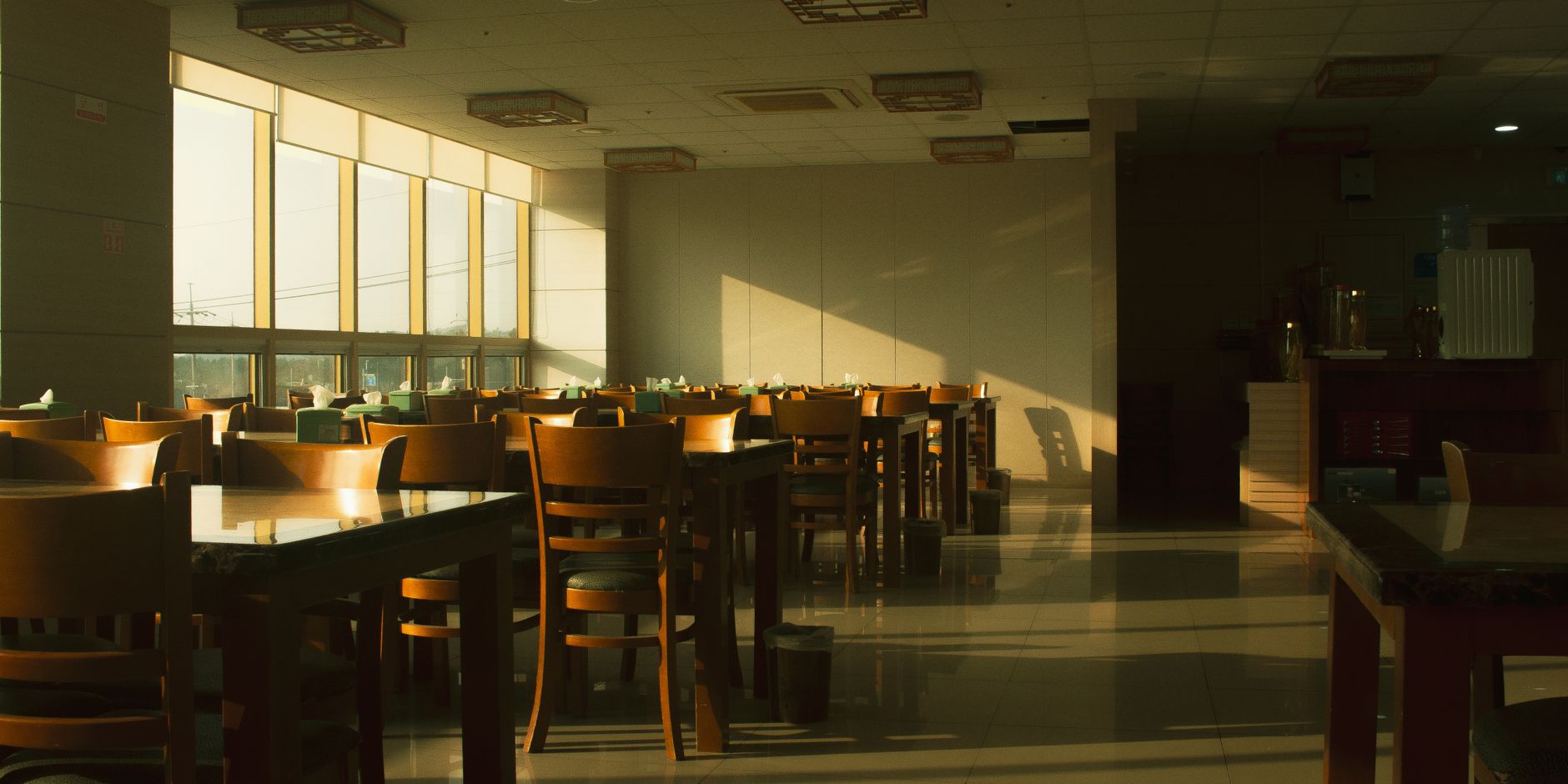
Why is it hard to staff closing crews in Denver kitchens?
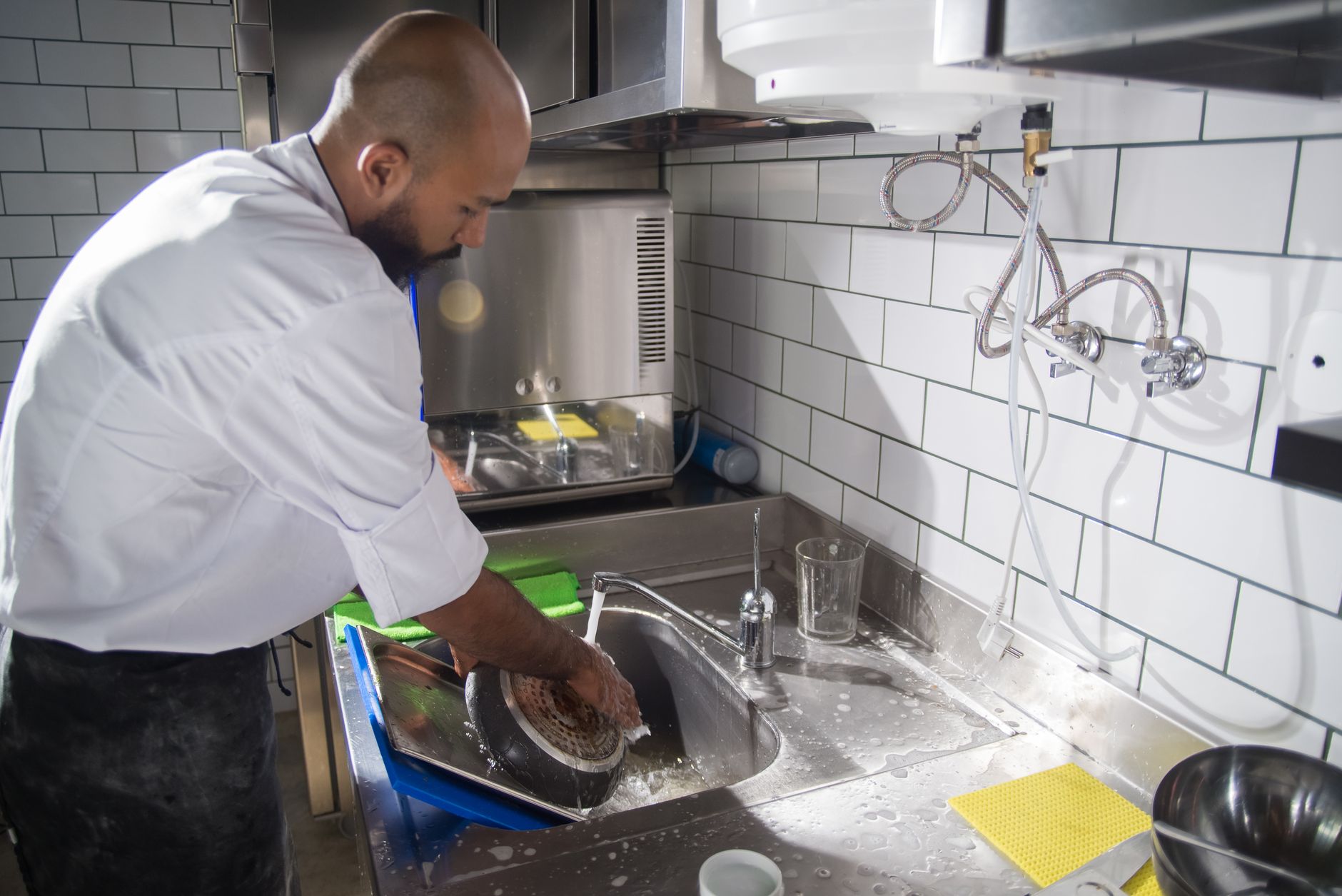
The 2025 State of Denver Restaurants report, which uses BLS data, says Denver has about 6% fewer restaurant sector jobs and about 15% fewer full-service restaurant jobs in 2025 than at the start of 2020. Its survey of operators reports average increases of 50 to 55% in hourly labor costs, although those figures are self-reported by the operators surveyed. Local reporting says the shortage is felt in both front and back of house, and more sharply in the kitchen.
Turnover figures disagree, so check which one you quote. A compilation citing BLS JOLTS data gives a monthly reading of 3.9% for accommodation and food services quits in 2024, down from a 5.8% peak in 2021 to 2022. A Toast-based figure, which is vendor-reported, puts average annual restaurant turnover at 79.6% over the past decade and 73.9% most recently, while a turnover site gives 8.6% for 2023 with an unclear method.
Nationally, a jobs site summary of BLS May 2025 data lists about 477,420 dishwasher positions and about 893,600 food preparation worker positions. Those are the roles that usually end up on the closing floor, so a shortage in either pool lands on your last hour.
How slippery are greasy restaurant kitchen floors, and how often do staff get hurt?
The BLS reports that slips, trips and falls in full-service restaurants rose from 6,810 to 7,850 nonfatal cases between 2014 and 2018. NIOSH, writing about 2018, puts nonfatal injuries and illnesses in full-service restaurants at about 91,800, an incidence rate of 2.7 per 100 FTE workers. A floor slick with oil and fish juice adds to that exposure during the last hour, when staff are tired and moving fast.
A secondary safety-company summary, drawing on BLS figures, cites slips, trips and falls at 27.5% of 888,220 nonfatal injuries with days away in 2019 across all industries. We have not traced that to the BLS table itself, so use it only as a rough sense of scale.
NIOSH notes a cluster randomized trial of no-cost slip-resistant footwear for food service workers, but the results were not in the material we reviewed. Footwear and a cleaned floor work together, and a floor cleaned on a fixed schedule is less likely to be left greasy at the end of a rush.
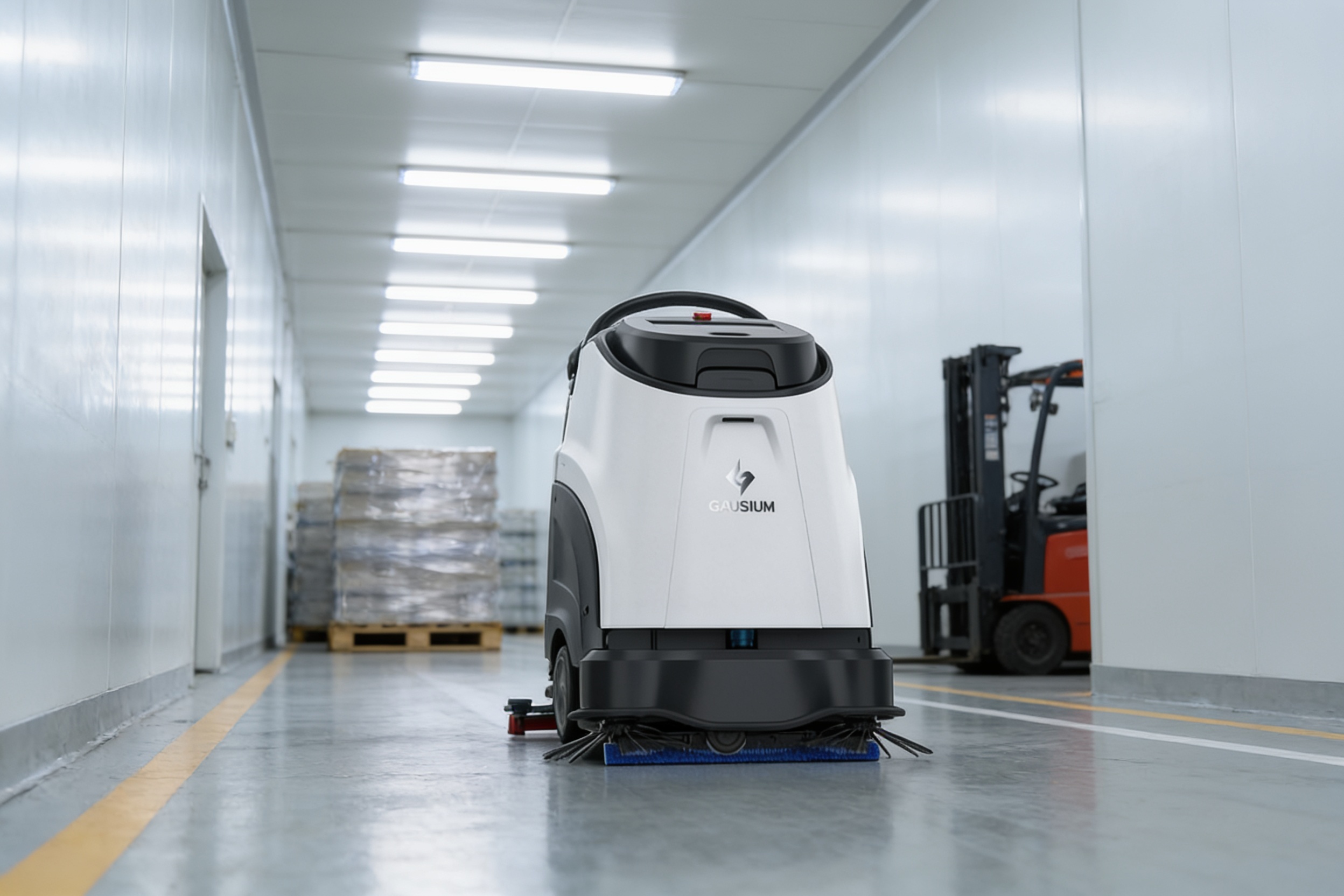
Does Denver winter weather change how kitchen floors get cleaned?
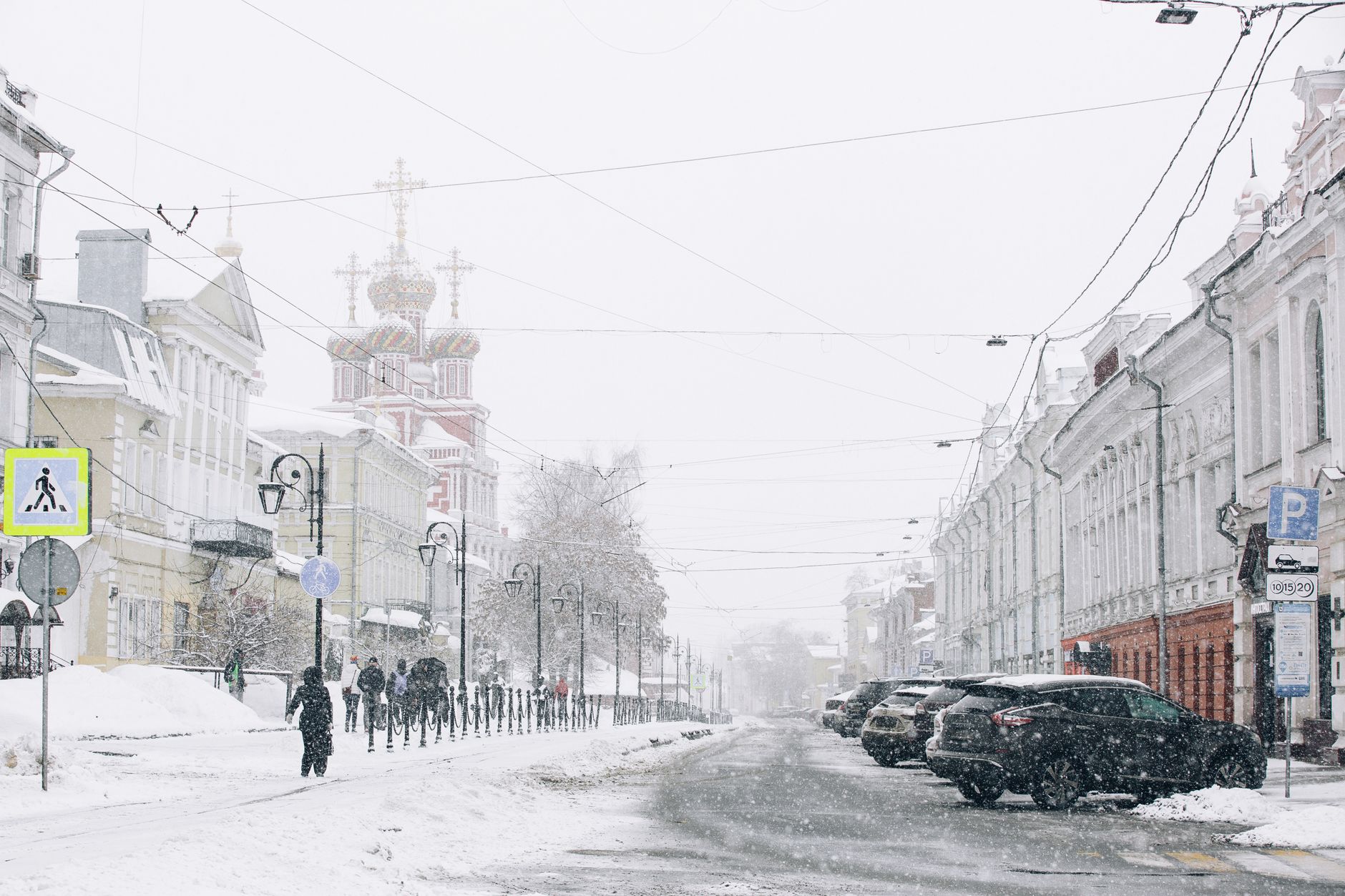
According to the NWS monthly summary, using 1991 to 2020 normals, Denver's January normal high is 44.6°F and its normal low is 18.7°F. The all-time record low in the NWS normals is -29°F, set on 1/9/1875. Cold months mean back doors and deliveries open more often during the close, and slush, salt and grit come in on boots and carts.
That matters for the route. The path from a back door or loading area can carry wet grit onto the kitchen floor during the last hour, so the route should start from a dry zone, and the entry point must be checked in the site assessment. Where a cold entry drips, plan for a staff member to wipe it before the unit passes.
The humidity figures we found come from third-party sites and disagree, so we do not state one, and we did not find an official NOAA January humidity normal for Denver. We also did not verify how dry air changes drying times on a wet floor, so measure drying time on your own floors during the pilot.
What Denver food safety and wastewater rules should I check before a floor robot runs?
We could not confirm the official Denver rules for kitchen floors. A compliance blog says the city's health department expects smooth, cleanable kitchen floors that slope to drains and prohibits carpet in prep and dish areas, but we have not verified that against a Denver Department of Public Health and Environment source. Check the DDPHE food protection pages before you plan the layout, and ask your inspector to confirm.
A facilities guide says Denver and the Metro Wastewater Reclamation District run a fats, oils and grease program with grease trap cleaning rules, but we have not checked those thresholds against the official regulation. Grease matters here because a floor routine adds wash water and grease to the drain system, so the drain schedule should be settled before the route is set.
Ask the health inspector and the wastewater district which schedules and drain practices apply at each of your three addresses. Those answers change the wash-down step and the slope you need, so they belong in the site assessment file, not in a guess made at closing time.
Can a cleaning robot keep grease away from the dish pit?
Splash is a route and settings question. A mapped route can keep the unit a set distance from the dish pit, and where the unit allows it, scrubbing and squeegee settings can be adjusted for the floor. We cannot promise zero splash from a generic specification, because the result depends on floor slope, the drain and where the dish pit sits relative to the route.
The practical method is a keep-out zone at the dish pit approach, with the last strip hand finished by the closer. Put a visible wet floor sign and a dry lane at the pit so nobody walks through a fresh wash. The zone should be on the route map before the first night run, not added after someone slips.
Plan a trial with someone watching the first several nights. Note where the water goes, where grease films remain and whether the closer has to re-clean any corner. Those notes show whether the route holds up or needs changing before you commit to more kitchens.
What does getting a cleaning robot for our three sushi kitchens look like?
We start with a free site assessment at each restaurant. We map the floors, the dish pit approach, drains, the back door and any cold entry, then issue a quote with the fixed lease payment for the chosen unit and the service that comes with it. We are an OEM-neutral integrator, so we choose the unit that fits each kitchen rather than forcing one model across all three.
The unit is leased through financing, so the cost does not arrive as one large upfront outlay. We deploy and integrate it, train the closing crew, and service it under our service plan, with on-site dispatch and remote triage when a unit fails during a close. Backup and spare unit coverage is written into the quote, so you know what happens on a bad night.
Start with one kitchen as a pilot, then decide whether the other two follow. The pilot shows what the closing crew still has to do by hand, and that list is the basis for the rest of the decision.
Frequently asked questions
Upcoming events in Denver, CO
Put a robot to work in Denver.
We walk your site, learn the job, and recommend the unit that fits. Then we quote the lease, deploy it, and keep it serviced.
Sources
- Oysterlink Denver restaurant count
- Westword Denver restaurant openings and closings 2025
- CBS News Colorado restaurant closures
- 2025 State of Denver Restaurants report
- Gitnux foodservice HR statistics
- BLS restaurant slips, trips and falls data
- NIOSH Science Blog restaurant injuries
- NWS Boulder monthly weather summary January 2026