
The question, in the buyer's words
I manage a 180-megawatt solar farm outside Bakersfield, California, and our two techs walk the modules every week after dust storms, missing hot cells and cracked glass; could drones fly the array and flag bad panels before the next heat wave?
Key takeaways
- Drones speed up the walk, but a 180 MW array still needs techs to confirm each flagged module.
- Vendor-reported time savings are large, but no independent study isolates hot cell detection.
- Soiling can cut output sharply in some regions, so flight timing and cleaning decisions should use the same map.
- Flights beyond visual line of sight need an FAA waiver, which belongs in the plan from day one.
- Bakersfield's first 100 degree day usually arrives in late May, so a pilot fits in the cooler months ahead.
How do drone module checks work on a Bakersfield solar farm?
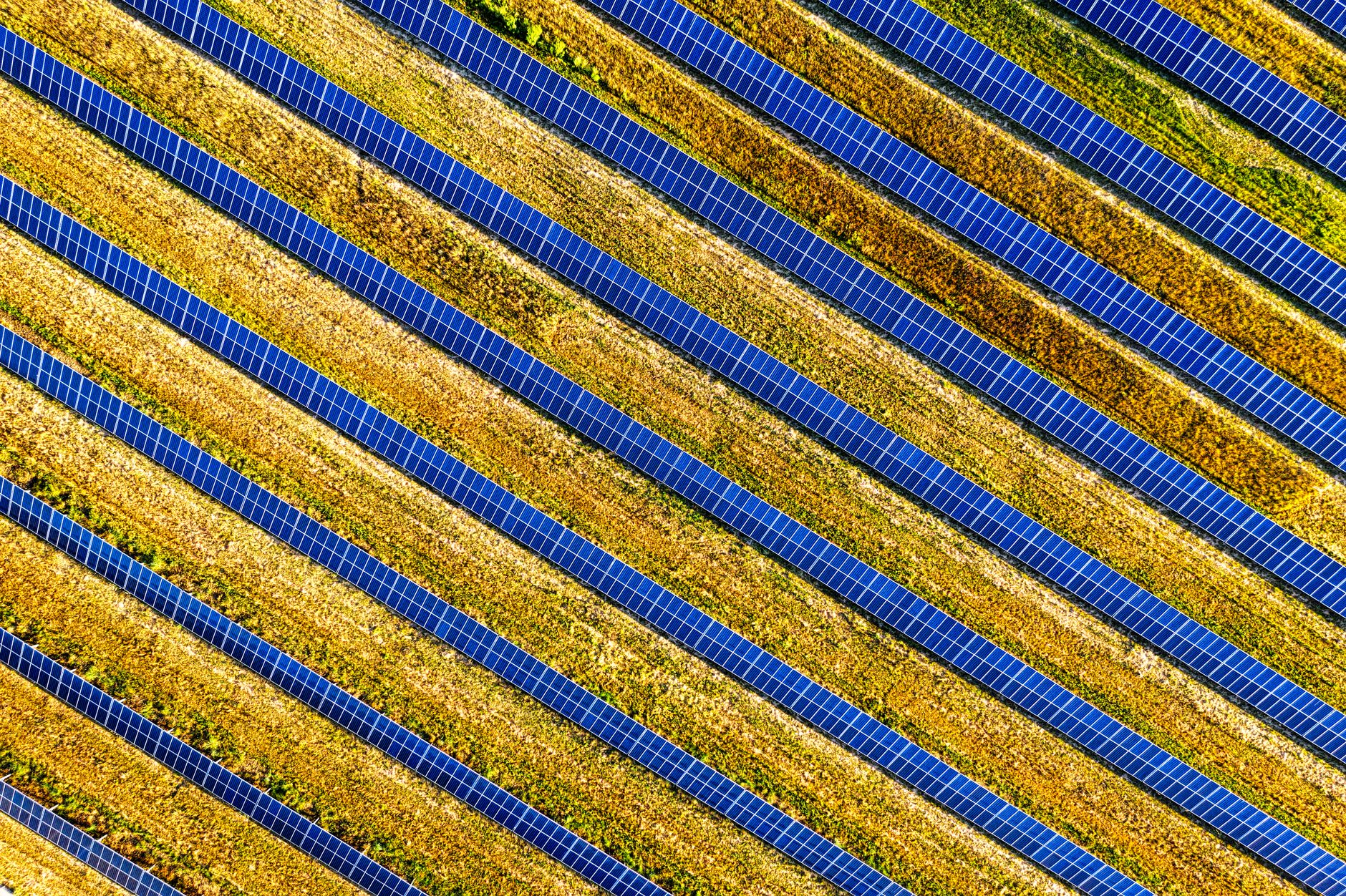
On a 180 MW Bakersfield solar farm, a drone module check is a set of flights over the rows. The drone carries a thermal camera that shows which modules run hotter than their neighbors and a visible camera that records cracked glass, bird droppings and dirt. The drone does not decide what is broken. It produces a map of suspect modules, each tagged with a location, and a person then confirms them in the field.
Your two techs are the bottleneck now because every finding requires someone to walk to it. Walking covers ground slowly, and a crew that walks the whole array after each dust storm cannot keep pace with the heat season. A flight pattern covers the same rows in a set of passes, so the map can reach your team sooner than a full walk would.
Think of the drone as a scout that narrows the list. The output still needs a trained eye, a replacement decision and a record for each module, and that is where most of your techs' hours should go.
How much faster are drone checks than walking the array?
Most speed figures come from vendors, so read them as a best case. A vendor-run comparison at four solar sites from 12.5 to 74 MW reported drone times of 4 to 24 hours against 195 to 778 manual hours, according to the vendor's own case study. A drone vendor says field tests show about 10 minutes per MW by drone versus 2 to 5 hours on foot.
A developer reports that thermographic inspection cost fell by 30 to 40% and that a full inspection cycle shrank from about a month to a week. The same vendor comparison says manual results matched drone results at 99% accuracy. None of these sources isolates how long hot cell detection takes or how often a drone misses one, so ask for a trial on your own rows before you accept the claim.
At 180 MW, ask every provider to show flight time and flagged module counts from a site near that scale, not an average across small sites.
Does dust soiling justify more cleaning or only more flights?
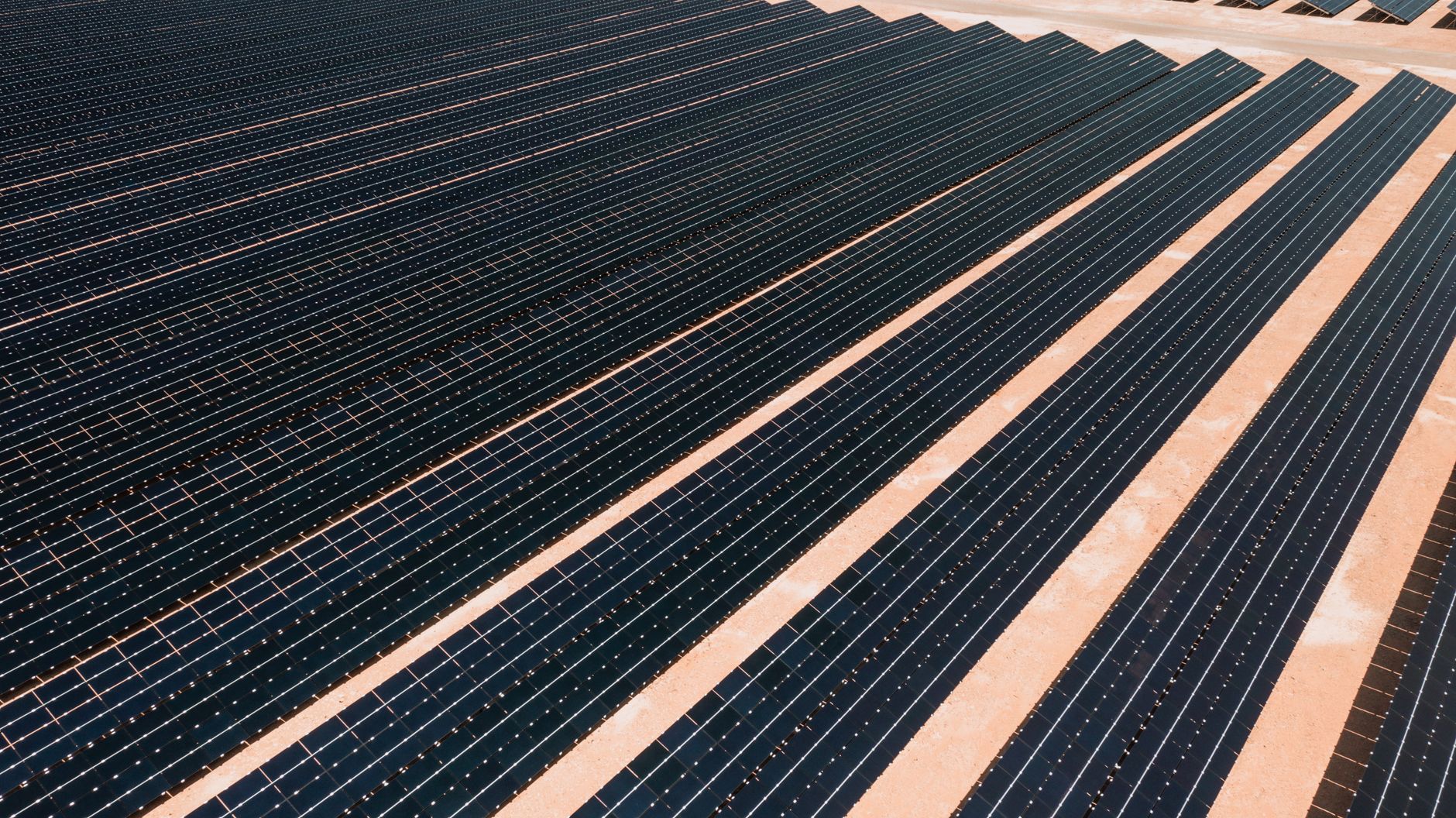
Dust is a real loss, but it is not the same as a broken module. A UC San Diego study by Mejia and Kleissl, using 2010 data from 186 California sites, found unwashed panels lost 7.4% efficiency after 145 days of summer drought, about 0.05% per day on average. The authors said washing is usually not worth it for small systems but may pay at very large installations, which describes your plant.
Other data looks harsher. A solar monitoring vendor analyzing about 4,669 California systems, about 125 MW, reported soiling cut output by nearly 30% in some regions and exceeded 15% of output across large areas in August and September 2024. A 2013 IEEE Journal of Photovoltaics study reported soiling rates of up to 11.5% in a single month in heavy agricultural areas in California and Oregon, as reported in a science news article.
Use flights to rank where soiling is worst, then send cleaning crews to those rows. A drone map of dust levels is a far better basis for a wash decision than a guess after a storm, and it can show whether losses come from dirt or from damaged modules.
When is the Bakersfield heat season, and when should the pilot start?
The National Weather Service office in Hanford says the average first 100 degree day in Bakersfield falls on May 31 and the last on September 18. Local TV reporting puts the long run average at about 33 days a year at or above 100°F. In 2024 the city logged 61 such days, with the first on June 5 and the last on October 4.
The July average high is about 98°F, according to a weather data site, so modules run hot for a long stretch of the year. Since today is in November, the first 100 degree day of the next cycle is more than six months away on average, which leaves room for a pilot.
Use that window to fly a baseline survey, record a clean image set of the array, train your techs on flagged module review, and set the post storm flight rule before late May.
What FAA rules apply to flying drones over a solar array?
Under Part 107, flights beyond visual line of sight need a waiver from the FAA. Waivers issued in 2025 typically set aside the visual line of sight rule and the visual observer rules, and some also waive the altitude limit, according to one waiver document. One example waiver runs from December 5, 2025 to December 4, 2027.
A waiver does not grant airspace authorization. That step goes through the FAA Air Traffic Organization under the rule at 14 CFR 107.41, so the operating plan needs both pieces before the first flight. Other utilities hold 2025 beyond visual line of sight waivers, according to an FAA listing, though those details should be confirmed before you rely on that listing.
Ask any provider to show the waiver and airspace plan for the exact flight pattern over your rows, and confirm who holds the authorization on your side.
Who sets up and services a drone module check program?
Service Robot Co. is an OEM neutral integrator, which means we choose the drone and sensor set that fits your array rather than pushing one manufacturer's line. We lease the equipment through financing, deploy and integrate it into your inspection routine, train your techs to review flagged modules, and service every unit under RoboCare, our service plan. Regional service engineers cover every state we service, so one partner handles the whole lifecycle.
The payment comes as a lease quote after a free site assessment. During that visit we walk the array, map the rows, check terrain and radio coverage, and identify where a waiver or airspace plan will be needed before any flight. You receive the quote only after we know what the site needs.

What should you check before committing to drone module checks?
Before you sign anything, verify these points on your own array, not on an average from a vendor report.
- Flight time for the full 180 MW array, measured on your rows rather than a per MW average from another site.
- Flagged module count per flight, and how many of those flags your techs confirm as real.
- Waiver and airspace plan for every flight pattern, with the holder named in writing.
- Post storm flight window and who approves it when wind or visibility gets worse.
- Replacement process for confirmed modules, including who orders parts and how fast a crew returns.
What can drones not do for a solar array?
A drone cannot confirm a hot cell on its own. The thermal map is a strong pointer, but a person has to check the flagged module, judge the damage and decide on replacement. Cracked glass that a camera records poorly still needs close inspection, so the walk does not disappear, it shrinks.
Drones also cannot make the heat season go away. They can help you find modules that need attention before late May, and they can show soiling patterns after dust events, but cleaning and replacement decisions still need staff time and a clear response plan.
For this site, the honest answer is that drones fit as the first pass of a two step check, with your techs doing the confirmation. That combination is the part most worth piloting.
- Coverage pace
Drone
Flies the array in passes, with vendor reports of about 10 minutes per MW
Staff
Walks the rows, with vendor figures citing 2 to 5 hours on foot
- Hot cell detection
Drone
Thermal images flag temperature outliers, but no independent accuracy study was found
Staff
Trained techs check flagged modules and judge the cause on site
- Cracked glass
Drone
Visible camera records surface damage at image resolution, so borderline cracks still need a walk
Staff
Close range inspection judges borderline cracks and edge damage
- Dust and wind
Drone
Flights depend on wind, visibility and airspace limits
Staff
Crews keep working in conditions that ground a flight, though dust limits their view too
- Beyond line of sight
Drone
Needs an FAA waiver and an airspace authorization
Staff
Walking needs no waiver
- Decisions and records
Drone
Produces maps and logs
Staff
Decides on replacement, owns the record and handles the parts order
Frequently asked questions
Upcoming events in California
No events are listed in Bakersfield yet. These are elsewhere in California.
- ConferenceCASBO CBO Symposium (Executive)Nov 19 to 20, 2026The Langham, Pasadena, CA
- ConferenceHealthcare Project Delivery Conference 2027Feb 10 to 11, 2027Manchester Grand Hyatt, San Diego, CA
- Conference48th Annual Conference on School FacilitiesFeb 23 to 25, 2027SAFE Credit Union Convention Center, Sacramento, CA
Put a robot to work in Bakersfield.
We walk your site, learn the job, and recommend the unit that fits. Then we quote the lease, deploy it, and keep it serviced.