
The question
Our 25-person hot sauce plant bottles and caps by hand and we keep hearing rival plants run cobots; could one set caps on bottles at the end of the line, and does that work on a line this small?
The short answer
A cobot can cap hot sauce bottles at the end of a small line, but in a plant of about 25 people it pays off only when capping takes a steady share of shift hours, not just in peak weeks. Cap feeding, bottle orientation and how often your bottle and cap formats change will decide whether it works. We found no published hot sauce plant capping case, so treat comparable bottling cases as proof of feasibility only. If your volume is low or your formats change often, a simpler semi-automatic capper may be the better first step, and a free site assessment will show which path fits your layout.
Key takeaways
- A cobot can set and screw caps at the end of a small line, but the cap feed decides whether it works.
- We found no published hot sauce plant capping case, so comparable bottling cases are evidence of feasibility only.
- Time capping minutes across a full peak week before you consider any robot.
- A simpler semi-automatic capper can beat a robot when volume is low or formats change often.
- Leasing through financing starts with a free site assessment, and the quote follows from it.
Can a cobot handle hot sauce bottle capping on a small line?
Yes, a collaborative robot arm can set and screw caps onto hot sauce bottles at the end of a small line. The arm is the easy part. Most of the work sits in the line around it: bottles arriving upright and at steady spacing, caps fed to the same spot every time, and a clear way for the crew to clear a jam without stopping everything.
We did not find a published case of a hot sauce or condiment plant running a cobot for capping. The closest documented cases are end-of-line and capping jobs in other bottled products, and at least one is vendor-reported. Read them as evidence that the task is feasible, not as proof that it will work on your bottles, caps and line speed.
With about 25 people, the math differs from a large plant. A cobot frees a person for other work only if capping takes a steady share of shift hours. If capping is a problem only in peak weeks, the real question is whether the robot earns its place across the whole year, or whether a short-term fix covers the busy weeks.
Are rival plants really automating their capping?
We cannot see inside any rival plant, so we cannot confirm what they run. The broader data points in the same direction. According to the Association for Packaging and Processing Technologies (PMMI), in its Inside the Workforce Gap study from 2025, 95% of consumer packaged goods companies struggle to hire skilled operators and technicians.
The same PMMI study found that only 42% of consumer packaged goods companies automate loading and unloading, and 23% automate warehousing. Automating one station is therefore a real option that many peers have not yet taken.
Robot demand is growing too. According to the International Federation of Robotics (IFR), more than 64,500 cobots were sold worldwide in 2024, nearly 12% of new installations and up 13% year on year. Its preliminary 2025 figures show US robot installations rising 11% to 38,000 units, but that covers the whole industry, not food, so it is not a sauce plant benchmark.
How hard is it to hire bottling and packaging operators?
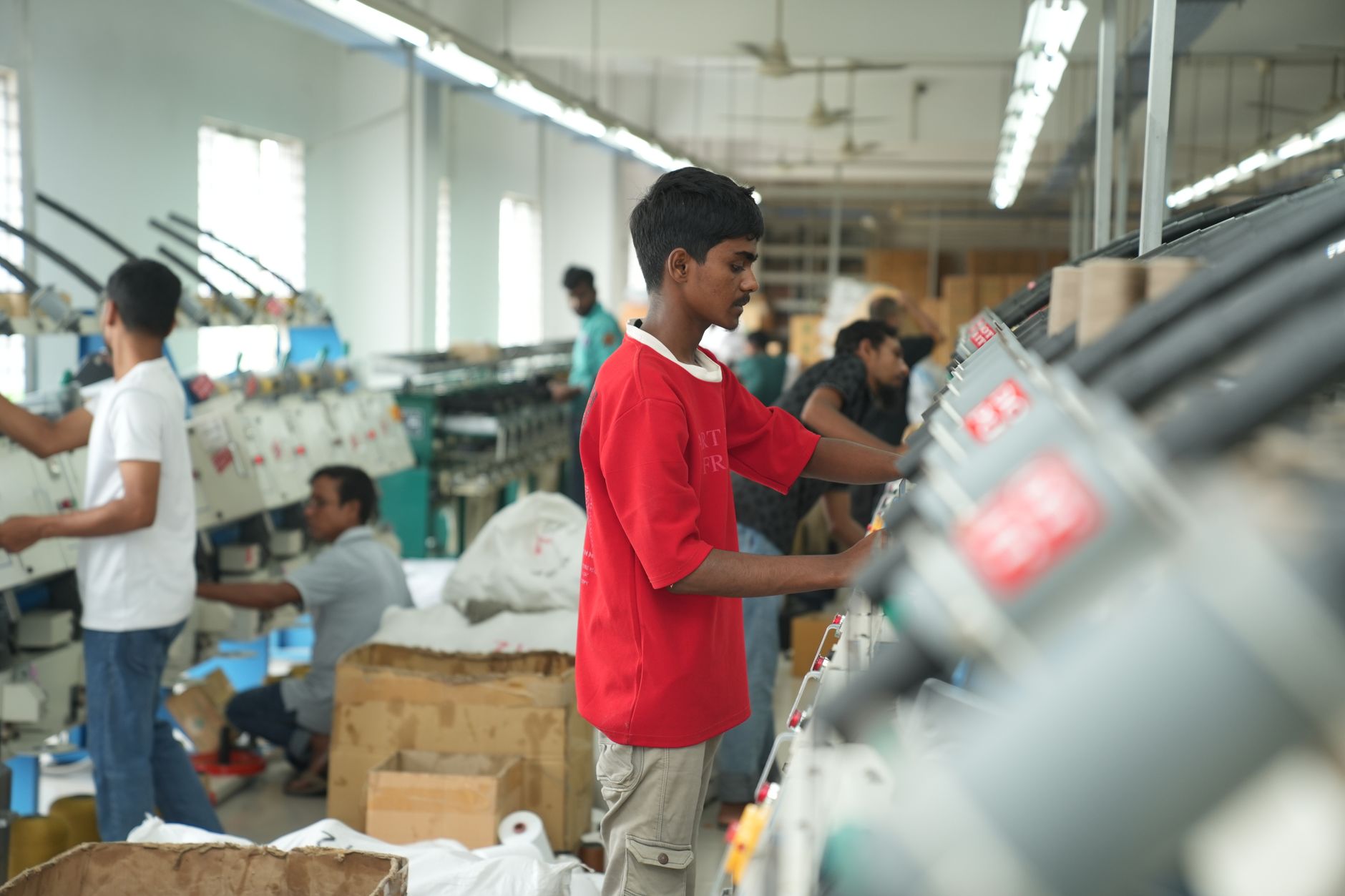
According to the US Bureau of Labor Statistics (BLS), in its May 2023 occupational estimates, Other Food Manufacturing employs about 31,640 packaging and filling machine operators and tenders, which BLS reports as 12.19% of that industry's employment. In Fruit and Vegetable Preserving and Specialty Food Manufacturing, the same BLS table shows about 26,210 of these workers, or 15.34% of that industry.
We did not find BLS turnover figures for this occupation, so we cannot give you a verified turnover rate for capping or packing roles. The projections for 2024 to 2034 that we found also disagree with each other, so plan around your own turnover records rather than a national trend.
For a plant of about 25 people, the practical point is simple. If one or two people make up your capping team, one resignation in a peak week can take the station offline. That fragility is a stronger reason to look at automation than any industry headline.
What does capping involve on a line this size?
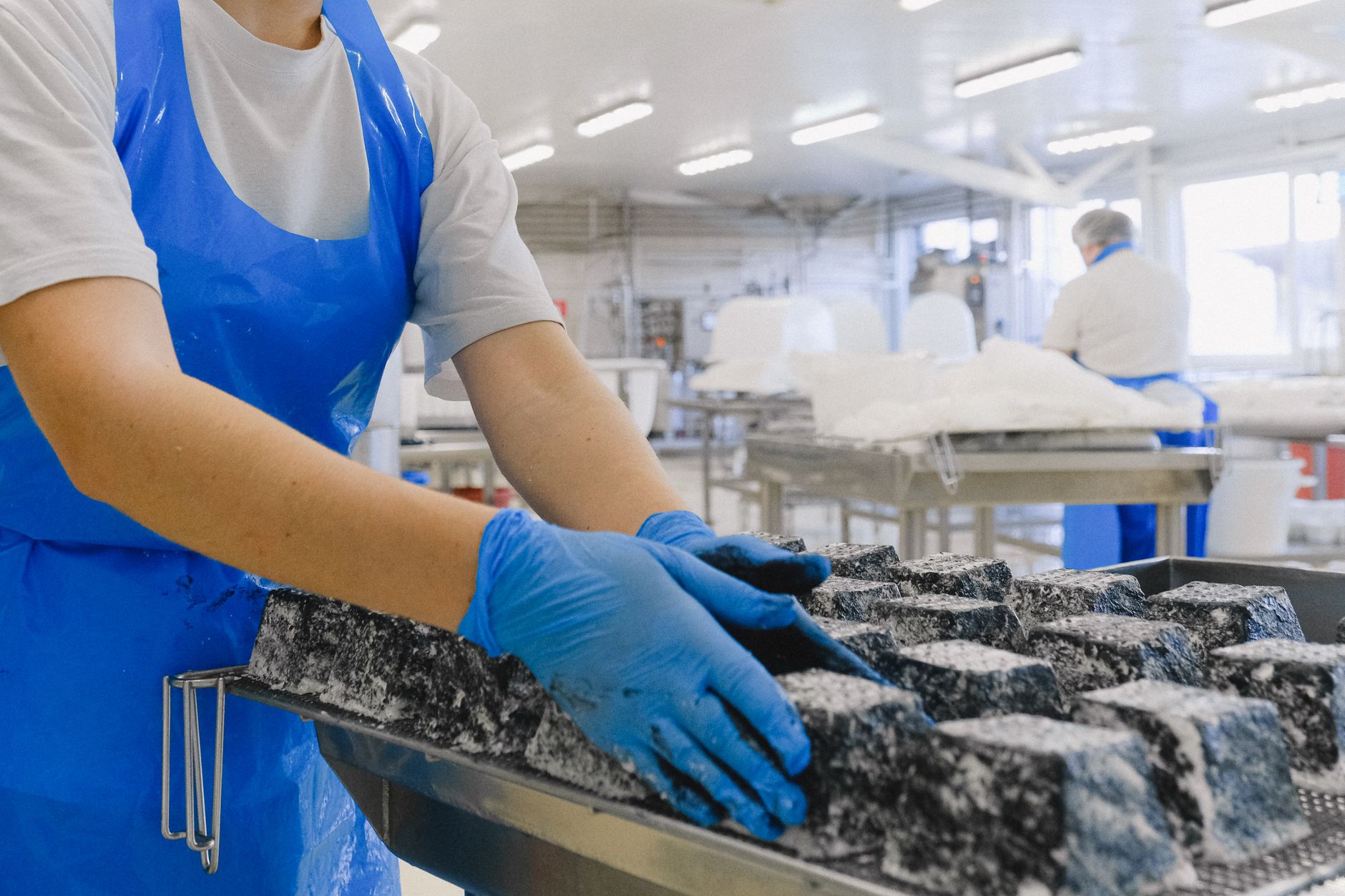
Capping is a short, repetitive task with a few points where quality can slip. Bottles come off the filler and need to reach the capper upright and at steady spacing. Caps must present in the same orientation. The cap is then placed and tightened to a consistent torque before the bottle moves on to labeling or cases.
The hours that matter are the minutes per shift spent capping, plus the minutes lost to jams, cap refills and sauce on threads. Those losses are easy to miss because they spread across the shift. Time them for a full week, including a peak week, before deciding anything. A stopwatch and a simple tally at the capper will do the job.
Torque consistency matters more for hot sauce than people expect. Loose caps can leak and over-tight caps can crack threads. A cobot with torque control holds a setting better than a hand that has been working a long shift, but it needs a cap feed that presents caps cleanly, or it will stall more often than it caps.
- Torque consistency
Cobot
Holds a set torque on every cap, shift after shift, when the feed is clean.
Staff
Varies with fatigue and attention, but can adjust by feel when a cap sits wrong.
- Changeover to a new format
Cobot
Needs feed adjustment, a new setting and a test run.
Staff
Usually faster to switch by hand, with fewer setup steps.
- Peak week coverage
Cobot
Runs steady hours without breaks, provided the feed stays loaded.
Staff
Needs breaks and days off, and can be absent in a busy week.
- Handling exceptions
Cobot
Stalls on a cocked cap or an odd bottle until someone clears it.
Staff
Spots a bad bottle or misfill and corrects it on the spot.
- Hiring and training
Cobot
Needs fewer capping hires, but needs trained staff to run changeovers and clear stops.
Staff
Requires hiring and training for each new capper, with turnover risk.
Is a cobot safe to work beside people at a bottling station?
According to OSHA, there are no specific OSHA robotics standards. Instead the agency points to consensus standards, including ISO/TS 15066, which is adopted in the US as TR 606, and ANSI/RIA R15.06, which covers ISO 10218. Those documents set the rules for collaborative operation.
ISO/TS 15066 sets power and force limits based on body region, so the allowable contact depends on whether the robot could touch a hand, forearm or torso. It is a Technical Specification and is subject to revision, so confirm the latest edition with your integrator and safety officer. We did not verify specific force values from secondary sources, so do not rely on any number here.
Injury rates give useful context. According to a trade press report of 2024 injury data attributed to BLS, the food manufacturing total recordable case rate was 3.3 per 100 full-time workers, against 2.7 for all manufacturing. A cobot does not remove hazards from jams, cleaning and tooling, so the station still needs guarding, lockout steps for cleaning and a stop procedure operators can use without thinking.

What does a day with a capping cobot look like?
The day is less about the robot and more about the people around it. A plant that runs one or two shifts still needs staff to load caps, watch bottle flow and handle changeovers. The timeline below assumes one shift with a steady sauce flow.
Changeovers are where a small plant usually feels the strain. Moving to another bottle size or cap style means new settings, a new feed path and a test run before full speed. Build that time into the plan, or the robot will look slower than it is.
Expect the robot to handle the repetitive motion while people handle exceptions, such as a cocked cap or a bottle that came through underfilled.
What moves the cost of a capping cobot?
We do not quote prices on this page. The cost of a capping station is set in a quote after a free site assessment, because the robot, the cap feed, the connection to your filler and the training all vary from line to line. Those are the factors that move the number, so they are where your questions should go.
The robot is leased through financing, so the equipment is not paid for up front in one lump. A lease spreads the cost over its term and can leave cash free for other needs. Read the terms, including what the service plan covers, before you compare offers.
A capping station is simpler to price when bottle and cap formats are few and steady. Each added format brings feed hardware, setup time and test runs, which is why fixing your format list before the site visit pays off.
How does leasing a capping cobot with us work?
We are an integrator, not a single-robot seller. We select the robot from several manufacturers based on your line, lease it through financing, deploy and integrate it, train your staff and service it under our service plan, with regional service engineers in every state we service. One partner covers the whole lifecycle.
The process starts with a free site assessment. We look at your bottle and cap formats, the filler connection, floor space and the people who will run the station. The quote comes after that visit, so you compare measured conditions rather than guesses.
Deployment can be phased so the rest of the plant keeps running. A pilot with one leased unit is a common way to test fit at a single station before you extend it. Ask what spare unit coverage exists for peak weeks before you sign.
When is a cobot the wrong choice for a 25-person plant?

A cobot is the wrong first step if your volume is low, if you change bottle or cap formats every few days, or if the capping problem is really a filler problem. In those cases a semi-automatic capper, a second trained operator or a better production schedule can solve more of the problem with less disruption.
It is also the wrong choice if the line has no room for the feed, the robot and the guarding, or if the station sits where it gets washed down and the sanitation plan has not been checked. Confirm washdown and food contact requirements with your food safety plan before anyone draws a layout.
A cobot fits when capping takes steady hours, the formats are few and peak weeks keep breaking the schedule. If that describes your plant, start with one station and measure the result over a full season.
What should you check before you decide?
Gather the numbers that drive the quote and the decision before the site visit.
Bring the list to the free site assessment. The quote follows from it, and the assessment is where a poor fit gets caught before any commitment is made.
- Capping minutes per shift, timed across a full peak week.
- Number of bottle and cap formats you run in a typical month.
- Bottle neck and cap size variation across a production run.
- Floor space at the end of the line and the path from the filler.
- Who runs changeovers today, and how many people are trained to do them.
- Washdown and food contact requirements in your food safety plan.
Frequently asked questions
Want a cobot at your sauce bottling lines?
Tell us about your site. We will recommend the robot, quote the lease, and keep it serviced.
Sources
- U.S. Bureau of Labor Statistics, May 2023 occupational employment estimates
- PMMI Inside the Workforce Gap study, as reported in packaging trade press
- PMMI automation adoption study, as reported in packaging trade press
- International Federation of Robotics, US robot industry press release
- International Federation of Robotics, World Robotics statistics
- OSHA, robotics standards
- Trade association paper, ISO/TS 15066 explained
- Trade press report on 2024 injury rates attributed to BLS data