Key takeaways
- Measure every threshold, door width, and turn radius before you shortlist an AMR.
- Historic tile, terrazzo, and wood need wheel and speed choices that protect finishes.
- Legacy elevators may work for AMRs only after cab size, door timing, and fire recall rules are verified.
- Reversible mounts and removable beacons matter when preservation reviewers watch the fabric.
- A vendor neutral integrator should document what you cannot change before you sign a lease.
Can AMRs even run in an older building?
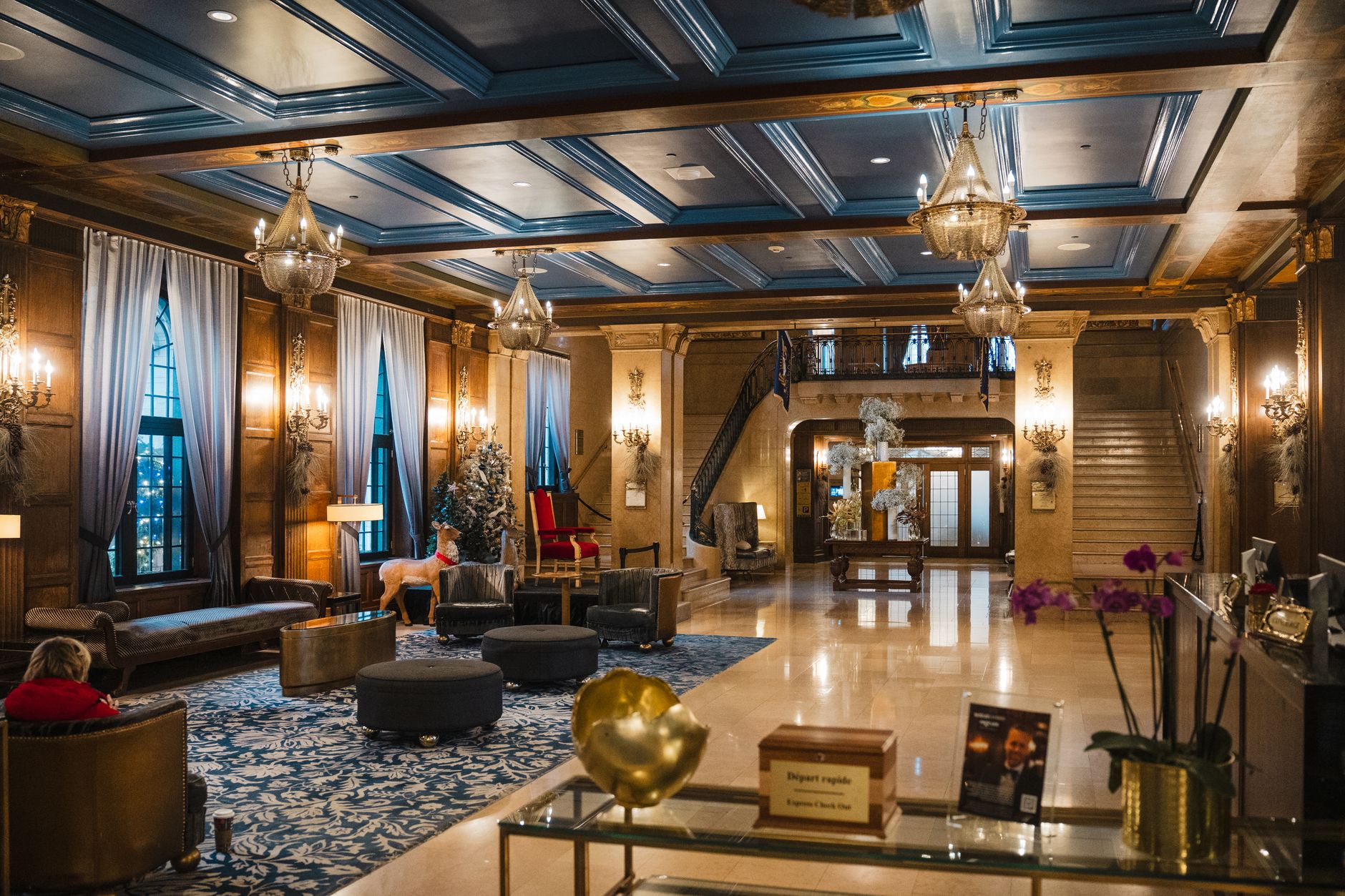
Yes, often, but not every model that works in a new distribution center belongs in a 1920s hotel or a marble-clad city hall. Historic properties combine charm with constraints: narrow corridors, tight turns, decorative thresholds, and floors that were never meant for industrial casters.
Autonomous mobile robots succeed here when the job is predictable tote or linen moves on a mapped route, not when you need to muscle pallets through a freight elevator that predates modern codes. Start with the trips you repeat ten times a day, then work backward to hardware.
If the building is on a register or inside a local historic district, treat preservation staff as part of the project team from day one. Reversible integration is not a nice extra. It is how you keep the project moving.
What should a site survey measure first?
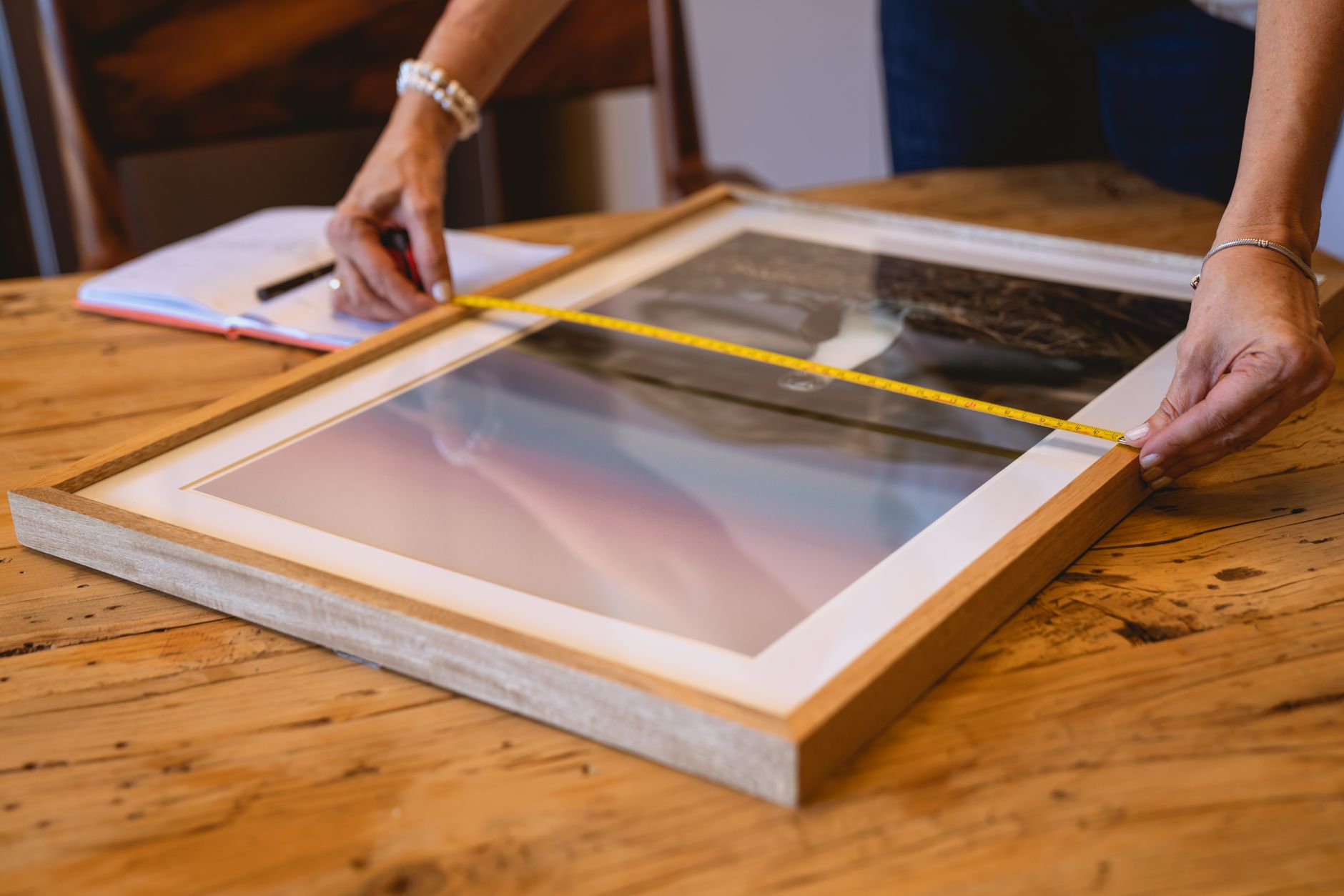
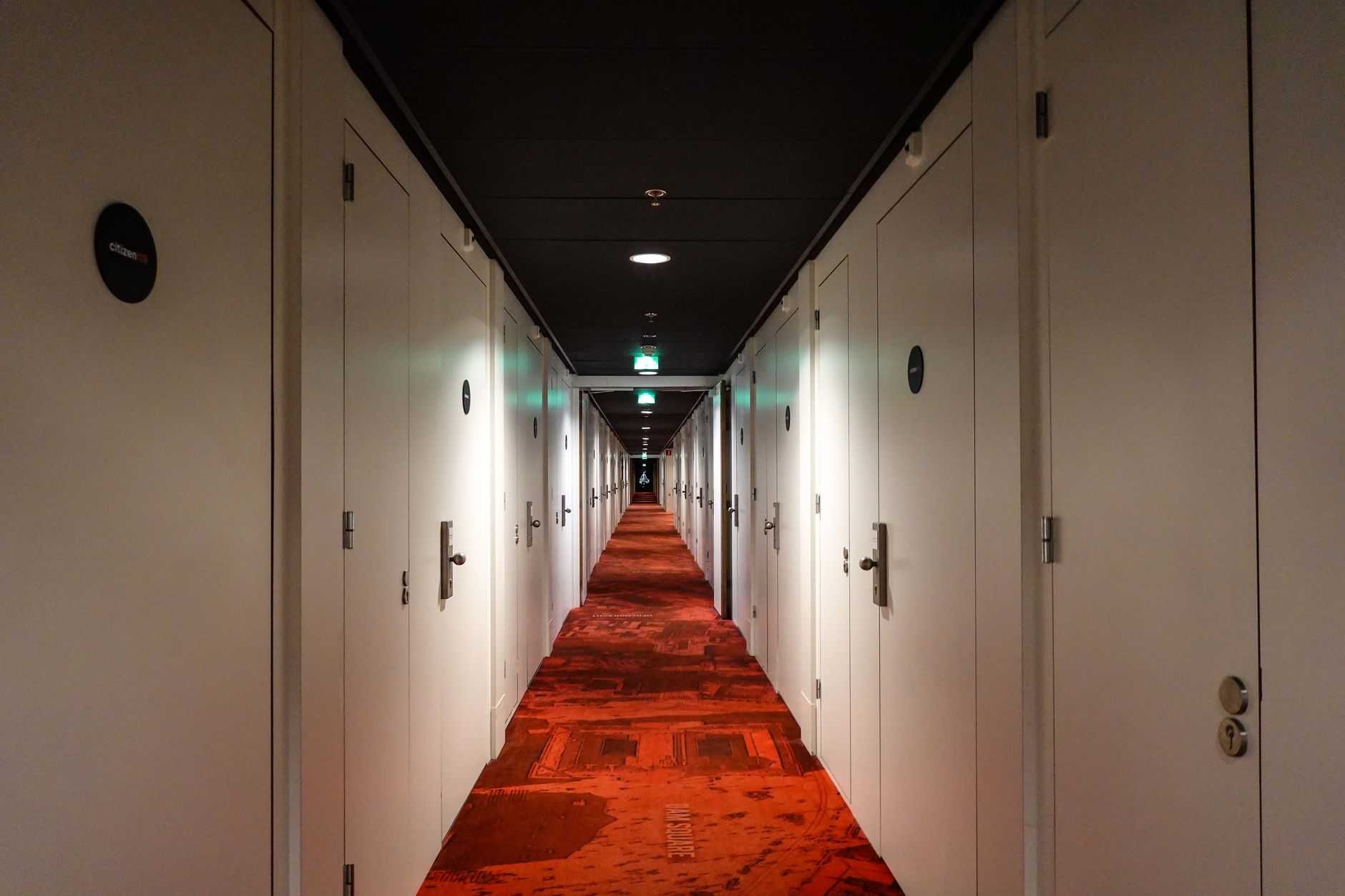
Bring a tape measure and a camera. Record clear door width, latch side clearance, and the smallest hallway pinch point on the proposed route. AMRs need more than the published chassis width because sensors, handles, and safety bumpers extend the footprint.
Log every threshold height and bevel. The 2010 ADA Standards for Accessible Design, published by the U.S. Department of Justice, limit new door thresholds to one half inch high maximum, with bevel rules for changes between one quarter and one half inch. Many older buildings exceed that on purpose. Your robot either climbs it safely or you add a reversible ramp mat that preservation can remove later.
Note floor type in each segment: quarry tile, terrazzo, heart pine, carpet over pad, or patched concrete. Soft or uneven surfaces change wheel choice, speed caps, and whether you run only at night when guests are gone.
How do narrow corridors and tight turns filter your shortlist?
Publish a minimum turning diameter and require vendors to prove it in YOUR hallway, not on a trade-show aisle. Historic wings often have dead ends where a cart must spin in place between a radiator cover and a fire hose cabinet.
Watch for protruding radiators, bench seating, and display cases that do not show up on architectural PDFs. A laser map catches static walls; your walkthrough catches the bronze plaque that sticks out four inches.
If two wings connect through a single six-foot-wide passage, that passage sets fleet size. You may need one smaller AMR per floor instead of one large tug trying to serve the whole property.
What about legacy elevators and fire recall?
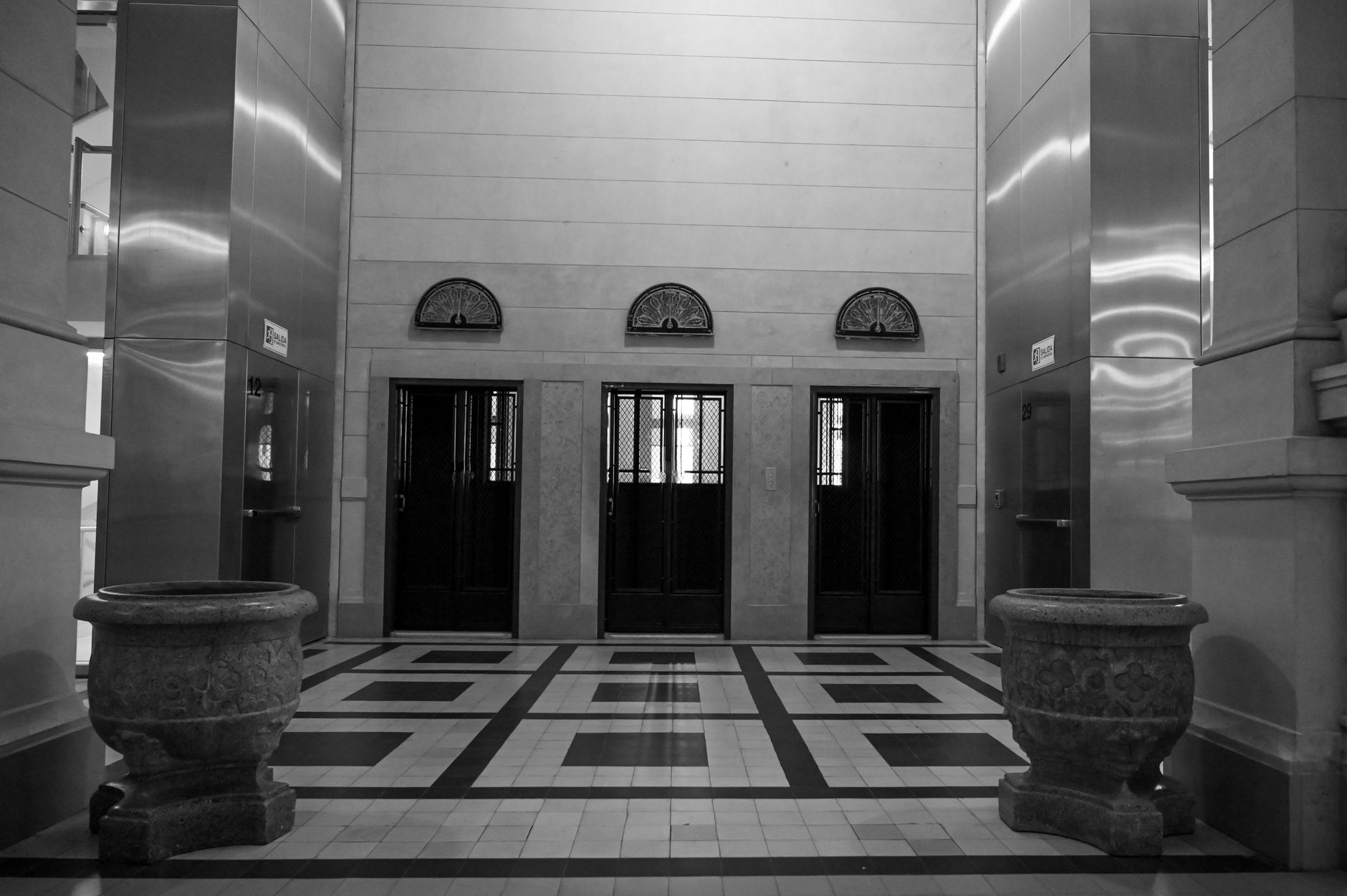
Elevator integration is the make-or-break detail in multi-story historic hotels and museums. Cab interior dimensions, door opening width, and dwell time must fit the loaded robot with margin. Some vintage cabs simply cannot accept a mobile base plus a cart.
Fire recall and alarm procedures override your schedule. When elevators return to the lobby on alarm, AMRs must park safely and staff must know who retrieves stranded totes. Write that into training before go live.
When elevators are off limits, plan a stairs-adjacent dumbwaiter, a staff handoff landing, or a single-floor AMR scope. Forcing a robot into a noncompliant lift risks both safety and the historic hardware itself.
How do you protect delicate finishes?
Lower speed limits and polyurethane wheels are the first lever. The second is route design that avoids pivoting on inlaid tile patterns or scuffing waxed wood at corridor ends.
Test a short path overnight with building conservation staff watching. They will spot glare from a safety light on gilt frames or vibration near cracked plaster before you scale up.
Cleaning chemistry matters too. If your AMR shares aisles with autonomous scrubbers, keep water and debris off historic carpet zones. Zone the map so wet cleaning never crosses a runner you cannot replace.
What counts as reversible integration?
Preservation reviewers worry about drilled marble, exposed conduit, and permanent kiosk holes. Favor clamp mounts, adhesive-backed floor markers rated for removal, and wireless beacons that sit on shelves instead of punched plaster.
Charging docks belong where they do not compete with interpretive displays or guest seating. A closet that already houses housekeeping gear is often easier to approve than a lobby alcove.
Document every attachment with photos and a removal procedure. Future curators should be able to return the space to its prior condition without guessing what you installed.
Where does Service Robot Co. fit?
Historic work needs honesty early. Service Robot Co. runs the measured walkthrough, narrows the OEM-neutral shortlist to units that fit the survey, and pilots on month to month AMR rental when you need proof before capital review.
Finance, mapping, staff training, and service through a nationwide engineer network stay on one contract, which matters when your facilities team is already juggling preservation contractors and guest events.