Key takeaways
- Robots excel on open restroom floors and long vanity runs, not inside every stall.
- Thresholds, wet grout, and privacy rules decide which layouts qualify.
- Consumable monitoring helps, but restocking and deep detail work stay human.
- Chemical approval and infection-control protocols must match your facility type.
- Pilot one restroom bank with measured hours before you scale a fleet.
What can restroom cleaning robots actually do today?
Commercial restroom cleaning robots reliably scrub and dry hard floors in open areas, run predictable routes along vanity lines, and repeat overnight resets when doors are closed. They handle the repetitive square footage that burns labor on night shifts: tile aisles, common areas outside stalls, and long runs of sheet vinyl in airports, offices, and schools.
Some fleets add sensors or software that flag low soap, towel, or toilet paper levels so attendants refill before guests complain. That is monitoring and routing support, not a full replacement for restocking or stall detailing.
What they do not do is clean inside every stall on their own, polish chrome, or handle biohazard response. Buyers who expect a closed stall door to open itself will be disappointed. The honest split is open-floor automation plus human finishing.
Which restroom layouts work for autonomous scrubbers?
Wide doorways, flush thresholds, and straight paths favor compact autonomous scrubbers. Maze entries, single-step lips, and heavy floor mats create stops that kill coverage unless you remap or remove obstacles.
Stall banks with narrow gaps may stay manual while the robot handles the outer loop. Map the robot for the geometry you have, not the floor plan on the architect PDF.
Gender-neutral and family restrooms with shared sinks often give robots more open floor than older stall-only layouts. Still verify turning radius at the end of each aisle during a live walkthrough.
How do water, drainage, and chemicals factor in?
Autonomous scrubbers need approved recovery and dispensing for the surfaces you maintain. Grouted tile, sealed concrete, and luxury vinyl each carry different chemical limits from the flooring manufacturer and your infection-control team.
Standing water near floor drains is normal; puddles that never drain are a mapping hazard. Note drain locations so the robot does not trap dirty water in corners.
Healthcare and food-adjacent sites may require log sheets for dilution ratios and contact times. Your integrator should qualify chemicals before go-live, not after a failed audit.
What sanitation and infection-control rules apply?
Restrooms in hospitals, clinics, and schools sit under stricter protocols than a standard office tower. Even when a robot only scrubs hard floors, infection prevention may require color-coded pads, dedicated routes, or time blocks that avoid patient peak hours.
ATP or visual inspection spot checks still matter. A robot can improve consistency on the floor plane while attendants own high-touch points on dispensers, partitions, and handles.
Document which tasks stay on the human checklist after automation launches. Auditors care about the full process, not just the machine log.
How should buyers think about privacy and guest experience?
Guests notice noise, lights, and unexpected movement. Night cleaning in closed restrooms is the easy case. Daytime runs in semi-public washrooms need signage, door locks, or scheduling that keeps stalls empty while the robot works in open areas.
Cameras on cleaning or monitoring robots raise legitimate privacy questions in restrooms. Ask what sensors record, where video is stored, and whether lenses can be masked or disabled in sensitive zones.
Staff training should cover how to pause a route when someone enters unexpectedly. A calm human override beats a robot continuing through a occupied vestibule.
What still requires human restroom attendants?
Stall interiors, seat sanitation, partition wipes, trash overflow, and vandalism response stay with people. According to the U.S. Bureau of Labor Statistics, about 2.2 million janitor and cleaner jobs existed nationally in May 2025, which reflects how much finishing work still sits outside automation.
Restocking paper, soap, and liners is quick for a person with a cart and awkward for most floor-scrubbing robots. Use robot alerts to prioritize those walks instead of pretending the machine replaced them.
The labor math is partial displacement on open floors, not deleting a headcount on day one.
What belongs on a buyer checklist before you sign?
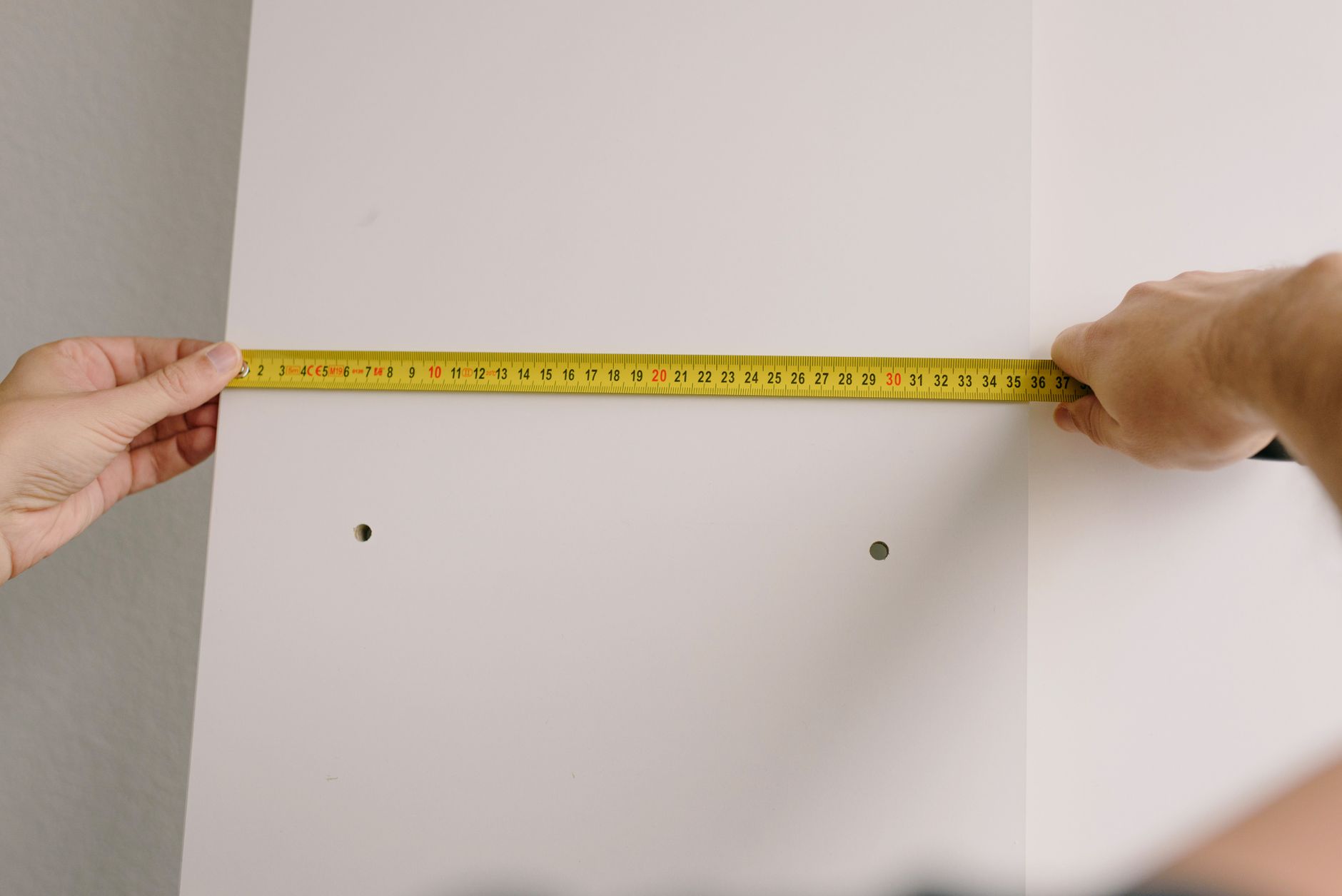
Walk every restroom bank with a tape measure and a phone camera. Capture door widths, ramp slopes, mat piles, and night lighting.
Run a timed study of current mop and scrub hours on those same floors. That baseline sets the ROI conversation.
Confirm chemical lists, pad types, and noise levels with facilities, infection prevention, and tenant reps before you order.
- Measure stall-door clearance versus robot turning diameter
- List drains, grates, and thresholds that need no-go zones
- Define night-only versus limited daytime routes
- Assign who responds to low-consumable alerts
- Set ATP or visual QA spots after the first month
- Require loaner coverage in the service SLA for peak seasons
How do rental, leasing, and fleet support fit restrooms?
Month to month commercial cleaning robot rental lets you prove one restroom loop before capital approval. Maintenance included and remote triage matter when a single unit covers a high-rise bank nightly.
Multi-building portfolios should ask how maps transfer, how software seats are billed, and whether one dashboard covers mixed brands. Restroom layouts change after remodels, so remapping cost belongs in year-two budgeting.
Spare units or rapid loaner dispatch prevent a holiday weekend with one broken scrubber and three towers waiting.
Where does Service Robot Co. fit a restroom pilot?
Service Robot Co. selects vendor-neutral cleaning robots, finances them, maps routes with your team, and services units through a nationwide engineer network. Restroom pilots start with a free site assessment that separates open-floor acres from stall work that must stay manual.
We align chemicals and recovery methods with your flooring and infection-control rules, then train night staff on pause, dock, and exception calls. Robot leasing for business with monthly payment programs keeps the first bank of restrooms testable without a full capex vote.
The goal is a restroom program that looks cared for to guests while your people stop pushing mops on the same tile loops every night.