Key takeaways
- Indoor water parks need robots chosen for wet decks, corrosion exposure, and late-night reliability, not generic indoor specs.
- Humidity and splash change the buy decision. Ask about enclosure ratings, charging placement, drainage tolerance, and wheel behavior on textured wet floors.
- Because guests are often barefoot, low-speed behavior, obstacle handling, and predictable stopping matter more than headline autonomy claims.
- A full-service, vendor neutral robot integrator is often the safer buy in water-park environments because uptime depends on deployment, service, and backup support as much as hardware.
Do robots belong in an indoor water park at all?
Yes, but only if you buy for the natatorium and not for a dry hallway. Indoor water parks break the assumptions behind many commercial robot demos. The floor is rarely truly dry, guest traffic includes barefoot children, humidity stays elevated, and the best work window usually starts after the last slide closes.
That changes the shortlist fast. The right buy is usually a robot floor cleaner rental, autonomous floor scrubber rental, or longer-term robot leasing for business program built around wet-deck traction, corrosion resistance, conservative navigation, and service coverage. The wrong buy is the prettiest brochure spec with no clear answer on water ingress, charger placement, or emergency response nationwide.
The operating backdrop is real. CDC says the 2024 Model Aquatic Health Code is the current edition, and ASHRAE notes natatorium humidity should generally stay in the 50 to 60 percent range because higher humidity harms air quality and building materials while lower humidity raises energy use. That is not normal hotel space. It is its own environment, and your robot program has to respect it.
What matters most when the floor is constantly wet?
Start with the ground truth. OSHA requires walking-working surfaces to be kept clean and, as far as feasible, dry, and says drainage must be maintained when wet processes are used. In a water park, that means your robot cannot become another slip-risk variable. It has to work with the floor’s drainage pattern, not fight it.
Ask how the machine behaves on textured wet decks, shallow film water, transition strips, trench drains, and slope changes near attractions. A unit that performs nicely on sealed retail tile can hunt for traction, leave dirty water behind, or hesitate at drain grates in an aquatic venue. Those are not minor tuning issues. They are the difference between a useful night shift autonomous scrubber and a machine your team parks after two weeks.
Barefoot traffic raises the standard further. You want predictable low-speed motion, smooth starts and stops, and no sharp edging around guest paths. Recovery matters too. If the robot stops for a flip-flop, towel pile, queue stanchion, or mop bucket, how gracefully does it reroute and restart? In water parks, buyer confidence usually comes from a real site assessment mapping exercise on your actual deck surfaces, not from a warehouse video.
How much do humidity and splash really change the hardware spec?
A lot. Water parks are not just wet underfoot. They are humid, chemical-heavy, and hard on exposed electronics, connectors, fasteners, and charging hardware. ASHRAE describes natatoriums as high-dew-point spaces, with indoor dew points typically around 62 to 69 degrees Fahrenheit under common pool conditions. That is exactly the kind of environment where minor sealing shortcuts turn into corrosion and intermittent faults.
This is where buyers should get unusually specific. Ask for the enclosure and washdown story in plain English. NEMA guidance commonly used in the United States distinguishes between NEMA 4 enclosures for hose-directed water exposure and NEMA 4X enclosures for harsh, corrosive washdown settings. You are not buying an electrical box, but the principle still matters. If a vendor cannot explain how sensors, ports, and charging components hold up around splash, cleaner residue, and chlorinated humidity, keep digging.
Also ask where the robot lives between shifts. A charger tucked into a humid back corridor, near splashback, or beside chemical handling can shorten life even if the robot itself looks fine on day one. Good aquatic deployments usually put charging in a drier service zone, with a route designed so the machine crosses wet areas to work, not to sleep.
Which jobs make sense first in an indoor water park?
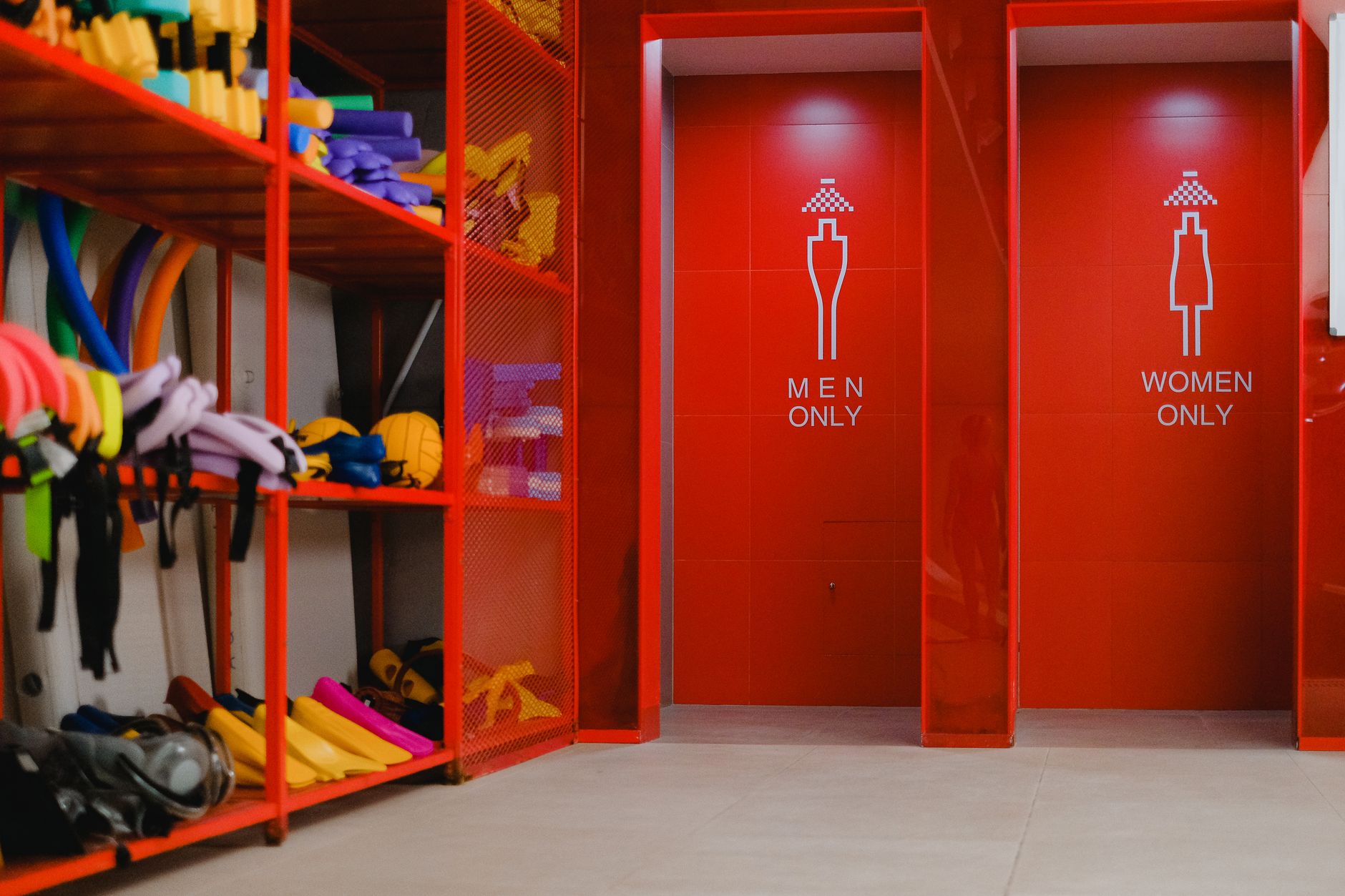
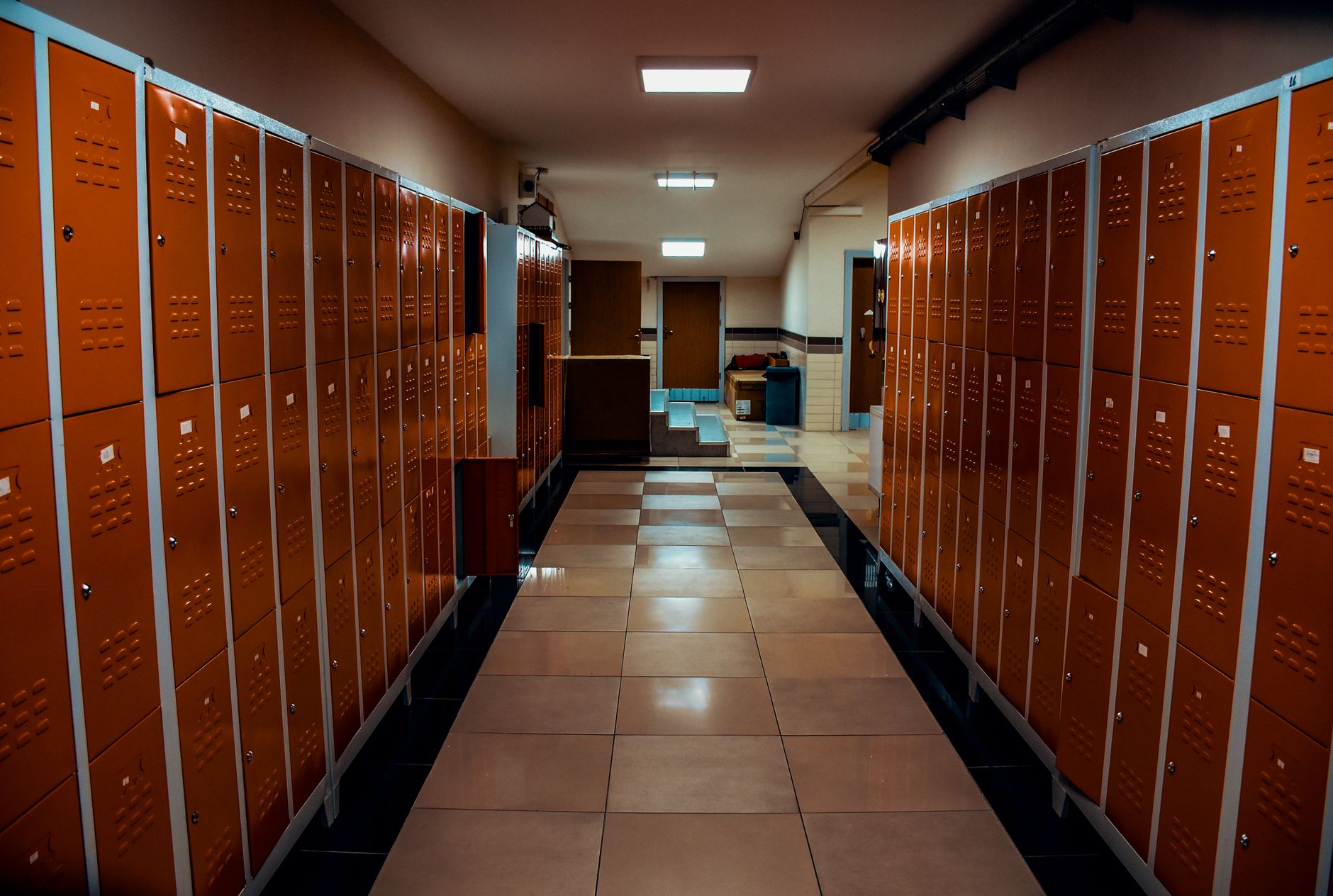
The best first use case is usually overnight floor care on hard surfaces outside active guest play. Think main deck perimeters, food court approaches, locker corridors, restroom approaches, party-room corridors, and long connector paths between attractions. Those areas combine repetitive coverage with a lower need for constant human judgment.
Daytime cleaning can work, but it needs tighter operating rules. Indoor parks have strollers, towels, loose sandals, excited children, and abrupt stops. If you want daytime use, buy for slow, highly predictable behavior and narrow missions. Many operators get better results by using a commercial cleaning robot rental or floor scrubber monthly lease for after-hours work first, then expanding once the team trusts the machine.
Be cautious about asking one robot to do everything. Water park decks, dry arcade zones, carpeted hotel connectors, and restaurant seating often want different tools or different operating modes. A vendor neutral robot integrator can be useful here because the right answer may be lease rental or sale for one application and a service robot rental or robot rental monthly structure for another.
How should buyers think about sanitation and water-play risk areas?
Water parks are high-traffic aquatic venues, and the health side is not abstract. CDC says people in the United States swim more than 300 million times each year, and it notes that public aquatic venues have seen significant increases in reported disease outbreaks over the past few decades. That is why buyers should separate floor-care automation from water-quality control and build procedures for both.
For pools, hot tubs, and splash pads, CDC guidance says operators should maintain free chlorine at 1 part per million for pools, keep pH at 7.0 to 7.8, and test disinfectant and pH at least twice per day, or hourly when use is heavy. Splash pads deserve extra scrutiny because CDC notes they are not always required to disinfect water, and sprayed water can quickly lose disinfectant while rinsing dirt and debris off bodies and surfaces.
What this means for robot buying is simple. Do not let the cleaning robot become a proxy for sanitation performance. Buy it to keep decks consistently cleaner, support drainage, and reduce missed overnight coverage. Then make sure its route design, docking area, recovery tank handling, and staff workflow do not interfere with the venue’s water-testing and hygiene routines.
What operating questions expose a weak proposal fast?
Ask for the map, the shift plan, and the failure plan. How many square feet per night are actually in scope after you subtract queue furniture, towel drops, late-closing attractions, and chemical-handling blackout zones? How long is the true cleaning window from final guest exit to first-morning reset? What happens when a unit faults at 1:30 a.m.?
Weak proposals stay vague here because they are selling aspiration. Strong proposals show route logic, refill and dump assumptions, staffing touchpoints, and what the crew does when the robot encounters standing water, blocked drains, or a temporary attraction setup. They will also tell you what is excluded. In water parks, good exclusions are a sign of operational honesty, not a weakness.
This is also where service terms matter more than many buyers expect. If you are comparing robot as a service, robot leasing vs buying, or a month to month robot lease against a purchase, include remote triage, on-site dispatch, loaner units, and maintenance included in the comparison. A cheaper quote that leaves you stranded on a Saturday night is not cheaper in practice.
Why the service model matters as much as the machine
Indoor water parks compress risk into narrow hours. If a robot misses its overnight run, you do not have all week to recover. You have the next morning. That is why buyers should treat commercial robot repair service, backup robot program terms, and emergency robot replacement as core buying criteria rather than afterthoughts.
Service Robot Co. is built for this part of the decision. The company is OEM-neutral and works as a full-service commercial robot integrator for U.S. businesses, selecting the right machines across manufacturers and then financing, deploying, integrating, training, and servicing them through a nationwide engineer network. For aquatic operators, that one partner one number model matters because deployment quality and field support usually decide whether a wet-environment robot program sticks.
In practice, that can mean a commercial robot demo on your real deck surfaces, a pilot framed as try before you buy, then a program built around robot financing for small business, monthly payment programs, or a floor scrubber monthly lease if preserving cash matters. The point is not to force one contract shape. It is to match the operating risk to the support model.
What does a sensible buying process look like?
Start with a wet-environment site survey. Document deck materials, drain locations, slope breaks, overnight access windows, charger candidates, chemical storage zones, and the paths where barefoot guest traffic is heaviest during open hours. If you skip this, the rest is guesswork.
Then insist on an on-site proof, not just a hallway demo. Test on your slickest surface, near your drains, around your furniture, and after a normal operating day when residue and moisture are real. Watch water recovery, turning behavior, edge cleaning, and how the machine handles surprise clutter. If the pilot only happens in your driest corridor, it is not a serious pilot.
Finally, buy the program, not just the unit. For many operators that means commercial cleaning robot rental, autonomous floor scrubber rental, or robot rental monthly terms first, then expansion. For others it means a longer lease purchase program. Either way, the winning buyer brief is plain: wet-floor performance, barefoot-safe behavior, corrosion tolerance, overnight cleaning no operator, and a service structure that can keep the park ready by morning.
- Ask for proof of performance on textured wet deck surfaces, not generic hard-floor footage.
- Verify enclosure and corrosion strategy for sensors, connectors, batteries, and chargers.
- Place chargers in the driest practical service zone, away from splashback and chemical handling.
- Define who responds after hours, how fast remote triage starts, and what backup coverage exists if the unit goes down.
- Pilot the robot in the real overnight window, with real obstacles, before you choose lease, rental, or purchase terms.