Key takeaways
- The best automation fit in property turns is repetitive corridor work with fixed routes, not judgment-heavy room prep.
- Hallway cleaning usually pencils out first, linen movement next, and inspection support only when you define exception rules clearly.
- A good pilot lives or dies on elevator behavior, door thresholds, staging points, and who clears jams at 6:30 a.m.
- For distributed portfolios, service coverage matters as much as the robot itself. Uptime support and replacement planning belong in the buy decision.
- Commercial robot rental, robot leasing for business, and robot as a service can reduce upfront friction, but the contract should still be measured against your turnover clock.
Which robots actually make sense during property turns?
For turnover-focused operations, the strongest robot candidates are the ones that handle repetitive travel and repeatable floor work inside a narrow service window. In practice, that usually means hallway cleaning first, linen movement second, and inspection support third. If a task depends on fine visual judgment, room-by-room variation, or constant guest-facing improvisation, it is usually a weak automation fit.
That matters because turns are not ordinary housekeeping. They are compressed, distributed, and unforgiving. A missed corridor scrub can snowball into dirty wheels entering ready units. A delayed linen run can stall multiple housekeepers at once. An inspection miss can let a damaged unit hit the next arrival. Good property-turn automation is less about flashy autonomy and more about protecting the schedule.
The buyer's rule is simple. Start with tasks that have fixed paths, stable surfaces, and measurable output. That is why a commercial cleaning robot rental or autonomous floor scrubber rental often makes more sense earlier than a more ambitious inspection robot rental. The robot must fit the turn window first, and the building second.
- Best first fit: corridor and common-area floor care between checkout and final readiness
- Best second fit: repetitive linen, trash, and supply movement on predictable routes
- Best third fit: inspection support that captures evidence and flags exceptions for a human lead
- Weak fit: detail cleaning inside occupied units, judgment-heavy staging, and ad hoc repair work
Why are turnover operations different from normal facility automation?
A warehouse can optimize around steady-state flow. Property turns cannot. They bunch labor, carts, elevators, and deadlines into a few short hours. According to the U.S. Bureau of Labor Statistics, 42.3 percent of maids and housekeeping cleaners work schedules that vary. That variable cadence is exactly why a robot that looks efficient on a calm Tuesday can fail on a Saturday turn spike.
The building pattern matters too. The U.S. Census Bureau estimates the United States had 148,260,882 housing units as of July 1, 2025, and another 484,000 multifamily units were completed in 2025. That is a huge and still-growing base of properties where turnover work happens across multiple floors, wings, and addresses, not in one neatly bounded work cell.
Vacation rental operators face an extra layer of sprawl. According to Airbnb, travel on its platform generated more than $93 billion in U.S. economic activity in 2025 and supported more than 1.1 million U.S. jobs. Airbnb also reports that 63 percent of U.S. Census tracts have active listings but no hotels. For operators, that means many turns happen in places where labor pools, service coverage, and travel time are thinner than urban core assumptions suggest.
- Distributed buildings create more deadhead travel than managers usually measure
- Elevators, locked doors, and staging closets matter more than top robot speed
- Turn windows punish delay more than they reward peak throughput
- A portfolio with scattered addresses needs service logistics planned from day one
Where does hallway cleaning deliver the clearest return?
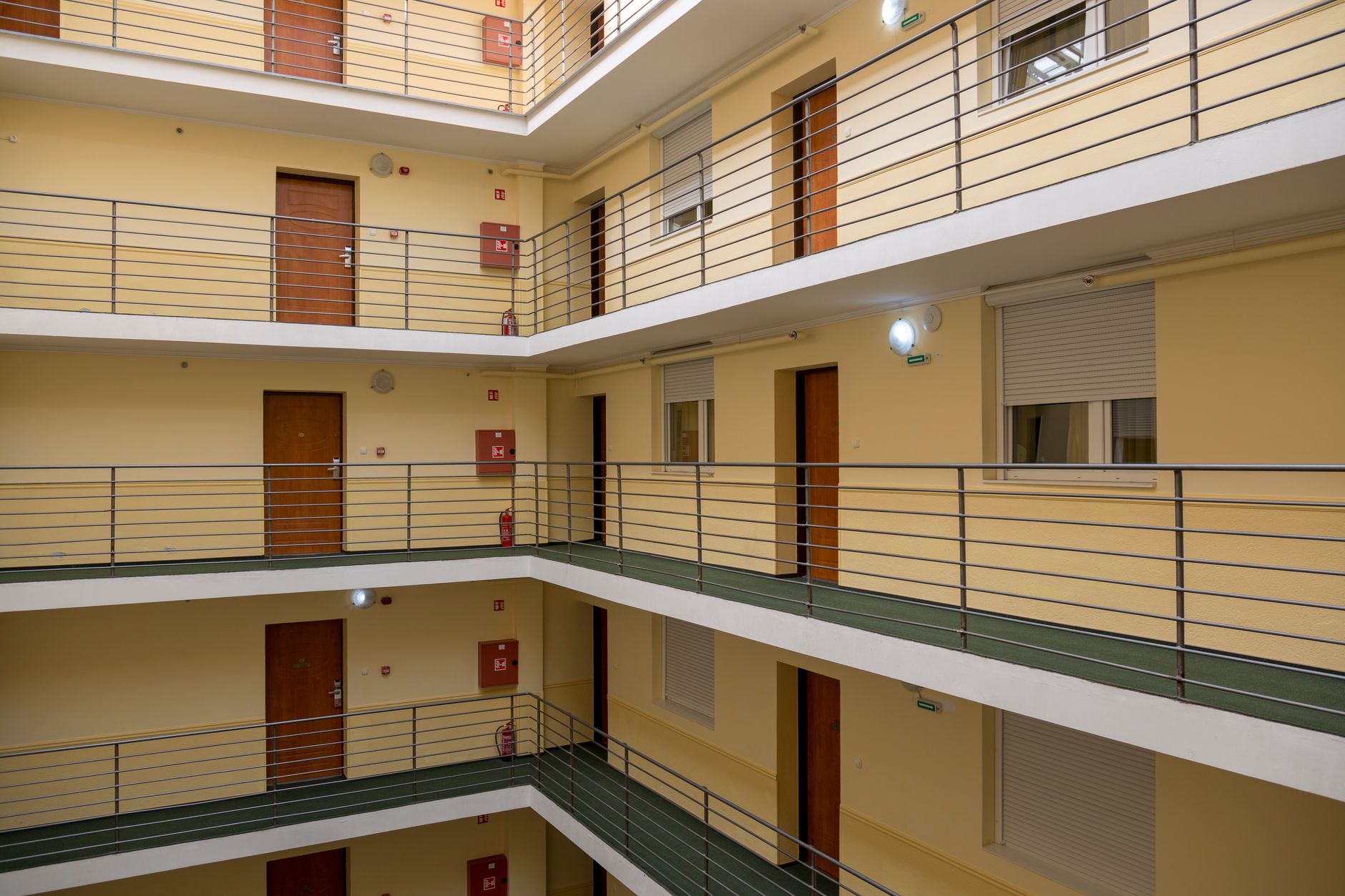
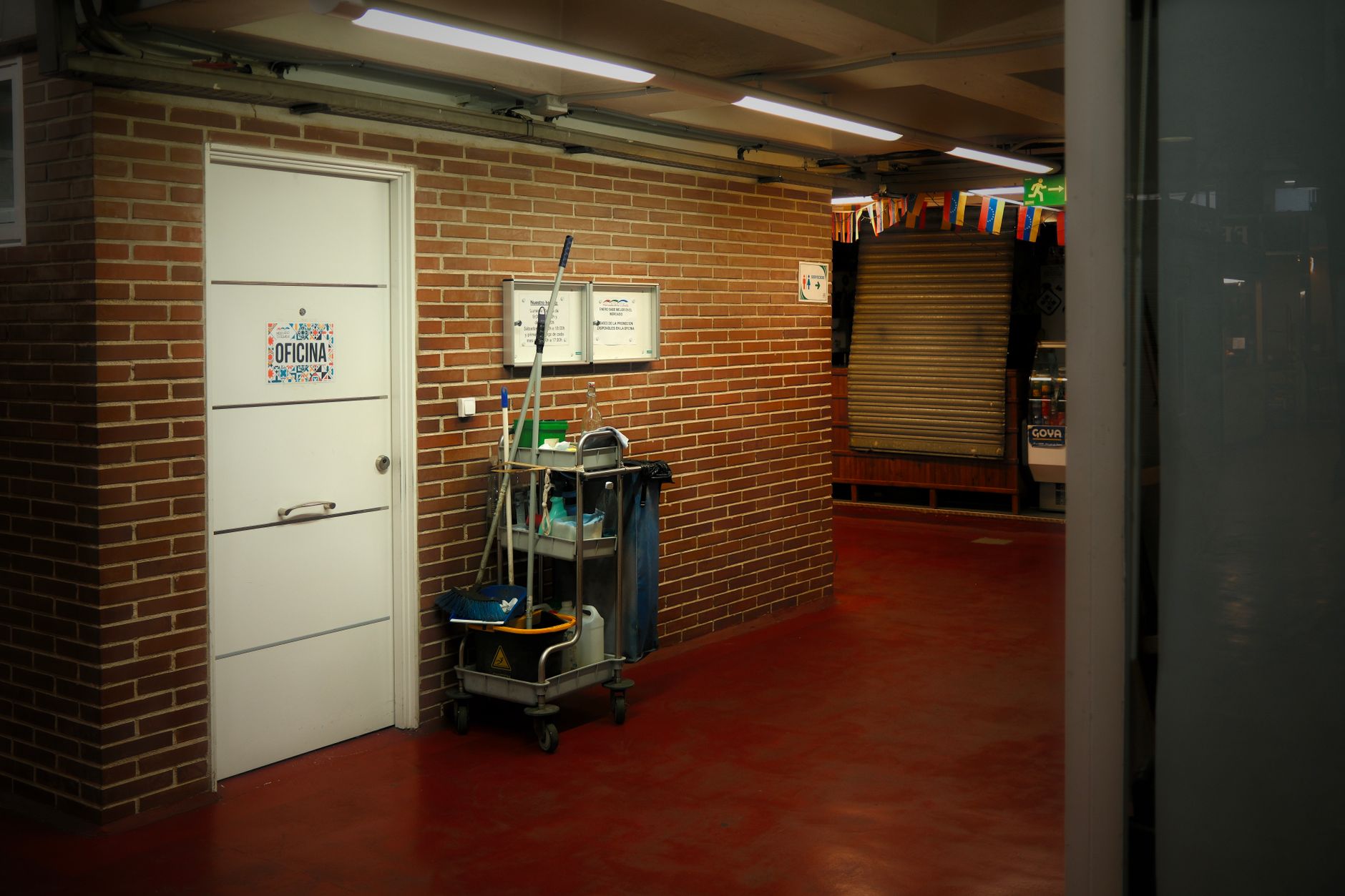
Hallway cleaning works because the task is boring in the best possible way. Long runs, repeat passes, predictable flooring, and clear completion criteria make it a natural fit for an industrial floor scrubbing robot, an autonomous vacuum robot rental, or a night shift autonomous scrubber assigned to common corridors. The real value is not only labor substitution. It is schedule protection. When the corridors are consistently cleaned without pulling staff away from unit-ready work, the entire turn sequence gets less brittle.
Labor context supports that logic. BLS reports 2,447,700 janitors and building cleaners in the United States in 2024, with about 351,300 openings projected each year on average over the next decade. That is not a small staffing challenge. It means many operators are solving coverage gaps weekly, not annually. A robot floor cleaner rental can help steady coverage when hiring alone does not.
Buyers should still inspect the floor reality, not the brochure. Corridor width, thresholds, elevator plates, rugs, resident traffic, and storage all matter. If the robot cannot leave the closet, dock cleanly, and run the exact hallway pattern your team needs, then the promised overnight cleaning no operator story is just marketing language. In property turns, corridor reliability beats extra features every time.
- Ask for proof on mixed flooring, edge pickup, and recovery after a blocked path
- Map battery life to your actual turn block, not the full day
- Confirm who refills water, empties recovery tanks, and resets faults
- If you want large facility coverage, check how many buildings one unit can really cover per shift
When does linen movement justify an AMR rental?
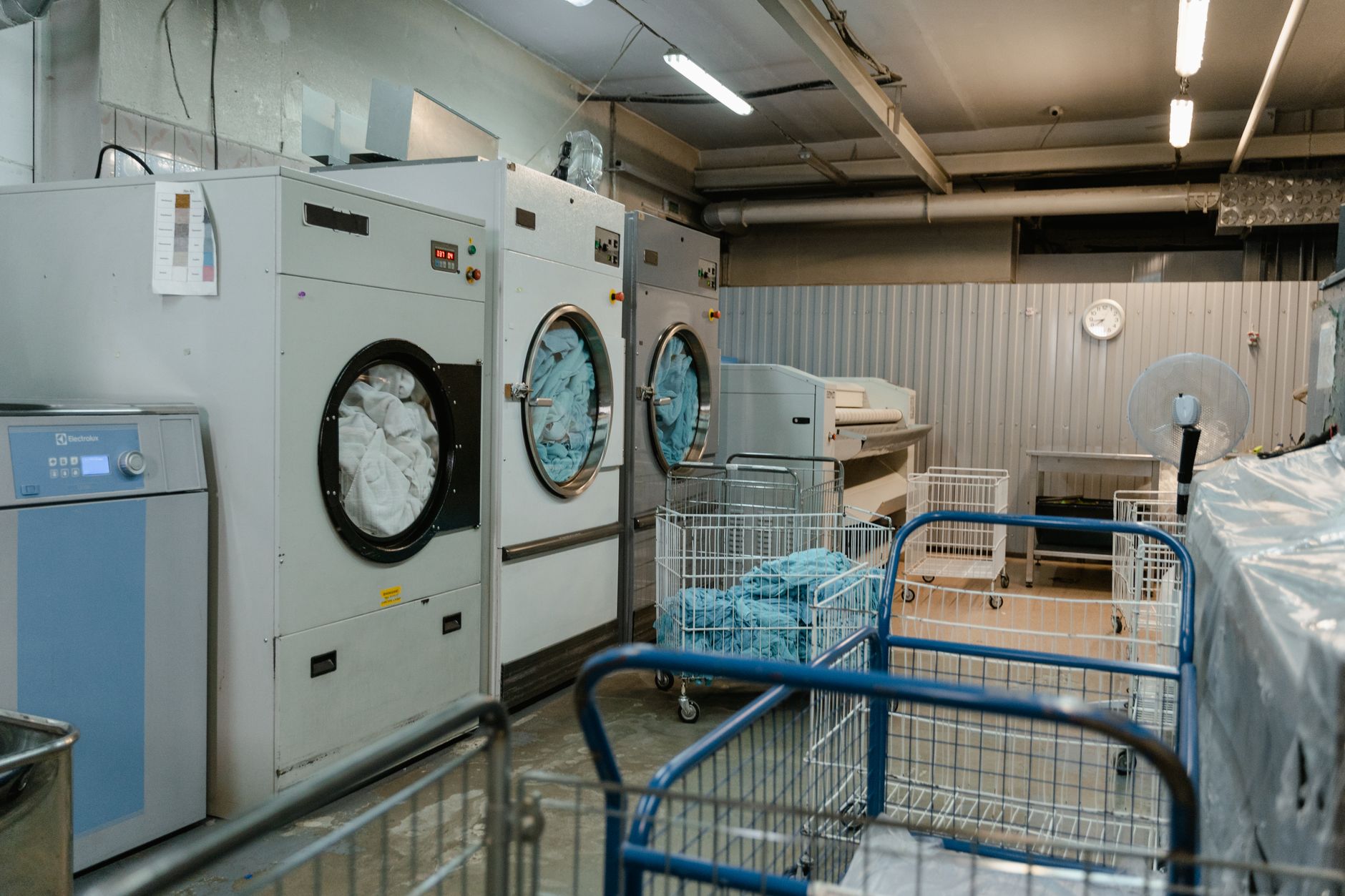
Linen movement becomes attractive when your housekeeping team spends too much of the turn window walking, waiting, or pushing loaded carts between laundry, storage, and ready-board priority units. OSHA specifically flags pushing and pulling heavy carts full of dirty or clean items as a housekeeping ergonomics hazard. That is a strong signal that repetitive transport automation can solve both delay and wear on the crew.
This is the moment to evaluate an autonomous mobile robot rental, AMR rental, tug robot rental, or cart pulling robot for business. But the route must be disciplined. A linen robot is only as good as the path it repeats. If staging points move daily, elevator access is inconsistent, or staff constantly stack overflow items in the corridor, then the robot inherits your process drift instead of fixing it.
Look for three signs that the fit is real. First, the same trips happen every turn day. Second, the payload is consistent enough that staff are not endlessly repacking carts. Third, handoffs are clean at both ends. If those three conditions are present, a service robot rental can claw back meaningful labor minutes without asking your room attendants to sprint across the property.
- Track total cart trips per turn block before you shop
- Measure wait time at elevators, not just walking distance
- Check turning radius at linen rooms, trash rooms, and service landings
- Require manual override rules so staff can take control instantly during peak congestion
Can robots help with inspections without slowing the turn?
Yes, but inspection support should be bought with discipline. The winning use case is evidence capture and triage, not replacing a supervisor's judgment. Think standardized corridor passes, amenity-space checks, and repeatable photo or sensor collection that helps a human lead spot exceptions faster. Once buyers expect a robot to understand make-ready nuance on its own, disappointment usually follows.
This is where many teams overbuy. They ask an inspection robot rental to do what a clean checklist and a better dispatch flow should handle. A better question is narrower. Can the robot reduce repeat walks, create cleaner time-stamped records, or surface misses early enough to protect check-in readiness? If the answer is yes, the category can earn its place.
Inspection support also has to respect the turnover clock. A robot that captures data beautifully but needs frequent babysitting is a bad trade. Property turns reward concise workflows. Exception found, photo captured, human alerted, task reassigned. That is the model. Anything heavier starts to compete with the team it is supposed to support.
- Use inspection support for common areas, exterior approach paths, and standardized readiness checks
- Do not expect full room-readiness judgment without human review
- Tie alerts into your existing work-order or housekeeping workflow before go-live
- Pilot for false alarms and missed exceptions, not just navigation
What building traits decide success before you ever talk contracts?
The purchase decision is often made by architecture before finance sees a quote. Four-floor-plus multifamily buildings are now common in new stock. Census reports that 61 percent of multifamily units completed in 2025 were in buildings with four floors or more, and 73 percent of multifamily units completed in the Northeast were in buildings with 50 units or more. That density can help robots, but only if the service path is robot-ready.
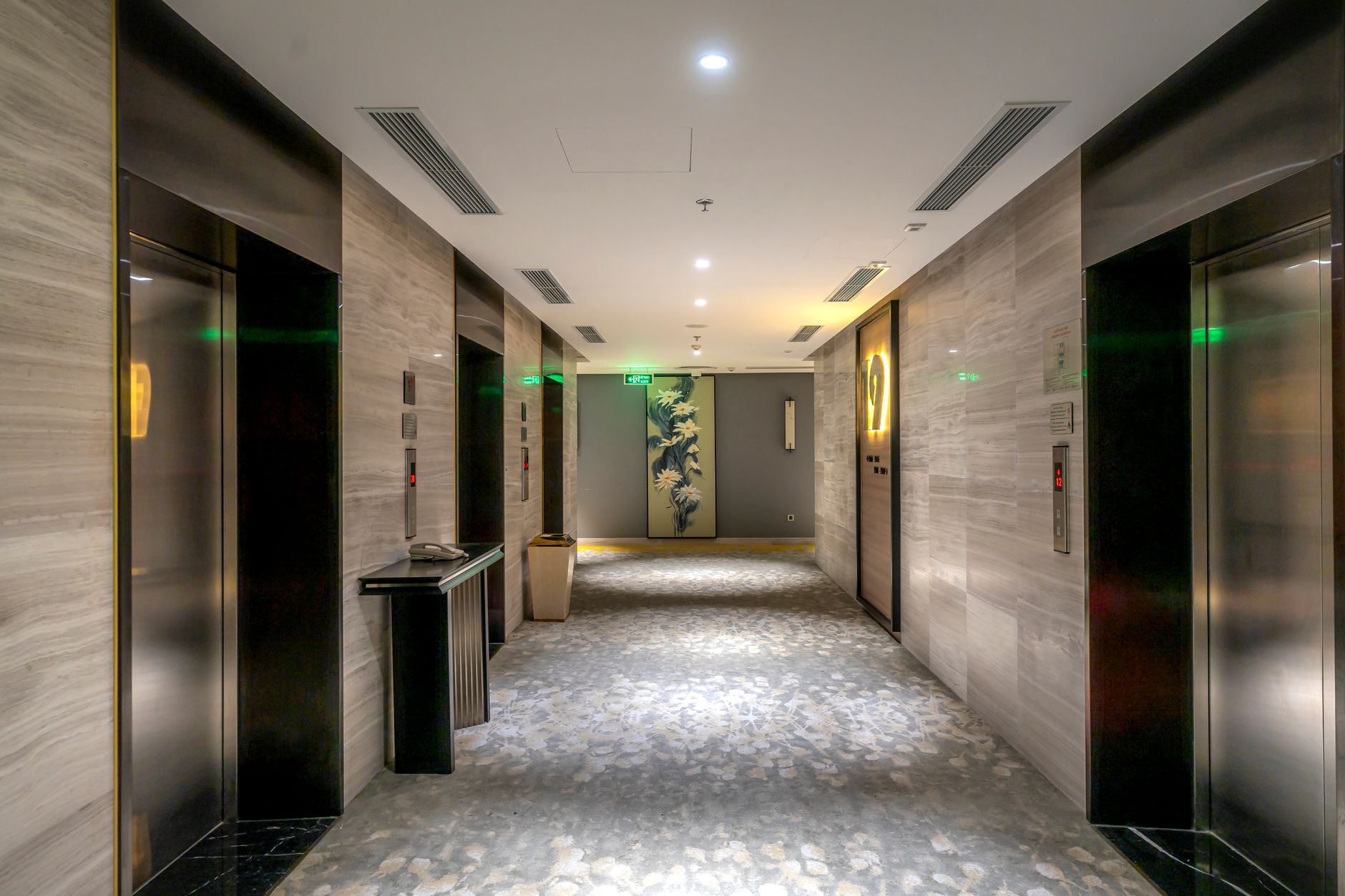
The checklist is practical. Are thresholds shallow enough. Are service elevators available during the turn block. Is there a safe dock and fill point. Can doors be held or automated. Are Wi-Fi dead zones or basement blind spots going to break dispatch. In a distributed portfolio, ask the same questions at every building, because one bad property can distort the economics of the whole fleet.
This is where an OEM-neutral, vendor neutral robot integrator earns real value. The right answer is not the same robot everywhere. Some properties need a commercial cleaning robot rental and nothing more. Others can justify a mixed fleet with hallway cleaning plus repetitive transport automation. Service Robot Co. sits in that middle ground as a full-service commercial robot integrator for U.S. businesses, handling selection, financing, deployment, integration, training, and field service through one nationwide engineer network.
- Door width and threshold height
- Elevator access rules during turns
- Water, charging, and storage locations
- Network coverage in service corridors and basements
- How staff and residents will pass the robot safely during peak activity
How should buyers compare lease, rental, and ownership models?
For most operators, the commercial question is not just buy versus rent. It is how much operational certainty you need while you learn. Commercial robot rental, robot rental monthly, month to month robot lease, and robot as a service can all make sense when your portfolio is still validating route design, staffing impact, and building readiness. A lease purchase program may fit better once the workflow is stable and the robot has become part of the turn standard.
The mistake is judging the contract structure in isolation. A lower monthly figure is not better if maintenance included is weak, emergency robot replacement is vague, or on-site dispatch is slow outside major metros. Property turns run on deadlines, so service terms belong in the same spreadsheet as labor assumptions. Ask about remote triage, loaner units, backup robot program details, and who owns map updates when layouts change.
Service Robot Co. is built for buyers who want one partner and one number across the lifecycle. Because the company is OEM-neutral, it can pair lease rental or sale options with the machine class that fits the site, then handle robot deployment and integration, training, service plans, and nationwide support. For operators that want a commercial robot demo, try before you buy structure, or monthly payment programs without long commitment risk, that model reduces vendor sprawl without forcing a single-brand answer.
- Ask for contract language on response times, replacement coverage, and software updates
- Confirm who pays for remapping after renovations or route changes
- Match the term length to the certainty of your operating model
- If you want no long term contract flexibility, make sure exit terms are clear and written
What should a serious pilot prove in 30 to 60 days?
A useful pilot proves schedule fit, not just navigation. The robot should complete the intended hallway run or transport route inside the exact turnover window, with your real staff, your real elevator traffic, and your real staging mess. Success means the team trusts it enough to keep using it on the hardest days, not only during a polished demo.
Measure labor minutes removed from non-value walking, corridor cleanliness consistency, missed-task reduction, and supervisor touches per shift. Also log exceptions. How often did a blocked path require intervention. How often did the robot miss a dock. How many runs were abandoned because a door was closed. These are the numbers that tell you if the program can scale.
If a pilot passes, move carefully. Standardize the operating playbook before expanding across the portfolio. If it fails, that does not always mean robotics is wrong. It may mean the first target task was wrong. In turnover operations, the cleanest path is often phased deployment no shutdown. Start with the easiest hallways, then add linen movement, then test inspection support once the property team has rhythm.
- Pilot against your busiest turn pattern, not a quiet midweek sample
- Require written success metrics before launch
- Include service response drills during the pilot
- End with a building-by-building rollout decision, not a vague fleet promise
Frequently asked questions
Sources
- BLS Occupational Outlook Handbook: Janitors and Building Cleaners
- BLS Occupational Requirements Survey: Maids and Housekeeping Cleaners
- BLS OEWS Industry Data: Maids and Housekeeping Cleaners
- OSHA Housekeeping Ergonomics Hazards
- U.S. Census Housing Unit Totals 2020-2025
- U.S. Census Highlights of 2025 Characteristics of New Housing
- Airbnb: U.S. Economic Activity in 2025
- Airbnb: U.S. Census Tracts With Listings but No Hotels