Key takeaways
- Terrazzo needs neutral pH chemistry, wet passes, and recovery that never lets dirty solution dry on the stone.
- Brush pressure and pad aggressiveness must match the finish, sealed epoxy terrazzo is not the same as a worn cementitious slab.
- Edge work and grout lines still decide whether an autonomous route looks professional in civic lobbies.
- Pilot on one wing with gloss readings, slip checks, and sealer inspection before you scale a rental fleet.
Which robot settings actually protect terrazzo?
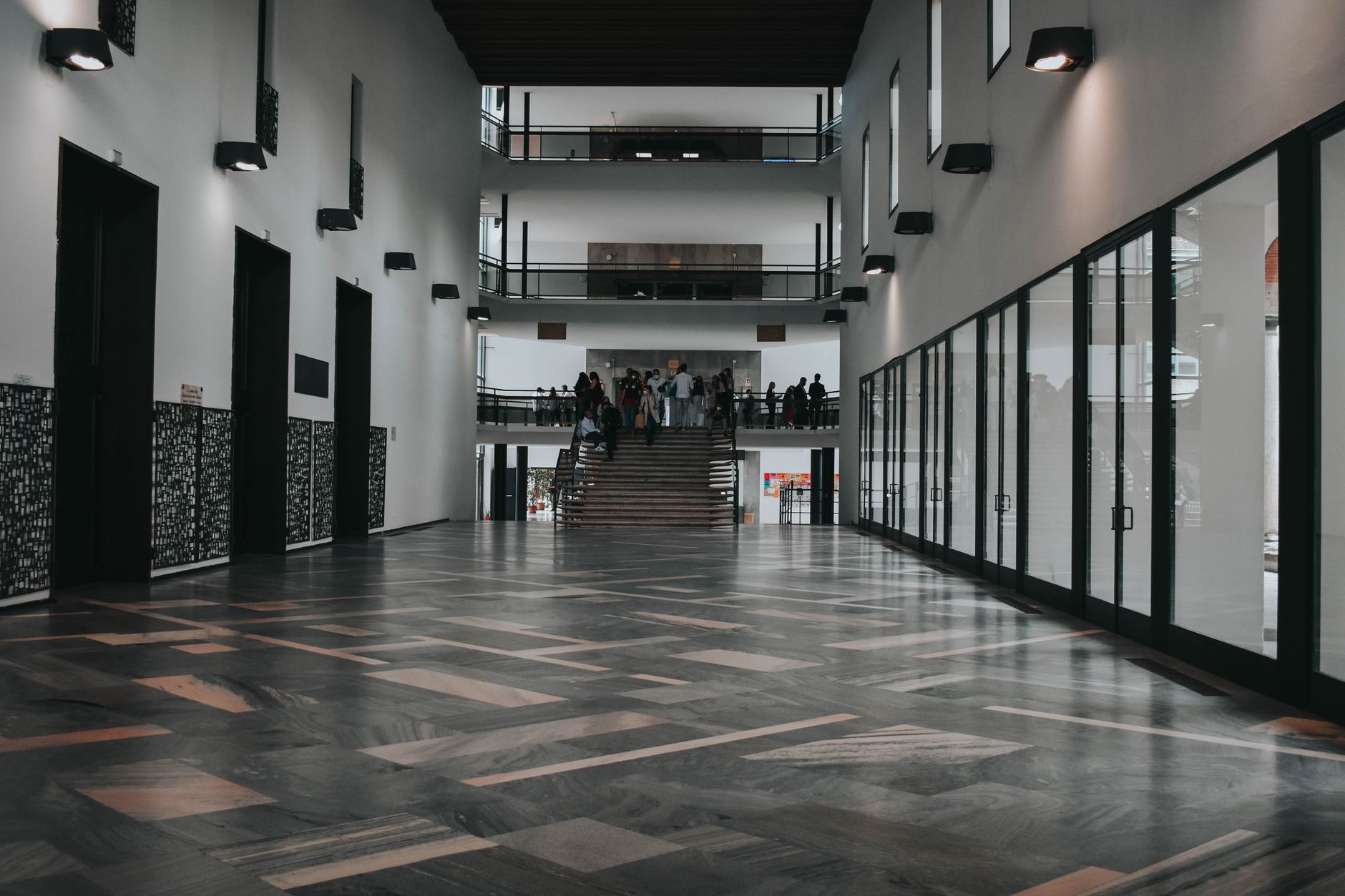
Terrazzo in airports, schools, and city halls is chosen because it survives decades of foot traffic and still photographs well under lobby lighting. That same durability turns brittle when crews attack it with the wrong chemistry or an overly aggressive scrub head. The National Terrazzo and Mosaic Association warns that harsh cleaners and sealers can damage terrazzo and that only neutral pH products belong in scrub or mop routines.
Autonomous scrubbers fit those rules when they behave like a disciplined night crew, not a one setting fits all machine. You want controlled solution flow, a dwell window long enough for neutral cleaner to loosen grime, and full water recovery so residue never skins on the aggregate. NTMA guidance for standard finishes calls for keeping the floor wet through the entire pass and rinsing dirty solution before it dries.
For facility managers comparing commercial cleaning robot rental or a month to month floor scrubber lease, the buying question is not maximum pressure. It is whether the unit can run a gentle program on polished terrazzo, then switch to a heavier pass on adjoining tile without a manual rebuild.
How should brush pressure and pad choice differ on terrazzo?
Epoxy resin terrazzo systems are fundamentally non porous, yet the exposed aggregate and any topical sealer still scratch when pads cut too hard. Manufacturer maintenance manuals for epoxy terrazzo recommend scrubber dryers or rotary machines with soft or medium pads and brushes, and they caution against highly abrasive powders except where localized roughening is acceptable.
High brush pressure helps on porous quarry tile in a kitchen wing. On a honed terrazzo concourse it can micro scratch the surface and flatten gloss in the traffic lane. Look for robots that document a low pressure eco or polish mode, pad recognition, or operator selectable downforce. During a pilot, run the same aisle at two pressure settings and compare gloss and slip under your lighting.
Pad color and material matter as much as kilograms of downforce. Non abrasive melamine style pads can lift black marks in education corridors, while more aggressive pads belong on rubberized gym transitions, not on a decorative terrazzo medallion. Match pad catalog numbers to what your chemical vendor already approved for terrazzo.
- Log pad type, pressure setting, and speed for every test strip
- Photograph aggregate chips and grout lines before and after ten passes
- Measure gloss at three points in the traffic lane and one off path control spot
What chemistry and water recovery rules matter most?
Neutral cleaners are designed to react in solution with clean water, sit on the surface for several minutes, then release soil that you remove before it dries. NTMA repeats that allowing solution to dry on terrazzo is a common failure mode because it leaves films that attract more grit.
Robots should dispense at the dilution your chemical supplier certifies for terrazzo, not an operator guess at the fill port. Recovery tank capacity and squeegee downforce need to handle the wide aisles in terminals where a half recovered pass leaves streaks visible at dawn.
Avoid acids, bleach, ammonia, and all purpose degreasers in the robot tank unless the stone specification explicitly allows them. Epoxy terrazzo operations manuals also warn against prolonged steam exposure unless the flooring manufacturer signs off. Your autonomous unit should lock chemistry selections so night staff cannot swap in a stripper meant for vinyl.
How do you handle edges, grout, and overnight coverage?
Even wide scrub decks miss baseboards, column wraps, and shallow alcoves where terrazzo meets carpet. NTMA recommends auto scrubbers for larger areas but still expects detail work where machines cannot reach. Plan human touch up or a compact autonomous unit for those pockets so the lobby does not show a halo of dirty grout.
Rotational scrub decks that articulate into corners reduce that halo. Validate minimum aisle width against your tightest elevator lobby and ticket counter queue. Schools add another wrinkle: desks and chair stacks shrink aisles after events, so maps need seasonal versions.
Overnight cleaning without an operator only pays off when the route covers the full public path, not just the easy rectangle in the center. Run coverage reports from the pilot and compare them to your floor plan redlines.

How do you preserve gloss without stripping the floor every quarter?
Many civic terrazzo installations carry a water based sealer and sometimes a finish dressing that responds to buffing. NTMA notes that water based sealers are commonly recommended today and that a dressing can support weekly burnishing when a high sheen is desired.
Robots should not replace that restorative cycle. They should extend the time between strip and recoat by removing abrasive grit daily. NTMA advises daily dust mopping in most public buildings because grit is what scratches stone under shoe traffic.
If gloss drops after robot deployment, inspect sealer wear before you blame pad choice. Maintenance manuals suggest periodic inspection intervals ranging from three to twelve months depending on traffic. Document dulling zones at entries where winter moisture and deicer residues concentrate.
What belongs in a terrazzo focused pilot test?
Start on a closed wing or after hours block with identical lighting to the public lobby. Run at least five consecutive nights so pad bedding and chemical balance stabilize. Capture slip resistance readings if your safety team requires them for open civic buildings.
Invite stakeholders who own different risks: facilities, stone restoration, and accessibility. Schools add athletics and cafeteria leads because terrazzo often wraps those entries. Hospitals add infection prevention when terrazzo corridors connect to clinical zones even if the robot only scrubs public areas.
Score the pilot on coverage percent, dry time, noise in occupied wings, and qualitative appearance at guest eye level. Only then scale to robot leasing for business across multiple buildings or add a second unit for satellite lobbies.
Where does a vendor neutral integrator fit?
Terrazzo appears in lobbies, but the same campus may need a compact scrubber for ancillary tile and a delivery robot for mail loops upstairs. Service Robot Co. selects across manufacturers, then handles finance, deployment, training, and service through a nationwide network of regional engineers so you are not juggling separate vendors per floor type.
A free site assessment should map floor transitions, sealer history, and chemical approvals before anyone signs a robot floor cleaner rental. Maintenance included plans matter when a civic client cannot afford a dead scrubber the morning of a council session. One partner, one number, keeps triage and loaner coverage from becoming a facilities side project.