Key takeaways
- Food service robots address labor shortages by automating repetitive tasks like running food and bussing tables.
- Key features to evaluate include navigation technology, carrying capacity, battery life, and safety sensors.
- Integration with your existing POS system is critical for smooth order transmission and operational efficiency.
- Return on investment is calculated by comparing robot costs against labor savings, increased table turnover, and reduced waste.
- A vendor-neutral integrator can help you select, deploy, and service the right robots for your specific restaurant layout and needs.
Are Food Service Robots the Right Move for Your Restaurant?
Food service robots are becoming a common sight in dining rooms, autonomously running food from the kitchen and bussing dirty dishes. For a restaurant industry grappling with a persistent labor shortage, these automated assistants offer a compelling solution. With 77% of operators reporting recruitment and retention as a top concern, robots step in to handle repetitive, physically demanding tasks, freeing human staff to focus on guest interaction.
These robots are not about replacing servers. Instead, they act as support, reducing the thousands of steps servers take each shift carrying heavy trays. By automating the transport of food and dishes, staff can spend more time with guests, which can lead to higher satisfaction and check averages. This guide is designed to help restaurant operators understand this technology, evaluate the key features, and determine the financial viability for their own establishments.
What Key Features Should You Evaluate?
When considering a food runner robot or a busser robot, several core features determine its effectiveness in your specific environment. The first is navigation technology. Most modern units use a combination of LIDAR and other sensors to create a map of your dining room, allowing them to navigate crowded spaces and avoid unexpected obstacles like chairs and people.
Payload capacity and configuration are also critical. Consider the weight and size of your typical orders. A robot needs to have trays that can securely hold your largest plates without issue. Battery life and charging time are major operational factors. The robot must be able to operate for a full peak service period without needing a lengthy charge. Look for models with long operational hours and efficient charging cycles.
Finally, safety is paramount. These robots are designed with a suite of safety features, including advanced sensors for collision avoidance and emergency stop buttons to ensure they can operate safely around both staff and guests.

How Do Robots Integrate with Restaurant POS Systems?
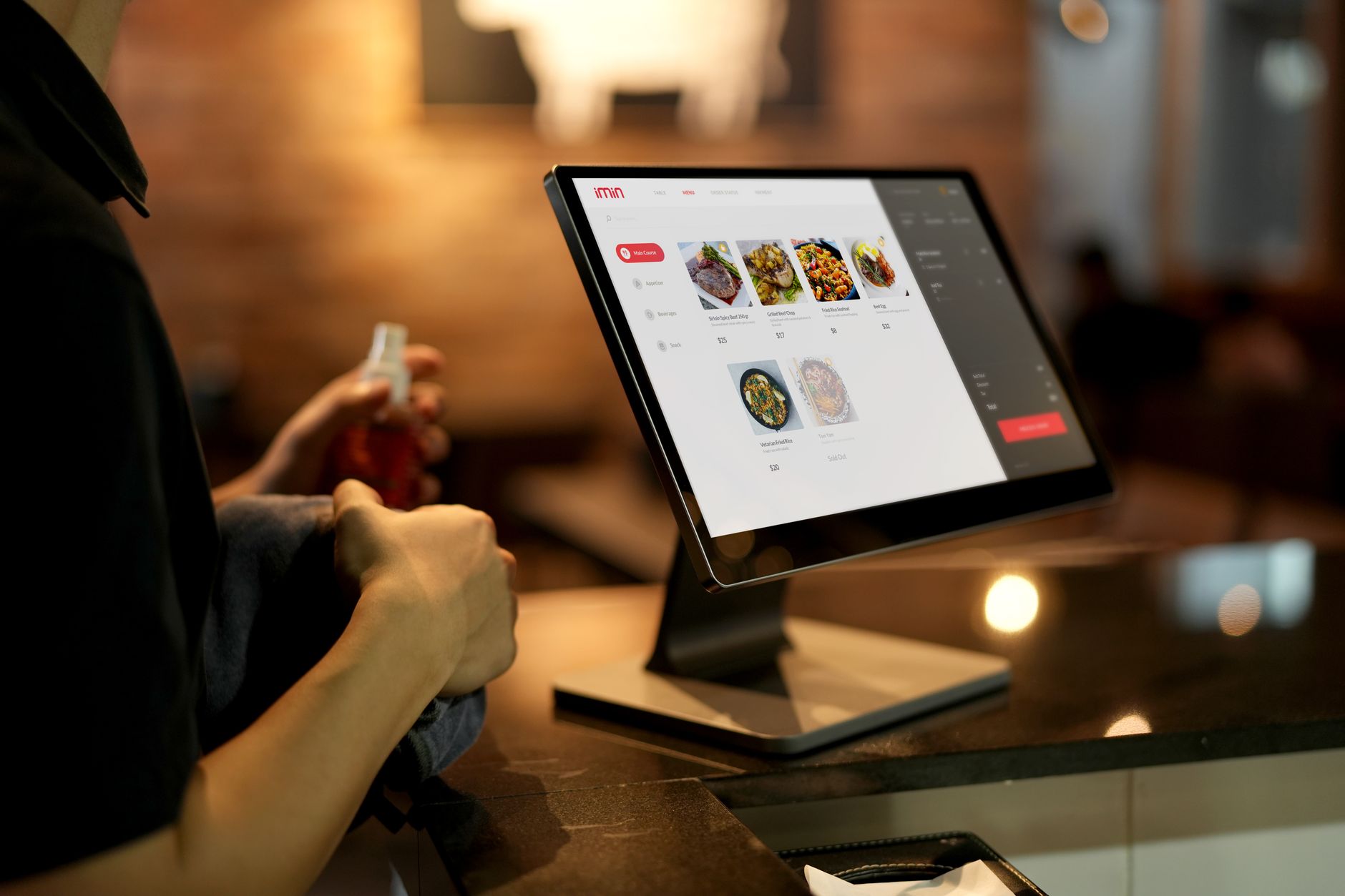
A robot's ability to communicate with your existing Point of Sale (POS) system is a crucial element for maximizing efficiency. Simple implementations may involve a staff member manually entering a table number into the robot's interface after loading it with plates.
More advanced integrations create a much smoother workflow. When an order is ready, the kitchen can notify the system, which then automatically summons the nearest available robot and transmits the correct table number. This direct link between the POS and the robot minimizes manual input, reduces the chance of error, and speeds up delivery from the kitchen pass to the guest's table.
This level of automation ensures a consistent and efficient flow, preventing bottlenecks and keeping service moving, even during the busiest rushes. It transforms the robot from a standalone novelty into an integral part of your restaurant's operational hardware.
Calculating the Return on Investment (ROI)
Determining the financial benefit of a food service robot involves looking beyond the initial acquisition cost. The primary factor in any ROI calculation is the savings on labor costs. This includes not just wages but also payroll taxes, benefits, and the high costs associated with employee turnover. A single robot can often handle the workload of several food runners, allowing you to reallocate staff to more valuable, guest-facing roles.
Increased efficiency is the second major component. By automating food delivery and bussing, robots can significantly decrease table turnover times. More turns per table, especially during peak hours, directly translate to higher revenue. One case study showed a restaurant increased its average evening table turnover from 1.8 to 2.5 after implementing robots.
Other financial benefits include a potential reduction in food waste from fewer dropped plates and incorrect orders. To calculate your specific ROI, you will need to model these factors:
The formula involves adding up the monthly savings and efficiency gains and subtracting the monthly cost of the robot. This will give you a clear picture of the payback period for your investment. Some case studies have shown payback periods of less than two years.
- Offset Labor Costs: Calculate the hourly wages, taxes, and benefits for the human roles the robot will supplement.
- Increased Table Turnover: Estimate the additional revenue from seating more guests due to faster bussing and service.
- Reduced Errors & Waste: Factor in savings from fewer mistakes and accidents.
- Robot Costs: Include the monthly lease or financing payment, plus any maintenance or service plan fees.
How Do You Choose the Right Partner for Deployment and Support?
The robot itself is only one part of the equation. Successful implementation depends on the partner you choose for deployment, integration, and ongoing service. A high upfront investment can be a significant barrier for many restaurants. This is why many operators explore robot rental or leasing options, which turn a large capital expenditure into a predictable monthly operating expense.
Service Robot Co. operates as a full-service commercial robot integrator for businesses across the United States. Because we are OEM-neutral, our focus is on finding the right robot for your restaurant's unique layout and workflow, not pushing a specific brand. We manage the entire lifecycle, from initial site assessment and financing to deployment, POS integration, and staff training.
Downtime is not an option in a busy restaurant. Technical malfunctions can lead to service disruptions. That is why our nationwide network of engineers is crucial. We provide on-site service, remote triage, and comprehensive maintenance plans to ensure your units are always running. This one-vendor approach, from deployment to repair, means you have a single point of contact for the entire lifespan of your robotic workforce.