
Key takeaways
- Keep robots off active courts during rallies and coaching, and use them on courts only in dead-ball windows.
- Map each zone separately because hard courts, viewing areas, locker corridors, and lobby floors behave like four different workplaces.
- Indoor acrylic courts need soft-contact cleaning, not aggressive scrubbing, stiff bristles, or high-pressure routines.
- Noise control matters as much as navigation in tennis buildings, especially during private lessons and junior programming.
- A pilot usually works best under a commercial robot lease or robot as a service structure before a center commits to a larger fleet.
What does a workable robot program look like in a live tennis club?
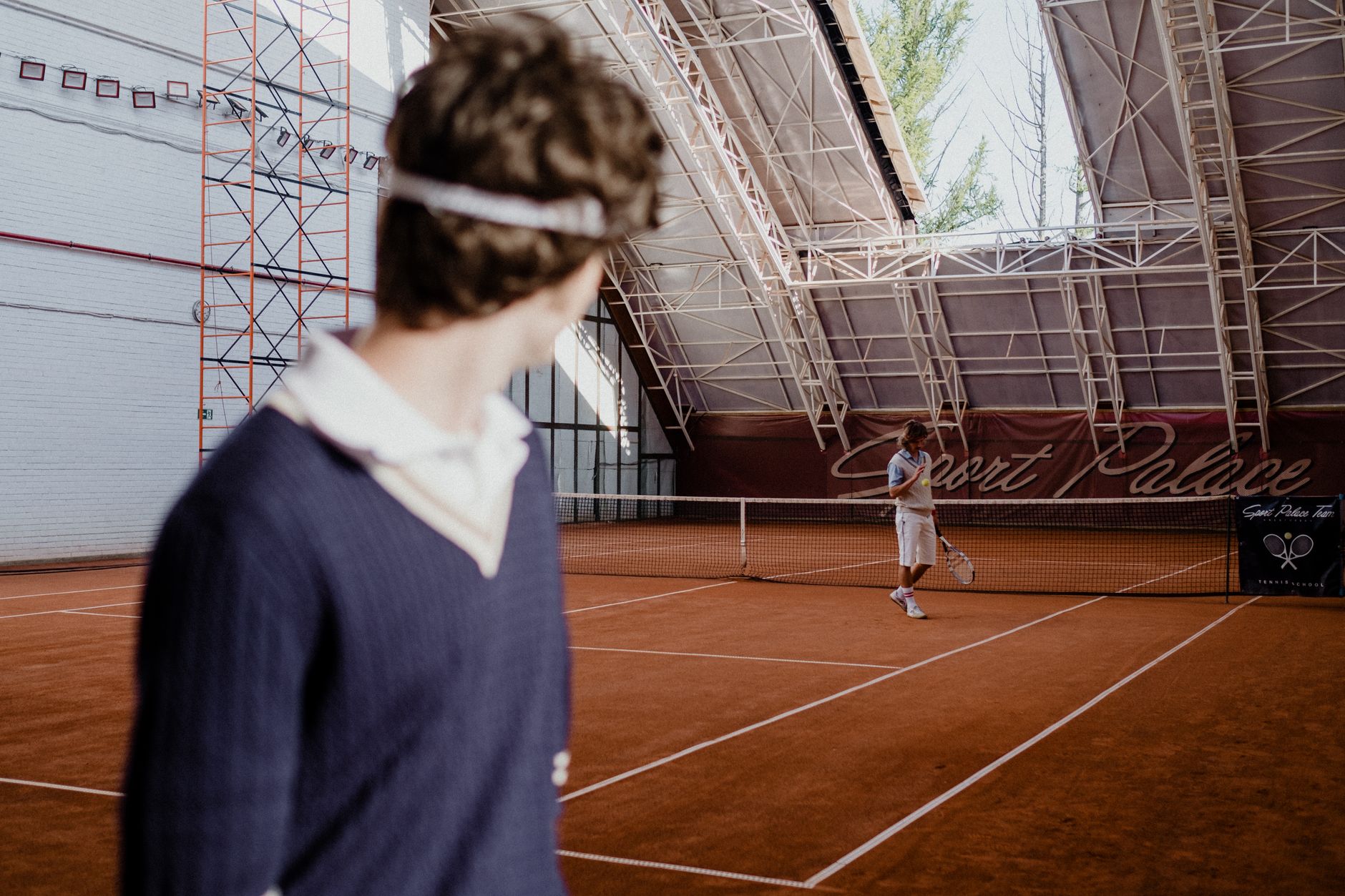
Yes, a robot program can work in a busy indoor tennis center, but only if you split the work by zone and by clock. Keep autonomous floor care off the active hard courts during lessons. Use courtside robots for interval work such as ball pickup, loose towel pickup, and light debris removal between teaching blocks, then use separate floor-cleaning routes for the lobby, spectator areas, and locker corridors before opening, after the evening rush, and after close.
That division matters because indoor tennis is not a retail box or a warehouse aisle. On February 18, 2026, the USTA reported 27.3 million U.S. tennis players in 2025, up 54 percent from 2019, with 14.5 million core players and more than 616 million play occasions. Busy centers protect court minutes fiercely, so any robot plan that steals lesson time will fail even if the hardware works.
The winning pattern is simple. Quiet robots in public circulation zones. Carefully limited robot activity on acrylic courts. Human staff still handle guest-facing exceptions, coaching needs, and anything near live play.
Why are indoor courts a different workflow problem?
A full doubles court is 78 feet by 36 feet, according to the USTA. That is 2,808 square feet of playing lines before you count runoff, benches, court gates, divider nets, or the walkways behind baselines. A four-court indoor center is managing at least 11,232 square feet of active playing surface, and junior programming often adds 36 foot and 60 foot blended lines inside the same footprint.
Those blended teaching lines change routing. The USTA notes that the permanent 36 foot and 60 foot lines sit inside the 78 foot court, are 1.5 inches wide, and stop 3 inches short of the full-size lines. In practice, that means your mapping cannot treat a junior lesson court like an empty rectangle. The robot has to respect mini-courts, teaching baskets, temporary cones, and the coach's position at the service line.
The rest of the building behaves differently. Viewing areas are stop-and-go, with strollers, tennis bags, and parents drifting toward railings. Locker corridors see bursts after clinics and leagues. Lobby floors collect water, ball fuzz, and snack debris. One route set will not handle all of that.
What belongs on the hard courts and what stays off?
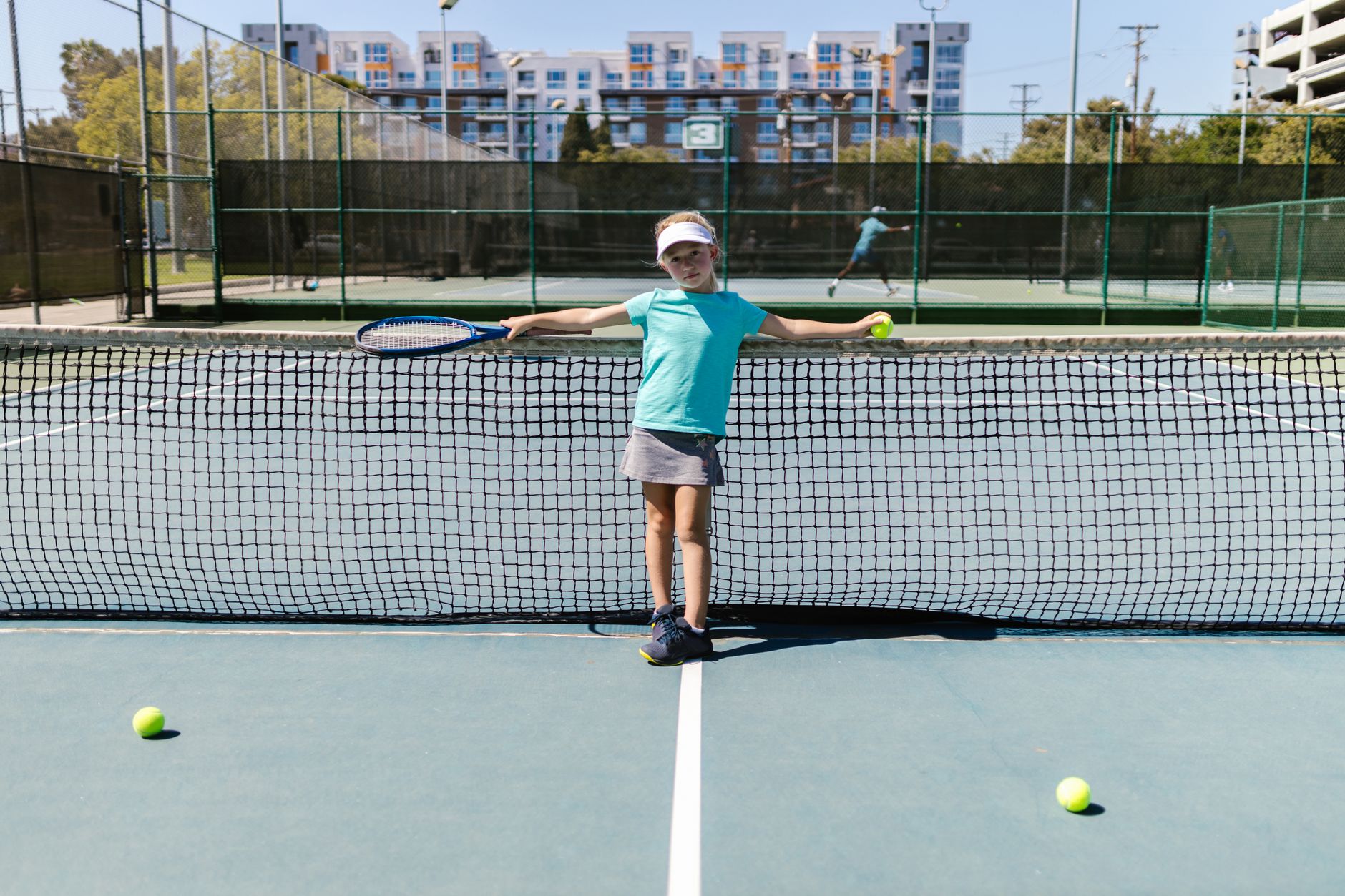
Start from the court-surface rules, not from the robot brochure. The ASBA and USTA court maintenance manual says hard courts are typically asphalt or concrete with acrylic coatings. It also says indoor acrylic surfaces accumulate dust, ball fuzz, and tracked-in dirt, and should be cleaned on a regular schedule with a vacuum or rotary sweeper using a soft-bristled brush once a day, then with a water vacuum or water brush about once a month.
That guidance rules out a lot of bad ideas. Do not put an aggressive scrubber, high-pressure washer, stiff-bristle system, or hard squeegee routine on the playing surface unless the court contractor explicitly approves it. The same manual warns that stiff bristles and excessive pressure can damage the surface, and that rubber squeegees may cause premature wear.
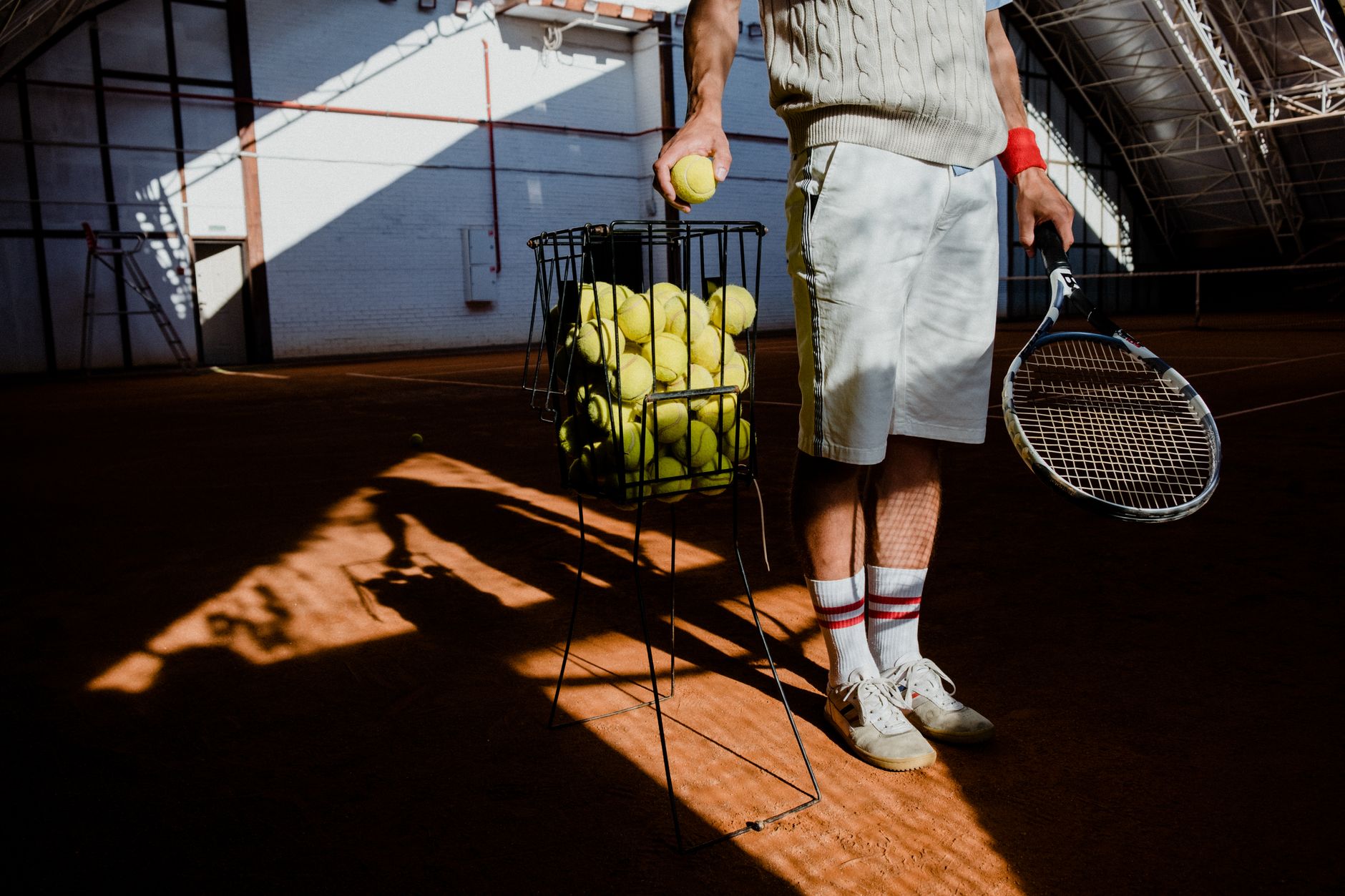
So the court-side robot job is narrow by design. Good first tasks are loose ball pickup after junior blocks, towel pickup after clinics, dust and fuzz collection at day start or day end, and light drying support with approved tools after cleaning. Bad first tasks are live-rally retrieval, mid-lesson scrubbing, or anything that crosses behind players during a point.
How should work be split across courts, viewing areas, corridors, and lobby floors?
Treat the building as four separate service zones. The hard courts get interval retrieval and light surface care. Viewing areas get low-speed vacuuming and spot pickup, ideally on carpet or resilient flooring that helps absorb sound. Locker corridors get predictable cleaning passes after program waves, plus towel collection runs. The lobby gets the heaviest automation because it is wide, durable, and visibly tied to first impressions.
Ball pickup and towel pickup should not be one endless roaming task. It works better as a reset loop. When Court 1 and Court 2 finish a junior block, a robot enters only after the coach confirms clear floor, collects loose balls and stray towels, then exits before the next lesson loads in. That keeps the robot out of the coach's teaching lane and out of the player's peripheral vision.
Lobby and spectator routes can run far more often. Those areas are where a commercial cleaning robot lease or robot floor cleaner leasing usually proves itself first, because the floor is broader, the travel paths are repeatable, and the risk of interfering with instruction is much lower. If the center wants a quick pilot win, the lobby usually earns it faster than the courts.
How quiet does the program need to be?
Quieter than many operators assume. The ITF Facilities Guide says indoor tennis HVAC should change air with minimal noise or draft, says noise should not exceed 45 dB, and says empty tennis halls should not reverberate longer than 3 seconds at frequencies above 500 Hz. That is not a robot rule, but it is a strong operational signal. Indoor tennis is an acoustically sensitive environment built around concentration, coaching cues, and ball sound.
So noise control is a deployment issue, not an afterthought. Disable spoken prompts. Use visual status lights instead of voice messages. Put charging docks away from lesson courts and nearer service rooms, lobby edges, or back corridors. Cap travel speed in spectator zones during instruction hours, and forbid robot entries through squeaky thresholds or metal transitions that amplify wheel noise.
If a robot sounds acceptable in a warehouse, it may still be wrong for Court 3 at 6:30 pm during private lessons. That is one reason Service Robot Co. starts with site assessment mapping rather than a generic demo. An OEM-neutral robot integrator can compare units by floor compatibility, wheel noise, brush type, and service support, then pick the robot that fits your floor and your coaching cadence.
When should robots run if lessons are booked all day?
Build the schedule around dead-ball windows, not around the robot's maximum theoretical uptime. The ASBA and USTA manual points to daily cleaning for indoor acrylic courts and a deeper water-based clean about once a month. The USTA also committed an additional 10 million dollars on February 19, 2025 to help build, refurbish, and extend playable hours on courts. Prime court time is too valuable to spend on avoidable robot traffic.
For most centers, that leads to a three-layer schedule. First, pre-open passes for lobbies, corridors, and spectator floors. Second, short court-entry windows between lesson blocks, league rounds, and camps for ball and towel recovery. Third, post-close or low-booking windows for any deeper hard-court cleaning that the surface contractor approves. Monthly wet work belongs in the quietest operating window, not at 5 pm when five coaches are feeding balls.
There is even a simple real-world reminder in USTA coverage of Mercer County Park Tennis Center, where indoor courts are vacuumed on Mondays, Wednesdays, and Fridays. The exact cadence at your site may differ, but the larger lesson is clear. Indoor tennis maintenance already lives on a schedule. Robots should fit that rhythm, not try to rewrite it.
- Pre-open 60 to 90 minutes for lobby, front desk apron, locker corridors, and viewing lanes.
- Between-block 5 to 10 minute intervals for ball pickup and quick court resets.
- Post-close or low-booking window for monthly water vacuum or water brush cleaning on approved hard courts.
- Midday use only in non-court zones unless the club has a confirmed lesson gap.
What should a first pilot measure?
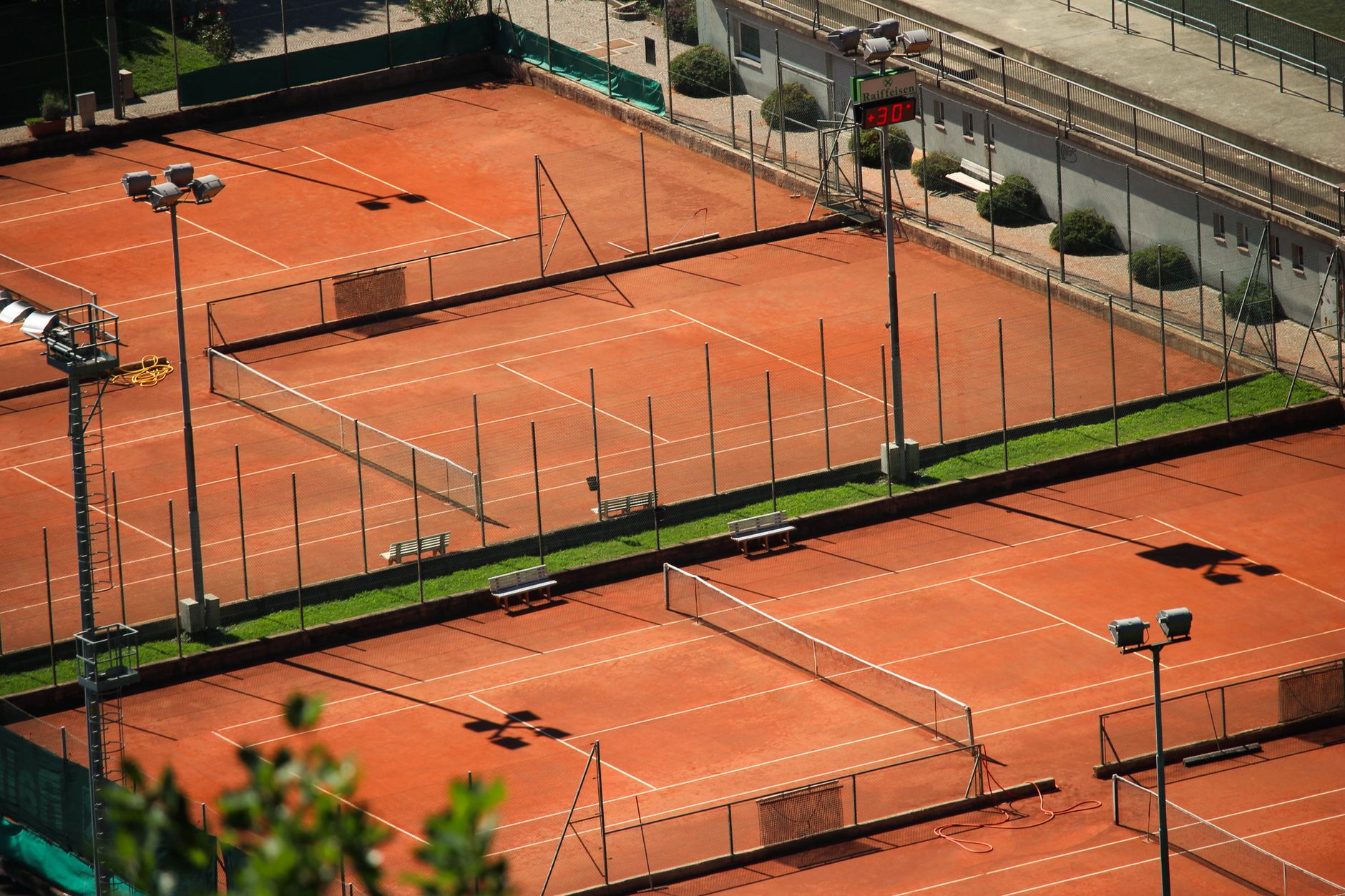
Do not start with a full-building rollout. Start with one bank of courts, one spectator route, one locker corridor, and one lobby path. Then measure interruption rate, minutes returned to staff, stray-ball recovery time, towel resets completed, and cleaning completion by zone. You are not proving that a robot can move. You are proving that it can move without stealing lessons.
This is where commercial robot leasing, and robot leasing monthly structures make sense. A tennis center may want a robot pilot program, a commercial robot demo, and a free site assessment, plus robot leasing for business with monthly payment programs and RoboCare™ service, rather than a large upfront buy. If the club is still learning its traffic patterns, a no long term contract or phased deployment is usually the cleaner decision.
The best acceptance test is operational, not theatrical. Did the evening desk staff stop doing towel laps. Did coaches complain less about loose balls at turnover. Did the lobby stay cleaner during peak family traffic. Those are the signs that a service robot lease is earning its place.
Where does Service Robot Co. fit in the rollout?
Indoor tennis centers rarely need one machine and done purchasing. They need route design, floor approval, quiet-mode settings, staff training, financing, and service coverage that can keep the program running through league season. Service Robot Co. handles that whole chain for U.S. operators. We are an OEM-neutral commercial robot integrator, which means we pick the right equipment across manufacturers and then manage deployment, integration, training, and service.
That matters even more in sports facilities because the mix is awkward. You may want one unit for lobby floor care, another for low-noise pickup work, and a service plan with remote triage, on-site dispatch, and nationwide engineer coverage. Instead of juggling separate vendors, centers can work through one partner, one number, and one lifecycle plan, with options that range from commercial robot leasing and floor scrubber monthly lease to purchase, depending on the site's booking pressure and capital strategy.
If the goal is overnight floor care without disrupting lessons, the first step is not guessing. It is a grounded site survey. Measure court blocks, doors, floor transitions, acoustics, storage space, and staff handoffs, then build the robot program around the facility you actually run.