Key takeaways
- Core returns, chemical totes, and contained scrap are repeat hauls that fit AMRs when routes stay segregated from forklifts and pedestrians.
- Paper dust and moisture punish navigation, traction, and enclosures, so housekeeping and floor condition matter as much as payload charts.
- OSHA combustible dust and pulp-mill rules mean robot paths and scrap handling must support clean floors, not add drifting dust.
When do paper mills actually need AMRs for internal moves?
Paper mills generate a steady stream of internal logistics that never makes the headline automation project. Empty cores stack at winder and slitter exits. Chemical totes and felt supplies queue at the dry end. Lab samples and quality strips need a courier path from the machine to the test lab. Contained scrap, broke, and trim bins fill on a clock that does not wait for a free forklift.
Autonomous mobile robots earn a look when those jobs repeat on fixed corridors, carry moderate weight, and steal minutes from operators who should stay at the machine. According to BLS Industry Productivity data cited on FRED, U.S. pulp, paper, and paperboard mills employed about 85,500 people in 2024 and about 82,900 in 2025, a tighter workforce that feels every walk to the scrap bay.
AMRs are not a replacement for roll handling cranes or clamp trucks on the reel aisle. They fit the middle mile: core carts from finishing to recycling, sealed sample totes to QA, and consumable kits to the wet end when the route is indoors and mapped.
What loads and containers belong on the first AMR routes?
Start with payloads the mill already moves on dollies or manual pallet jacks. Empty cores on nested racks, strapped broke bales in designated bins, and sealed QA sample cases are common pilot loads because shape and weight stay predictable.
Consumable totes for starch, latex, or cleaning chemicals belong only after your safety team signs off on secondary containment, labeling, and spill response on the proposed path. Robots should never become the first line for leaking drums.
Heavy is relative on mill floors. Rated robot payload must include wet core weight, occasional slush from condensate, and the cart itself. Validate on the actual floor plate near drains where boards have softened over decades of washdown.
- Empty core racks from finishing lines to core recycling
- Sealed QA sample totes on a timed loop from machines to the lab
- Contained broke bins on marked lanes away from pedestrian exits
- Light MRO kits to stock points when the route avoids live roll traffic
How do dust and moisture change AMR selection?
Paper mills are combustible dust environments. OSHA's Combustible Dust National Emphasis Program cites housekeeping under 29 CFR 1910.22 when surface dust outside collection systems exceeds about 1/32 inch deep over at least 5 percent of a room's floor area, up to 1,000 square feet. Robots that stir dust with aggressive air movement or poor brush seals can work against that threshold.
OSHA's pulp, paper, and paperboard mill standard at 29 CFR 1910.261 also expects dust control measures in material handling areas. That means AMR tires, forks, and top modules need wipe-down schedules, and routes should avoid blowing compressed air near robot traffic.
Moisture from sheet breaks, hose-downs, and condensate creates uneven traction. AMRs need ramp profiles tested on the real floor, not just in a vendor demo bay. Drain grates, expansion joints, and worn epoxy patches show up as repeat stop events until you map them honestly.
How should traffic segregation work on a mill floor?
Forklifts, roll clamps, and pedestrians already share tight aisles. AMRs need painted lanes, light cues, or gate interlocks at blind corners where a turning clamp truck wins every conflict.
Schedule matters. Many mills run core and scrap moves during grade changes or shift overlap when machine attendance is highest but forklift demand drops. Others run overnight loops when fewer people are present but lighting and security patrols change.
Wi-Fi and private LTE dead zones appear near metal deck mezzanines and thick concrete walls. Plan failover behavior before go-live so a robot stops safely instead of drifting into a live aisle.
What fire and scrap rules shape robot paths?
Scrap and broke handling often sits near balers and hydrant zones. Keep AMR charging docks away from hot work permits and sprinkler riser rooms called out in mill evacuation maps.
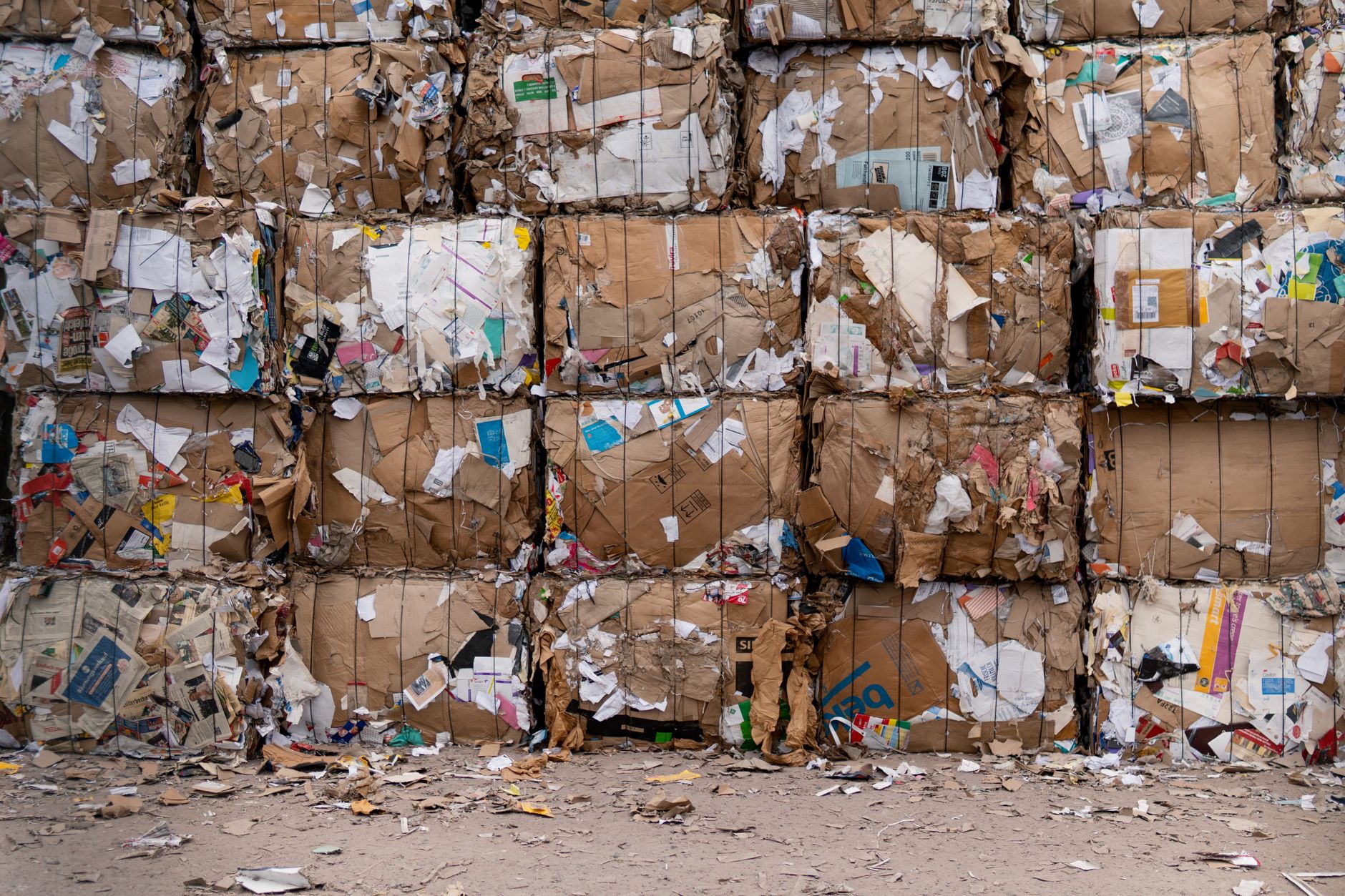
Contained scrap means lids, straps, and bin labels stay intact on the move. Open broke wagons belong on manual equipment until housekeeping proves dust stays controlled along the lane.
Hot work and welding on maintenance days should trigger automatic no-go zones in fleet software so robots reroute without a phone call to the vendor.
Where does a neutral integrator shorten the mill pilot?
Service Robot Co. treats mill AMRs as one lane in a plant-wide plan: pick tug or fork form factors across OEM options, finance the fleet, map routes with maintenance and safety, train operators on exceptions, and keep units running through a nationwide field service network.
A credible pilot covers one finishing line to core storage, not the whole site. Measure walks eliminated per shift, dust generated on the lane, and near-miss reports at intersections before you add a second robot.
Monthly robot programs let you prove the loop while rebuild seasons or capital projects shuffle floor layout. Expand pickup points only after the first corridor stays clean under the combustible dust housekeeping lens.
What should mill engineers measure in the first 90 days?
Track dust depth at fixed grid points on the AMR lane, not just robot uptime. Housekeeping wins matter more than speed if OSHA inspection logic applies in your building.
Log manual overrides at drains, doorways, and elevator gaps. Repeat overrides mean layout fixes, not more software tuning.
Compare lab sample delivery times against your pre-robot baseline. QA gains are often the first dollar story while scrap moves prove safety value.
BLS paper manufacturing employment stayed near 354,000 seasonally adjusted jobs in 2025 across the wider NAICS 322 sector, which underscores how much intralogistics still runs on people walking cores and totes today.