
Key takeaways
- Use AMRs as the transport layer while trained workers inspect, repack, and relabel damaged parcels.
- Require a verified barcode event at collection, rework receipt, repair completion, and conveyor return.
- Dispatch by cutoff risk, exception age, destination, and rework capacity instead of fixed collection rounds.
- Carry irregular parcels in restrained carts or totes, with separate quarantine paths for leaking or hazardous items.
- Pilot the complete exception loop and measure recovery time, scan integrity, misroutes, congestion, and manual travel.
What should an automated exception loop do?
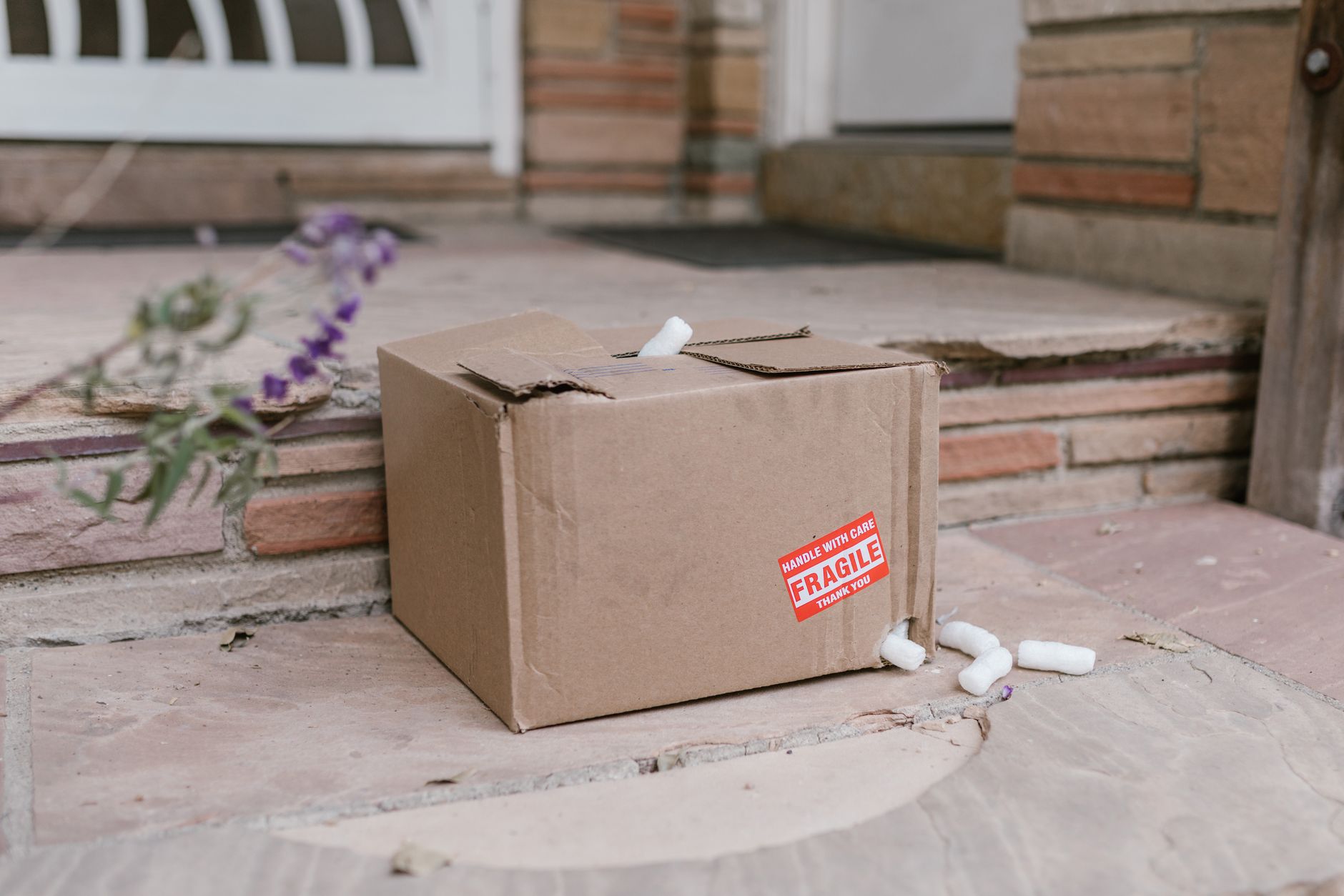
An autonomous mobile robot should collect damaged parcels from designated exception points, carry them in a restrained cart or tote to a staffed rework area, and return released parcels to the correct conveyor induction zone. The robot handles repetitive transport. People retain inspection, repacking, labeling, and disposition decisions.
Every move must be tied to parcel identity and operational state. A collection scan assigns the parcel to a container and mission. Receipt at rework closes that trip, while a release scan sends the repaired parcel toward the destination calculated by the parcel system, not merely the nearest conveyor.
This matters most when volume surges. The U.S. Postal Service said its national daily package-processing capacity reached 88 million in 2025, up from 60 million, after installing more than 600 package sorters. A private hub operates at a different scale, but the lesson is the same: a small exception stream can become a large physical queue when the main line accelerates.
Build custody into every handoff
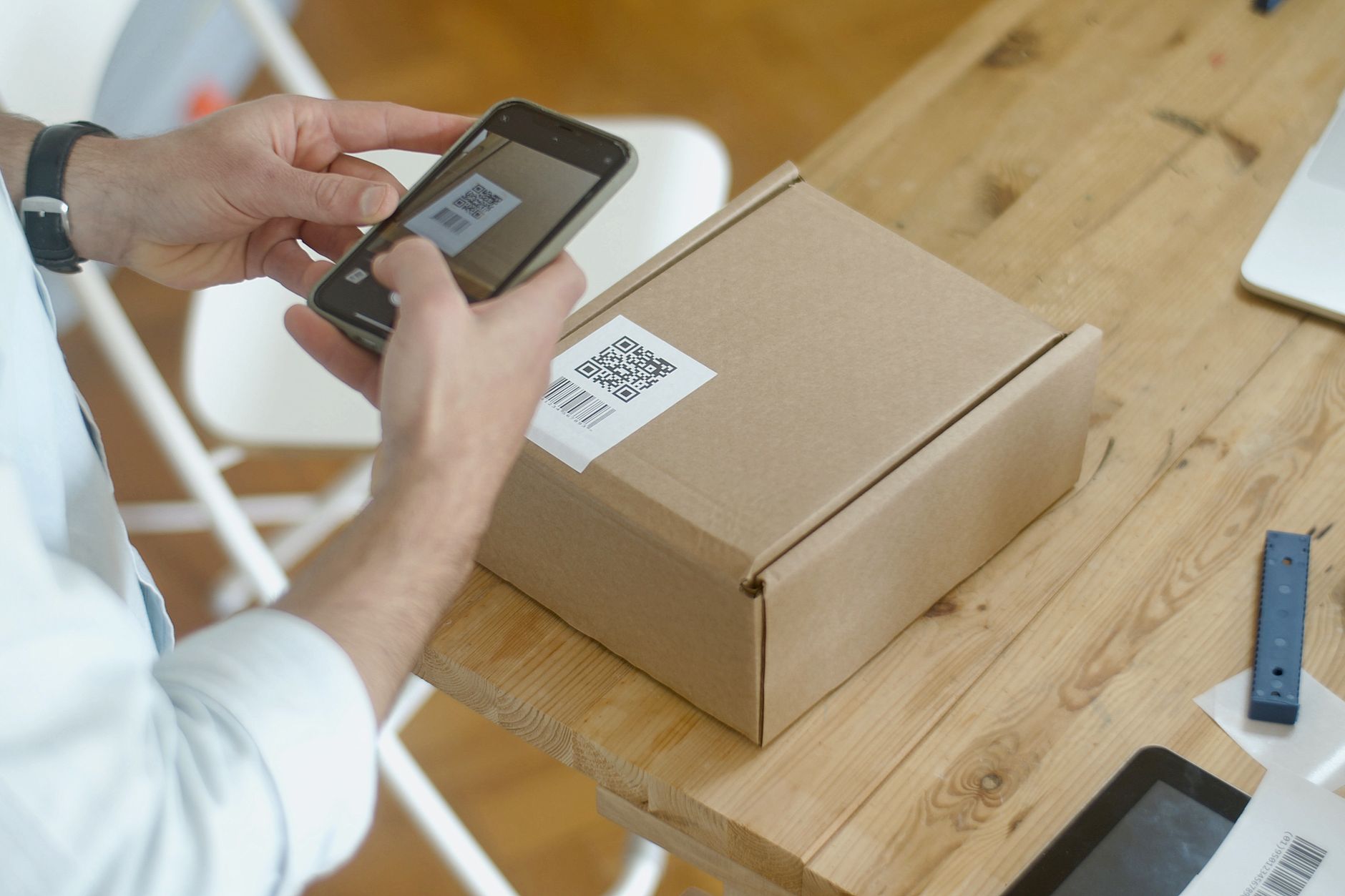
A robot mission is not proof that the right parcel moved. Custody comes from paired scans: the parcel identifier, the cart or tote identifier, the handoff location, the operator or station, the timestamp, and the resulting status. The control layer should reject a mission when the parcel has no readable identity or its expected location conflicts with the scan.
GS1 says scanning a Serial Shipping Container Code lets the physical movement of a logistic unit be matched to its electronic messages. Its logistic-label guideline defines the SSCC as an 18-digit field and calls it the single mandatory element on a GS1 Logistic Label. Parcel hubs may use carrier-specific identifiers, but the governing principle still applies: one physical unit needs one authoritative digital identity.
Damaged parcels demand stricter label checks. GS1 identifies insufficient quiet zones, weak contrast, wrapping over the code, wrinkles, flecks, and poor placement as common scanning problems. Rework staff should preserve the original identifier when policy permits, cover or cancel superseded routing marks, and verify the replacement label before the parcel enters outbound flow.
- Detected: the parcel leaves normal flow and receives a reason code plus an exception-point location.
- Collected: a scan binds the parcel to a specific cart or tote and opens the AMR mission.
- Received: rework scans the parcel out of that container before inspection begins.
- Released: repair, weight or dimension checks, and the active routing label are confirmed.
- Reinducted: the receiving conveyor zone records acceptance, closing the exception chain.
How should dispatching change at peak volume?
Fixed rounds are easy to understand but brittle during a surge. A better dispatcher builds missions from live demand, ranking work by departure cutoff, parcel age, service commitment, exception-point occupancy, rework capacity, conveyor availability, and travel congestion. It can batch compatible stops without allowing a nearly missed cutoff to wait behind low-risk freight.
The queue needs backpressure. When every rework bench is occupied, sending more carts creates aisle storage and hides the real constraint. The dispatcher should hold lower-priority collections, direct robots to alternate staffed cells, or stage sealed containers in approved locations. Likewise, repaired parcels should wait for a confirmed receiving zone instead of orbiting a blocked induction point.
Peak planning also covers energy and failures. Charging should be scheduled around the demand curve, with usable reserve capacity protected for the busiest windows. Supervisors need a visible fallback queue for a disabled robot, a closed aisle, a full exception point, an unreadable label, or a conveyor zone that stops accepting parcels.
Irregular loads need controlled containers
A torn carton is a poor robot payload. Flaps drag, contents shift, and crushed corners defeat neat load assumptions. The usual answer is not a more elaborate robot. It is a standardized transport container with a raised lip, restraint points, a stable center of gravity, and dimensions that remain inside the robot's validated load envelope.
Use different carriers for different exception classes. Small parcels can ride in compartmented totes. Bulky or misshapen cartons may need a low cart with straps and side containment. Polybags need smooth surfaces that will not snag. Repacked items should be physically separated from incoming damage so an operator cannot release the wrong parcel.
Leaks, exposed sharps, damaged batteries, unidentified powders, and contaminated packaging belong in a human-led quarantine process. They should not enter the ordinary AMR route merely because the platform can carry their weight. Define prohibited loads, escalation contacts, containment supplies, and cleanup rules before go-live.
Loading height matters too. OSHA's warehouse guidance lists keeping tote weights under 35 pounds as one control for item-picking work. That figure is not a universal limit for parcel rework, but it underscores the need for an ergonomic assessment, lift aids, and carts that avoid deep reaches and floor-level handling.

How do workers interact with the fleet safely?
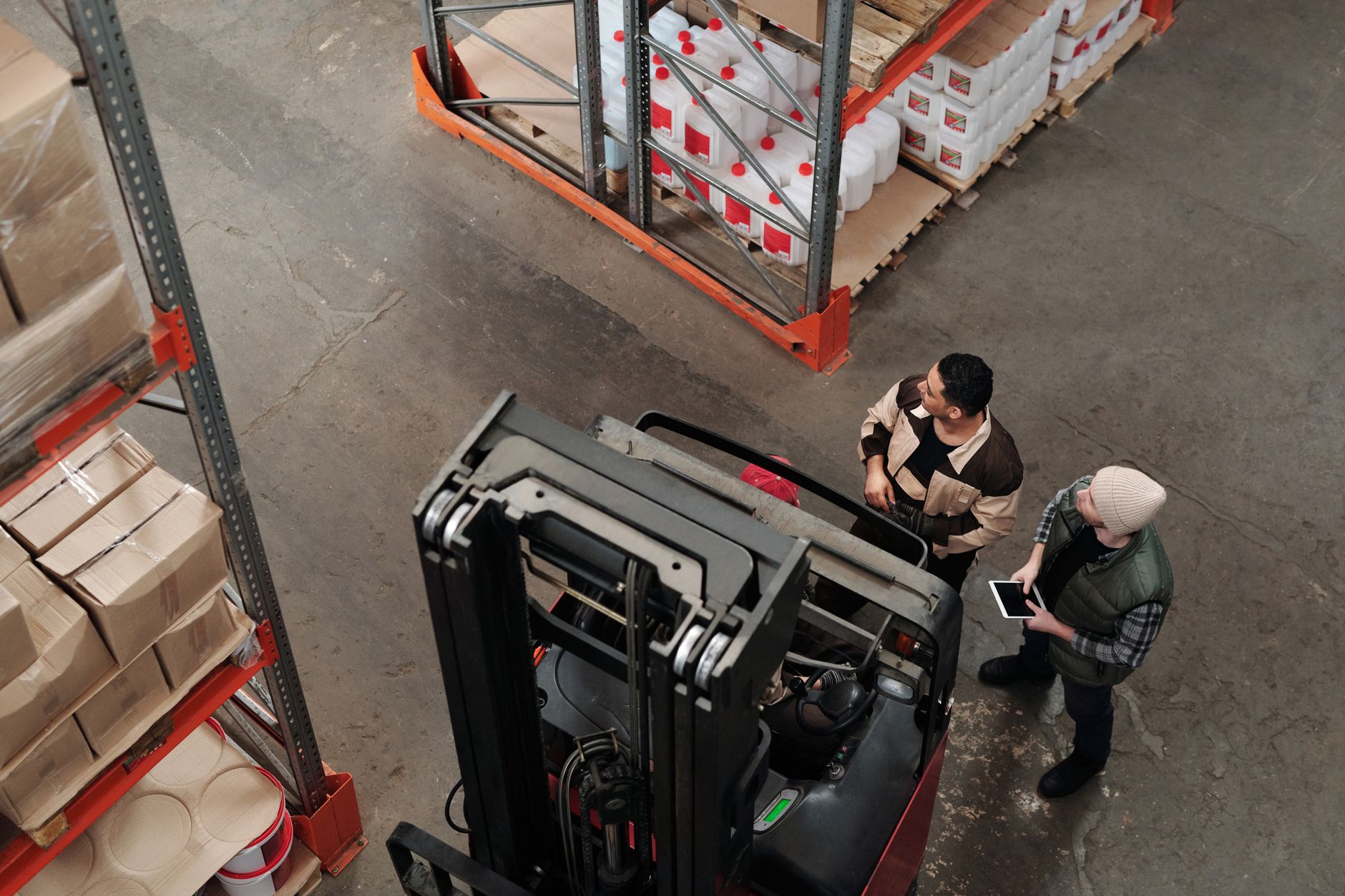
Design each handoff as a small workstation. The robot docks in a repeatable pose, signals that it is safe to approach, and remains inhibited while a worker opens restraints or changes the load. Staff should never reach onto a moving platform, step into a pinch point, or manually push a loaded unit unless the approved recovery procedure allows it.
The operating zone deserves the same attention as the vehicle. ISO 3691-4:2023 covers safety requirements and verification for driverless industrial trucks, including autonomous mobile robots, and notes that operating-zone conditions materially affect safe operation. Risk assessment should examine blind corners, conveyor crossings, emergency exits, floor transitions, temporary cages, peak-season staging, and the space between a stopped robot and fixed equipment.
The human case is substantial. The Bureau of Labor Statistics reported a 2024 total recordable injury and illness incidence rate of 7.9 cases per 100 full-time workers for couriers and express delivery services. OSHA identifies overexertion in lifting and lowering, struck-by events, repetitive handling, awkward postures, and fast work pace among warehouse concerns.
Training must include normal handoffs and abnormal ones. Workers need to know how to request a pickup, read robot signals, pause a mission, report an obstruction, isolate damaged freight, and summon help. Maintenance, setup, testing, and recovery require particular care because OSHA notes that many robot accidents occur during non-routine operating conditions.
Keep routing intelligence outside the robot
The fleet manager should decide which robot performs a trip. The parcel or warehouse system should remain authoritative for parcel identity, service class, disposition, and conveyor destination. This division prevents a transport platform from making routing decisions with stale or incomplete shipping data.
An integration normally exchanges mission requests, container IDs, source and destination locations, readiness states, completion events, and fault codes. Conveyor controls confirm that an induction point can accept work. The rework application confirms that each parcel is released. A shared event ledger lets operations reconstruct a missed scan or misroute without searching several disconnected screens.
Barcode handoffs must also survive degraded conditions. If the network, printer, scanner, parcel system, or fleet manager becomes unavailable, define which work pauses and which work may continue locally. Store-and-forward events need sequence protection so an old message cannot overwrite a later disposition after connectivity returns.
Dashboards should distinguish transport delay from repair delay. Otherwise a full bench can look like slow robots, and a blocked route can look like poor operator performance. Useful views show exception age, carts waiting at each state, unreadable-label frequency, destination changes, conveyor refusals, manual recoveries, and time spent awaiting human action.
Match the AMR to the real exception profile
Selection starts with field data: parcel dimensions, unstable shapes, damaged-package frequency by hour, trip distances, aisle widths, floor condition, congestion, cart geometry, doorways, and required docking accuracy. Payload rating alone says little about a platform's ability to control a tall, soft, leaking, or off-center load.
The choice among top-carry, cart-pulling, and under-cart configurations follows the handling method. A tug may suit several secure carts on long, controlled routes, while a single-cart design can offer clearer custody and tighter maneuvering near rework benches. The correct approach may change across buildings, which is why an OEM-neutral evaluation is valuable.
Service Robot Co. acts as a vendor neutral robot integrator for warehouses and parcel operations. The company can assess the site, select equipment across manufacturers, arrange financing, perform robot deployment and integration, train the workforce, and service each unit through a nationwide U.S. engineer network. That gives an operator one vendor for the lifecycle without forcing every hub into one hardware family.
Commercial structures can include purchase, financing, autonomous mobile robot leasing, or other monthly payment programs. Compare them using the same duty cycle, integration scope, maintenance responsibilities, spare-unit plan, training, and service response assumptions. A low equipment payment is not a bargain if barcode integration and on-site support sit outside the agreement.
Prove the complete loop before expanding
A commercial robot pilot program should cover one meaningful exception area, one rework cell, and at least two return zones with different routing rules. Run it during representative congestion and include crushed cartons, polybags, unreadable labels, oversized parcels, full carts, blocked destinations, network interruptions, and manual recovery.
Measure median and high-percentile exception recovery time, worker travel removed, scan completion, destination accuracy, parcels waiting by state, robot wait time, rework utilization, aborted missions, manual interventions, and safety observations. Segment the results by hour and damage class. A favorable daily average can conceal a serious cutoff-period queue.
Acceptance should require more than successful navigation. The pilot must demonstrate that a parcel cannot disappear between scans, that a superseded label cannot send it back to the wrong lane, that prohibited loads are intercepted, and that workers can stop and recover equipment predictably.
After acceptance, expand routes and capacity in phases. Service Robot Co. can carry the same site assessment mapping, integration logic, training standard, and robot maintenance service plan into a broader AMR fleet deployment. That continuity matters when the goal is repetitive transport automation across several hubs, not a lone robot completing demonstration laps.