Key takeaways
- Finished can moves belong in clearly classified zones, with AMRs rated for the space they actually enter.
- Spill containment and load stability matter as much as navigation when sealed containers still carry solvent residue.
- Production tracking improves when every AMR move ties to batch, line, and cure-window data.
- OSHA expects engineering controls first in chemical areas, so robots should remove manual transport, not add ignition risk.
- A vendor-neutral integrator can align finance, hazardous-area specs, and nationwide service on one rollout plan.
When do AMRs make sense after the fill line?
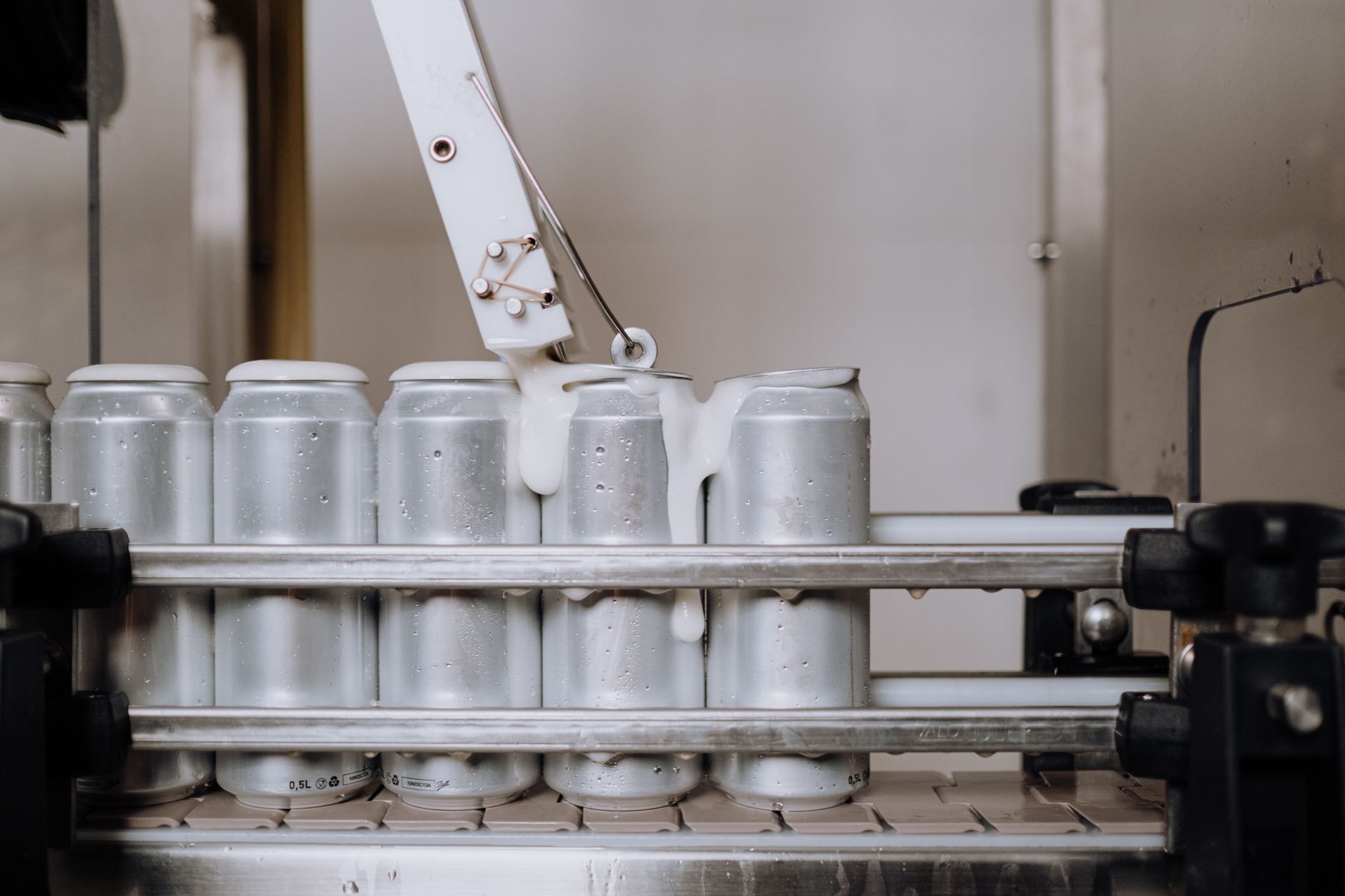
Finished paint cans, pails, and shrink-wrapped pallet loads look simple compared with raw solvent handling. They are sealed, labeled, and ready for curing racks or outbound staging. That is exactly where many coatings plants still lose hours to fork trucks, pallet jacks, and ad hoc runs when a line changes color or pack size.
Autonomous mobile robots fit when the path repeats, the payload is stable, and humans are mostly moving product instead of making judgment calls. They do not replace quality checks at the filler or the decision to hold a batch. They do remove the walk between fill, flash-off, labeling, and warehouse doors when those legs run dozens of times per shift.
If your plant already separates solvent storage, mix, and fill under OSHA spray-finishing rules, AMRs should stay on the finished-goods side of that boundary unless the unit and installation are rated for the classified area you map.
What hazardous-area boundaries should you map first?
Coatings plants live under chemical hazard programs that cover flammability, ventilation, and exposure limits. OSHA expects employers to use engineering and work practice controls before relying on respirators alone when exposure or ignition risk is present.
Spray finishing and connected storage fall under dedicated standards for flammable and combustible materials, including limits on how much solvent can sit in open shop areas versus listed cabinets or designed storage rooms. A single flammable liquid cabinet is capped at 60 gallons of Category 1, 2, or 3 liquids, with only three such cabinets allowed in one fire area unless you move to a purpose-built inside storage room.
Powder lines carry their own flash-fire concerns around charged particulates and grounding, even when the finished can is metal and sealed. Map where vapors may still linger after fill, where ovens vent, and where washdown or spill response happens. Draw a hard line on the floor plan: AMR routes stay in general-purpose electrical areas unless an integrator validates classified hardware, bonding, and ventilation for the specific cell.
- Mark every zone where solvent vapors, powders, or heated cure exhaust could change the electrical classification during a upset.
- Keep AMR charging docks outside classified spaces unless the dock and supply wiring match that rating.
- Document which moves may never cross from finished goods back into mix or fill without a wash and inspection step.
How do spill containment and load stability change the design?
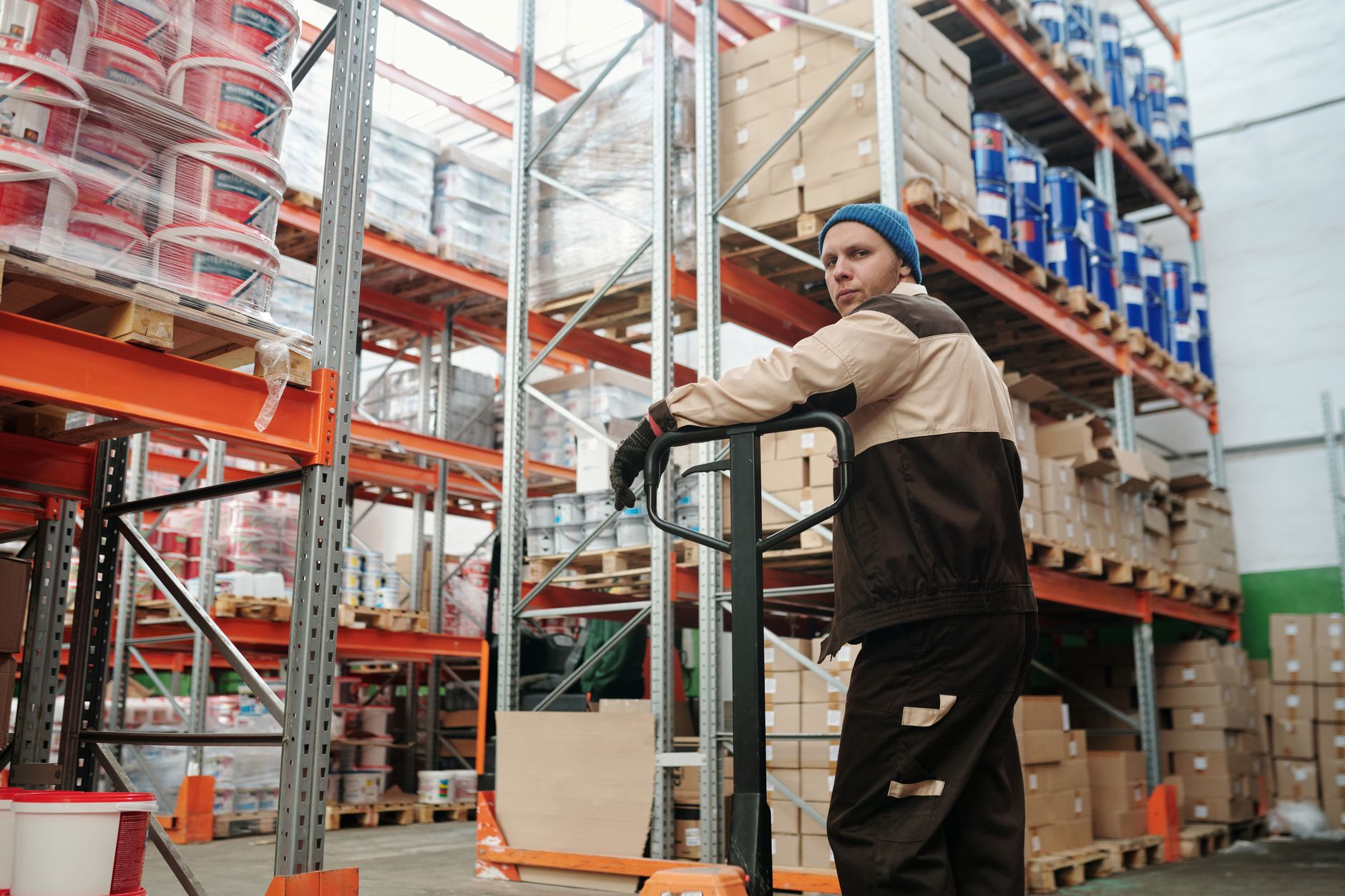
A sealed can still leaks if a lid seal fails, a pail handle catches a rack, or vibration cracks a corner stack. AMR top modules need side retention, low center of gravity, and speed limits that match coated concrete, not just the rated payload on the spec sheet.
Containment belongs on the floor as well as on the robot. Route AMRs over areas with curbs, graded drains, or spill pallets where your EHS team already stages response kits. Slow corners near labeling and weight-check stations so sudden stops do not walk a partial pallet.
For mixed-height loads, use fixturing that references the can diameter and pail footprint your line actually runs. A recipe that works for one quart SKU can tip when a five-gallon pail rides on the same cart without a revised clamp profile.
Where does production tracking pay off?
Manual transport hides latency. A batch may sit on a pallet in a corridor while cure windows slip, and planners only see the gap when racks fill or carriers miss a pickup.
Tie each AMR mission to batch ID, line, fill time, and target cure or staging lane. When the robot acknowledges pickup and drop, MES or WMS timestamps close the loop without a clipboard at the line exit.
That data also supports recall discipline. If a label check fails downstream, you know which moves touched the lot and which staging lane holds affected stock.
What do injury reports say about manual material handling?
Manufacturing still reports a heavy share of severe injuries. Federal OSHA severe injury reporting counted about 3,213 manufacturing incidents in 2024, a rate of 25.8 cases per 100,000 full-time workers, down from a 29.6 nine-year average but still a large absolute count.
In the same 2024 injury and illness summary, OSHA identified 550 manufacturing incidents involving robots in narrative data, with many tied to cleaning and maintenance rather than transport. That is a reminder that AMRs reduce fork and walk exposure only when lockout, maintenance, and teach-mode discipline stay as strict as on any other industrial machine.
Replacing repeated can-and-pail walks with a scheduled AMR loop targets musculoskeletal strain and struck-by risk near busy fill exits, especially on second and third shifts when staffing thins out.
How should you phase a pilot without stopping production?
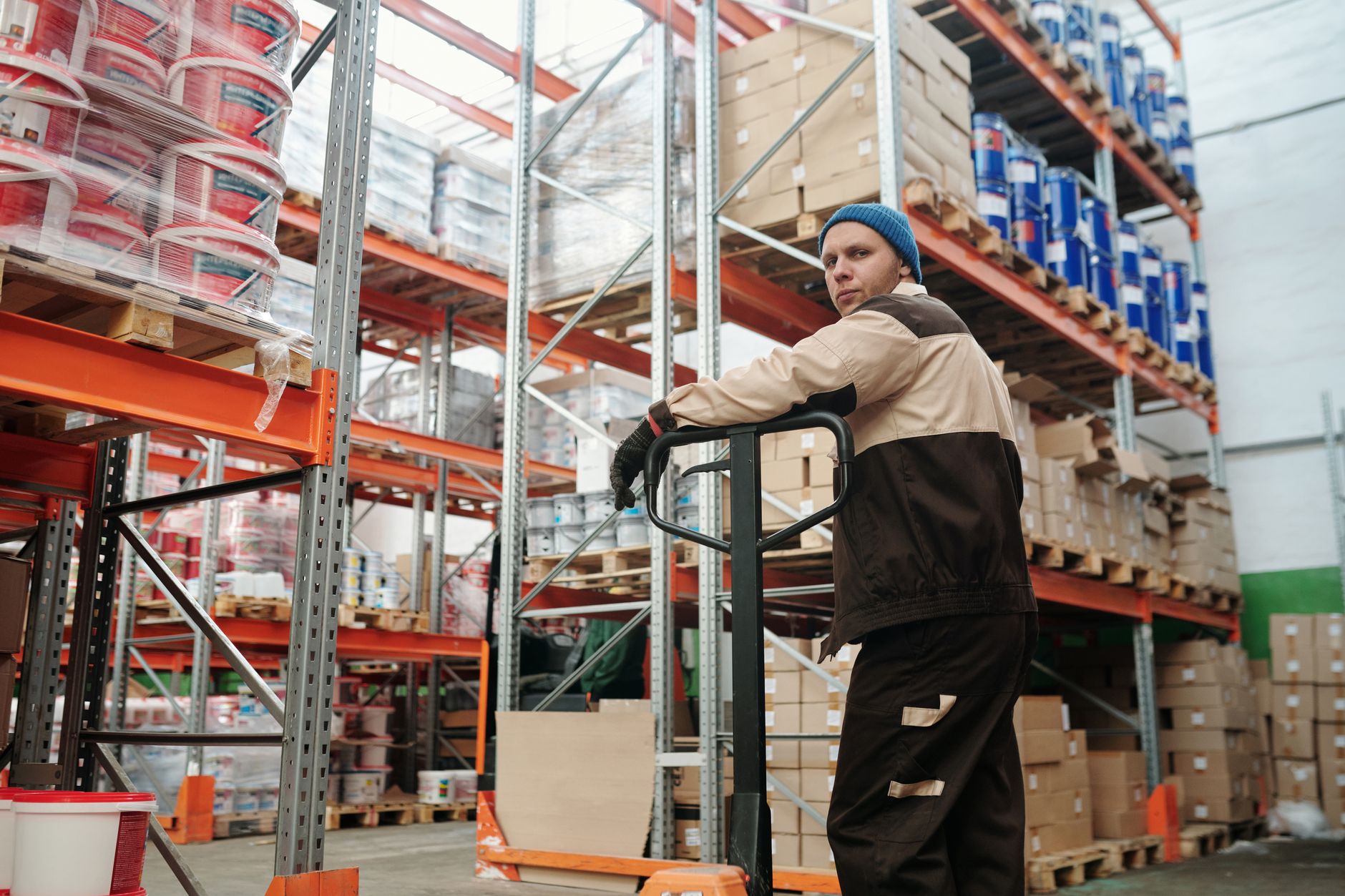
Start with one line exit to one cure bank or staging lane during a stable SKU week. Run parallel manual backup for the first two weeks so operators trust exception handling.
Validate stopping distance on your actual floor, including the thin coating dust and occasional solvent tracking that appear near fill. Test Wi-Fi handoffs at oven vestibules and cold-storage doors if those sit on the path.
Expand only after spill drills, fire-watch rules, and emergency stop locations are updated in the written robot SOP. Night shift needs the same maps and permissions as day crew.
Where does Service Robot Co. fit a coatings rollout?
Coatings plants rarely fail on hardware selection alone. They fail when financing, hazardous-area documentation, fleet software, and service coverage are split across vendors.
Service Robot Co. acts as an OEM-neutral integrator: compare AMR form factors for your loads, structure monthly programs if capex is tight, map routes with your EHS and production leads, and attach a nationwide field service plan so a down unit on Friday night does not idle cure space.
A free site assessment is the practical first step. Walk fill to staging with your team, mark classified boundaries, and decide whether the first win is pail loops, pallet shuttles, or both before you scale fleet-wide.