
Key takeaways
- Transport the tire on a recipe-matched carrier that supports its shape without concentrated pressure.
- Track the tire, carrier, route, dwell time, press assignment, and exception state as one digital record.
- Dispatch by press compatibility and process limits, then apply FIFO within the eligible group.
- Treat interruptions as controlled holds with inspection rules, not as permission to clear the queue quickly.
What protects an uncured tire in transit?
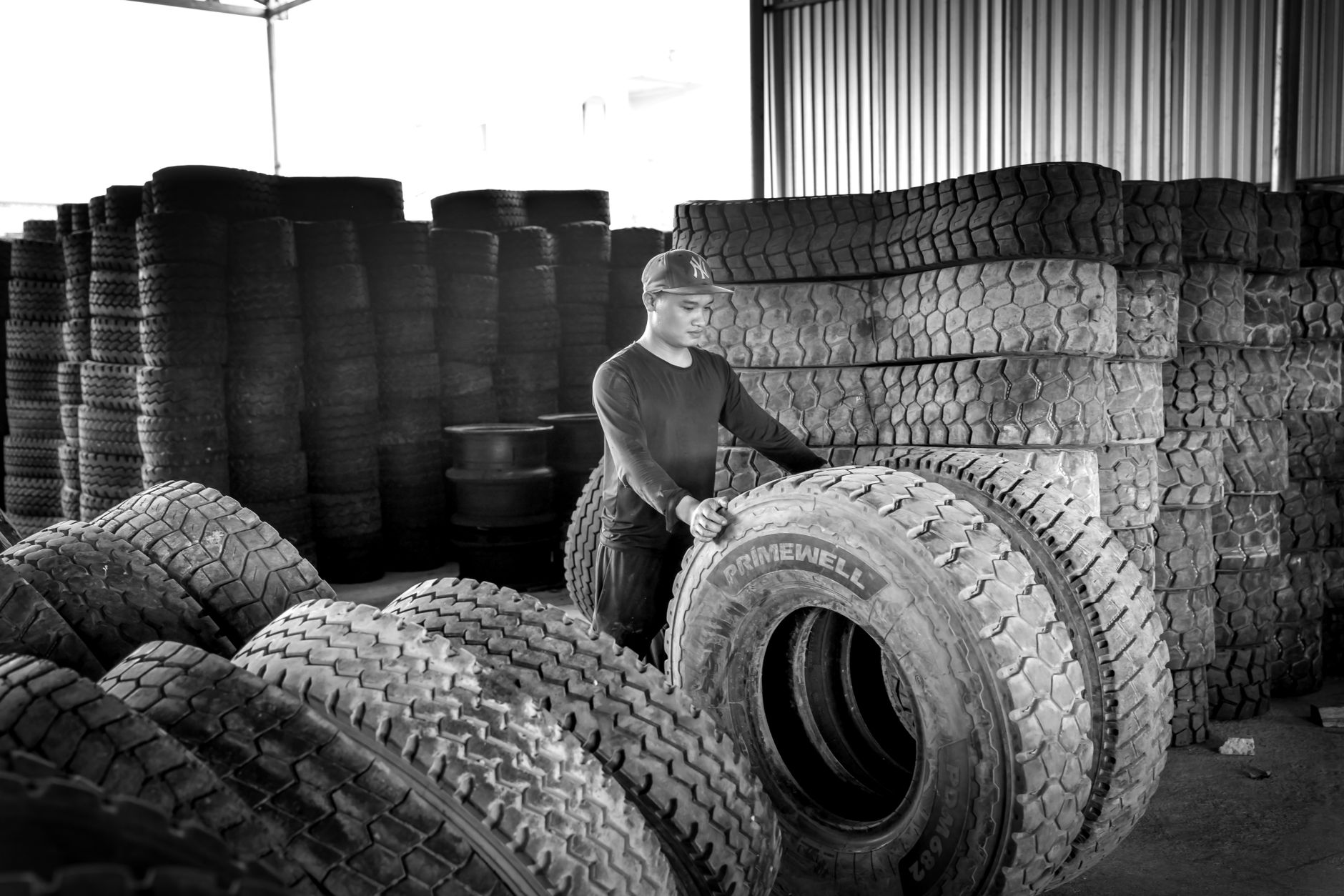
A purpose-built autonomous mobile robot can move a green tire from assembly to curing without deformation when the load system supports the tire continuously, limits acceleration and shock, and avoids repeated gripping. The AMR must be designed around the uncured product. A standard cart carrying tires by the bead or resting them against hard rails is not enough.
The distinction matters because the green tire has not acquired its final, shape-holding structure. A European Patent Office filing on automated green-tire conveyance describes curing as the thermally induced change that produces firm, stabilized rubber. The same document identifies manual loading and unloading as a potential source of damage before that step.
The preferred handling chain is simple: build the tire, identify it, place it on a dedicated carrier, move the carrier through controlled buffer positions, and present it to the correct press loader. Fewer transfers mean fewer opportunities to pinch a sidewall, distort a bead, smear a tacky surface, or lose the tire's required angular orientation.
- One tire remains associated with one carrier until the press accepts it.
- Motion profiles are assigned by tire family, mass, carrier geometry, and route condition.
- Press handoff occurs only after identity, orientation, and press-readiness checks pass.
- Every rejected handoff returns to a known hold location rather than an arbitrary open space.
The carrier is the real product interface
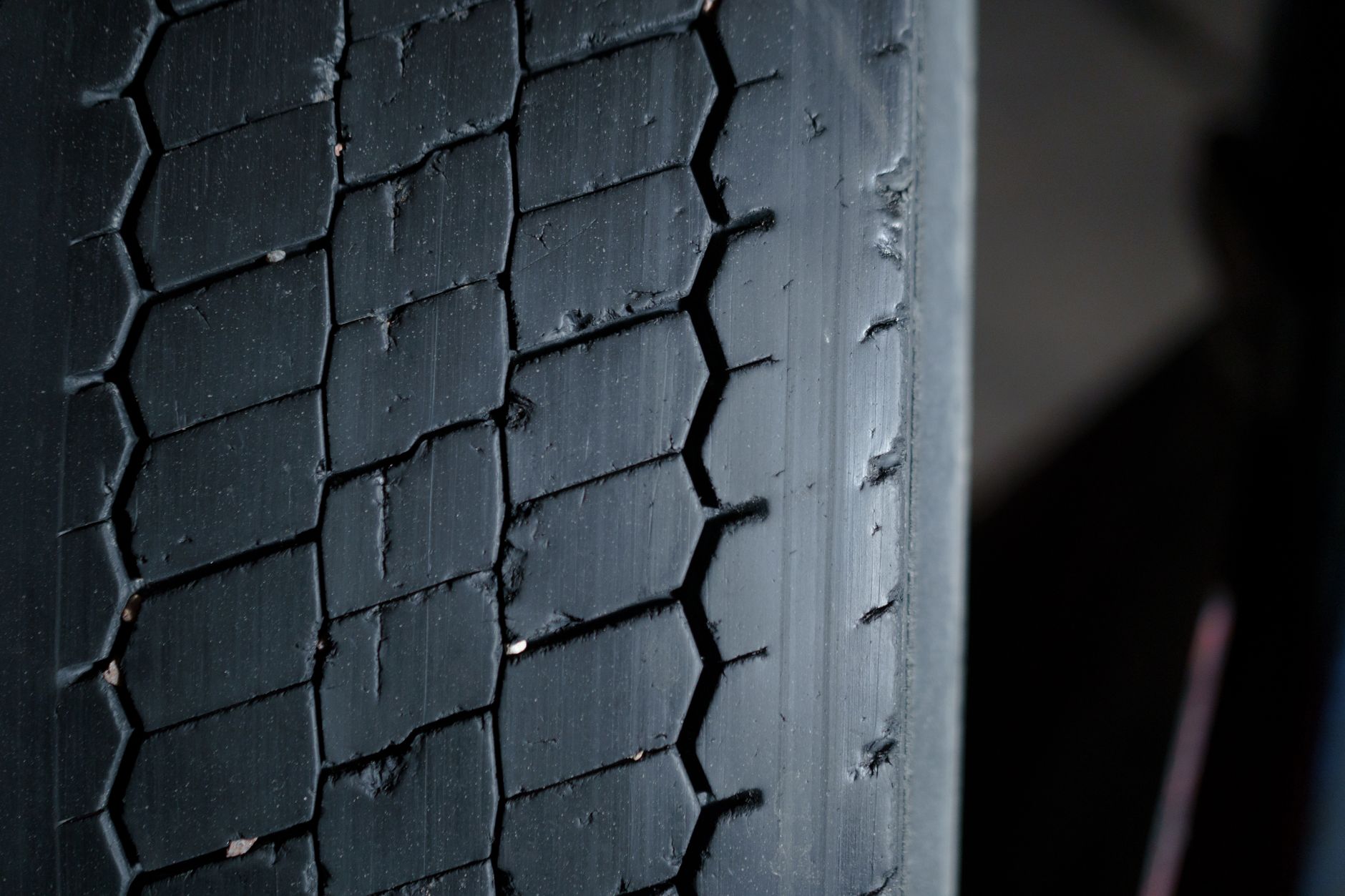
Carrier geometry should come from the plant's tire envelope, not from the AMR catalog. The support should distribute load across approved regions while preserving the bead opening and avoiding localized contact with tread splices, sidewall features, labels, or uncured surfaces that can pick up contamination. Replaceable inserts can accommodate several tire families without making one compromise cradle serve every SKU.
Mechanical details deserve equal scrutiny. The carrier needs positive location on the AMR, repeatable docking datums, cleanable contact surfaces, and retention that does not squeeze the tire. Low-friction contact may ease unloading, but an excessively slippery liner can let the tire creep during braking. Material compatibility must be approved by process engineering because oils, fibers, dust, and cleaning chemicals can all become quality problems.
Specify maximum acceleration, deceleration, jerk, floor-transition speed, and allowable tilt using instrumented trials. The governing limit is not simply whether the tire stays aboard. It is whether dimensional checks, bead position, splice condition, surface cleanliness, and press-loading repeatability remain inside the plant's quality limits after the worst validated route.
- Gauge the carrier against minimum and maximum tire dimensions for each approved family.
- Test emergency stops and threshold crossings with the least stable qualified load.
- Use poka-yoke features so an incompatible insert or carrier cannot be dispatched.
- Define inspection and replacement criteria for worn liners, bent frames, and contaminated supports.
How should each tire be traced?
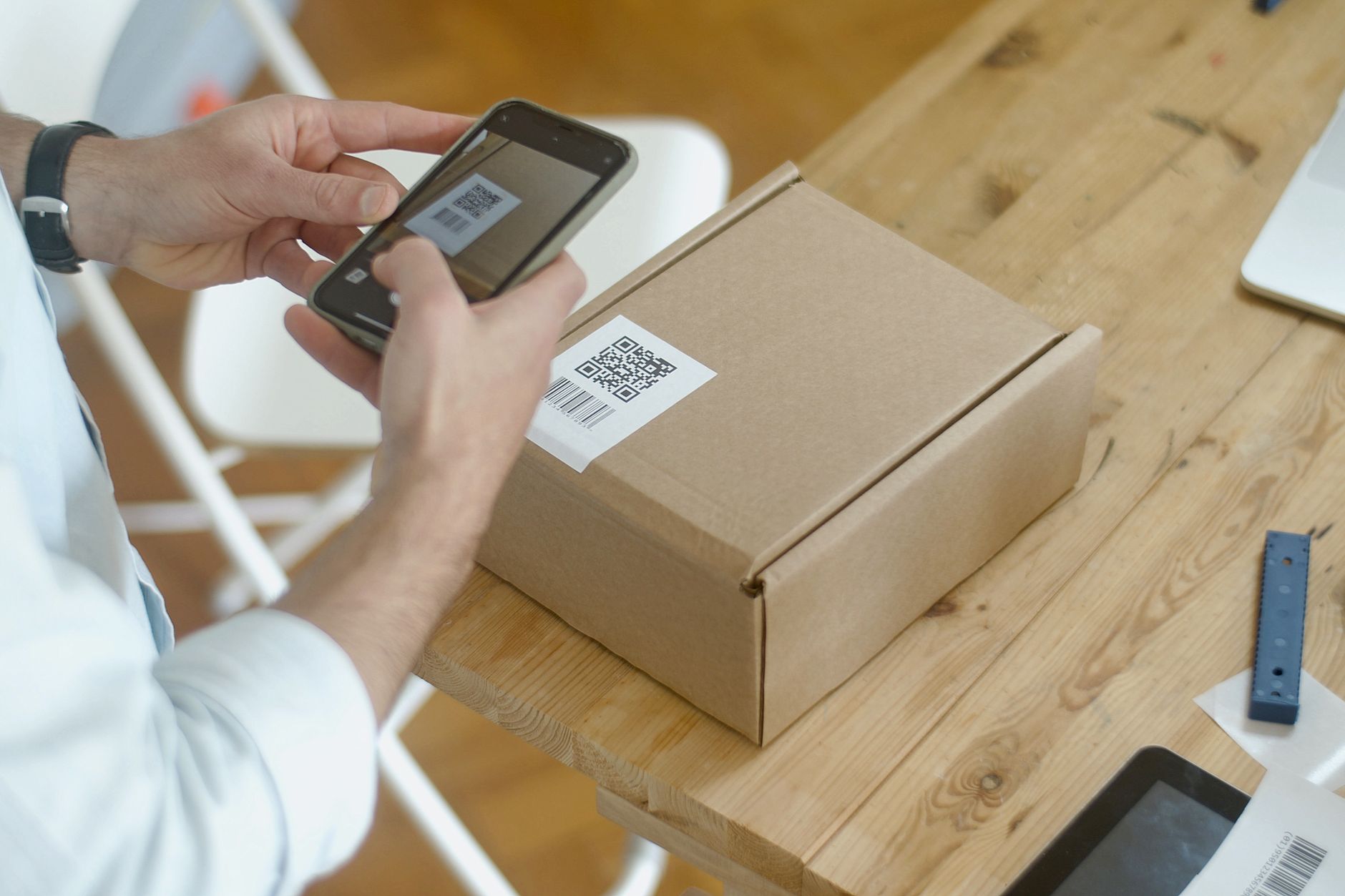
Create the work-in-process identity when the tire leaves the building machine. Bind that ID to the recipe, component lots, build timestamp, carrier ID, AMR mission, buffer location, target press, mold or cavity, and each exception. Barcode, RFID, or machine-readable carrier identification can perform the capture, but every handoff needs confirmation rather than an assumed location update.
Do not confuse this record with the finished tire's regulatory identity. A 2023 National Highway Traffic Safety Administration study explains that the standardized Tire Identification Number is 13 characters for new tires and contains a plant code, a six-character manufacturer code, and a four-digit week-and-year date code. That supports recall identification, but it does not replace second-by-second WIP genealogy and routing inside the plant.
A reliable control rule requires agreement among three identities before motion: the physical tire, its carrier, and the electronic production order. A mismatch sends the load to a staffed exception lane. It never gets corrected by editing a database merely to make the screen agree with the floor. This event history later reveals excessive dwell, repeated rerouting, contamination exposure, and recurring transfer faults.
- Record confirmed pickup and drop-off timestamps, not just mission creation and completion.
- Preserve the last physically verified location when communications fail.
- Link manual moves to an authenticated operator and reason code.
- Keep quality disposition separate from transport status so a movable tire is not mistaken for a releasable tire.
Queue control should protect quality and press output
The curing buffer is more than parking. It decouples variable tire-building output from press demand while ensuring that each press receives an eligible tire. The European Patent Office document describes this buffer as protection against assembly slowdowns and as a way to keep presses supplied with the required tire types.
Pure FIFO is often too crude. The controller should first filter by recipe, mold and press compatibility, orientation, quality-release state, and plant-defined maximum dwell. It can then apply FIFO within that eligible set. This prevents an older but incompatible tire from blocking a press while still controlling age among tires that can actually run.
Use pull signals from the press loader, short reservations, and explicit acknowledgments. A reserved tire should not be offered elsewhere unless the reservation expires or the press releases it. Queue limits should also stop upstream building before carriers, safe buffer positions, or validated dwell capacity are exhausted. That is disciplined repetitive transport automation, not traffic movement for its own sake.
- Prioritize quality holds and maximum-dwell warnings before routine dispatch work.
- Model each press cavity separately when tooling or availability differs.
- Maintain protected recovery capacity instead of filling every buffer position during normal production.
- Display starvation risk, blocked missions, oldest eligible tire, and carrier availability to supervisors.
How close should an AMR operate to curing heat?
According to the U.S. Environmental Protection Agency, passenger tires are typically cured for 20 to 60 minutes at 100°C to 200°C using heat applied through the mold and bladder. Those are process temperatures, not permission for an AMR to sit beside a press. Ambient air, radiant heat, steam leakage, hot surfaces, and dwell duration must be measured along the actual route and at every waiting point.
Set component limits for the battery, controls, safety scanners, tires, seals, wiring, and carrier materials. Then create a thermal map for normal production, summer conditions, press opening, cleaning, and abnormal waits. Place dispatch holds outside radiant zones, shorten press-side residence, and use shielding or insulation where the risk assessment supports it.
OSHA recommends mechanical equipment to reduce manual work around heat and identifies reflective shields, hot-surface insulation, ventilation, and steam-leak elimination as engineering controls. OSHA also recommends wet bulb globe temperature measurement because it accounts for temperature, humidity, radiant heat, and air movement. AMRs reduce carrying effort, but they do not eliminate the need to assess technicians, press operators, and recovery staff.
- Log temperature alarms with the tire ID, carrier ID, location, and exposure duration.
- Move a waiting AMR back to a cool hold point when a press misses its acceptance window.
- Inspect shielding for damage and keep scanner windows free of heat-related residue.
- Validate battery charging away from press heat and steam unless the equipment is rated for that location.
What happens after production stops?
A production interruption should freeze identities and preserve physical truth. When a press faults, the controller cancels or suspends unaccepted missions, retains each tire's elapsed dwell, and sends loaded AMRs to defined hold points. A tire already inside an interlocked handoff zone stays there until the press and transport controls establish a safe recovery state.
Recovery must distinguish a brief press pause from a plantwide power loss, network outage, fire alarm, blocked aisle, or quality containment. Each event needs its own release authority. Tires that exceed plant-approved dwell, temperature, contamination, or deformation criteria move to quarantine. The fleet controller must never infer that a tire remains usable simply because the AMR recovered.
Restart in measured waves. Confirm press readiness, reconcile every tire and empty carrier, release the oldest eligible loads, and meter upstream building until the buffer returns to its normal range. Dumping all suspended missions back into robot fleet management at once can create intersections full of traffic, stale reservations, and incorrect press arrivals.
- Safe stop: secure the load and preserve the last verified state.
- Reconcile: compare physical tire, carrier, buffer, and press records.
- Disposition: release, reroute, inspect, or quarantine under named authority.
- Controlled restart: meter missions by press demand and available recovery space.
What should an AMR pilot prove?
A useful robot pilot program tests the hardest qualified tire family, longest route, busiest intersections, hottest waiting position, maximum approved dwell, and credible failure cases. Measure carrier deflection, tire dimensional change, handoff accuracy, scan success, mission time, blocked time, thermal exposure, exception rate, and manual touches. A successful lap around an empty plant proves very little.
Safety validation should cover the complete system and operating zone. ISO 3691-4:2023 specifies safety requirements and verification for driverless industrial trucks, explicitly including autonomous mobile robots, and notes that operating-zone conditions significantly affect safe operation. Add plant-specific risk assessment for press-loader interlocks, pinch points, mixed traffic, dropped loads, degraded communications, and manual recovery.
Service Robot Co. approaches this as robot deployment and integration rather than a chassis sale. As an OEM-neutral, vendor neutral robot integrator for U.S. businesses, the company can compare autonomous mobile robot leasing, AMR leasing, material handling robot leasing, manufacturing plant robot leasing, and purchase paths. It then handles mapping, carrier and controls integration, training, go-live support, RoboCare™ service programs, remote triage, and on-site dispatch through a nationwide U.S. engineer network.
That one-partner model is valuable when the carrier fabricator, fleet software, press controls, safety system, and selected AMR come from different manufacturers. A free site assessment can establish the tire envelope, flow map, thermal zones, exception lanes, and integration scope before equipment is chosen. Phased deployment with no shutdown can then start with one assembly-to-buffer lane before expanding into a broader AMR fleet deployment.
- Require zero identity mismatches during the acceptance run.
- Test blocked aisles, failed scans, unavailable presses, network loss, and emergency stops.
- Compare tire quality before and after transport using the plant's approved inspection method.
- Approve production expansion only after operators demonstrate manual hold and recovery procedures.