
Key takeaways
- Build one closed tote loop with controlled handoffs at receiving, storage, prep, packaging, and washing.
- Protect the cold chain with sealed totes, measured product temperatures, dwell timers, and exception routing.
- Treat washdown and allergen rules as hard route permissions, not preferences in the dispatch queue.
- Size the fleet against peak production waves and blocked-route tests, not daily average move volume.
What should the automated flow look like?
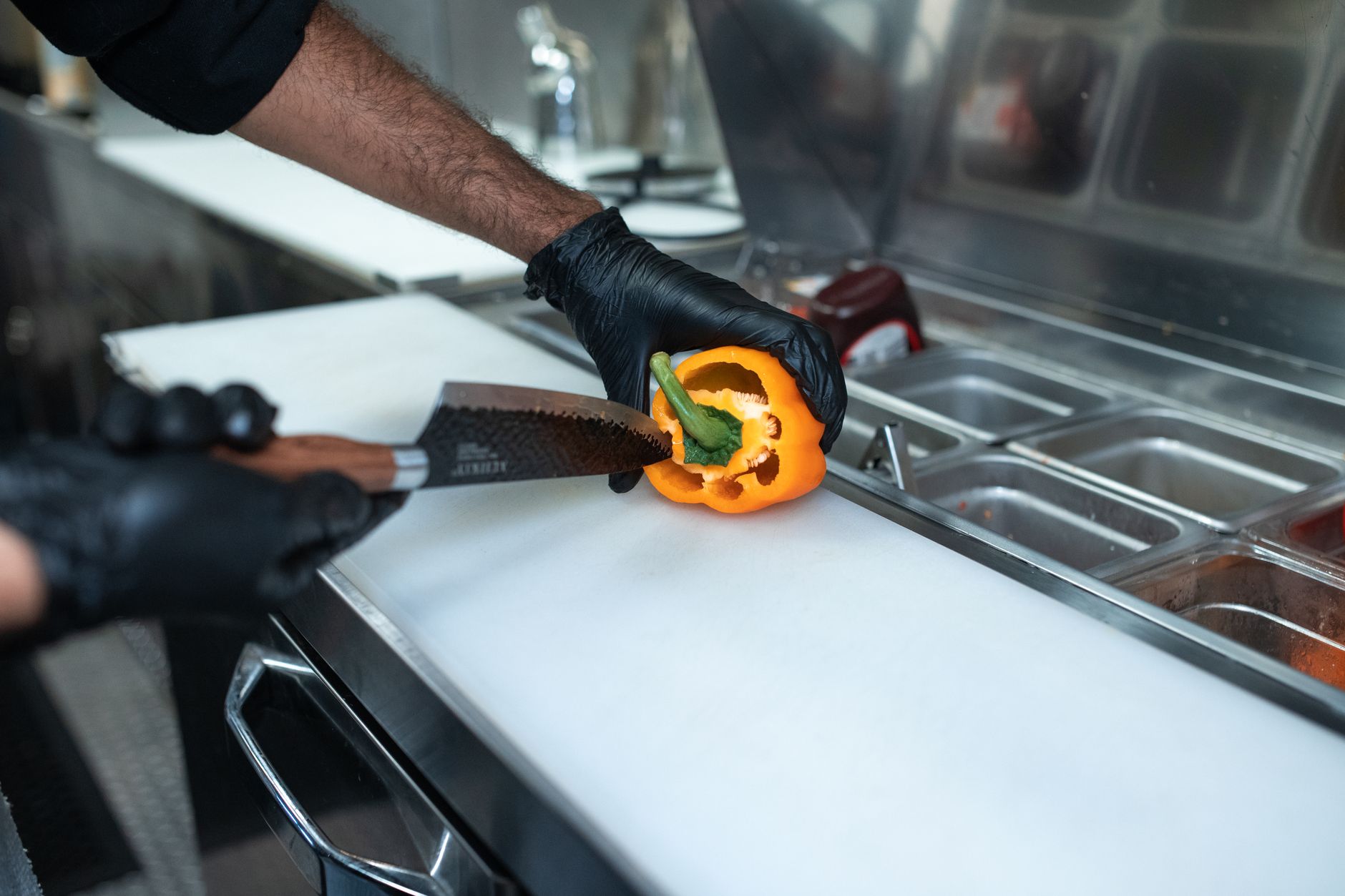
Centralized kitchens can automate ingredient-tote movement by treating receiving, cold storage, prep, packaging, and empty-tote return as one closed transport loop. Autonomous mobile robots, or AMRs, carry sealed and identified totes between fixed handoff points. Employees remain focused on inspection, preparation, quality checks, and line work.
The operating design must do more than move containers. It must preserve temperature limits, prevent allergen cross-contact, respect wet sanitation areas, and send the most urgent tote first. Those controls belong in route permissions and dispatch logic, not in a binder that the fleet cannot interpret.
A good loop begins with a receiving scan, sends accepted ingredients to the correct storage zone, releases them to prep against the production schedule, and moves completed batches to packaging. Empty totes then travel through a segregated return and wash cycle before becoming available again.
How do tote handoffs become dependable robot jobs?
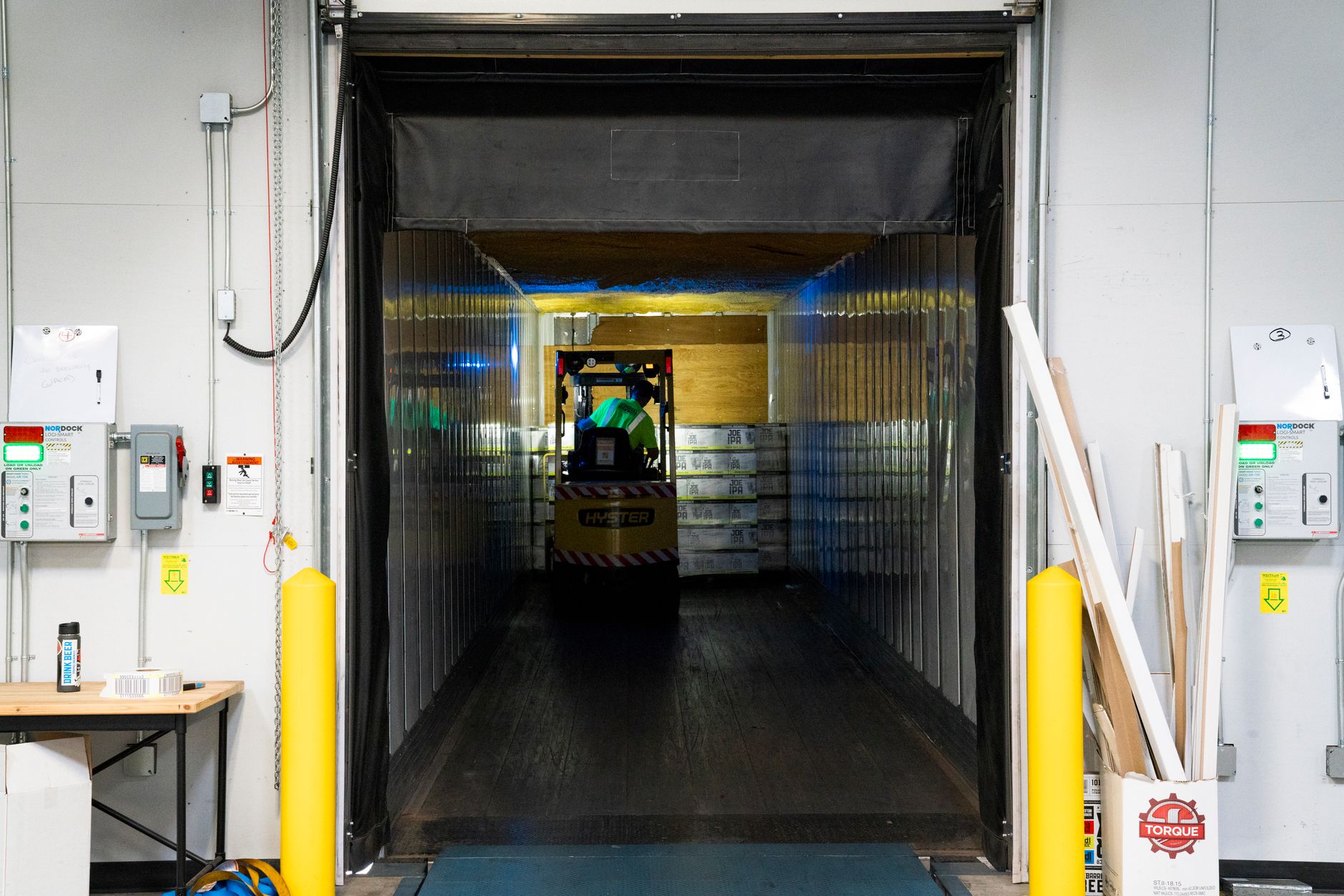
Every origin and destination needs a clearly marked exchange position with enough room for the tote, robot, and nearby employees. Receiving inspection, cooler staging, prep cells, packaging lines, and clean-tote storage should each publish a simple state such as ready, occupied, blocked, or released.
The tote identity should travel with the load. A barcode or radio-frequency scan can associate the tote with its ingredient, lot, allergen class, temperature requirement, destination, and production order. Scanning again at delivery closes the chain of custody and exposes a wrong-zone move before the tote is opened.
The production or inventory system should create jobs only when the destination has capacity. Otherwise, repetitive transport automation merely moves congestion from one aisle to another. Full locations, rejected ingredients, quality holds, and missing scans need explicit exception destinations rather than improvised parking spots.
How should AMRs protect temperature control?
An AMR transports the cold chain. It does not create it. Use lidded or insulated totes where the hazard analysis calls for them, minimize time outside controlled storage, and measure the food or validated tote condition rather than assuming that cool room air proves compliance.
The FDA Food Code sets cold holding for time and temperature control for safety food at 41°F or less and hot holding at 135°F or above. For cooked food being cooled, the Code calls for movement from 135°F to 70°F within 2 hours and to 41°F or less within 6 total hours. The Food Code is a model adopted by jurisdictions, so the applicable local code and food-safety plan still govern.
Timestamp release, pickup, arrival, and acceptance. If a tote approaches its approved dwell limit, the fleet should raise its priority, bypass ordinary replenishment work, or divert it to a defined temperature-check location. A delayed or out-of-limit tote should enter a quality-hold workflow, never silently rejoin production.
Where should the washdown boundary sit?
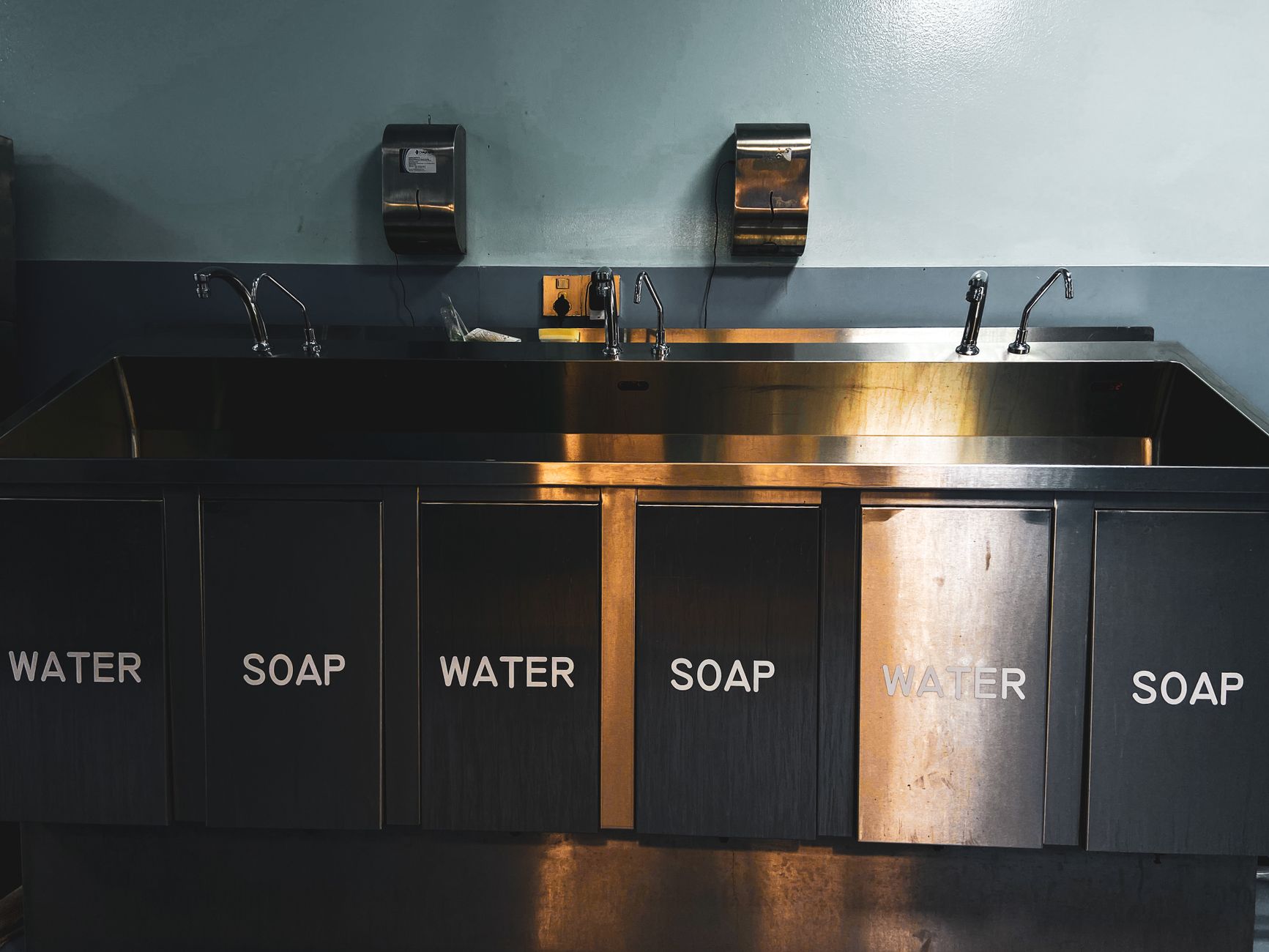
Draw sanitation boundaries before mapping routes. A standard warehouse AMR should remain in a dry transfer zone unless the complete machine, attachments, sensors, connectors, battery interfaces, and charging equipment are approved for the facility's cleaning chemicals, spray pressure, temperature, and sanitation method.
Ingress protection alone is not proof of hygienic design. Food operations also care about cleanability, trapped soil, corrosion resistance, drainage, chemical compatibility, and access for inspection. A practical layout places a dry dock or staging table at the edge of the wet area, where staff or wash-compatible equipment transfers the sealed tote.
Robot routes should stay clear of foam, standing water, hoses, floor squeegees, and active sanitation crews. After a spill, the fleet needs a blocked-zone command and a documented release step. The AMR chassis is normally a non-food-contact surface, but it still requires a sanitation schedule that prevents wheels or bodywork from carrying soil into controlled areas.
How can tote traffic reinforce allergen segregation?
Federal law recognizes nine major food allergens: milk, eggs, fish, crustacean shellfish, tree nuts, peanuts, wheat, soybeans, and sesame. Facilities covered by FDA preventive-control requirements must use written procedures, where applicable, to control allergen cross-contact and finished-product labeling.
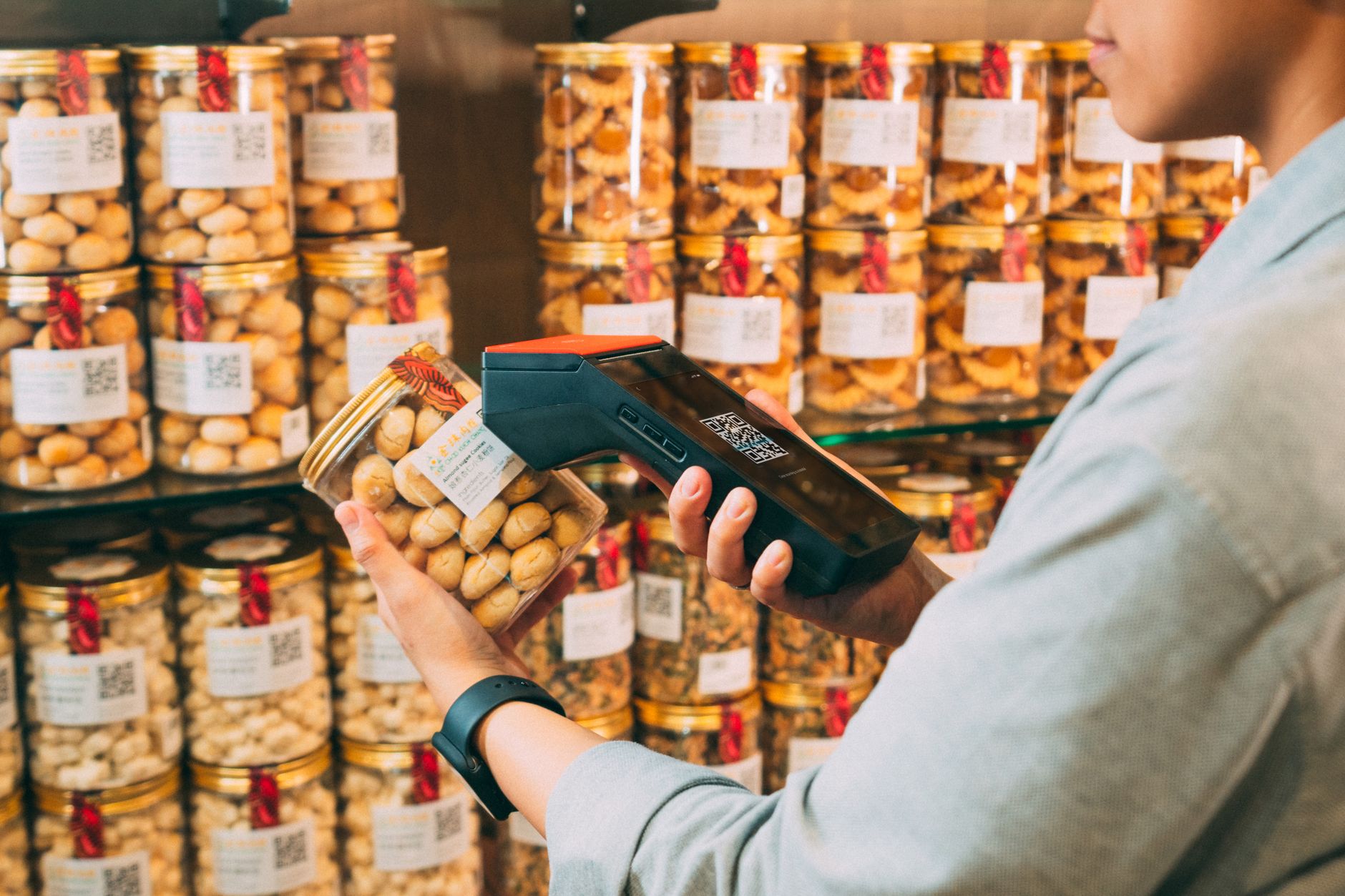
Translate that program into tote and route controls. Dedicated tote pools offer the clearest separation. Where totes are shared, the system should require a completed cleaning status, inspection release, and identity scan before reassignment. Color can help employees recognize a class, but color alone is not a dependable control.
Set restricted storage bays and approved travel corridors for allergen-containing material. Prevent an AMR from delivering an allergen tote to an incompatible prep cell, and reconcile tote identity with the packaging label before release. Production sequencing, including placing allergen runs later when appropriate, should also govern transport orders and clean-tote availability.
Which tote should move first?
First-in, first-out is too blunt for a commissary. Dispatch should begin with hard constraints: destination permission, allergen compatibility, sanitation-zone status, load condition, and available capacity. Only eligible jobs should enter the priority queue.
Within that queue, a useful order is:
- Food-safety exceptions and totes approaching validated temperature or dwell limits
- Ingredients needed to prevent an active prep or packaging line from stopping
- Finished batches tied to imminent route-loading or customer dispatch cutoffs
- Accepted receiving loads that must clear docks or enter controlled storage
- Empty-tote returns, routine replenishment, charging, and other deferrable work
What must a commissary pilot prove?
Size an AMR fleet from peak production waves, not average daily volume. Record move requests, travel time, pickup delay, destination blocking, manual interventions, and tote dwell during the busiest receiving, prep, and packaging periods. Then model charger access and reserve capacity around those peaks.
A commercial robot pilot program should test the actual cold room, doorways, condensation, wet-floor conditions after sanitation, blind intersections, crowded staging, and loaded tote stability. Deliberately block a route, interrupt communications, present a bad scan, close a destination, and simulate a spill. Recovery behavior matters as much as an ordinary delivery.
ISO 3691-4:2023 covers safety requirements for driverless industrial trucks, including AMRs. The standard expressly excludes added hazards from freezer applications and specific hygienic requirements, so a food facility still needs application-specific safety and sanitation assessments. Train employees on crossings, emergency stops, fault recovery, manual movement, and the rule that no one rides or reaches onto a moving unit.
Choosing and supporting the fleet
The right robot depends on tote weight and geometry, floor traction, cold exposure, sanitation boundaries, travel distance, door controls, traffic density, and required handoff method. OEM-neutral selection matters because no single machine profile fits every commissary material flow.
Service Robot Co. acts as one vendor for the whole lifecycle. The team assesses the site, selects equipment across manufacturers, arranges financing, deploys and integrates the fleet, trains employees, and services every unit through a nationwide US engineer network. That structure can support a purchase, AMR leasing, material handling robot leasing, or monthly payment program without splitting responsibility among several vendors.
Site assessment mapping should connect physical routes with food-safety controls and production data. After go-live, robot fleet management should track blocked destinations, repeated manual recoveries, temperature exceptions, and missed dispatch targets. Those records show where the process needs adjustment and where an additional unit would actually earn its place.