
Key takeaways
- AMRs work best when they move verified, station-ready kits rather than loose material.
- Dynamic routes and controlled map revisions let a fleet adapt as large modules reshape the floor.
- Material-planning integration must handle priorities, cancellations, shortages, and kit revisions, not merely issue destinations.
- A representative pilot should prove route safety, delivery accuracy, recovery procedures, and schedule performance.
Where do AMRs fit in an off-site construction plant?
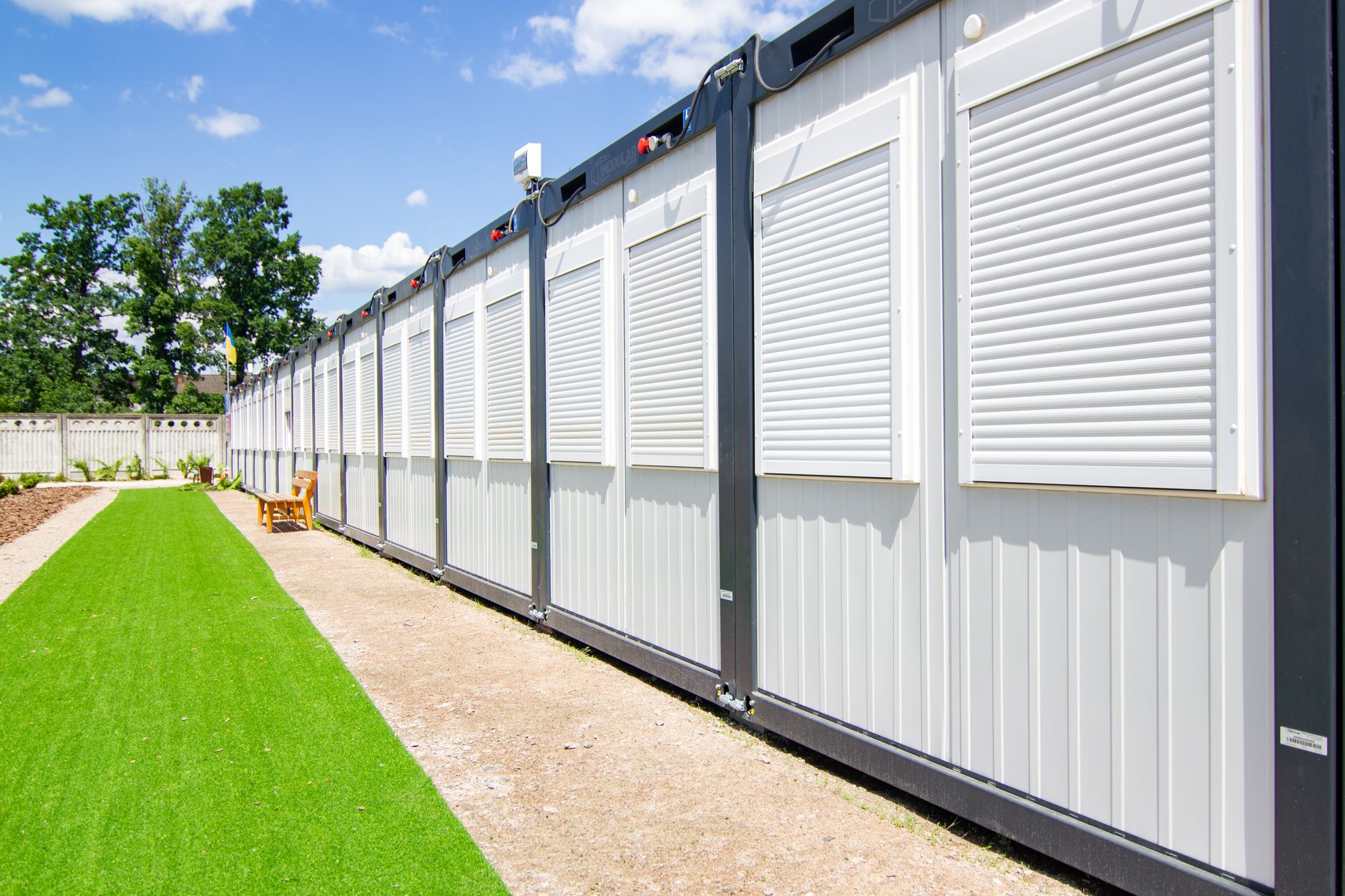
Autonomous mobile robots fit between the material supermarket and modular building stations, carrying fasteners, plumbing fixtures, electrical parts, sealants, tools, and other trade-specific kits. They remove repeated cart trips while allowing electricians, plumbers, finishers, and assemblers to remain at the module where their skilled time creates value.
The strongest application is scheduled, point-of-use replenishment. A kit is picked and verified upstream, assigned to a module and operation, then released to an AMR shortly before the crew needs it. The robot confirms delivery and returns an empty cart, reusable container, or exception load without turning the production aisle into storage.
This matters in a growing sector. The Modular Building Institute reports that the U.S. permanent modular construction market reached $20.5 billion in 2025, equal to about 5.1% of construction activity in selected segments, and forecasts 6.5% annual growth through 2030. More factory volume makes dependable internal logistics increasingly consequential.
- Fastener kits sequenced by framing, sheathing, or finish operation
- Trade carts containing labeled plumbing, electrical, HVAC, or fire-protection components
- Fixtures and appliances delivered in protective racks at the correct installation stage
- Consumables replenished by minimum quantity, scheduled call, or line-side scan
- Empty containers, rejected kits, and unused revision-controlled material returned through a defined reverse loop
Why should the kit become the basic unit of flow?
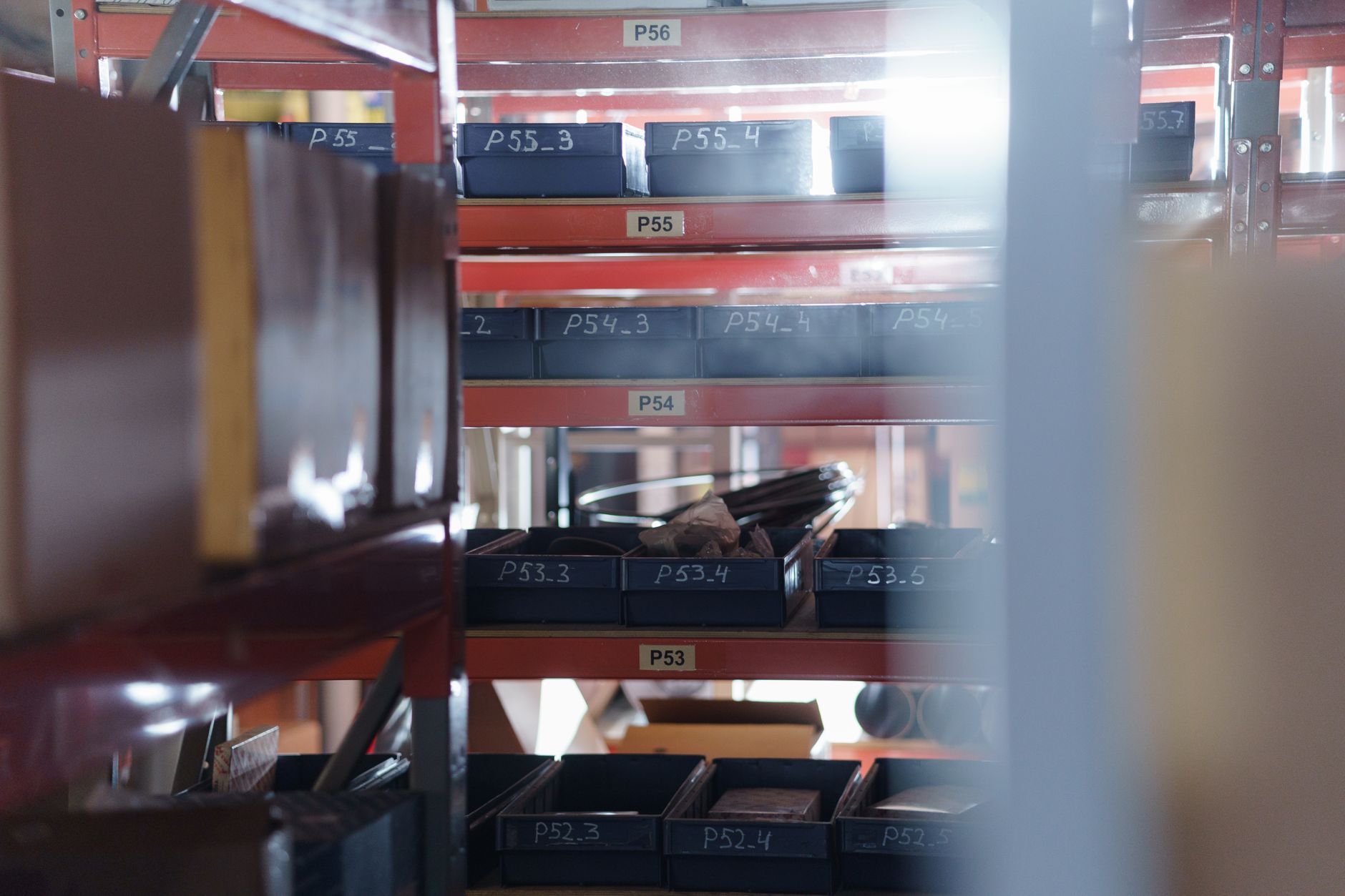
Loose-part delivery shifts sorting and verification onto the station. A better design treats each kit as a controlled production object with a kit ID, module ID, bill-of-material revision, destination, need-by time, handling class, and completion status. The AMR moves that object; it does not decide what belongs inside it.
Kits should match a bounded slice of work. A full-module electrical kit may be too large, arrive too early, and bury the first components needed. Smaller kits organized by wall, room, zone, or takt step reduce searching and make shortages visible before the robot is dispatched.
Container design is part of the automation. Totes need readable labels, stable centers of gravity, and positive retention. Fixtures may require padded racks. Long trim, conduit, or duct components need carts with enough ground clearance and a swept path that has been tested at corners, crossings, and station approaches.
What happens when the production schedule changes?
Schedule volatility is normal. A failed inspection, missing panel, late fixture, engineering revision, or urgent rework can resequence several stations within minutes. A fleet that simply executes yesterday's queue will deliver accurate material at precisely the wrong time.
The dispatch layer should consume current production status and apply explicit priority rules. Orders inside a short frozen horizon can proceed unless stopped for safety or quality. Later orders can be resequenced automatically. Canceled work should withdraw uncollected kits, while material already in motion should be routed to an approved buffer or returned to the supermarket.
Do not use emergency priority as a permanent operating mode. Track how often jobs are expedited, why they changed, and which stations caused queue instability. Frequent rush calls usually expose weak kit readiness, unreliable completion reporting, or insufficient buffer policy rather than a need for faster robots.
How should AMRs connect with material planning?
The integration should begin with one authoritative demand signal. The enterprise or material-planning system owns required quantities and revisions, the production system reports station readiness, and the warehouse or supermarket process confirms that the physical kit is complete. Fleet control should release transport only when those conditions agree.
Each mission needs more than a pickup and drop-off address. Pass the kit ID, production order, module, revision, load type, priority, need-by time, and permitted destination alternatives. Return timestamps for acceptance, pickup, arrival, handoff, cancellation, and exception. Those events reveal queue delay, travel delay, and station waiting as separate problems.
Building data can help maintain that chain. buildingSMART identifies IFC 4.3.2.0 as the latest official Industry Foundation Classes release and notes that it is also ISO 16739-1:2024. IFC will not dispatch a robot by itself, but stable identifiers shared across design, planning, and production can reduce the brittle manual translation between a building element, its kit, and its station.
- Block release when a kit scan does not match the active bill-of-material revision
- Define who may substitute parts and how the substitution follows the kit record
- Expose shortages before transport so an AMR does not carry incomplete work downstream
- Record the actual receiving station and recipient or automated handoff confirmation
- Feed repeated exceptions back into supermarket staffing, slotting, and replenishment rules
Safety depends on the operating zone
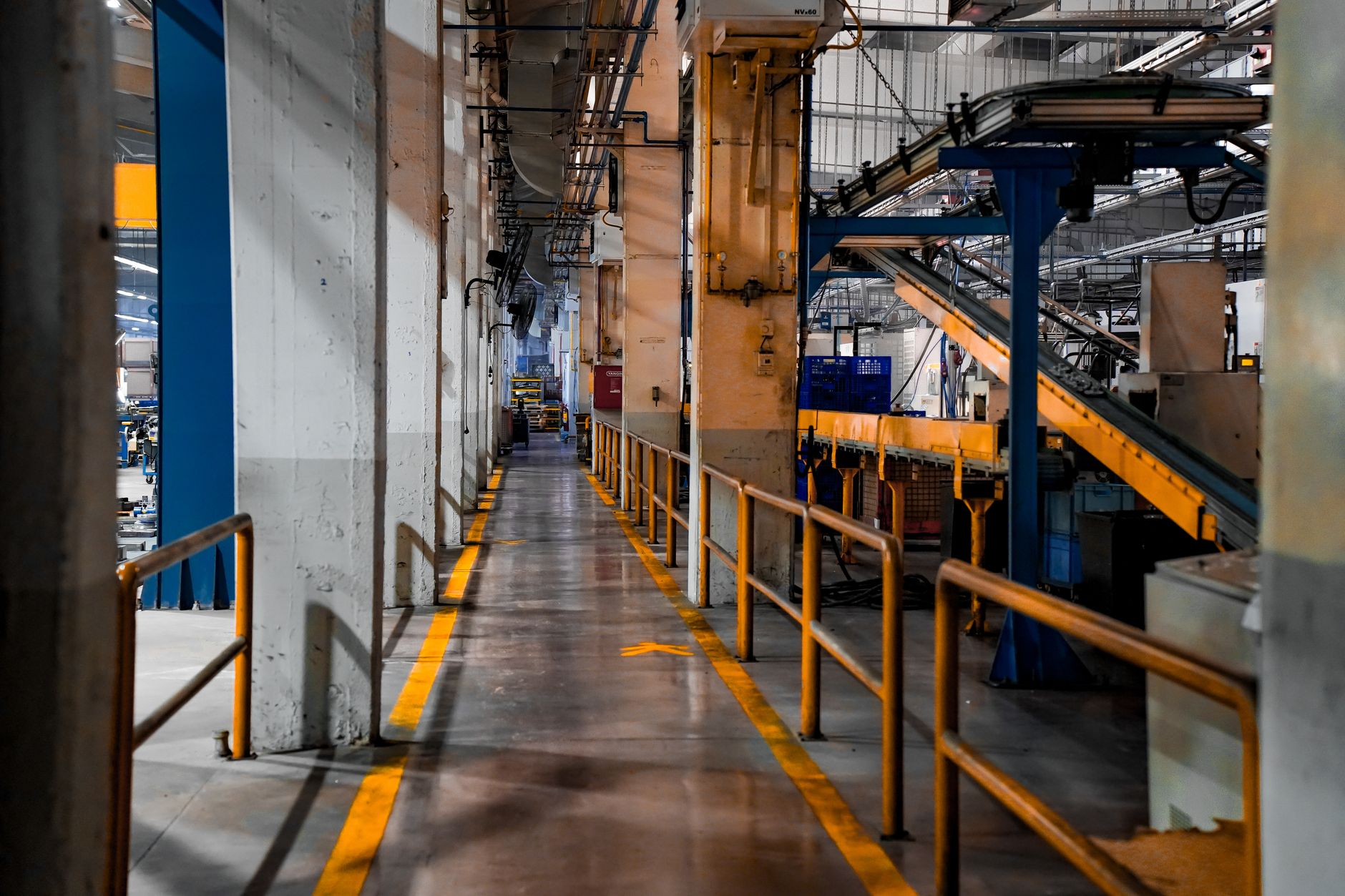
Robot specifications alone do not make a route safe. ISO identifies ISO 3691-4:2023 as the published safety standard for driverless industrial trucks and explicitly states that operating-zone conditions significantly affect safe operation. For a modular plant, the assessment must include workers emerging from modules, ladders, cords, carts, forklifts, cranes, blind intersections, reflective surfaces, and protruding loads.
OSHA's technical guidance covers industrial mobile robots and points U.S. employers toward relevant industrial mobile robot safety requirements. The practical work is site-specific: test protective fields with the intended payload, set intersection controls, define pedestrian behavior, verify emergency stops, and assess every automated handoff.
Oversized modules create occlusion. Where a wall section blocks sight lines, use controlled crossings, mirrors or sensing where appropriate, floor markings, warning devices, and reduced-speed zones. Training must also cover stalled robots, dropped objects, manual cart recovery, and the rule that nobody may ride, tow, or bypass protective devices.
Choose the load interface before choosing the robot
Payload capacity is only the opening filter. The harder questions concern load transfer, cart stability, docking tolerance, aisle geometry, and the human motion at each end. A shelf robot may suit small sealed totes. A lift-top platform can exchange compatible carts. A tug may move bulky fixture racks, but every additional cart increases stopping distance and swept-path complexity.
Test the ugliest representative load. Include an unevenly packed fastener cart, a tall fixture rack, the longest permitted train, and containers with realistic caster wear. Measure dock approach, retention, braking, floor-transition behavior, and the reach required from the receiving worker.
There is a strong ergonomic reason to examine these trips. OSHA's 2023 ergonomics guide, citing 2020 federal labor data, lists 33,100 manufacturing musculoskeletal-disorder cases involving days away from work and 70,730 cases among transportation and material-moving occupations. An AMR program should target high-frequency pushing, pulling, and carrying, then verify that handoff design does not merely move the strain to loading and unloading.
What should a modular-plant pilot prove?
Start with one supermarket, two or three contrasting stations, and a route that includes real congestion. Run actual trade kits across normal shifts and planned schedule disruptions. A polished demonstration on an empty aisle says little about production readiness.
Measure on-time kit arrival, correct-station delivery, missions completed without intervention, average recovery time, station waiting attributable to transport, empty-cart return time, and route blockage minutes. Segment results by load type and shift. An overall completion rate can hide a fixture cart that fails repeatedly while light totes perform well.
Service Robot Co. can conduct the site assessment mapping, select a robot that fits your floor across manufacturers, handle robot deployment and integration, train the workforce, and support the fleet through a nationwide U.S. engineer network. That OEM-neutral model is useful when kits require different payload formats or the plant wants one partner and one number across the lifecycle.
Commercial terms can follow the operational evidence. An autonomous mobile robot lease or AMR leasing may support a robot pilot program and try before you buy approach. Robot leasing for business, monthly payment programs, and material handling robot leasing can also preserve capital flexibility. Scope the agreement carefully so RoboCare™ service, remote triage, on-site dispatch, software integration, and replacement responsibilities are explicit.
Plan for a mixed fleet without surrendering control
A plant may eventually need compact tote carriers, lift platforms, and tugs from different manufacturers. The orchestration architecture should keep production priorities, traffic policy, and mission history above any single vehicle interface. That makes future capacity changes less disruptive and prevents station logic from being copied into several proprietary systems.
The Association of the Automotive Industry lists VDA 5050 version 3.0.0, published in March 2026, as its current communication interface between central control and mobile robots. An open protocol can help mixed-fleet planning, but support varies by implementation. Buyers should test the exact messages, actions, errors, and charging behavior they intend to use.
Service Robot Co.'s role as a vendor neutral robot integrator is to make those interfaces operational, then finance, deploy, train, and service every unit through one accountable relationship. The goal is not a showroom fleet. It is repetitive transport automation that keeps the current module, correct kit, and qualified trade synchronized as the plant changes around them.
Frequently asked questions
Sources
- Modular Building Institute 2026 U.S. market report announcement
- NIST prefabrication and modularization findings
- OSHA ergonomics guide for musculoskeletal disorders
- OSHA technical manual on industrial robot safety
- ISO 3691-4:2023 driverless truck safety standard
- VDA 5050 current interface specification
- buildingSMART Industry Foundation Classes standard
- OSHA warehousing standards and mobile robot references