Key takeaways
- AMRs fit sealed drum moves from storage to dosing areas when routes repeat and humans keep chemical connection duties.
- Secondary containment, spill kits, and wet-floor traction rules matter as much as robot payload ratings.
- Hazard communication stays human-led; robots carry sealed drums, not SDS interpretation or line hookups.
- Vendor-neutral integrators map zones, finance pilots, and service fleets on nationwide maintenance plans.
Should industrial laundries move chemical drums with AMRs?
Yes, when the job is moving sealed drums on a fixed route and your team keeps chemical hookup, verification, and spill response. Autonomous mobile robots excel at repeat transport from bulk storage to dosing alcoves, not at opening bungs or choosing titration adjustments.
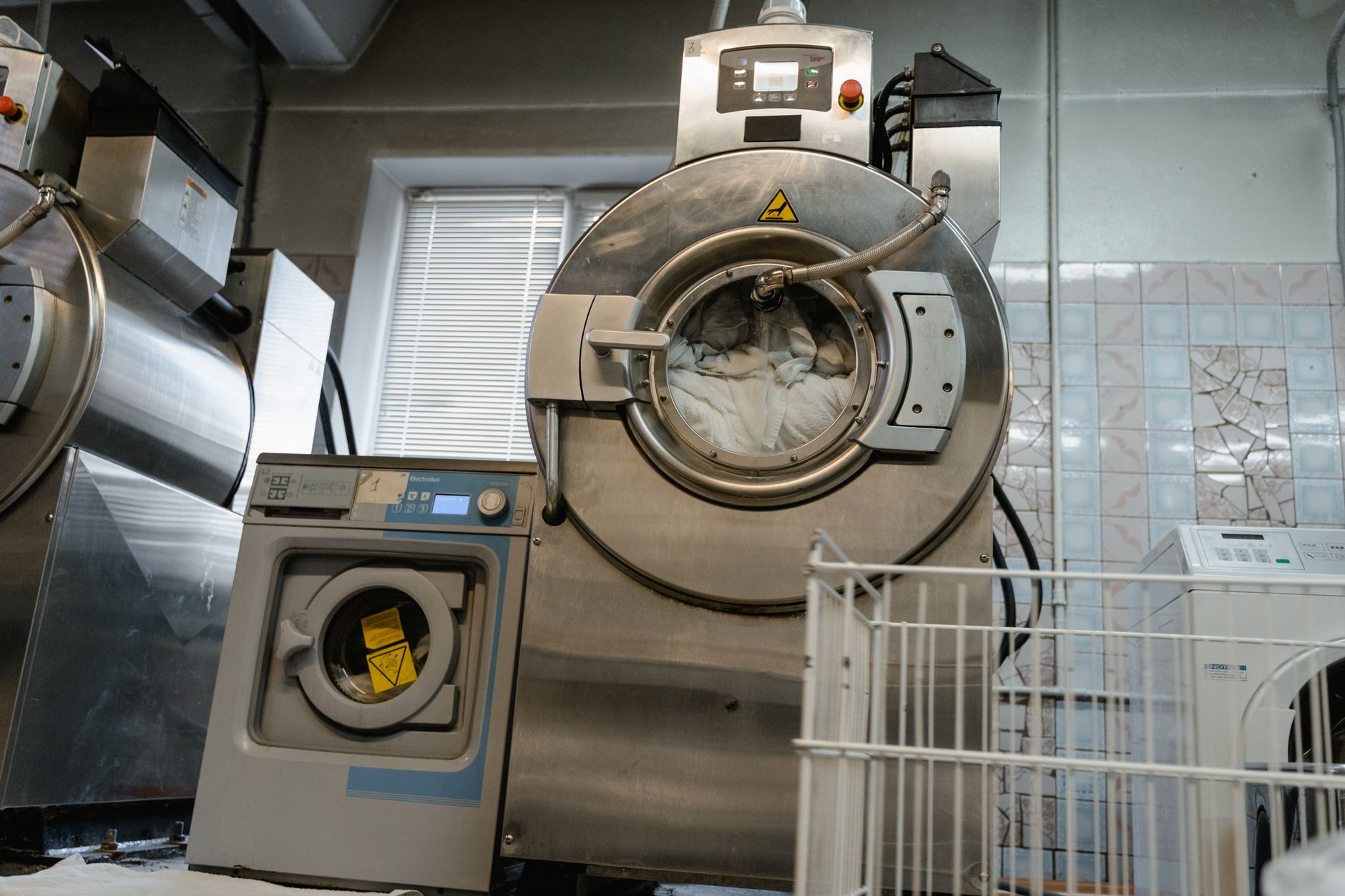
Industrial laundries run hot, wet, and chemically active floors. Detergent, alkali, sour, and specialty treatment drums weigh enough to strain backs during every shift change. An AMR with a rated drum cradle removes those walks while attendants stay on wash chemistry and quality checks.
The business case is labor and safety, not novelty. According to BLS May 2023 data, about 89,670 laundry and dry-cleaning workers were employed in drycleaning and laundry services nationally, at a mean wage near $15.17 per hour. Every hour spent wheeling drums is hour not spent on load verification, stain treatment, or machine troubleshooting.
What makes detergent drums different from linen carts?
Linens are bulky but rarely regulated as hazardous material in transit inside the plant. Sealed chemical drums carry concentration labels, DOT markings when applicable, and site-specific handling rules under your hazard communication program.
Drums also demand upright stability. A cart built for rolled goods can tip a 30 or 55 gallon container on a ramp or dock plate. AMR top modules need cradle restraints, a low center of gravity, and speed limits that match your floor joints.
Routes often cross wash aisles where steam, condensate, and tracked water create slick patches. That is acceptable only when the robot fleet enforces traction-tested speeds and your staff keeps mats and squeegee paths maintained.

How should secondary containment work on robot routes?

Treat every drum move as a potential drip source even when seals look intact. Storage bays should use curbed pallets or spill decks sized to the largest container on the route. AMR pickup and drop points need the same protection so a slow leak never reaches a floor drain unchecked.
Program mandatory pause points where operators visually inspect bung caps and label integrity before the robot enters a wash chemical room. If a drum shows swelling, rust-through, or label damage, the unit stays quarantined and manual handling follows your written spill plan.
Spill kits and neutralizers belong at both ends of the route, not only at bulk storage. Robots reduce walk frequency; they do not remove the need for trained responders within arm reach of dosing areas.
Where does hazard communication still require people?
OSHA hazard communication expects employees to understand SDS content, PPE, and emergency steps for each chemical they work with. AMRs do not replace that training. They simply keep sealed containers closed while moving between authorized zones.
Signage at robot pickup and drop zones should repeat PPE requirements and name the responsible attendant, not the machine. Access control matters: only credentialed staff release a drum mission, and dosing rooms should reject entry when a move is in progress.
If you change formulations or suppliers, update SDS binders and retrain before the fleet resumes that SKU route. Software flags on drum IDs help, but human verification stays the gate.
What payload and hardware limits actually apply?
Rated robot payload is not the same as usable payload once you add a cradle, clamp hardware, and spill tray. Integrators derate for ramps, joint gaps, and the heaviest drum plus containment accessories you plan to carry.
Two smaller drums rarely belong on one trip unless engineering confirms stability and braking distance on your worst floor surface. Most plants standardize on one container per mission for traceability.
Battery swaps or opportunity charging should happen outside chemical storage zones. Charging docks need the same ventilation and housekeeping rules as other powered industrial trucks in the building.
How do wet floors change speed and scheduling?
Wash aisles stay damp for hours. That means AMR routes should avoid peak wash discharge windows when possible, or use slower speed profiles tagged to those map segments.
Entrances from parking and loading docks track mud and grit that reduce wheel traction. Pair robotic moves with mat maintenance and periodic scrubbing so automation does not slide into a liability story.
After deep cleaning or floor coating, rerun traction validation before authorizing full-speed chemical deliveries. A empty test run with a water-filled dummy drum is cheaper than a spill during live chemistry hours.
Who opens drums and connects dosing lines?
Keep connection tasks with trained chemical attendants. The robot stops at a marked handoff bay; humans verify valve alignment, tighten fittings, and confirm flow before production resumes.
Never ask an AMR to push a drum onto a riser or tilt it for pumping. Those motions exceed typical AMR design intent and bypass containment. Use fixed pumping stations or designated drum lifts instead.
Document handoff in your log: drum ID, attendant initials, time, and batch reference. That audit trail matters when a wash quality issue traces back to a mislabeled container.
How should a first pilot be scoped?
Start with one chemical family and one storage-to-dosing loop during a quiet shift. Run parallel manual moves until scan or log data match for at least two weeks.
Measure near-misses, not only trip time. Count refused missions, wet-floor slowdowns, and operator interventions. Those predict whether scale-up survives a busy Monday.
Service Robot Co. acts as a vendor-neutral integrator: select AMRs rated for your floors and zones, finance through lease or rental, integrate access and mission rules, and support the fleet through a nationwide network of regional service engineers. One partner keeps containment, hazcom, and maintenance aligned when you add a second route.
What should leadership review after ninety days?
Compare recorded drum moves against manual baseline hours and injury near-miss reports. Robotics should show fewer long carries, not hidden work pushed onto dosing staff.
Review spill drill outcomes separately from daily deliveries. A recall or supplier change is when automation either proves its stop rules or gets paused.
Revisit payload derating whenever you introduce a new drum size or switch from liquid to powder formulations. Weight and stability change even when the route map stays the same.