
Key takeaways
- AMRs fit repeated heavy tooling moves best when the route is fixed and the handoff is mechanically constrained.
- Low, guided load transfer matters more than brochure payload or top speed.
- Docking accuracy has to be validated at every station, not assumed from open-floor navigation claims.
- Dedicated tooling lanes and protected staging are usually more important than clever path planning.
- The economic win comes from recovered changeover time, reassigned skilled labor, and fewer risky forklift crossings.
Can AMRs really handle die and fixture transport?
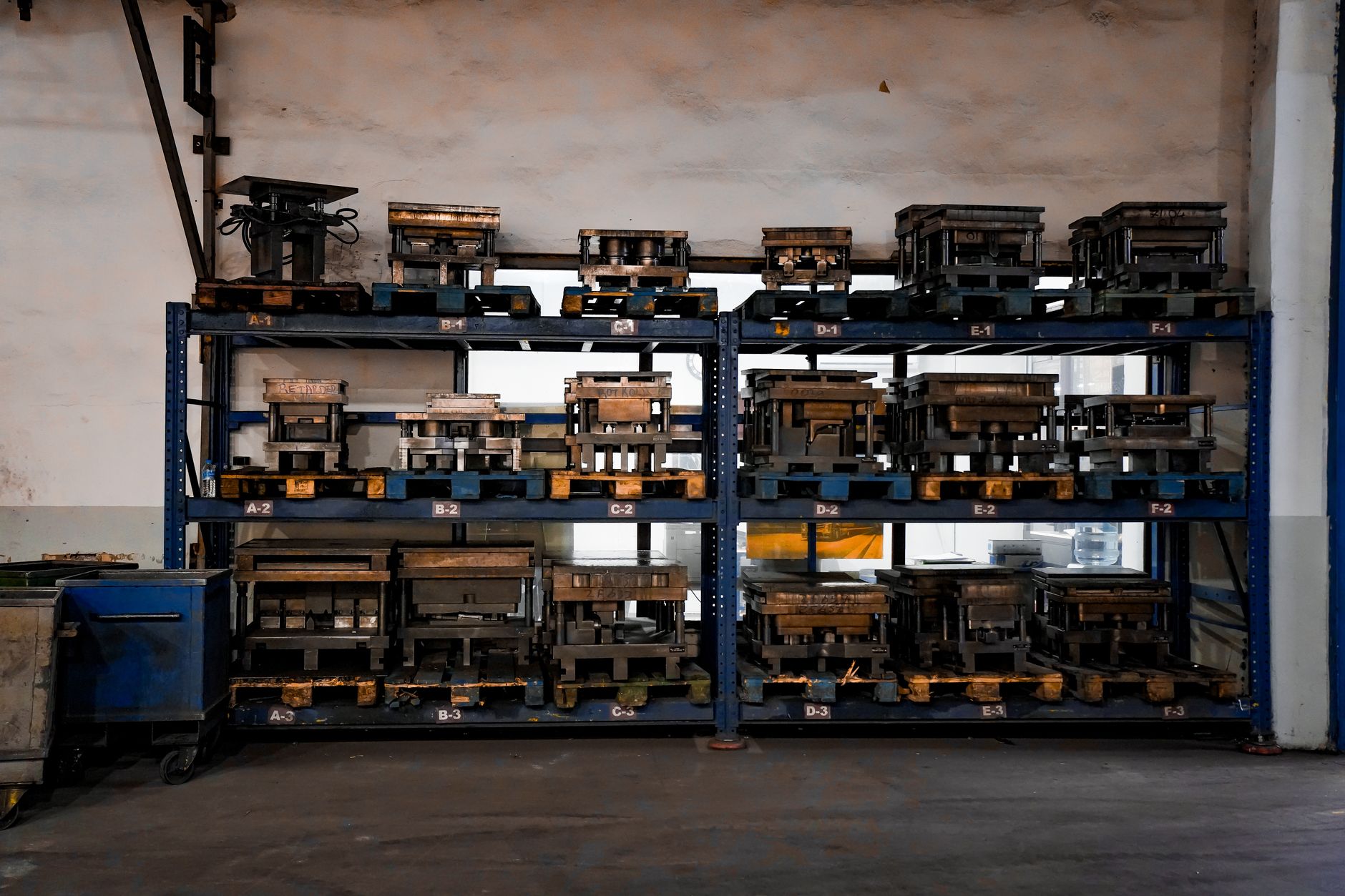
Yes, if the move is engineered as a controlled handoff instead of a free-roaming forklift substitute. In a stamping plant, the AMR earns its keep by shuttling dies, jigs, and fixtures between storage, prep stands, and press cells on repeatable routes, then docking into fixed transfer points that do the last part of the exchange.
That distinction matters. Heavy tooling transport is a high-consequence task with long dead time around a short transfer. The best AMR programs automate the walking and waiting around changeovers, not the whole die-setting craft. They fit plants where the same storage-to-cell lanes repeat often enough to matter, but not so constantly that a fixed conveyor or rail transfer system is justified.
The safety frame has also matured. The current U.S. industrial mobile robot standards catalog includes ANSI/A3 R15.08-3-2026 for day-to-day use of industrial mobile robot applications, with emphasis on risk assessment and management of change. For press plants, that means the AMR has to fit the cell and the operating discipline around it, not just clear a payload line item.
What load transfer method fits heavy tooling?
For heavy dies and fixtures, the right question is rarely Can the AMR carry the load. It is Can the plant transfer the load low, square, and repeatably at both ends of the trip. A deck that arrives stable in three dimensions and meets a fixed datum is usually worth more than a vehicle that boasts higher speed on open floor.
Most successful layouts keep the AMR low to the floor and let fixed hardware control the handoff. That may be a transfer stand beside the press, a rail-aligned receiver, or a captive tooling cart that the mobile base tugs to a known stop. The less the operator has to nudge, pry, or persuade a die into position, the better the cell will behave on second shift.
- Deck-to-stand transfer for plants that want the AMR to stop against hard docks and let a fixed stand manage the final exchange
- Rail or bolster-aligned handoff for presses that already use guided die movement at the cell edge
- Tug plus captive trailer when the die already rides on a certified cart and the plant wants the simplest mobile platform
- Buffer stand shuttle when the AMR should only move between storage and a protected staging point, leaving the last inches to a press-side transfer device
How accurate must the AMR be at the press cell?
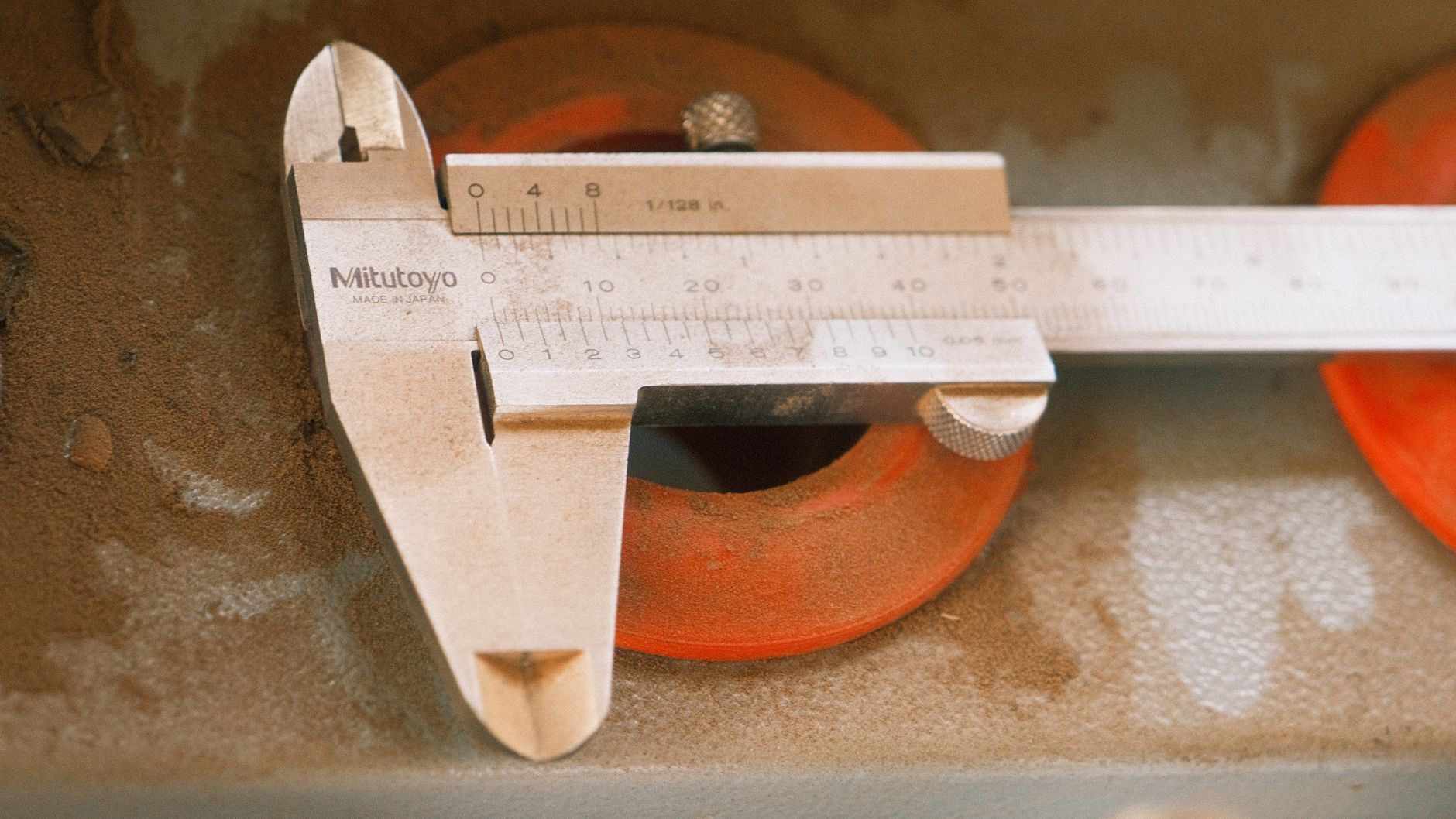
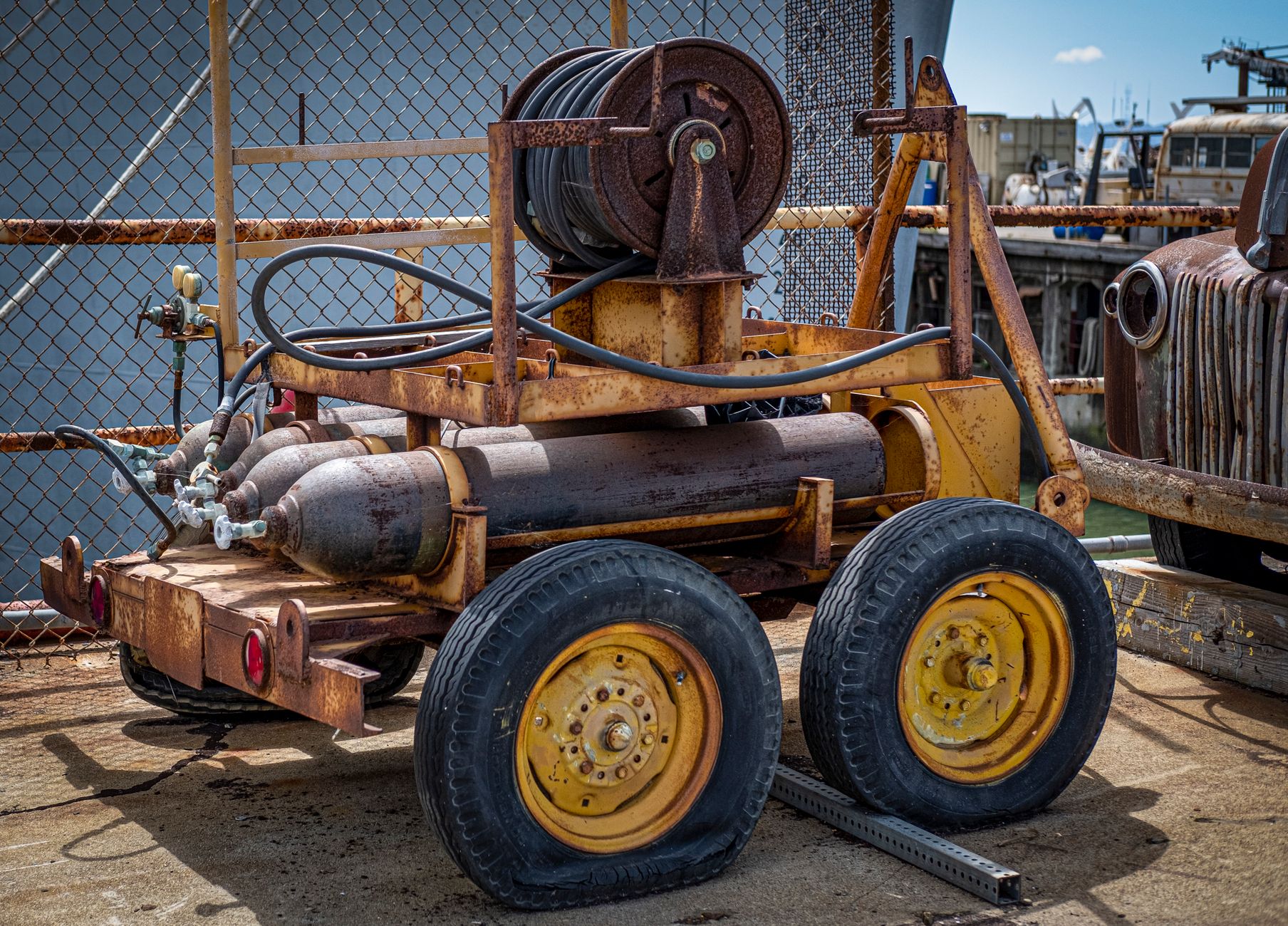
For heavy tooling, open-floor navigation accuracy is not enough. NIST notes that calibration enhances robot positioning accuracy and mobile robot docking accuracy, and NIST's mobility program lists ASTM F3499 as the standard test method for confirming docking performance of autonomous ground vehicles. In plain plant language, do not accept a vague claim that the robot stops close enough. Validate the dock, the deck height, and the load presentation at every station.
The usual pattern is coarse navigation followed by a constrained final approach. The robot localizes itself in the aisle, then uses markers, geometry, sensors, or hard-contact features to settle into the transfer pose. Mechanical funnels, tapered guides, and fixed end stops often matter more than another layer of software, because they turn a navigation event into a repeatable physical registration.
Press work adds another layer. OSHA's mechanical power press standard requires certain checks at the beginning of each shift and whenever a die change is made, including safety distance checks and verification of counterbalance adjustment for die weight in applicable setups. An AMR handoff cannot bypass that discipline. It has to feed the die-change routine cleanly enough that safety checks remain easy, visible, and enforced.
Why traffic separation matters more than route cleverness
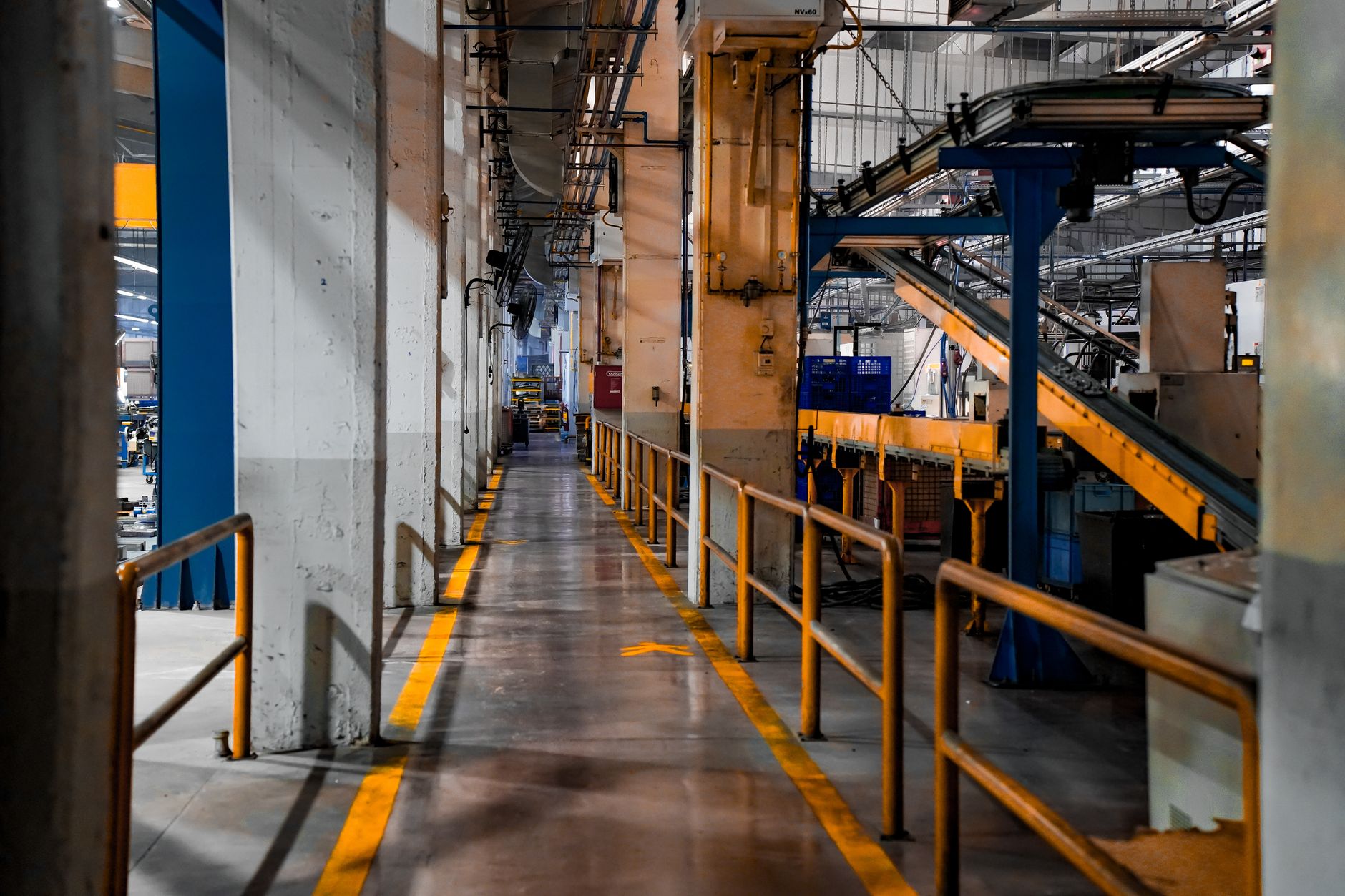
Plants sometimes treat the AMR route as a software puzzle. In heavy tooling areas, it is more of a traffic engineering problem. OSHA said in June 2026 that the latest BLS data showed 84 workers lost their lives in incidents involving forklifts and other powered industrial trucks in 2024. A die-move AMR should reduce mixed-traffic exposure around press aisles, not add one more vehicle to the same pinch points.
That is why the best layouts use dedicated tooling lanes, protected staging pockets, timed crossings, and simple one-way flow rules. Paint and geofences help, but physical separation usually carries the day. Guardrails, swing gates, bollards, and cell-edge barriers keep a stopped vehicle from becoming a surprise object beside a live press.
Predictability matters as much as separation. Operators should know exactly where the AMR will wait, how it requests access, and what happens if the path is blocked. Blind reverse entries into press alleys are a bad habit. So is sharing a transfer pocket with manual forklift traffic just because the schedule says the moves are infrequent.
When do intermittent heavy moves pay back?
The economics are not driven by route length alone. They are driven by who gets tied up, how long the press waits, and how much risky traffic the plant tolerates to keep changeovers moving. Intermittent heavy moves sit in the awkward middle ground where manual handling feels cheap because it is occasional, yet the same repeated interruptions keep stealing skilled time every week.
According to the U.S. Bureau of Labor Statistics, May 2025 median hourly pay was $30.79 for tool and die makers and $22.32 for industrial truck and tractor operators. When those roles get pulled into transport work, a plant is using skilled labor to move tooling instead of setting presses or keeping flows moving.
There is also the injury side. BLS logged 946,290 private-industry DART cases in 2024 under overexertion, repetitive motion, and bodily conditions, with a median of 24 days. If a press department still relies on people to push carts, jockey fixtures into place, or recover awkward handoffs, the ergonomics math should be explicit. NIOSH recommends using a lifting index or composite lifting index at or below 1.0 for manual lifting tasks.
This is why the best financial case is often operational, not glamorous. Recovered changeover minutes, fewer forklift crossings, less damaged tooling, and better use of skilled die-set personnel can justify repetitive transport automation even when the move only happens at intervals. Plants should compare robot leasing for business, leasing, and robot leasing vs buying on that basis, not on travel speed alone.
How Service Robot Co. fits a press-plant rollout
Heavy tooling transport touches vehicle choice, docking hardware, press-side handoff, controls, safety review, training, and service. That is exactly where an OEM-neutral, vendor neutral robot integrator matters. Service Robot Co. is a full-service commercial robot integrator for U.S. businesses that picks the right robots across manufacturers, then finances, deploys, integrates, trains, and services every unit through a nationwide engineer network. One vendor owns the whole lifecycle.
For buyers who want to prove the route before committing, an autonomous mobile robot lease, AMR leasing, or material handling robot leasing can be a sensible first step. Other plants prefer leasing, monthly payment programs, a lease purchase program, or no upfront capital financing so the automation sits in operating spend instead of a large one-time purchase. The right commercial structure depends on how stable the routes are and how fast the press schedule can absorb the gain.
Just as important, the rollout work is not only about the vehicle. Service Robot Co. handles site assessment mapping, robot deployment and integration, phased deployment with no shutdown, go live support, and the robot maintenance service plan after startup. With on-site dispatch and remote triage behind the deployment, a manufacturing plant robot lease or permanent fleet does not leave the press team stitching together hardware, controls, and service from separate vendors.
What should a pilot prove before you scale?
A good pilot is narrower than most plants first propose. Start with one storage area, one tooling family, and one or two press cells that already have disciplined changeover practice. The goal is not to impress visitors. It is to prove that the transfer is repeatable, the routing rules hold under real congestion, and the press crew does not create workarounds the minute the schedule gets ugly.
Use the pilot to settle the boring questions early. Where does the AMR wait. Who calls it. What is the recovery sequence after a blocked path or failed dock. Which checks stay manual at the press. Once those answers are stable, scaling becomes a copy job instead of a fresh engineering debate at every cell.
- Docking repeatability and deck-height consistency at every transfer station
- Call-to-clear time for each move, including wait states at congested aisles
- Recovery time after blocked routes, missed docks, or incomplete handoffs
- How many forklift and pedestrian crossings disappear from the die-change path
- How much skilled changeover labor returns to press setup instead of transport duty