
Key takeaways
- AMRs pay first on repetitive receiving-to-pick-face loops, not on every oddball SKU move.
- Separate tote, carton, and exception flows so mixed fittings, valves, and boxed stock do not clog one traffic pattern.
- Rush-hour rules matter as much as robot speed. Protect the counter and will-call throat with buffer zones and dispatch priorities.
- Compact branches need marked aisles, safe turning clearances, and a pilot tied to real replenishment triggers in the ERP or WMS.
Do AMRs make sense in a plumbing supply branch?
Yes, if you deploy them on the right work. AMRs fit plumbing supply branches best when they own repetitive cart miles between receiving, reserve storage, and forward pick faces for boxed fittings, valves, repair parts, and other cartonized inventory. They are a poor first choice for every awkward exception in the building, but they can be very effective on the steady replenishment loops that quietly eat labor all day.
The scale of the sector points in that direction. According to the U.S. Census Bureau, plumbing and heating equipment and supplies merchant wholesalers counted 6,410 employer establishments in 2023, and Census business-pattern data shows 5,330 of them, about 83 percent, had fewer than 20 employees. That is the profile of a dense branch network where labor has to cover sales, will-call, receiving, and warehouse work inside compact footprints.
Inventory pressure is not getting looser. In the Census Bureau's June 2026 Monthly Wholesale Trade Report, merchant wholesalers overall carried an inventories-to-sales ratio of 1.19, down from 1.30 in June 2025. Stock is working harder. In that environment, AMRs earn their keep by cutting walking and waiting from replenishment, not by pretending every branch should copy a giant distribution center.
Which replenishment moves should go first?
Start with the moves that happen dozens of times per shift and do not require judgment. In most branches, that means inbound cartons from receiving to a staging lane, reserve-to-pick top-offs for fast movers, and short will-call staging runs for boxed orders that sales teams sell all day. Those loops are repetitive enough for reliable transport automation and close enough to the counter to affect service quickly.
Leave irregular freight, unstable loads, damaged cartons, and anything that needs manual balancing out of phase one. AMRs are at their best on repetitive transport automation with clear destinations, consistent load envelopes, and simple handoff points. If every mission is an exception, the branch will end up managing the robot instead of the robot managing the travel.
- Reserve-to-pick top-offs for fast-moving boxed fittings and valves
- Inbound cartons from receiving quality check to forward-pick staging
- Will-call staging for common boxed orders
- Empty tote, empty carton, and dunnage return loops
- Cycle-count support runs where counted replenishment is brought back to the aisle
How do you handle fittings, valves, and mixed case sizes without chaos?
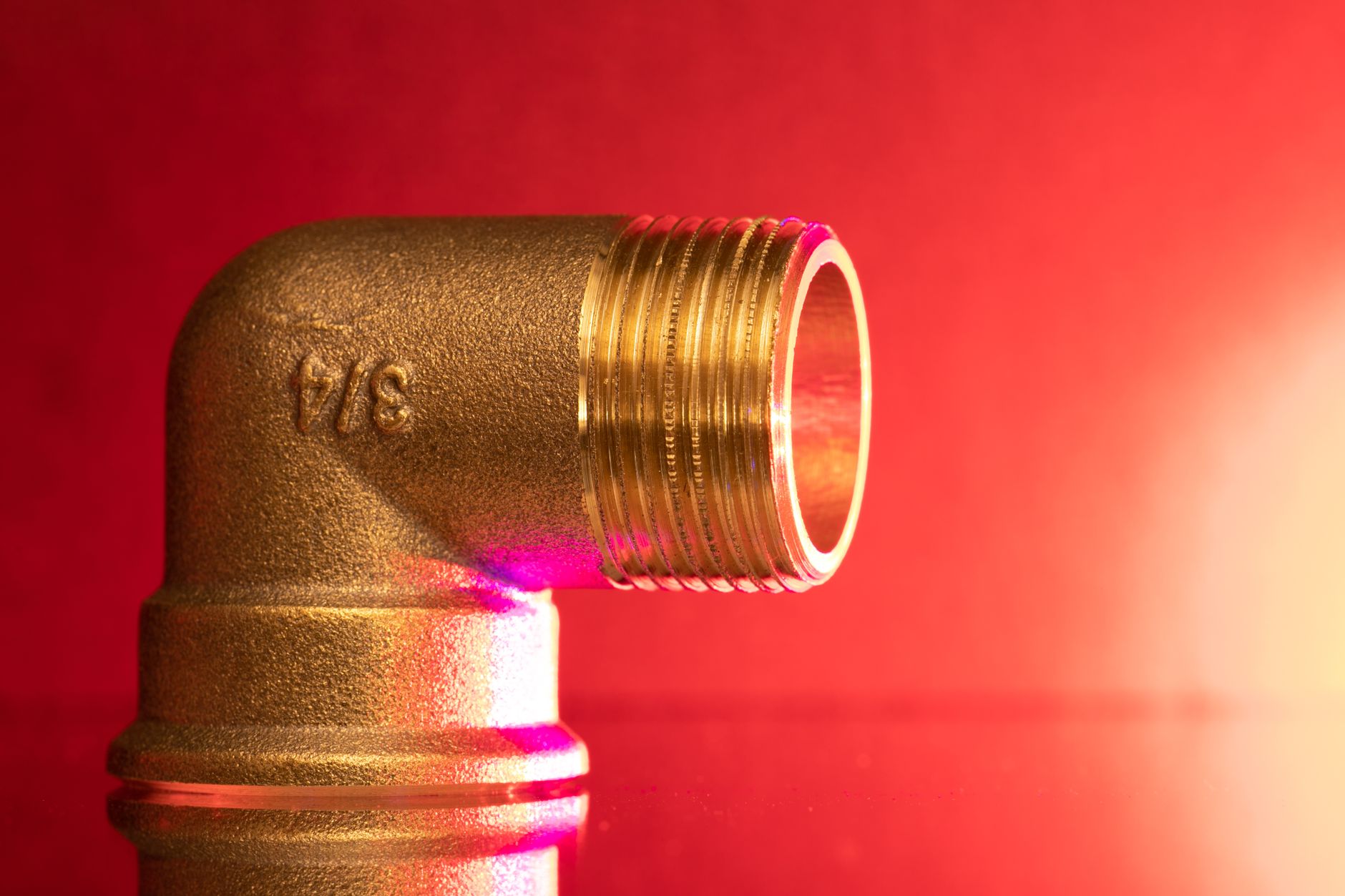
Plumbing branches live on mixed sizes. One move may include dense brass fittings, small repair kits, boxed valves, sealants, and accessory cartons with very different weights and centers of gravity. OSHA's warehousing guidance notes that case-picking loads can range from a few pounds to over 100 pounds, which is exactly why one generic load rule usually turns into jams, rework, or unsafe handoffs.
The better approach is to create distinct transport classes. Small dense items ride in divided totes with barcode confirmation at load and unload. Medium boxed stock rides on flats or shelf decks with fixed orientation rules. True exceptions, heavy cartons, unstable loads, and anything that takes two hands to place stay on pallet jacks, lift trucks, or manual carts. That gives the AMR a clean job instead of a messy one.
OSHA's grocery-warehousing guidance also offers a practical ergonomic break point. Keep tote weights under 35 pounds, keep individual picked items under 10 pounds, or 2 pounds when a pinch grip is involved, and keep heavier loads on lower or middle shelves. Even if your branch carries heavier cases than those thresholds, they are useful design rules for deciding what should ride on the robot and what should stay in a manual or truck-based flow.
What keeps a counter-service rush from wrecking robot traffic?
Counter rushes expose bad AMR design fast. The core problem is rarely top speed. It is dispatch discipline. A branch needs hard traffic rules so counter pulls and will-call commitments outrank routine backfills, and the robot never blocks the throat between the sales counter, loading door, and fastest-moving pick aisles.
Pre-stage short buffers near the most active pick faces, then treat urgent replenishments as single missions and routine replenishments as batched work. That keeps the robot busy without sending it on panicked one-carton rescue trips every few minutes. It also gives staff a predictable place to find the next top-off during the morning rush.
This matters because warehouse time is expensive and scarce. According to the U.S. Bureau of Labor Statistics, hand laborers and material movers in wholesale trade had a median annual wage of $39,780 in May 2024, and BLS projects about 1,008,300 openings a year for hand laborers and material movers through 2034. The point of AMRs in a branch is not to sideline experienced people. It is to stop burning them on travel that adds no selling value.
How do AMRs fit a compact branch warehouse?
Tight branches need choreography, not bravado. OSHA requires sufficient safe clearances for mechanical handling equipment at aisles, loading docks, doorways, and turns, and it requires permanent aisles and passageways to be marked, clear, and in good repair. That should shape the robot map before anyone talks about fleet size.
In practice, compact branches work best with one-way loops, a few passing pockets, and firm no-go rules at the busiest dock corners. If the robot has to negotiate head-on meetings in every cross aisle, throughput falls apart and the crew loses trust. The cleanest deployments limit the robot's territory to the receiving-to-reserve-to-pick loop and use deliberate handoff points instead of trying to give the machine access to every square foot.
This is also where robot selection has to follow the floor, not the brochure. Load overhang, turn geometry, dock thresholds, rack setbacks, and the real width of the will-call lane matter more than headline payload. A branch does not need the biggest autonomous platform. It needs the one that can move consistently without becoming another obstacle.
What system design actually keeps pick faces full?
The control logic can stay simple. Most branches do not need a giant distribution-center software stack to get value from AMRs. Replenishment missions can be released from receiving scans, forward-pick min-max thresholds, or queue signals from the ERP or WMS the branch already uses. What matters is that the trigger is timely, visible, and tied to a real location ID.
Sequence discipline matters more than glamour. Receive the carton, confirm the SKU and destination zone, assign it to the right transport class, and release the mission into a queue that knows rush-hour priorities and dock congestion rules. The robot should never be guessing among five nearly identical drop points because labeling, slotting, or scan discipline is weak.
AMRs also sharpen cycle counts for a simple reason. Every move has a digital start point, end point, and timestamp. That does not erase inventory errors by itself, but it narrows the places where they hide, especially in branches where counter pulls, will-call staging, and replenishment often collide inside the same hour.
Why does an OEM-neutral integrator matter in this use case?
Plumbing branches are a strong case for an OEM-neutral integrator because aisle geometry, payload mix, floor condition, and service expectations vary wildly from site to site. The right fit is not the biggest unit on the market. It is the robot and workflow that can live inside your actual branch without forcing expensive workarounds around the counter, the dock, or the reserve racks.
Service Robot Co. handles that as one vendor for the whole lifecycle. We select the right robots across manufacturers, then finance, deploy, integrate, train, and service every unit through a nationwide US engineer network. For teams considering an autonomous mobile robot lease, an AMR lease pilot, or a material handling robot lease before a broader rollout, that single-thread accountability matters.
It matters after go-live too. Branches that want robot deployment and integration, site assessment mapping, a robot pilot program, or try before you buy support usually do not want three separate phone numbers. They want one partner, one number, and a turnkey robot deployment that fits live warehouse work instead of disrupting it.
How should a branch pilot and buy model be structured?
Do not start with a fleet and a big promise. Start with one route family, a narrow SKU mix, and a scorecard tied to replenishment lead time, stockout minutes at forward pick, labor travel, and mission exception rate. A pilot has done its job when the branch can hold service levels during the morning counter rush, not just cruise on a quiet afternoon.
The commercial model should match the branch's appetite for change. Some operators prefer leasing, a monthly lease, or robot financing for small business because it preserves cash and keeps expansion optional. Others want a lease purchase program after the pilot proves the traffic rules, charger placement, and handoff points.
That is where an autonomous mobile robot lease or warehouse robot leasing program can be useful. It lets the branch test the operating pattern with real cartons and real rushes before it commits to permanent layout changes across multiple sites. For many branches, that is the most sensible way to turn AMRs from an interesting idea into a dependable piece of branch logistics.
Frequently asked questions
Sources
- Census Monthly Wholesale Trade Report June 2026
- Census AIES Plumbing Wholesalers Sales Table
- Census CBP Plumbing Wholesalers Establishments Table
- BLS Hand Laborers and Material Movers
- OSHA 1910.176 Materials Handling
- OSHA Warehousing Overview
- OSHA Warehousing Hazards Guidance
- OSHA Grocery Warehousing Storage Guidance