Key takeaways
- Spool AMRs win on repeat empty and full moves, not on one-off odd sizes.
- Load restraint and hub engagement matter more than top speed on the plant floor.
- RFID or barcode IDs at pickup prevent the wrong copper or fiber spool at the line.
- Forklift overlap zones need right-of-way rules before the first live spool mission.
Why automate spool moves in wire and cable plants?
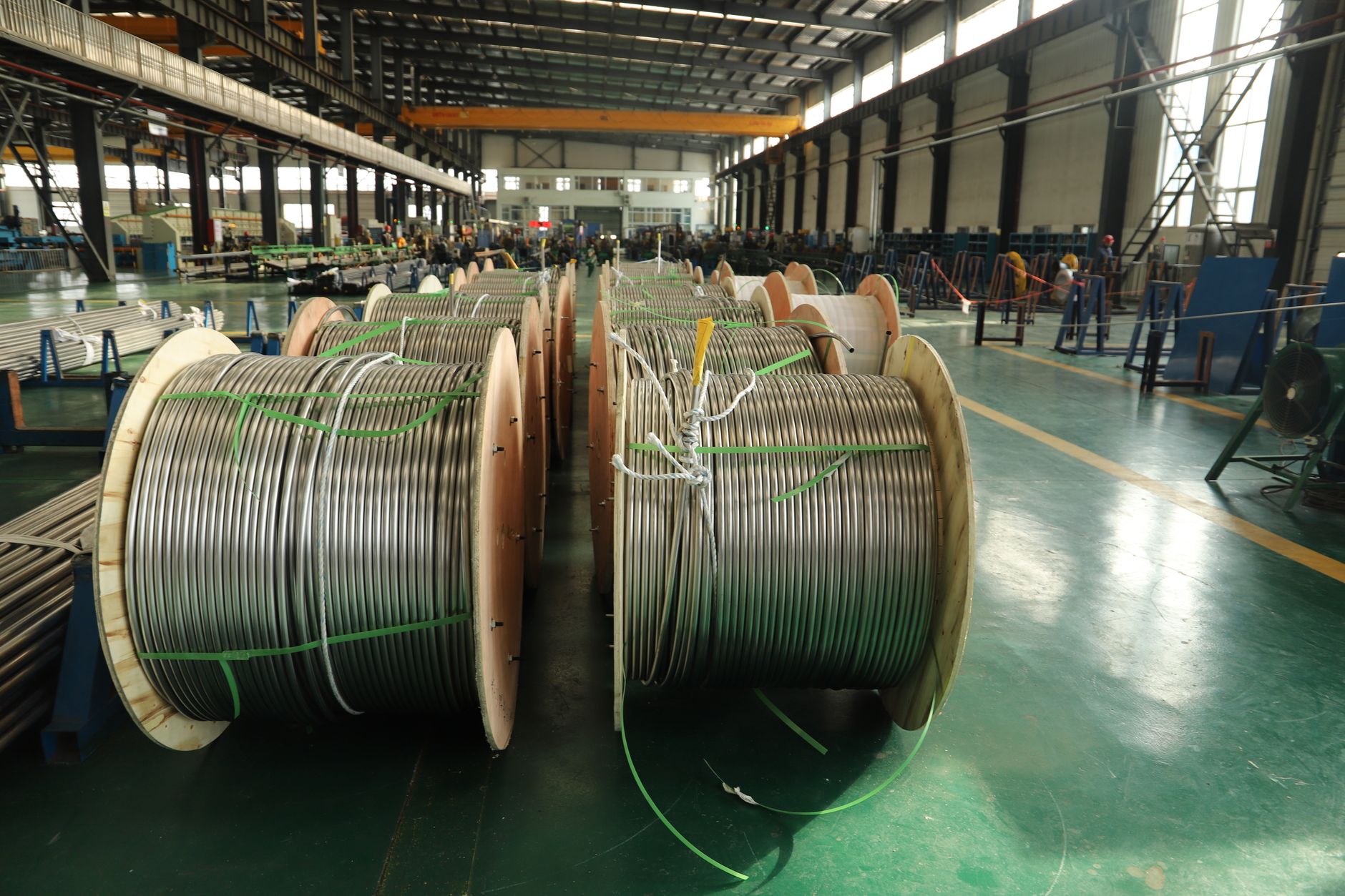
Wire and cable plants constantly shuffle empty and finished spools between extrusion lines, testers, take-up winders, rack storage, and shipping prep. Autonomous mobile robots fit when those moves repeat on the same aisles and every manual trip pulls an operator away from tension, diameter, or continuity checks.
The work is heavy and awkward. A full spool can weigh hundreds of kilograms depending on product, and the hub must stay seated through turns. AMRs with a fixed spool cradle or lift deck remove the walking while people keep quality and changeover decisions.
Industry scale explains the pressure. BLS May 2023 occupational data for NAICS 335300 Electrical Equipment Manufacturing counted about 145,790 employees nationally in that industry group, including about 3,710 hand material movers with mean pay near $20.03 per hour in the same dataset. Spool handling sits in that material-move band even when titles say operator or helper.
Which spool moves should robots take first?
Start with high-volume, standard hub sizes between extrusion and in-line test, then from test to rack storage. Empty spool returns to the wind area are the second wave once full spool delivery is stable.
Defer odd flange diameters, damaged hubs, and one-off export reels until the fleet proves docking repeatability. Mixed sizes belong on forklifts or overhead hooks until you catalog constraints in the fleet software.
Separate copper power cable from fiber or data cable routes when plant rules require it. Parallel mission classes keep cross-contamination and scheduling errors out of the same queue.
- Empty spools from rack to extrusion payoff
- Finished spools from take-up to test bench
- Tested spools to rack or shipping staging
- Rejected spools to quarantine rack
How should load restraint work on a spool deck?
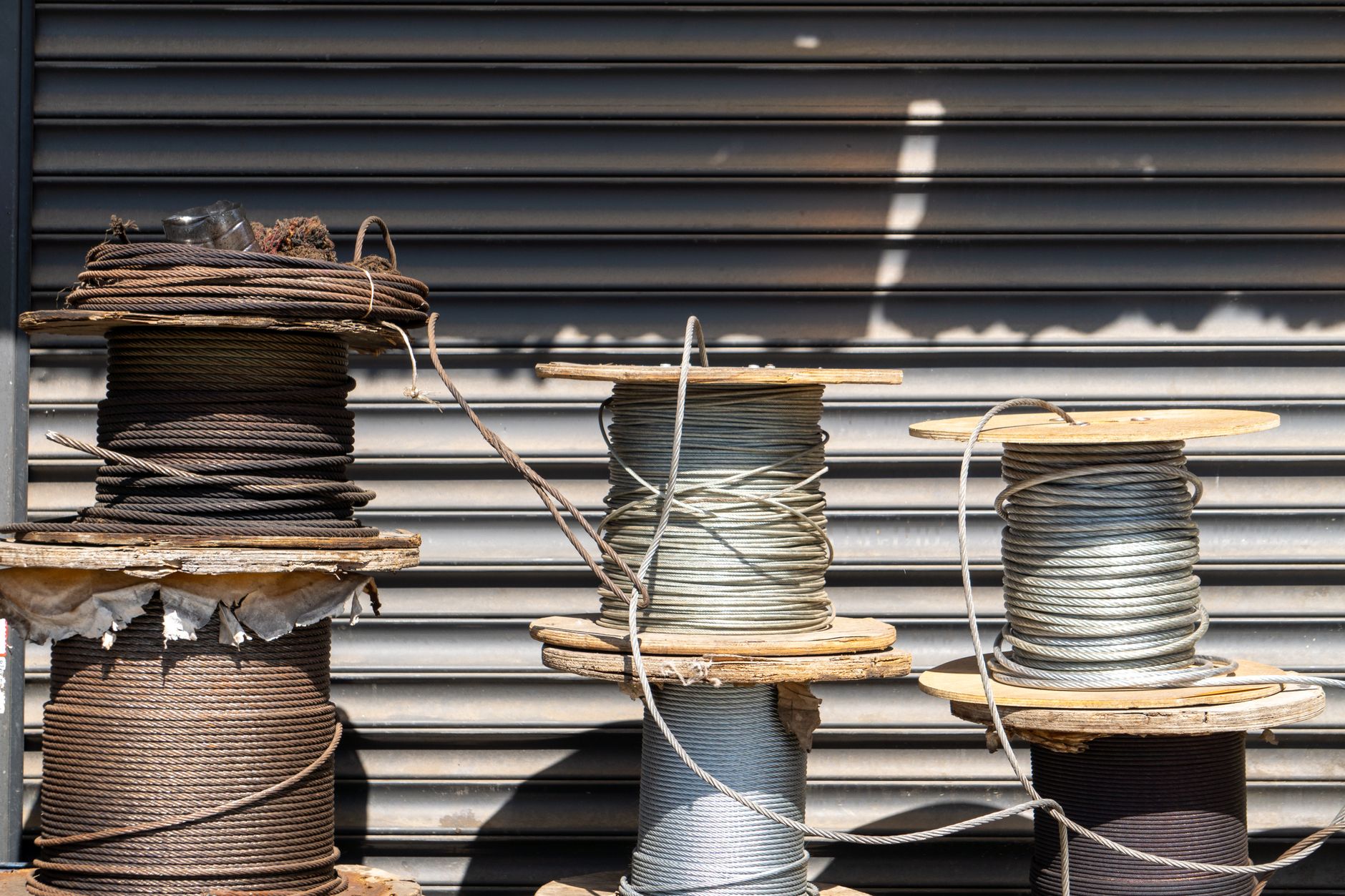
A spool that shifts half a centimeter on a turn can snap wire or tear fiber. Restraint means hub locators, side keepers, or a wrap strap applied at the pickup station before the robot moves.
Automated restraint is not always worth it. Many plants use a two-step handshake: robot arrives, operator confirms hub seat and latch, then the mission releases. That keeps humans accountable for visual checks the robot cannot do.
Deceleration profiles matter on slick epoxy. Validate full and empty spools separately. An empty reel accelerates differently and can hop if the software uses the same jerk limits as a loaded run.
How do spool IDs tie into fleet software?
Every mission should carry a spool ID read at pickup: barcode, RFID on the flange, or a printed tag tied to your MES lot. The robot should refuse to move if the ID does not match the work order for that line.
At drop, the ID scans again at the rack slot or test stand. Mismatch logs stop the mission and alert the line lead. That pattern beats clipboard sign-out for high-value copper and fiber inventory.
Do not display customer names on the robot screen in shared aisles. Show internal lot or spool numbers only.
What floor loads and aisle design do AMRs need?
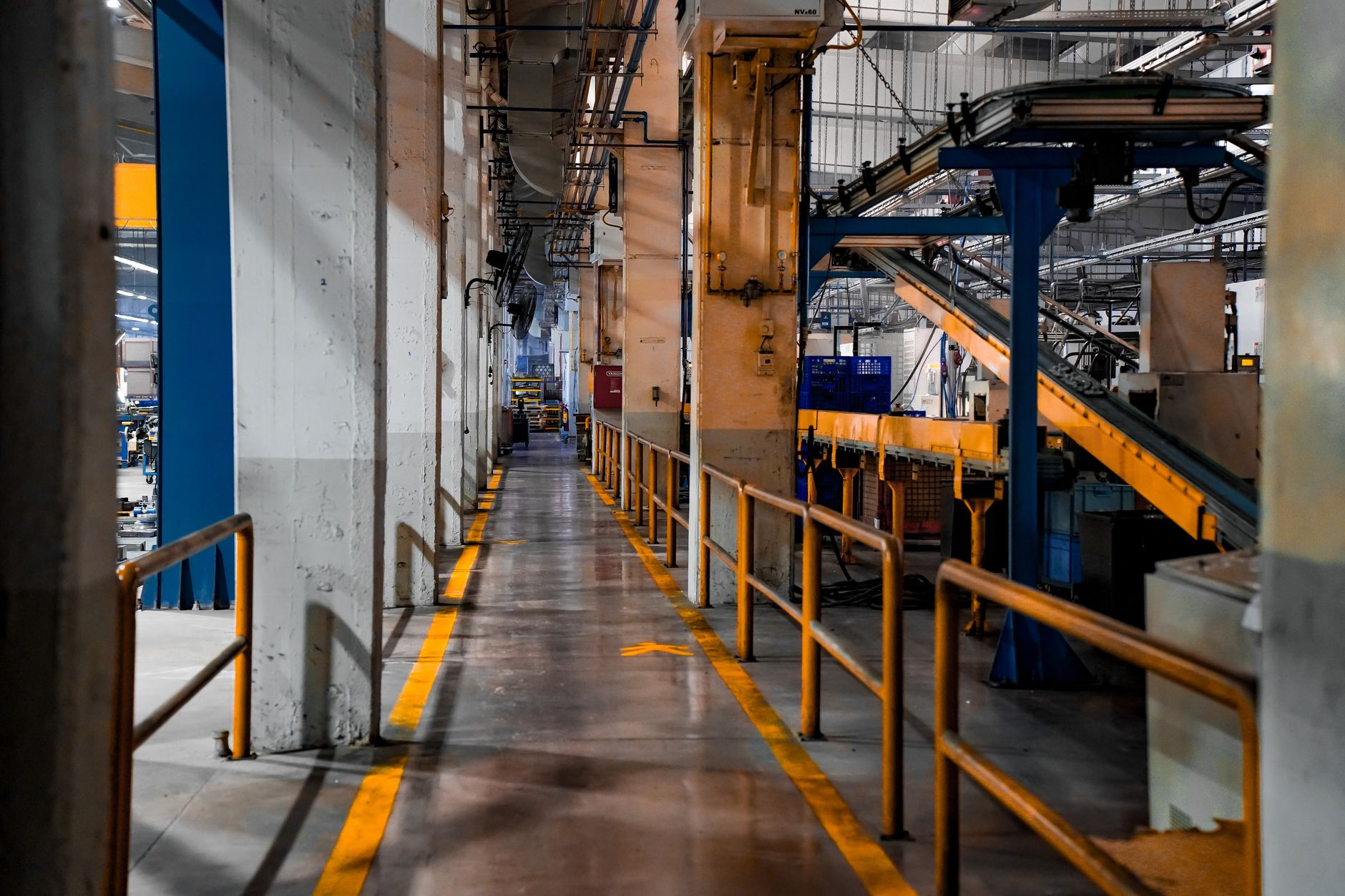
Spool AMRs concentrate weight on small wheels. Confirm floor load ratings on mezzanine approaches, trench covers, and older slabs near extrusion pits. A structural walk with facilities beats assuming the whole plant is uniform.
Aisle width must include spool overhang. Measure flange diameter plus safety margin, not just the robot footprint. Overhang into forklift lanes causes side impacts that are expensive at fiber plants.
Floor level matters for docking. A one centimeter lip at a rack pad can hang a hub. Shim racks or add approach ramps so the deck meets the spool at the same height every time.
How precise must docking be at testers and winders?
Test stands and payoff arms often need plus or minus a few millimeters for plug-in or shaft engagement. Use guided final approach: the AMR stops at a floor marker and a short linear actuator or manual slide completes alignment.
Vision alignment helps when rack slots are tight, but lighting and dust on copper plants can fool cameras. A physical funnel or V-guide on the rack is often more reliable than pure vision alone.
Teach multiple dock poses for the same stand if operators rotate spool direction by product. Store each pose as a named profile tied to SKU family.
How do you share aisles with forklifts?
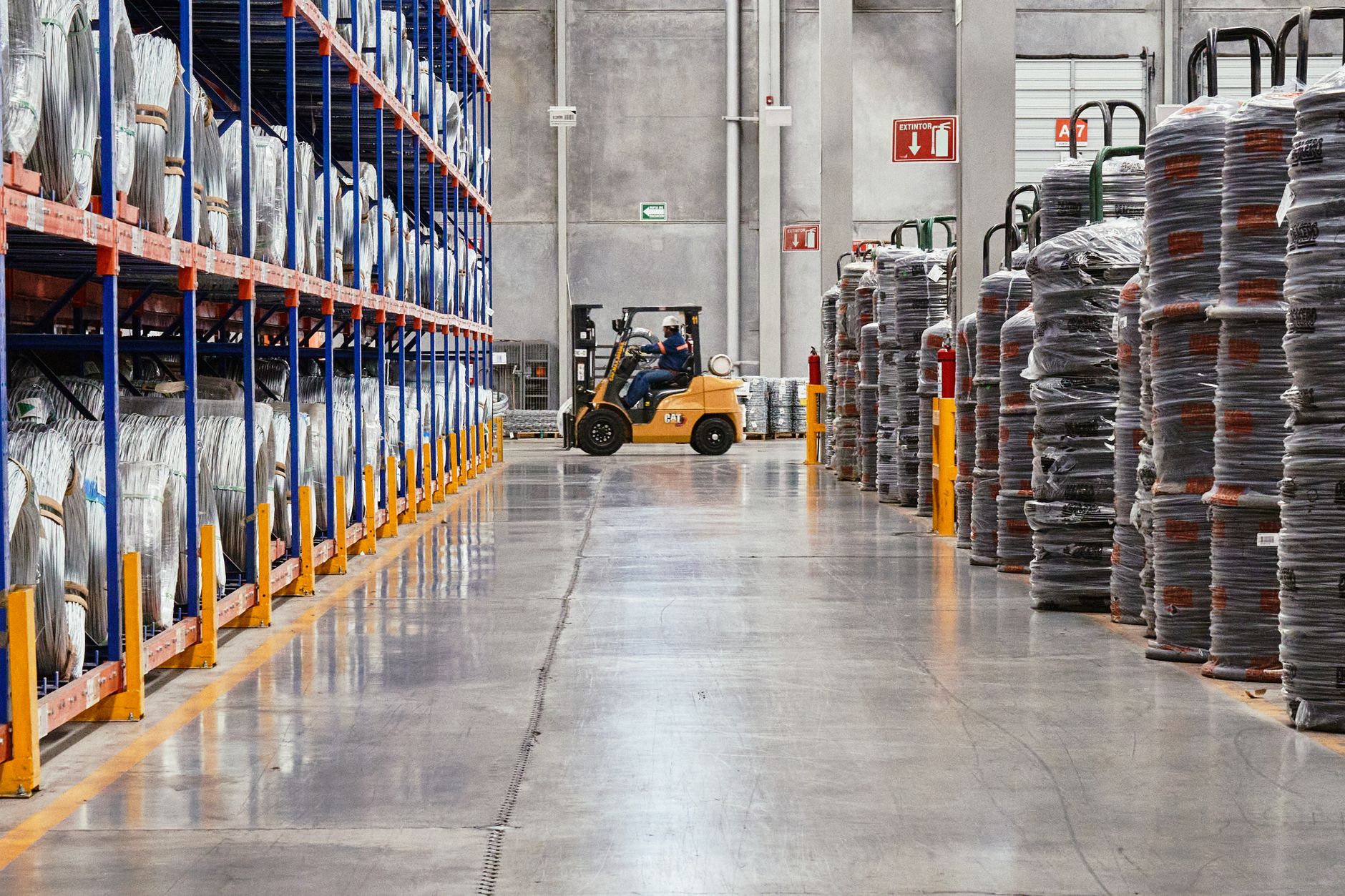
Forklifts will not disappear from wire plants. They handle oversize reels and raw copper rod. AMRs need geofenced slow zones wherever forklift mast traffic crosses spool routes.
Right-of-way rules should be written with safety and maintenance leads: robots yield at blind corners, forklifts yield at marked AMR dock queues, horns or stack lights announce merges.
Shift overlap is the danger window. Schedule spool AMRs heaviest during mid-shift when forklift runs concentrate at receiving and shipping, not at the same hour.
What should a first pilot include?
Run six weeks on one extrusion line, one test stand, and one storage row. Track moves per shift, manual assists, ID mismatches, and near contacts with forklifts.
Measure line starvation time when spools wait on robots versus humans. That number speaks louder than robot uptime alone.
Expand flange size coverage only after docking success rate stays above your internal threshold for two consecutive weeks.
Where does a full-service integrator fit?
Spool handling ties mechanical cradles, weight limits, MES IDs, and plant traffic rules into one program. A vendor-neutral integrator selects AMRs and top modules against your hub catalog, finances the fleet, maps aisles, trains operators, and services units nationwide.
Service Robot Co. runs site assessment with sample spools, pilots one line, and scales with monthly programs so you prove restraint and ID discipline before plant-wide rollout.
The goal is predictable spool flow between extrusion, test, wind, and storage with fewer ad hoc walks and clearer custody on every reel that moves.