Key takeaways
- Cylinder cart runs are a strong AMR candidate when trips repeat on a fixed cage-to-cell loop with measurable minutes per shift.
- Payback math should include secured load handling, exchange frequency, and route safety, not just labor rate times distance.
- IFR data shows transport and logistics robots led 2024 professional service robot sales at 102,900 units, up 14 percent.
- RaaS fleet growth of 31 percent in 2024 makes month-to-month AMR rental viable for seasonal fab volume swings.
- Integrating cylinder inventory scans at pickup and drop prevents ghost stock that hides the true cost of manual runs.
When does an AMR beat a welder pushing a cylinder cart?
An autonomous mobile robot pays off on welding gas cylinder moves when the same cage-to-cell trip happens many times per shift with little variation in route or handoff. If welders stop arc time to fetch, exchange, or return carts, those minutes stack faster than most shops track. The opening test is simple: log one week of cart trips, note who moved them, and measure round-trip time plus wait at the cage.
AMRs fit best where cylinders stay chained on a cart or in a secured cradle the robot can dock without custom fabrication every week. They fit poorly when every cell needs a different cylinder size mix and the storage cage changes location daily. Mixed job shops with constant layout churn should fix floor marking and cage placement before buying mobility.
According to the International Federation of Robotics World Robotics 2025 report, 102,900 transport and logistics service robots sold in 2024, up 14 percent from the prior year. That volume reflects how common indoor goods movement has become, including repetitive cart loops in manufacturing cells.
What travel time are you really buying back?
Travel time is more than walking speed multiplied by distance. It includes unlocking the cage, verifying the ticket or lot number, swapping an empty for a full bottle, and pushing through aisles shared with forklifts. Capture those steps on a time study spreadsheet tied to shift, not to gut feel.
Divide total cart minutes per shift by productive weld minutes lost to set a baseline. Many fabrication supervisors discover one or two cells consume half the cart traffic because they sit farthest from storage or run dual-shield gas that empties faster.
Once baseline minutes exist, compare them to an AMR loop while welders stay under the hood. Even partial offload matters when overtime or weekend coverage is expensive.
- Log cage wait time separately from walk time
- Tag trips by gas type and cell ID for a full week
- Note near-miss events when carts cross fork traffic
How should secured load handling shape robot selection?
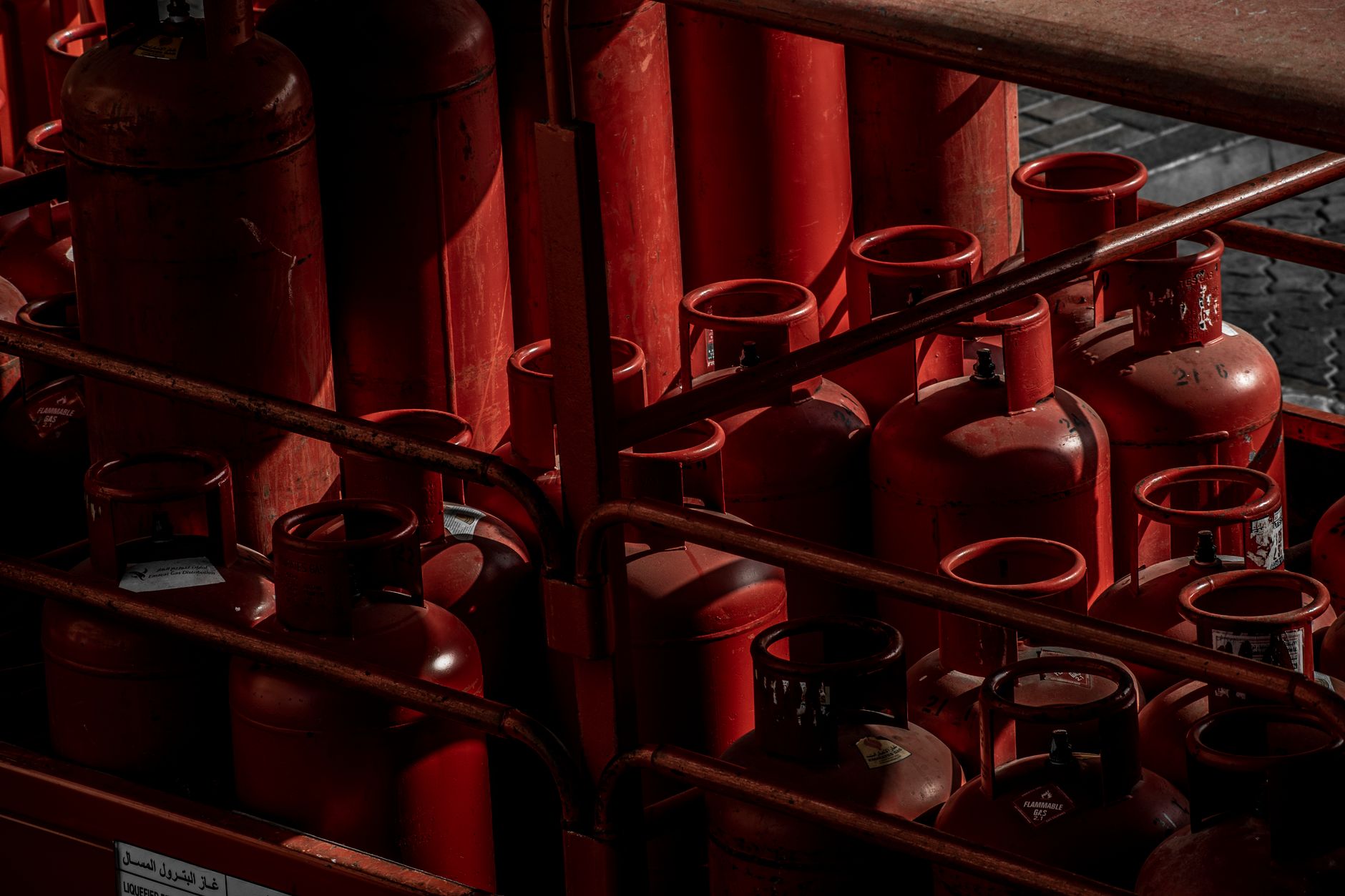
Welding gas cylinders are heavy, top-heavy, and regulated as hazardous material in transit inside your building. Any AMR payload must keep bottles upright, chained, and within rated capacity with margin for hose packs or valve guards.
OSHA prefabrication welding guidance stresses eliminating ground-level handling and using mechanical aids to keep lifts in the power zone. An AMR should mimic that intent: pickup at a raised cage shelf or transfer table, not from the floor.
Secure load handling also means software stops if a chain is open or a weight sensor reads low. Those checks add seconds per trip but prevent the far costlier event of a tipped bottle in a busy aisle.
How does exchange frequency change the business case?
High exchange frequency amplifies AMR value because the robot amortizes setup over many cycles per day. A cell that burns through multiple bottles per shift may need hourly swaps, which interrupts welding if humans fetch gas.
Low frequency cuts the other way. If a cell uses one bottle every two days, manual runs may stay cheaper than fleet software and charging infrastructure unless the trip crosses a hazardous intersection or requires a second person for spotting.
Model exchange frequency by gas type, wire process, and shift length. Pulse or spray processes on thick plate can double consumption versus short tack jobs on thin sheet.
Where do route safety and traffic rules enter payback?
Fabrication shops mix pedestrian welders, overhead cranes, and fork traffic in the same aisles. Manual cylinder carts widen the collision footprint and block sight lines around corners.
AMRs should follow mapped lanes with speed caps near weld bays and blind intersections. Lidar pause behavior needs validation on shiny metal and weld flash, not only in a demo aisle.
Route safety savings belong in payback when near-miss logs or insurance modifiers reflect material handling risk. OSHA and NIOSH manual material handling guidance ties repetitive pushes and awkward pulls to musculoskeletal disorders, which show up as turnover and restricted duty even when no single incident is recorded.
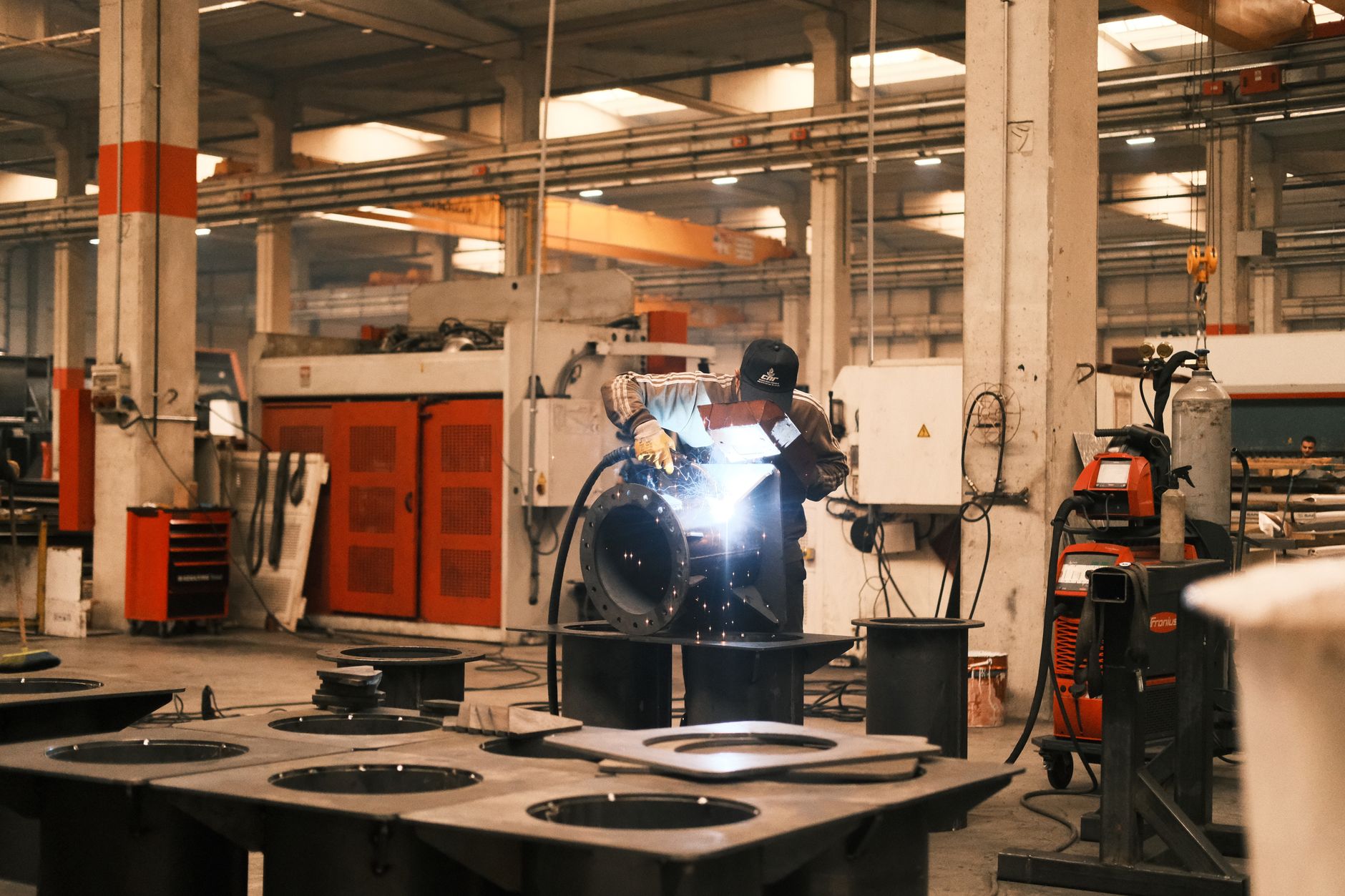
How do you tie AMR moves to cylinder inventory processes?
Manual cart runs often skip scanning because the welder is in a hurry. That creates ghost inventory where the cage shows full bottles while cells run dry, triggering emergency runs that distort labor math.
Integrate barcode or RFID confirmation at robot pickup and drop so your inventory system matches physical location. The AMR becomes the audit trail: timestamp, operator ID, gas type, and cell destination.
When inventory accuracy improves, purchasing can right-size weekly deliveries and reduce rush fees. That secondary savings belongs in the payback memo even if it is harder to quantify than weld minutes.
What does a practical payback framework look like?
Start with verified minutes per shift spent on cylinder cart loops multiplied by loaded labor cost for the roles actually moving bottles, often welders, not only material handlers.
Subtract the AMR lease or rental payment, charging, maintenance, and integrator support spread across the same horizon. The IFR noted the global robot-as-a-service fleet grew 31 percent in 2024 to more than 24,500 units, which signals that monthly programs are mainstream for professional service robots.
Add risk and quality factors: reduced near-miss traffic events, fewer dropped valves, and better inventory accuracy. Divide annualized benefit by annualized cost for a simple payback period, then stress-test with slower exchange frequency or one less shift.
Service Robot Co. can run a vendor-neutral site assessment, map cage-to-cell loops, and pilot an AMR rental with training and nationwide service on one contract when the framework shows payback under your hurdle rate.
What should a phased deployment sequence look like?
Phase one fixes cage layout, floor markings, and chain standards so humans and robots share the same rules. Phase two runs the AMR on the highest-frequency loop only, with manual backup carts still available.
Phase three connects inventory scans and exception alerts to your maintenance planner so empty bottles trigger pickup without a radio call. Phase four expands to secondary gases or adjacent buildings once the first loop holds uptime above your SLA target.
Skipping phase one is the common failure mode. Shops buy mobility before storage discipline and then blame the robot for traffic conflicts that predate automation.