
Key takeaways
- AMRs pay first on repetitive horizontal transport, not on the hardest bottle-pick exceptions.
- Heavy glass loads make floor quality, acceleration control, and handoff design non-negotiable.
- Regulated beverage sites need scan-based handoffs, controlled access, and audit-ready location data.
- Peak planning should be based on holiday demand swings and selling-day distortions, not average weeks.
- A vendor neutral robot integrator matters because beverage operators need finance, integration, training, and service together.
Where do AMRs actually pay off?
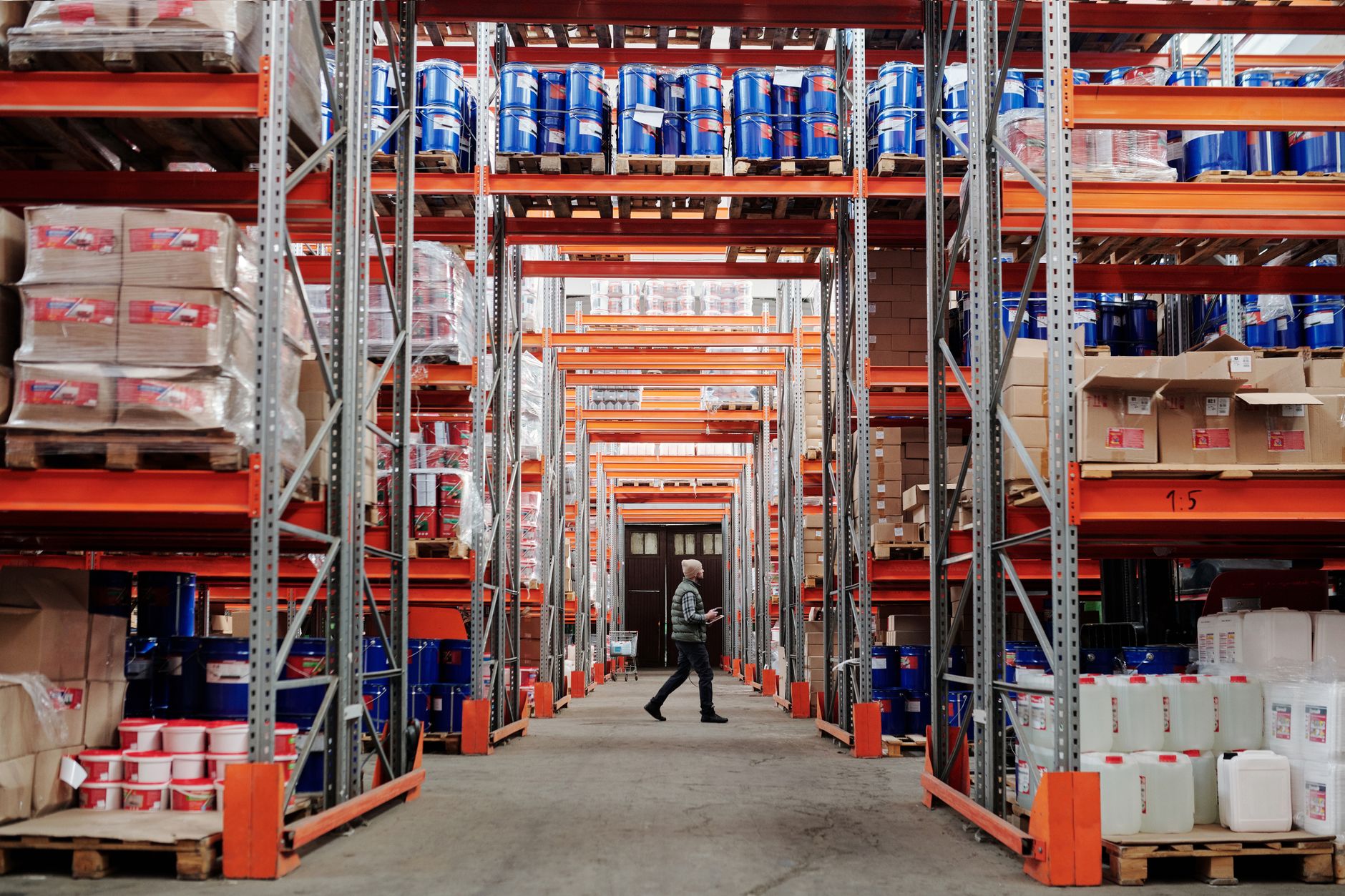
Yes, AMRs can earn their place in wine and spirits distribution centers, but not by replacing every picker. They pay off first on repetitive horizontal moves: reserve-to-forward replenishment, completed pick cart or tote shuttles, receiving-to-hold transfers, and full-case moves between storage, staging, and shipping. In beverage operations, the robot should absorb the long walks and repeated deadhead trips while people keep the judgment-heavy work such as damage inspection, exception handling, and final load decisions.
That matters because this is a big, physical, regulated business. According to WSWA, wine and spirits wholesalers operate more than 4,176 locations serving more than 1.2 million retailers, and DISCUS reported that U.S. spirits supplier sales totaled 36.4 billion dollars on 318.1 million 9-liter cases in 2025. AMRs fit where travel is predictable, the floor is controlled, and every handoff can be scanned back into the WMS.
They are usually a weak first choice for mixed-SKU bottle picking in crowded aisles, unstable floor-stacked carts, or the last few feet of trailer loading. Start with travel, not dexterity. In beverage warehouses, that distinction keeps the project honest and the payback math cleaner.
Which moves belong on the first automation map?
The best first AMR jobs in regulated beverage logistics are the ones with fixed endpoints, repeated demand, and a clean handoff. They usually sit around the pick operation rather than inside its messiest exceptions. When the loop is repeatable, the robot can keep freight flowing without forcing selectors and supervisors to work around it.
- Reserve pallets or layer picks to forward pick faces
- Case or tote shuttles from pick zones to wrap, pack, or consolidation
- Receiving to QA, quarantine, or secure hold moves
- Empty pallet, dunnage, and return-tote loops
- Replenishment loads for seasonal promo lanes and fast-moving RTD SKUs
How do heavy cases and breakage change the rules?
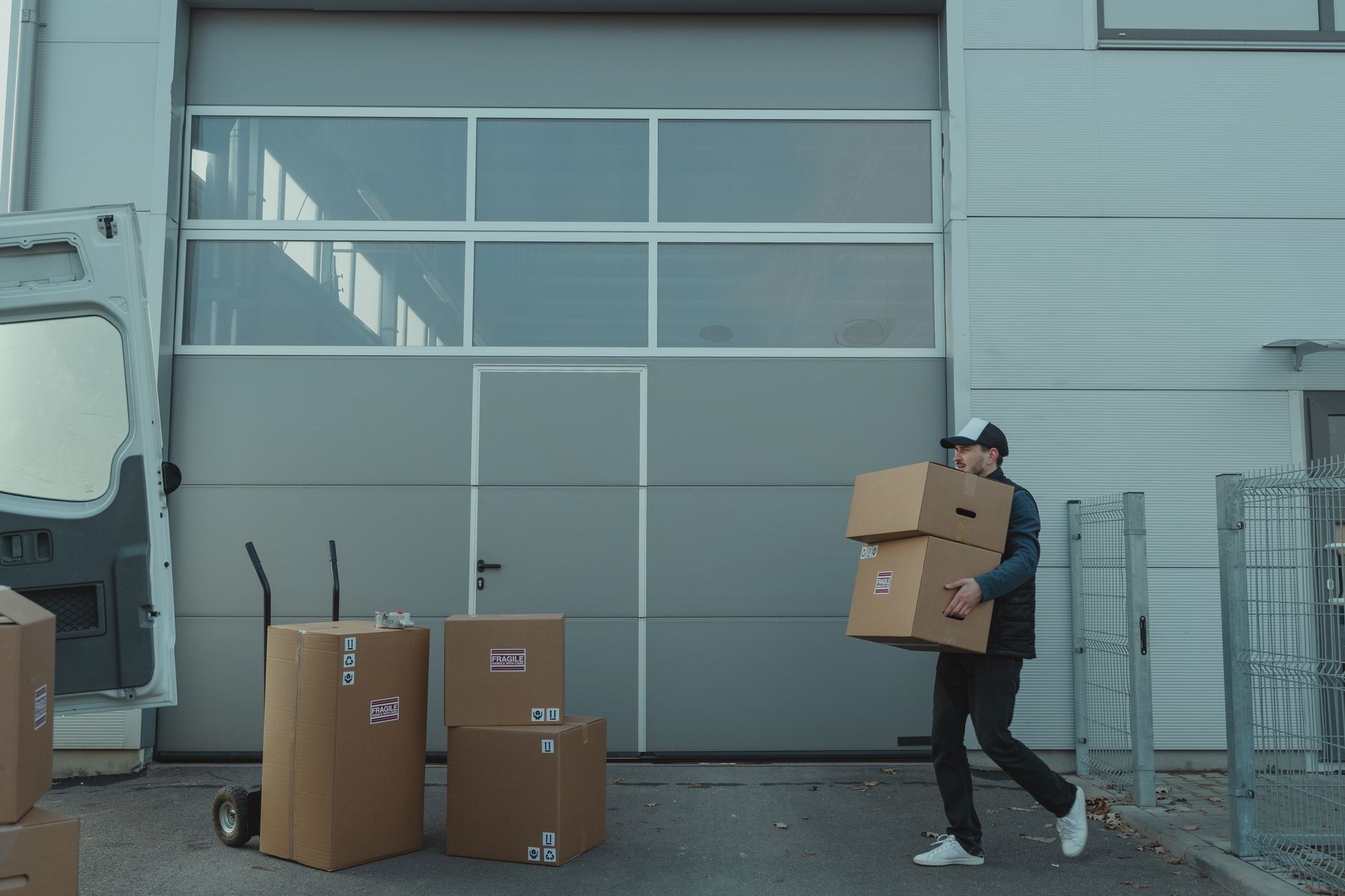
Wine and spirits freight is unforgiving. According to OSHA, warehouse case-pick loads can weigh from a few pounds to over 100 pounds, and the agency recommends reducing case weights to 35 pounds or less where possible. For item picking, OSHA also recommends keeping tote weights under 35 pounds. In beverage buildings, that makes AMRs more than a labor play. They are also a way to take repeated carrying and pushing off people before fatigue turns into bottle drops, shoulder strain, and carton damage.
Breakage risk also changes how the robot itself should be specified. Shock at dock plates, uneven slab, abrupt turns, and sloppy load presentation matter more when the payload is glass and liquid. OSHA warns that uneven floors and rough transitions add vibration and dock shock in warehouse handling, so robot routes should avoid cracked concrete, steep level changes, and high-speed turns near dense storage. The robot has to move the load calmly, not teach it to sway.
That is why beverage AMR work often favors well-contained cases, stable totes, and replenishment loads over unstable mixed carts. Payload margin, braking behavior, deck height, and transfer geometry deserve as much scrutiny as rated speed. A fast robot that rattles product is the wrong robot.
What about secure and age-controlled inventory?
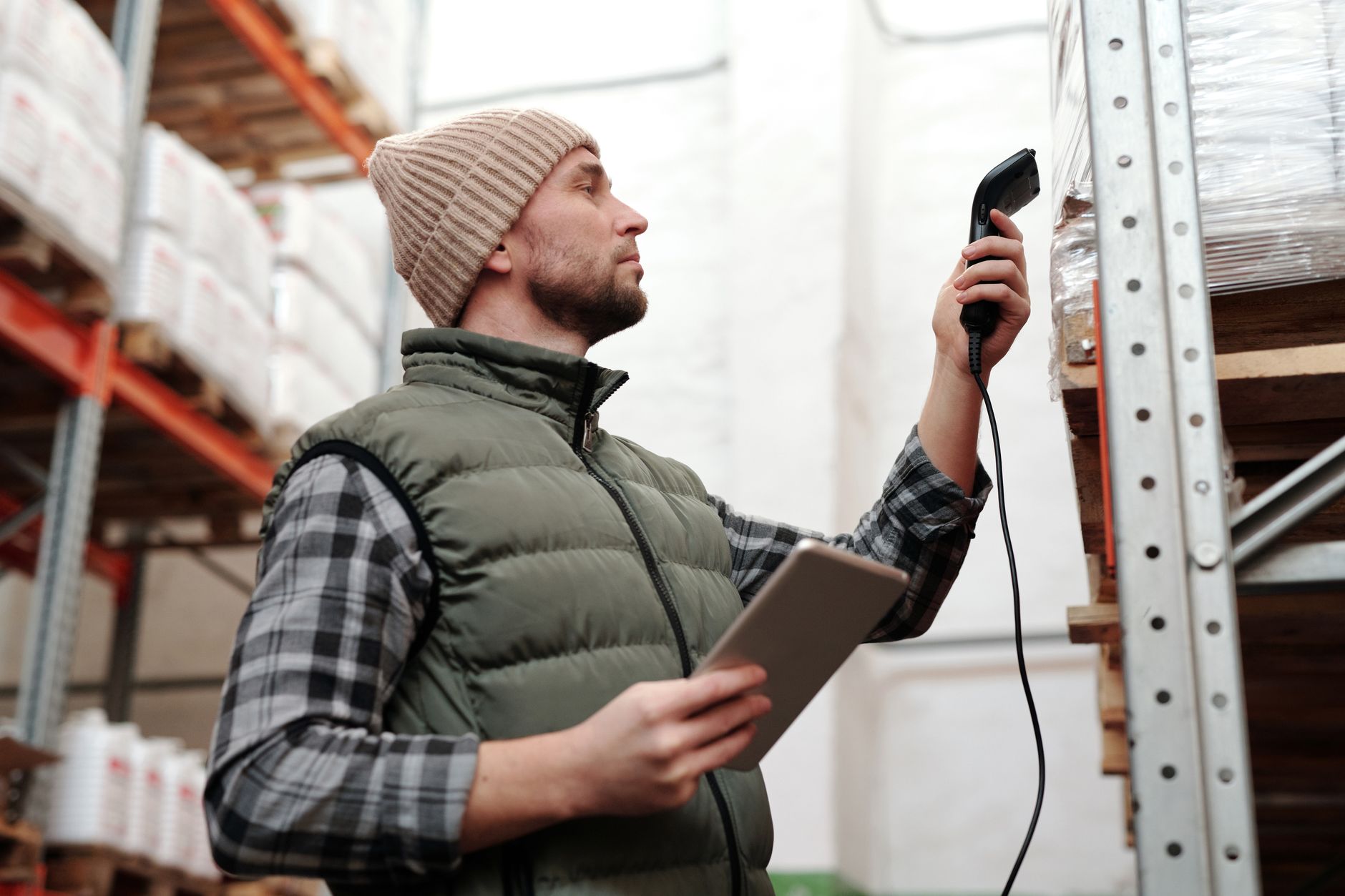
Regulated beverage logistics is not an open-floor free-for-all. TTB requires wholesale liquor dealers to keep daily records of the physical receipt and disposition of distilled spirits, beer, and wine, and to keep those records at the place of business for at least three years. That alone argues for scan-based robot missions tied to location codes, user roles, and exception logging.
TTB also notes that state and local alcohol rules can be more restrictive and vary widely from state to state. So high-value spirits cages, restricted release points, and controlled inventory areas should not be treated like ordinary travel lanes. In those zones, AMRs work best when they stop at the threshold, trigger a scan or badge release, and leave the regulated handoff to an authorized employee.
That design keeps the audit trail clean. It also avoids a common mistake in first-wave automation, which is letting the machine cross governance boundaries that the operation itself still manages with human signoff. In beverage warehouses, the right handoff is often more important than the longest autonomous run.
How should AMRs fit picking, not fight it?
WERC said order-picking accuracy and dock-to-stock cycle time were among the top metrics tracked in its 2025 DC Measures report. That is exactly why AMRs should be attached to the pick rhythm, not run as a side project. If the robot creates extra touches, extra scans, or congestion at the face, it is hurting the scorecard it was supposed to help.
The better pattern is simple. Pickers keep picking, replenishment keeps arriving, and the robot handles the non-value walking between those states. In full-case modules, that can mean moving completed pallets to stretch wrap while another mission brings the next replenishment pallet forward. In tote or split-case work, it can mean taking completed totes to consolidation and returning empties without pulling selectors off the aisle.
This is also where AMR software either helps or annoys. The mission queue has to respect wave releases, replenishment urgency, blocked aisles, and priority SKUs. Beverage operations do not need a clever robot that ignores the pick sequence. They need quiet discipline from the fleet and clean visibility in the WMS and robot fleet management layer.
What happens during peak season?
Peak in beverage is not just busier. It is lumpy, calendar-driven, and full of mix shifts. The U.S. Census Bureau reported that unadjusted alcohol wholesaler sales in NAICS 4248 reached 18.298 billion dollars in December 2025, up 21.3 percent from November 2025. NABCA also reported that December 2025 control-state spirits volume was lifted by 10 additional selling days, while November 2025 volume fell 6.5 percent with 8 fewer selling days. Holiday demand and calendar quirks can distort throughput at the same time.
The mix is moving too. DISCUS said spirits ready-to-drink cocktails reached 3.8 billion dollars in 2025, up 16.4 percent year over year. That kind of category swing changes replenishment pressure, pick slot velocity, and staging needs, especially in grocery and convenience-heavy routes where promo activity can hit fast.
So AMR capacity should be designed around peak-hour congestion, not average Tuesday labor. That usually means leaving room for overflow staging, reserve-to-forward bursts, and temporary rule changes for seasonal lanes. A fleet that looks perfect in April can feel undersized in November if it was sized to the median day instead of the selling calendar.
What does a good rollout look like in this niche?
A good beverage AMR rollout starts with one loop that is dull on purpose. Pick a travel-heavy workflow with stable endpoints, known scan points, and minimal policy ambiguity. Prove that the robot can move the right load to the right place, at the right time, without adding damage, blocked aisles, or supervisor babysitting. Then widen the map.
The operating rules need to be written before go-live, not discovered in the first spill. Beverage sites should define what happens on a failed scan, a blocked aisle, a broken case, a leaking package, and a partially delivered replenishment load. They should also define who owns route edits after slotting changes and who can override priority rules during a peak push.
- Scan confirmation at pickup and drop
- Access rules for secure and controlled inventory zones
- Spill and broken-glass response steps
- Route audits after slotting or rack changes
- Battery and charging windows that do not collide with shipping crunches
Why does the integrator model matter more in beverage?
Wine and spirits operators rarely need just a machine. They need warehouse robot leasing for business if capital is tight, robot deployment and integration into the WMS, supervisor and floor training, and service coverage when a route goes down on a Friday night in December. That is why the vendor neutral robot integrator model matters more here than a one-time equipment sale.
Service Robot Co. is built for that shape of work. We are an OEM-neutral commercial robot integrator for U.S. businesses, which means we select the right robots across manufacturers, then finance, deploy, integrate, train, and service every unit through a nationwide U.S. engineer network. For distributors testing repetitive transport automation, that can start as a robot pilot program, warehouse robot leasing, or robot as a service model with monthly payment programs, then expand into a larger AMR fleet deployment once the travel loops, damage rates, and pick-support metrics are proven.
That one-partner model is especially useful in regulated beverage logistics, where uptime and accountability matter as much as payload and speed. One partner, one number, and one operating playbook is often the difference between a neat pilot and a fleet that keeps earning its keep.